


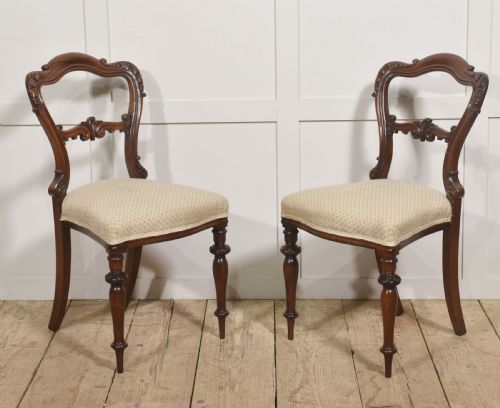

Early Victorian Chairs
Early victorian chairs encompass everything from formal rosewood library seats to elm farmhouse dining sets, offering functional history for everyday use.
Early Victorian Chairs
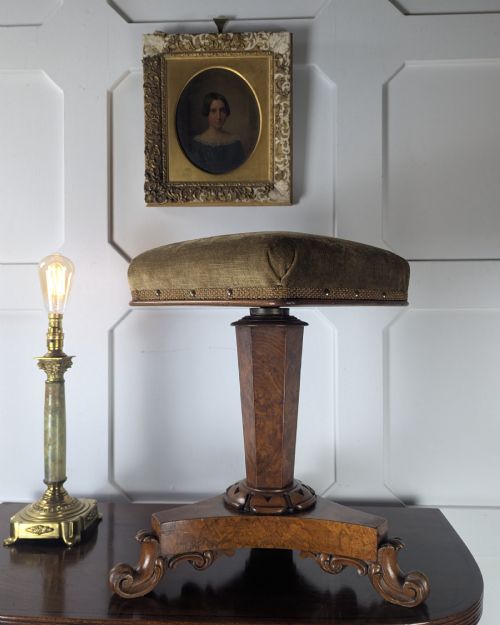
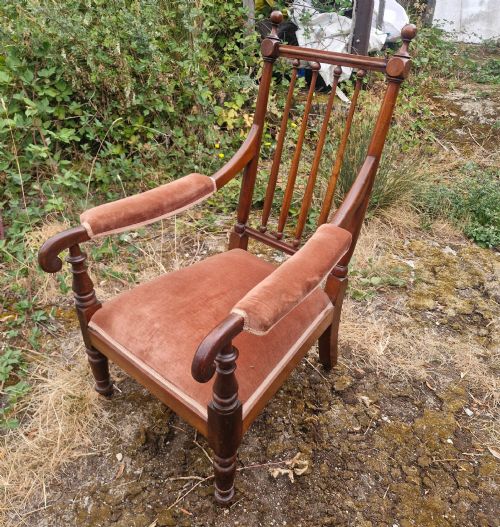
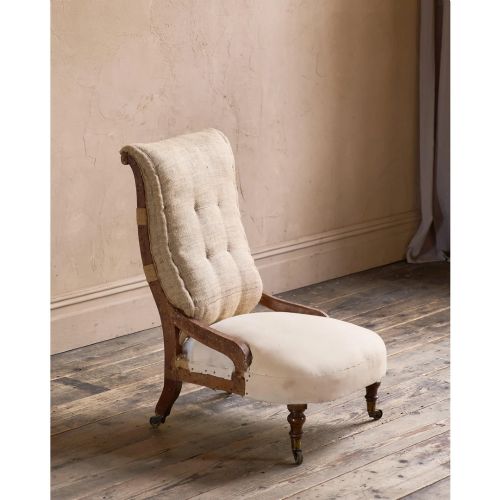
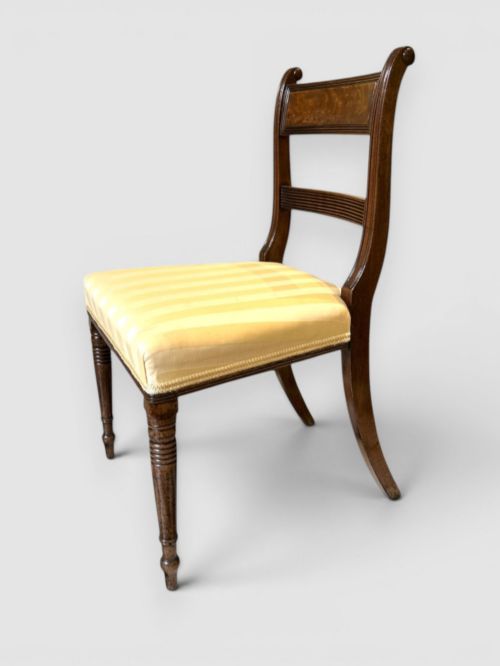
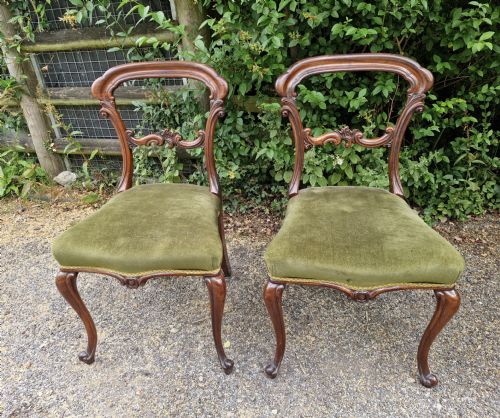
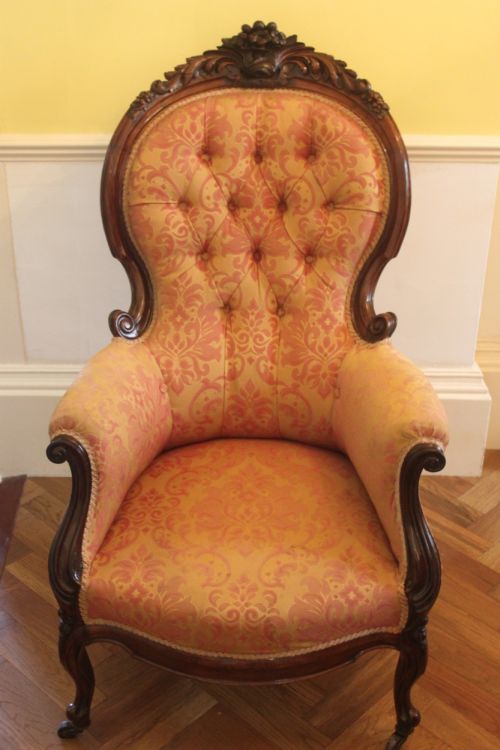
When searching for early victorian chairs, buyers encounter a diverse selection of seating originating primarily from the nineteenth century, including the Victorian, William IV, and Regency periods. The forms range widely from matched sets of dining chairs and individual library armchairs to nursing chairs, piano stools, and sturdy country kitchen seating.
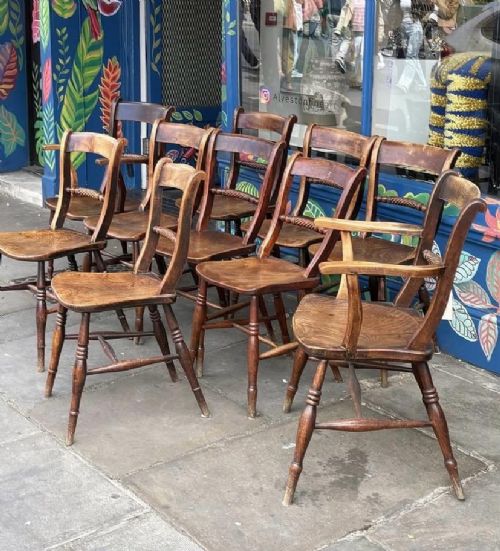
The single most common version met on this page is the dining chair, frequently found in sets of four, six, or eight made of mahogany or rosewood. Alongside these formal parlour and dining pieces, country variants in elm, ash, and oak appear regularly, showing regional traditions like wheel backs and rush seats.
How They Were Made
Cabinet makers relied heavily on dense hardwoods such as mahogany and rosewood for formal drawing room and dining pieces, often utilising turned, carved, or scroll-back frames. Country workshops turned to local timbers including elm, ash, and oak for Windsor and ladder-back kitchen seating.
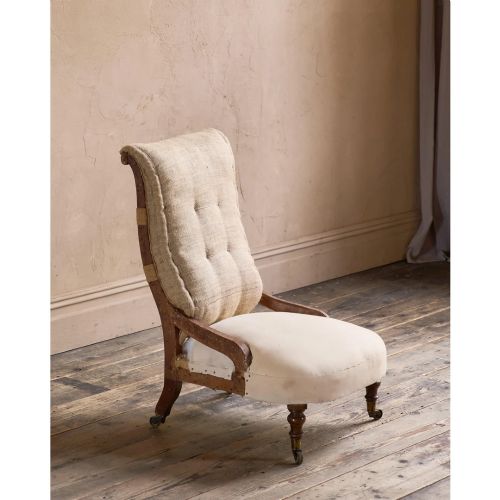
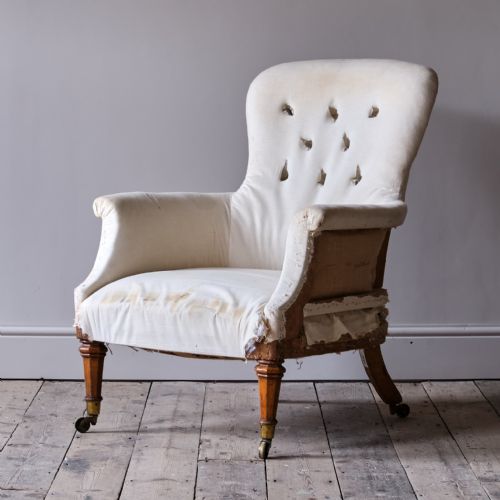
Upholstery techniques of the era involved stuffing hair and horsehair over webbing and springs, secured with calico or hessian before applying outer coverings of velvet, leather, tapestry, or printed fabric.
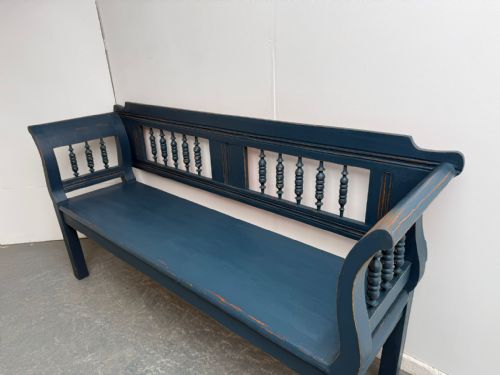
An unusually bright blue painted Hungarian bench brings a splash of folk art cheer to traditional nineteenth-century seating lineups.
What Varies In Quality
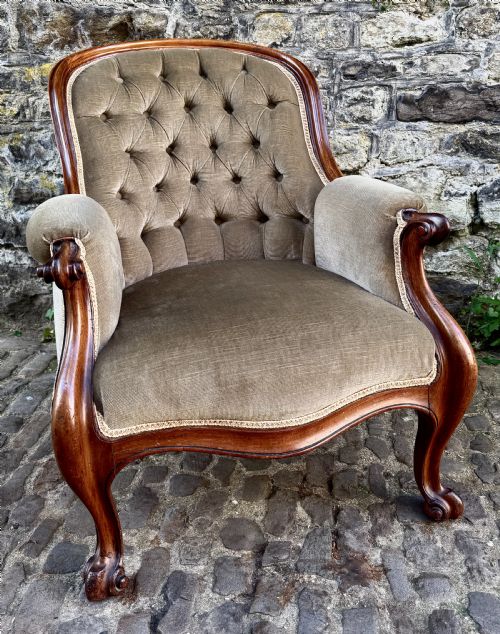
The standard of a piece depends largely on the crispness of the timber carving and the architectural balance of the frame, where fluid lines on balloon-backs or library armchairs distinguish superior workshop output from simpler production. Selection of timber grain, particularly in figured rosewood and matched mahogany sets, also separates standard utility seating from high-status commissions.
Integrity of construction defines the longevity of these items, as tight joinery in the structural joints and original blocking maintain stability without excessive modern intervention.
Howard and Sons·Gillows
The Early Victorian Chairs Glossary
- Balloon-back
- A dining chair style featuring an oval, loop-shaped backrest resembling a balloon, which became popular during the nineteenth century.
- Library armchair
- A heavily upholstered comfortable seat designed for reading rooms, frequently constructed with substantial open arms and mahogany or rosewood framing.
- Hall chair
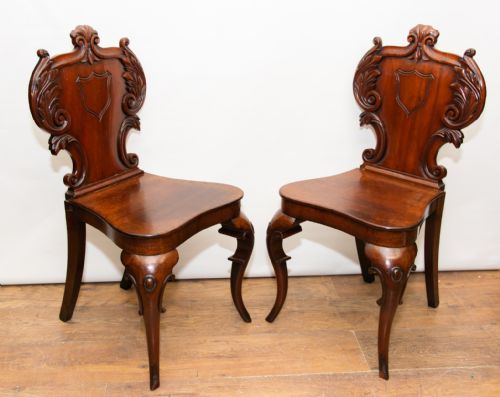
- A rigid wooden seat, often featuring carved or painted crests, positioned in entrance halls rather than utilised for long periods of sitting.
- Gillow
- A prominent Lancaster and London furniture-making firm known for producing high-status dining and library seating during the Regency and early Victorian eras.
- Howard and Sons
- A renowned nineteenth-century upholstery and furniture-making firm famous for comfortable padded armchairs built on robust frames.
Early Victorian Chairs: Frequently Asked Questions
How do I identify an early victorian chair?
Look for transitional design elements that blend late Regency heaviness with early Victorian curves, such as balloon backs and carved rosewood frames.
Timber choice and construction methods, including hand-turned legs and traditional joinery, help confirm the nineteenth-century origin.
Were these chairs used at dining tables?
Large sets of mahogany or rosewood chairs were made specifically for formal dining rooms in sets of four to twelve.
Simpler elm and oak country chairs served farmhouse dining tables and everyday domestic spaces.
Can I use them in a modern room?
These pieces adapt easily to contemporary interiors, functioning as desk chairs, accent seating, or bedroom chairs.
Their robust hardwood frames provide everyday durability alongside historical character.
What is the difference between rosewood and mahogany pieces?
Rosewood frames typically display darker grain patterns with a rich natural polish, often reserved for formal drawing room and library seating.
Mahogany offers a reddish-brown tone and was the primary choice for standard dining chair sets throughout the period.