




Early Victorian Box
An early victorian box represents an era of meticulous craftsmanship, offering tangible links to nineteenth-century domestic life through portable containers designed for writing, sewing, and keepsakes.
Early Victorian Box
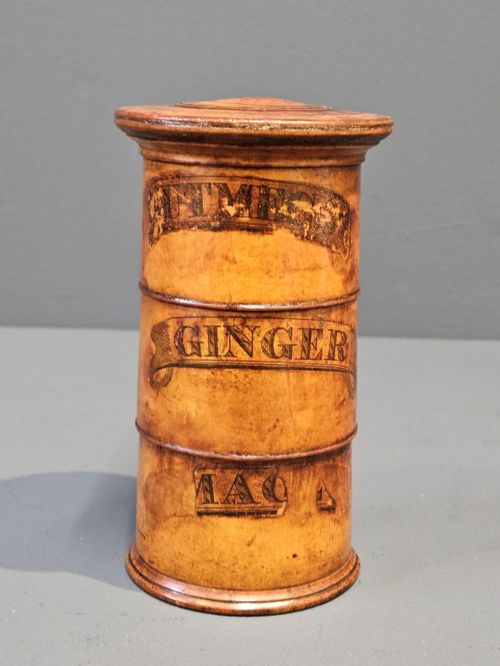
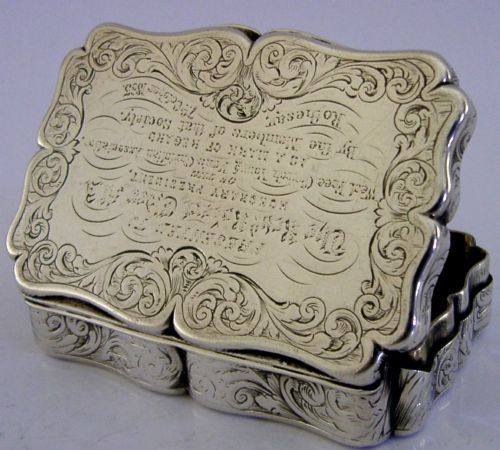
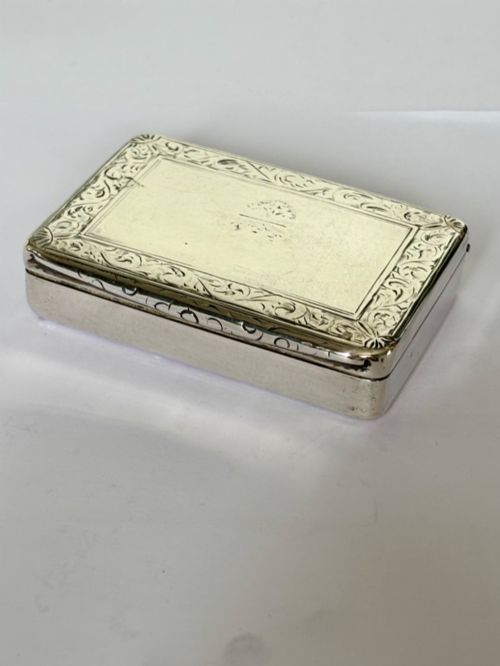
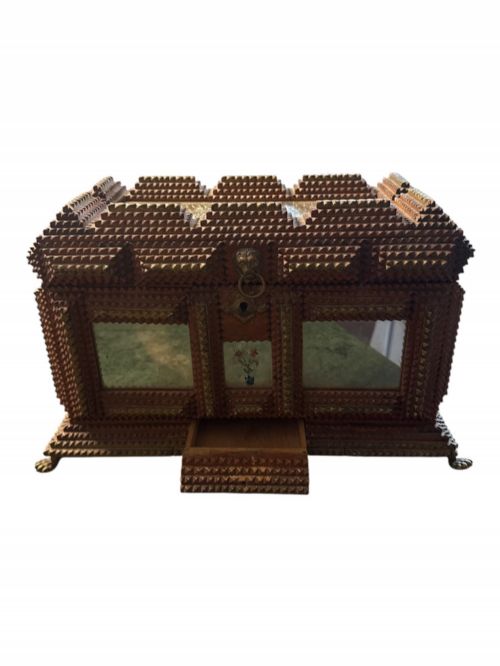
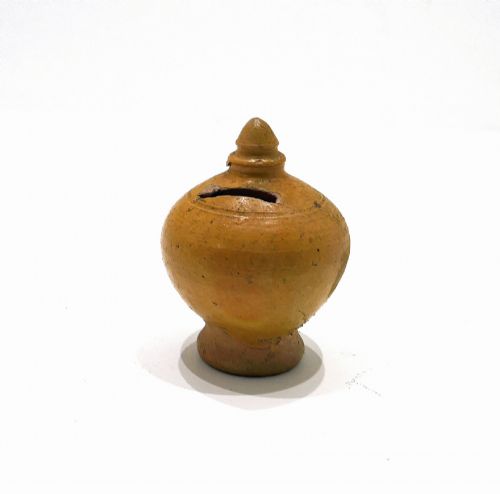
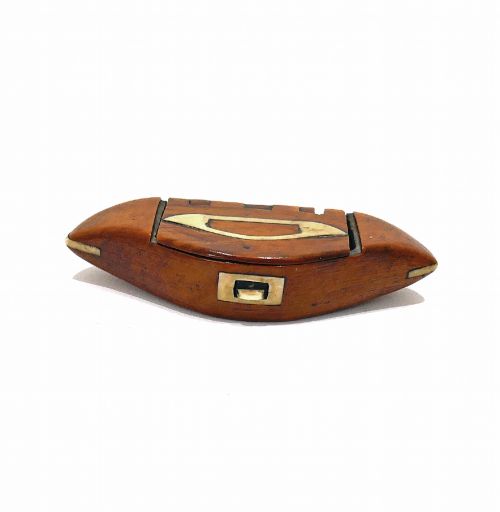
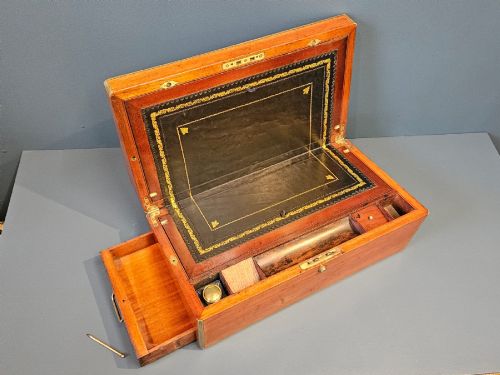
When searching for an early victorian box, buyers encounter a diverse selection of containers spanning utilitarian objects and luxury personal items. The offerings range from small pocket-sized silver snuff containers and treen items to larger desktop writing slopes and rosewood sewing cases.
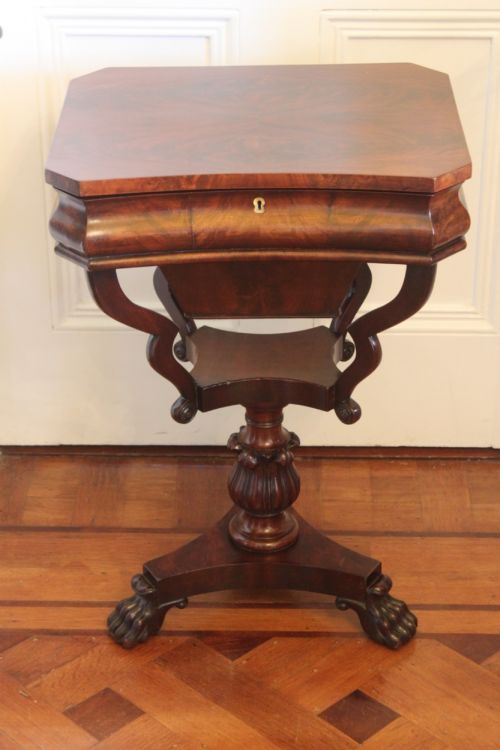
Many survivors from this period reflect the domestic pursuits of the nineteenth century, including tea caddies, jewellery cases, and travel companions fitted with glass and metal. These pieces vary from austere campaign chests and mahogany deed boxes to highly decorative Tunbridge ware and mother-of-pearl inlaid surfaces.
Originating predominantly from British workshops, these containers utilise timbers and metals characteristic of the mid-nineteenth century. Collectors find both vernacular folk art pieces and formal parlour items bearing the hallmarks of urban silversmiths or provincial cabinet makers.
Materials and construction methods
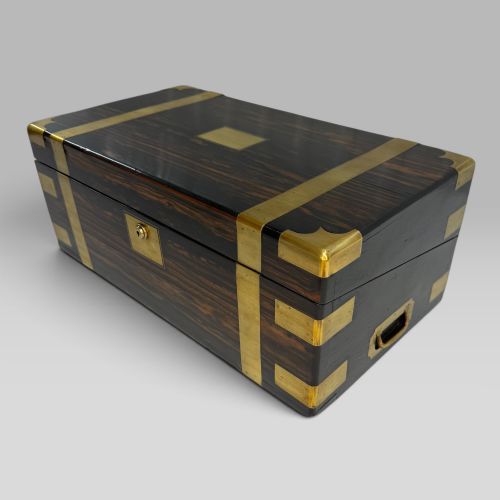
Makers constructed wooden boxes using dense hardwoods such as mahogany, rosewood, coromandel, and burr walnut, often applying intricate veneers over solid secondary timbers like pine. Carpenters reinforced corners and edges with brass banding and incorporated flush-fitting carrying handles for travel utility.
Silver containers and internal fittings relied on sterling silver and silver gilt, featuring engine-turned decoration, repoussé work, and crisp Birmingham or London hallmarks. Artisans embellished luxury wooden boxes with contrasting inlays of tortoiseshell, mother-of-pearl, bone, and boxwood stringing.
Interiors typically featured velvet, silk, or leather linings tailored to hold specific implements like glass inkwells, nib boxes, and sewing tools. Campaign and travel versions utilised secure locking mechanisms and concealed secret drawers operated by hidden wooden pins.
Some travelling apothecaries included tiny glass bottles marked for poisons, reflecting nineteenth-century home remedies.
Assessing quality in period boxes
The standard of an early victorian box rests on the selection of timber veneers and the precision of the joinery. Superior examples display book-matched grain patterns and tight, uncompromised mitre joints that withstand changes in humidity without splitting.
Hardware execution dictates overall grade, distinguishing mass-produced commercial goods from bespoke commissions. High-tier pieces feature substantial cast brass hinges, functioning locks with original keys, and finely chased silver components rather than stamped, thin-gauge alternatives.
Internal organisation and completeness elevate individual pieces above standard survivors. Boxes retaining their original fitted trays, undamaged silk linings, and matching glass ink bottles or silver instruments command greater interest among serious collectors.
Edward Smith·Francis Clark·Nathaniel Mills·AJ Norman
The Early Victorian Box Glossary
- Writing slope
- A portable desk featuring a hinged, sloping writing surface that typically folds flat when closed. Inside, compartments store stationery, pens, and inkwells.
- Tea caddy
- A container designed to store loose tea leaves securely, often featuring internal lidded compartments to keep different blends separate and dry.
- Treen
- Small handmade wooden household objects and utilitarian wares created through turning on a lathe or carving. Collectors value the tactile surfaces and varied fruitwood or exotic timber grains.
- Tunbridge ware
- Woodware decorated with tiny mosaic tiles assembled from different coloured natural woods to form intricate geometric or pictorial patterns. This technique reached its height in nineteenth-century Kent.
- Vinaigrette
- A small metal box containing a perforated internal grille, designed to hold a sponge soaked in aromatic vinegar. Victorians carried these to mask unpleasant odours in public spaces.
Early Victorian Box: Frequently Asked Questions
What were writing slope boxes used for?
Writing slopes served as portable desks for travellers and home correspondents during the nineteenth century. They provided a solid slanted writing plane and kept stationery, ink, and nibs organised inside fitted compartments.
Wealthy owners used rosewood and coromandel versions inlaid with brass for parlour use, while plain mahogany models suited military officers and travellers on campaign.
How do I care for antique wood and silver?
Wood surfaces require occasional treatment with microcrystalline wax to nourish the grain and protect the finish from drying out. Avoid liquid polishes containing silicone, which can penetrate damaged varnish or old French polish.
Silver components need gentle cleaning with a soft cloth specifically formulated for precious metals. Keep abrasive cleaners away from engraved designs and hallmarks to preserve the metal's integrity.
How can I tell a tea caddy from a sewing box?
Tea caddies generally feature internal lids or foil-lined compartments designed to protect dry tea leaves from moisture and air. They often have a central recess that once held a glass mixing bowl.
Sewing boxes contain shallow, removable wooden trays fitted with small partitions, pin cushions, and needle holders. Their interiors are lined with silk, velvet, or marbled paper rather than foil.
Are keys usually included with these boxes?
Original keys seldom survive because locks were small and easily lost over generations of household moves. Many boxes feature working locks adapted with replacement keys by specialist horologists or box makers.
Locks on portable writing boxes and jewellery cases were primarily intended to deter casual pilfering rather than provide high-security vault protection.