




Early Staffordshire Figure
An early staffordshire figure captures the earthy charm of past centuries through hand-painted ceramic modelling.
Early Staffordshire Figure
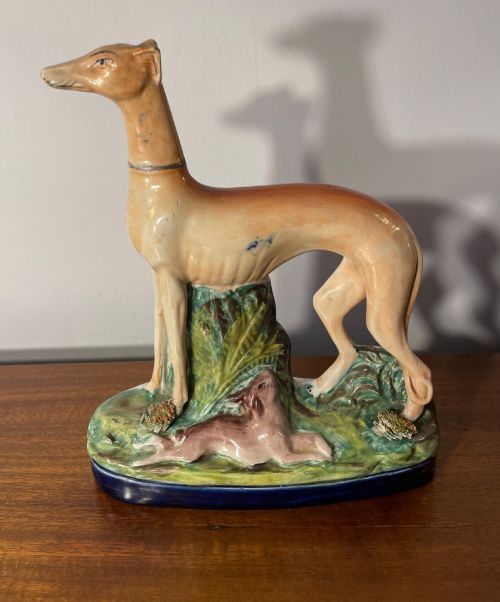
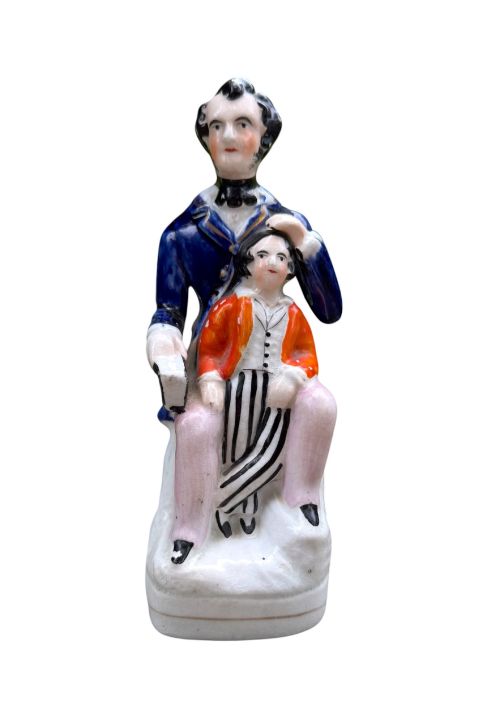
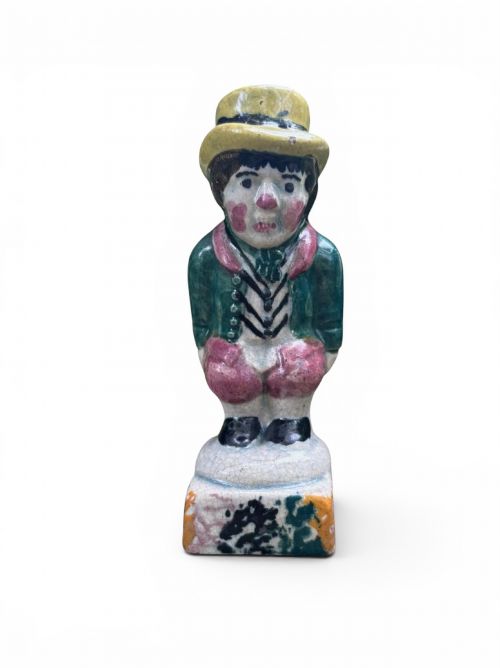
An early staffordshire figure brings domestic animals and historic personalities into the room with simple folk charm. Collectors search for these pieces to add tactile history and cheerful character to a mantlepiece or cabinet.
The selections available here span the georgian and victorian eras, featuring pearlware sheep, pottery dogs, and commemorative figures. Animal subjects such as hounds, pugs, and setters appear frequently alongside human portraits.
Most examples date across the nineteenth century, reflecting the output of regional potteries from around eighteen hundred to eighteen eighty. These items range from single decorative figurines to matching pairs and practical pepper pots.
Materials and Making
Potters shaped these earthenware and pearlware bodies by hand or in moulds before applying lead glazes. The resulting surfaces possess a warm, glossy sheen characteristic of early ceramic production.
Early Staffordshire Figure Retail Price Guide 2026
Typical asking prices for early staffordshire figure among the pieces listed under this phrase on Sellingantiques today, from the lower quarter to the upper quarter. They describe what is for sale here now, not the wider market.
Listings feature earthenware and pearlware bodies decorated with enamel paint under lead glaze, spanning the georgian and victorian periods.
Judging Quality
Quality rests upon the crispness of the moulding and the confidence of the hand-painting. Stronger pieces display expressive facial modelling and precise application of enamel pigments rather than muddy outlines.
The handling of the base and the smoothness of the glaze also distinguish superior studio outputs from simpler utilitarian wares. Subtle variations in clay body and pigment depth reveal the touch of individual potters.
Enoch Wood factory·Walton
The Early Staffordshire Figure Glossary
- Pearlware
- A refined earthenware developed in the late eighteenth century featuring a subtle bluish glaze that pooled in recesses. This glaze sat over a white body to mimic the appearance of Chinese porcelain.
- Earthenware
- Porous pottery fired at lower temperatures than stoneware or porcelain. It serves as the primary clay body for nearly all nineteenth-century figures.
- Prattware
- A type of earthenware decorated with restricted metallic oxide colours under a clear lead glaze. Blues, ochres, and greens dominate the palette of these distinctive pieces.
- Lead glaze
- A glossy coating containing lead oxide applied to pottery before firing. It waterproofs the clay body and intensifies the colours beneath.
Early Staffordshire Figure: Frequently Asked Questions
What are early staffordshire figures made of?
These pieces consist of earthenware or pearlware bodies shaped by local potters. Craftsmen then coated the fired clay in lead glazes and decorated the surfaces with enamel paints.
This combination created durable domestic ornaments with glossy finishes and vibrant surface colours that have survived across the centuries.
How do I date an antique staffordshire figure?
Dating relies on observing the type of ceramic body, such as early pearlware versus later victorian earthenware. Subject matter, painting style, and base characteristics also provide strong chronological clues.
Comparing glaze characteristics and moulding techniques helps place a piece securely within the nineteenth century.
Were these figures meant for display?
Most examples served as purely decorative ornaments for mantels, sideboards, and collector cabinets. Items like pepper pots combined ornamental animal forms with functional use at the dining table.
Their cheerful presence brought rural subjects and portraits directly into nineteenth-century homes.
How should I care for ceramic figures?
Keep these pieces out of direct sunlight to protect the delicate enamel paints from fading over time. Dust them gently with a soft, dry brush rather than using liquid cleaners.
Stable placement away from heavy foot traffic ensures the fragile glazed earthenware remains secure.