




Early Pine Storage Chest
An early pine storage chest is a utilitarian box built for household goods that brings warmth and rustic character to a modern interior.
Early Pine Storage Chest
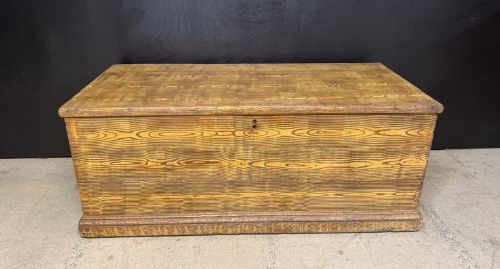
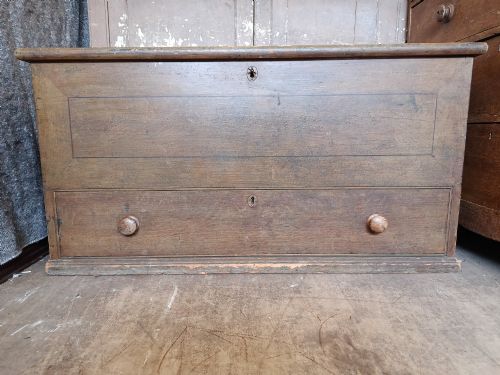
An early pine storage chest spans forms ranging from blanket boxes and mules chests to carpenters chests and silver chests. When searching for an early pine storage chest, buyers encounter pieces dating from the eighteenth century through the early twentieth century.
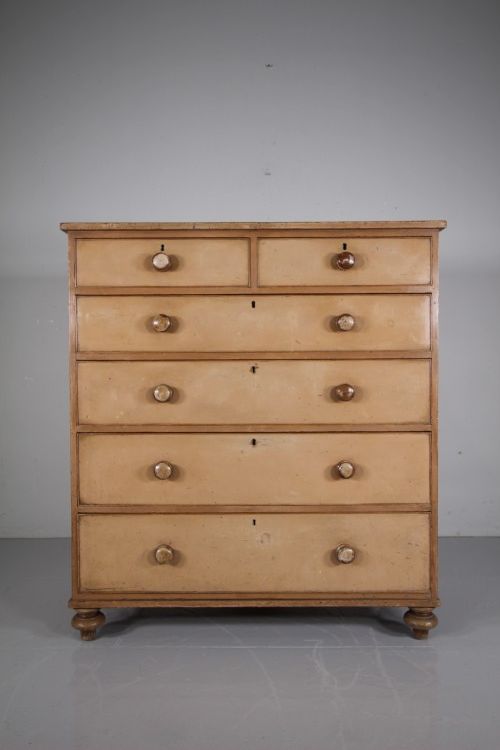
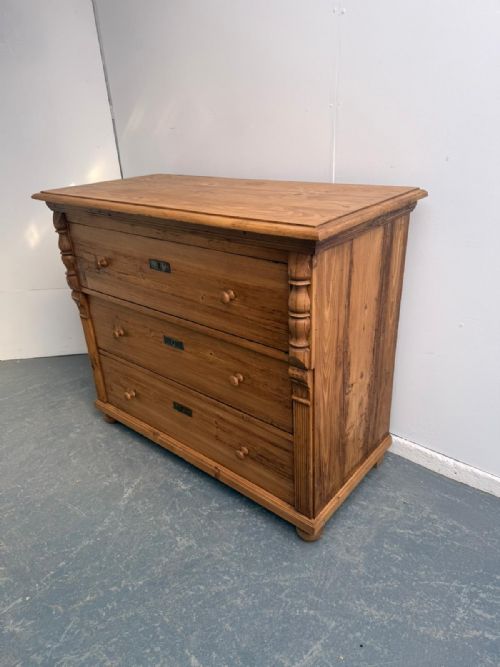
The regional origins and stylistic influences vary widely across the selection. Examples include Welsh country pieces, Scandinavian painted boxes, and Georgian drawer chests rendered in pine.
These items served practical domestic and trade purposes, functioning as linen cupboards, seaman chests, and farmhouse storage units. Their surviving forms reflect robust construction intended for heavy daily use.
How they were made
Makers utilised solid pine timber, often complemented by wrought iron, brass, and metal hardware such as carrying handles and strap hinges. Surfaces were frequently treated with wax finishes or layered with hand-applied paint.
Construction techniques relied on sturdy joinery appropriate for heavy transport and storage. Carpenters integrated internal tills, drawers, and locking mechanisms using locally available hardwoods and iron reinforcement.
The listings span periods from the 17th century to the 1930s, utilising pine, iron, paint, and hardwood.
What varies in quality
The standard of a piece depends on the integrity of its original surfaces and the proportion of its timber. Surviving original paintwork or early waxed patination elevates a box above later stripped or refinished examples.
Structural honesty and the preservation of original hardware dictate the standing of the work. Pieces retaining authentic locks, hinges, and internal compartments demonstrate superior provenance and craftsmanship.
The Early Pine Storage Chest Glossary
- Mule chest
- A storage chest featuring one or more drawers built into the base beneath the main compartment. This form bridges the gap between the traditional coffer and the modern chest of drawers.
- Silver chest
- A specialised lined box designed for storing precious tableware and cutlery securely. These often include fitted internal trays and robust brass carrying handles.
- Coffer
- A heavy wooden box with a lid, traditionally used for holding valuables. Early examples frequently feature joined construction and iron strapwork.
- Waxed finish
- A surface treatment applied to timber to nourish the wood and produce a soft sheen. This method highlights the natural grain and knots of pine.
- Seaman's chest
- A sturdy box built for maritime travel and life at sea. These units required resilient construction to withstand damp conditions and heavy handling.
Early Pine Storage Chest: Frequently Asked Questions
What is an early pine storage chest used for?
These pieces function well in modern homes for storing blankets, bedding, and household items while serving as coffee tables or window seats.
Their sturdy construction allows them to double as practical furniture that introduces texture and history to contemporary rooms.
How do I date an early pine chest?
Dating relies on examining construction methods, nail types, hardware, and timber characteristics. Eighteenth-century pieces often show hand-planed surfaces and forged iron hinges.
Later Victorian and Edwardian examples display more uniform machining and standardised fixings while retaining utilitarian charm.
Are these chests painted or waxed?
The selection includes both bare or waxed pine finishes and hand-painted decorative surfaces. Scandinavian and regional British pieces frequently showcase traditional paintwork.
Waxed finishes highlight the natural amber tones and knot patterns developed in older softwood timber over centuries.
Where were these chests made?
Origins span British workshops, country districts in Wales and England, and Scandinavian maker traditions. Regional styles reflect local aesthetic preferences and available materials.
Estate workshops and maritime hubs also produced specialised boxes tailored for specific trades and domestic households.