

Early Oak Storage
Early oak storage provides robust utility and heavy timber character, bringing sixteenth- and seventeenth-century craftsmanship directly into modern rooms.
Early Oak Storage
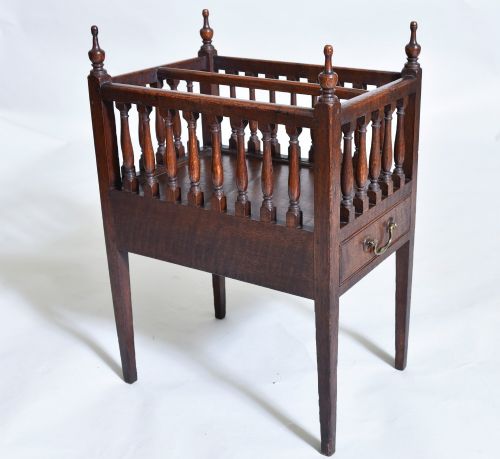
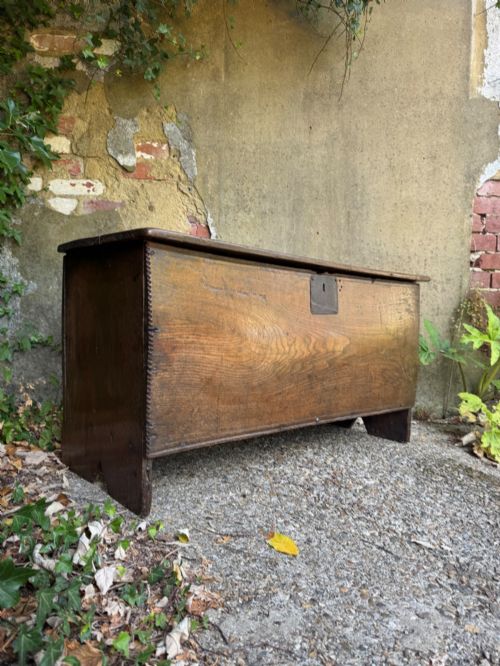
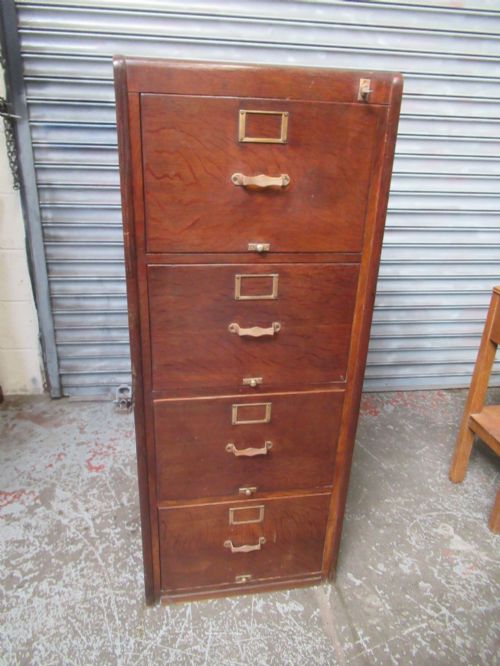
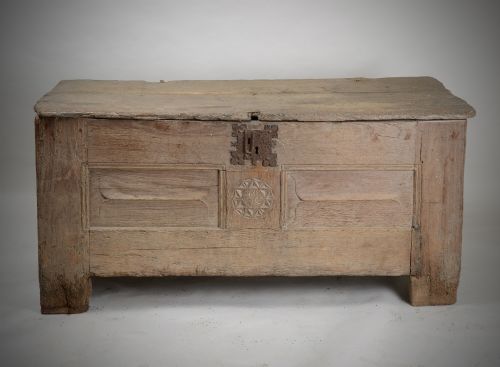
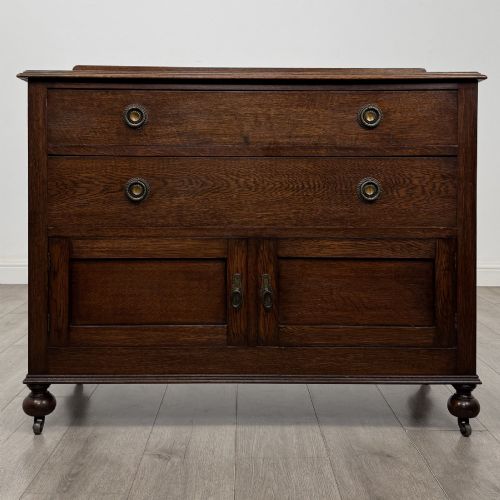
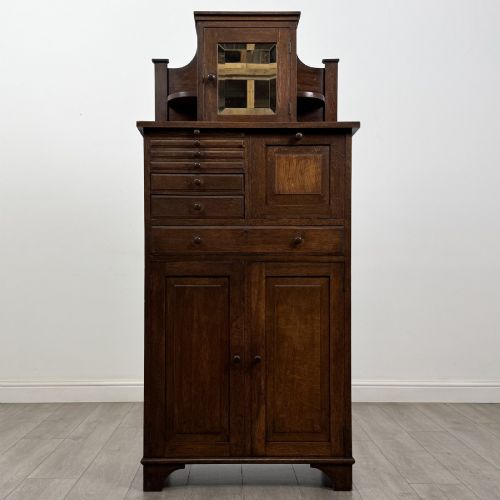
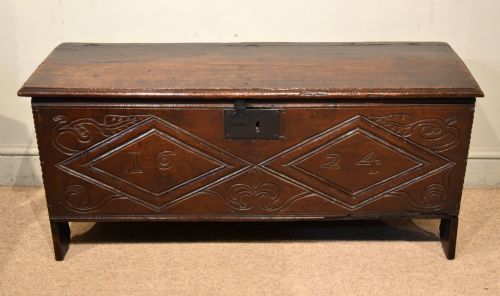
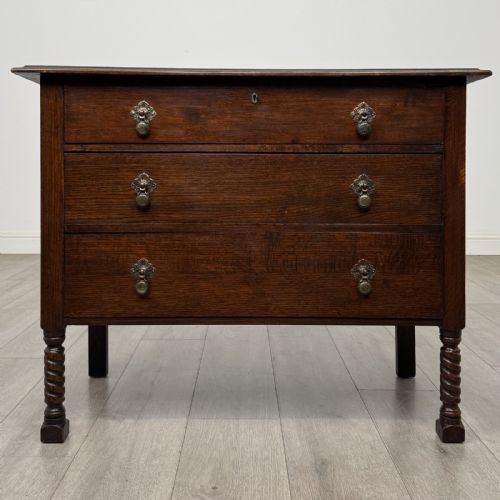
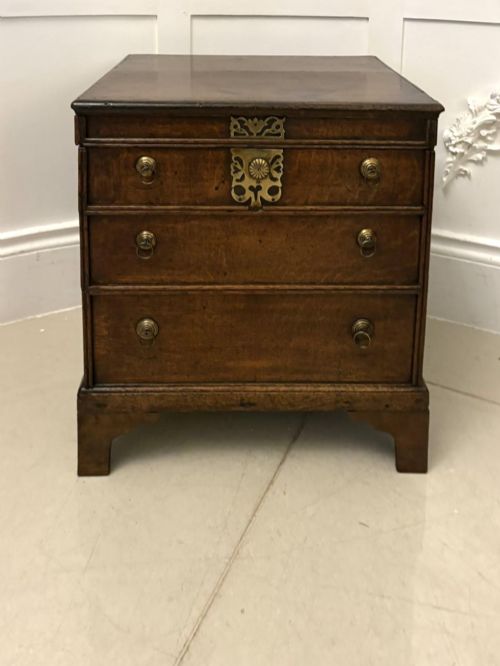
Early oak storage primarily encompasses heavy coffers, blanket chests, bible boxes, and chests of drawers originating from the sixteenth, seventeenth, and eighteenth centuries. These utilitarian items served households for storing linens, documents, and provisions before fitted wardrobes and cupboards became common.
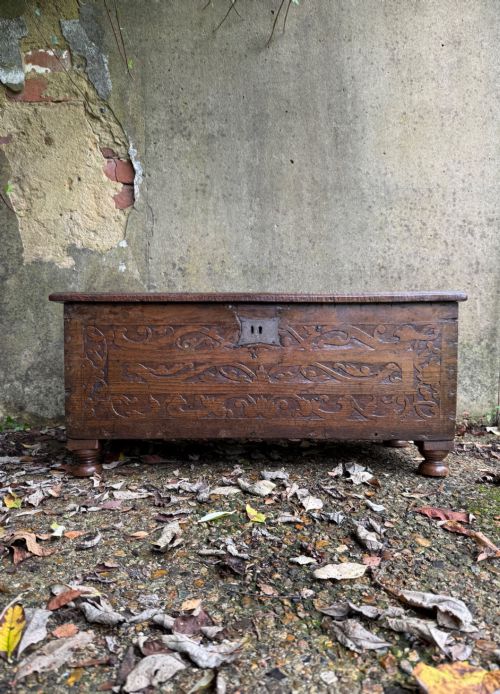
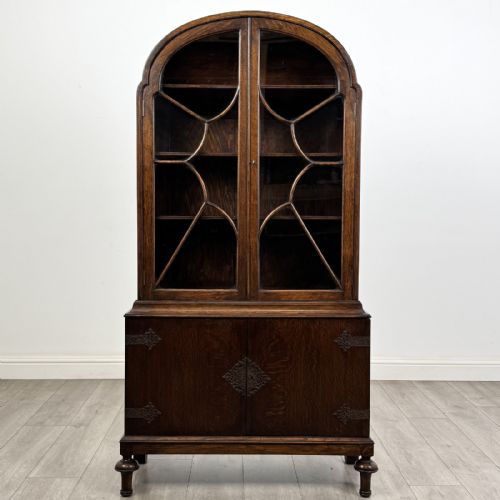
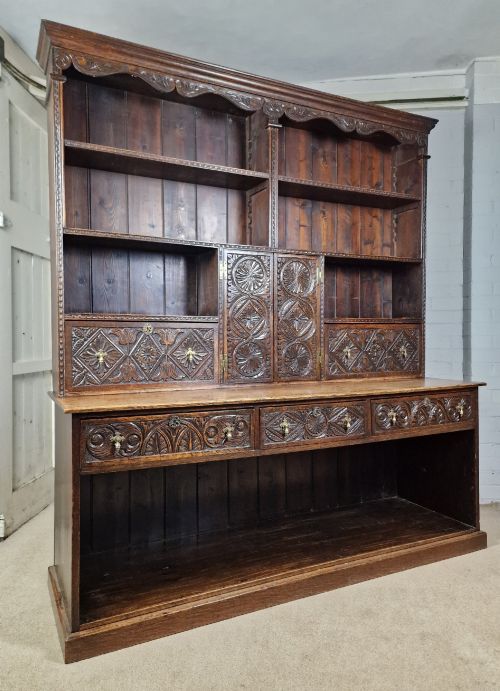
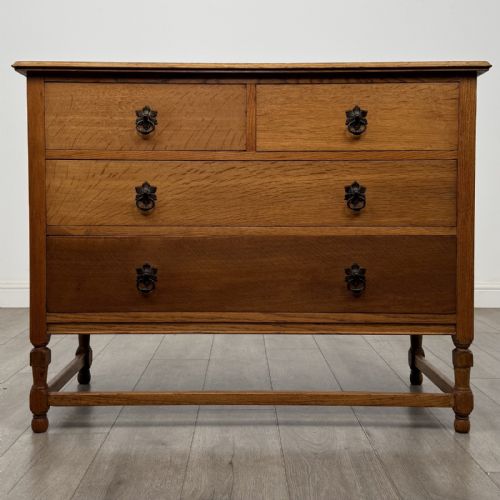
Coffers dominate the selection, ranging from plain plank constructions to deeply carved panels bearing regional styles. Alongside these chests, buyers encounter early drawers, cupboards, and dressers built with sturdy local timbers and straightforward joinery.
Materials and Technique
Makers relied on native oak planking, often supplemented by walnut, brass hardware, and iron fittings to assemble rigid frames and heavy lids. Boards were split or sawn and joined using mortise and tenon techniques secured with wooden pegs.
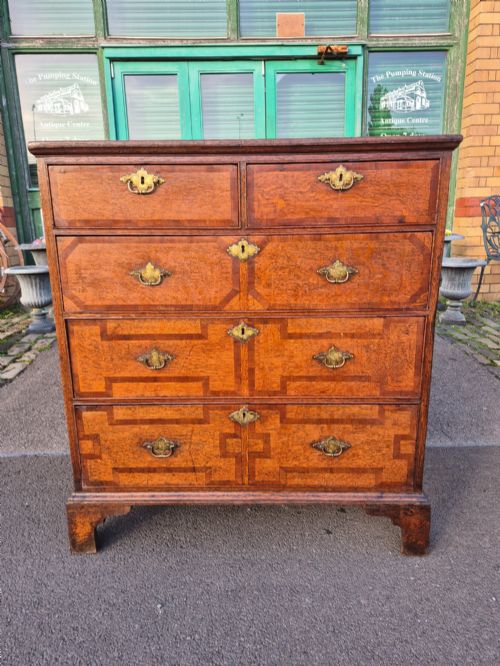
Surfaces received decorative treatment through geometric moulding, incised carving, and applied panels, occasionally incorporating olive oyster veneers on finer drawer fronts. Iron hinges and brass escutcheons reinforced structural stress points while adding functional detail.
Early Oak Storage Retail Price Guide 2026
Typical asking prices for early oak storage among the pieces listed under this phrase on Sellingantiques today, from the lower quarter to the upper quarter. They describe what is for sale here now, not the wider market.
Grain bins occasionally survived centuries of agricultural work to find new life storing modern possessions in domestic hallways.
Distinctions in Execution
Quality separates primitive utility pieces from high-status cabinet work through the precision of carving and the selection of timber quarters. Superior examples display crisp geometric mouldings, well-balanced proportions, and minimal later alterations to the original framework.
The degree of original surface survival and intact hardware dictates the standing of an item. Pieces retaining their original lids, floors, and hand-forged ironwork hold greater historical integrity than those rebuilt from disparate salvage components.
The Early Oak Storage Glossary
- Coffer
- A large wooden chest used for storage, typically fitted with a hinged lid and raised on stiles. These sturdy receptacles formed the primary furniture for keeping valuables secure in early households.
- Bible Box
- A small tabletop box with a sloping or flat lid, designed to hold sacred texts and writing implements. They frequently double as portable desk surfaces.
- Stile
- The vertical upright member of a frame structure, extending down to support a coffer or cabinet off the floor. Stile construction elevates the timber away from damp ground.
- Mortise and Tenon
- A joint wherein a pegged projection fits snugly into a corresponding cavity to lock timbers at right angles without modern adhesives. This foundational joint underpins sixteenth- and seventeenth-century cabinet work.
- Geometric Moulding
- Applied raised mouldings forming geometric patterns on drawer fronts or panels, popular during the seventeenth century. These profiles create depth and shadow across flat wooden surfaces.
Early Oak Storage: Frequently Asked Questions
What did people store inside early oak coffers?
Households used heavy coffers to secure valuable textiles, woollen blankets, church silver, and important paper documents. The thick timber construction protected contents from dampness and pests.
Over generations, these chests adapted to hold household linens, grain, and personal belongings as domestic storage habits evolved.
How do I care for antique oak furniture?
Keep early oak pieces away from direct heat sources, radiators, and rapid humidity swings to prevent the timber from splitting. Regular dusting with a dry cloth maintains the surface.
Applying occasional conservative wax feeds the dry grain without building up heavy chemical layers that obscure the original patination.
How can I tell a seventeenth-century coffer from a later copy?
Examine the board construction, tool marks, and joinery methods visible on the interior and underside. Period pieces exhibit irregular hand-sawn surfaces, pegged mortise and tenon joints, and shrinkage cracks consistent with centuries of age.
Machine-cut timber, modern screws, and symmetrical uniformity typically indicate nineteenth-century revival work or later assembled pieces.
Can I use an antique oak chest as a coffee table?
Lower chests and blanket boxes function practically as coffee tables while providing substantial hidden storage within the living room. Their robust lids easily support books and decorative objects.
Ensure the surface finish resists moisture rings by using coasters beneath drinks to protect the dry historic wood.