





Early Oak Sideboard
An early oak sideboard brings centuries of solid craftsmanship and practical timber storage straight into a modern dining room.
Early Oak Sideboard
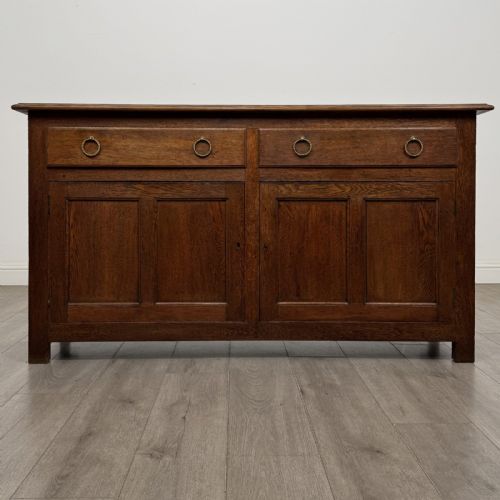
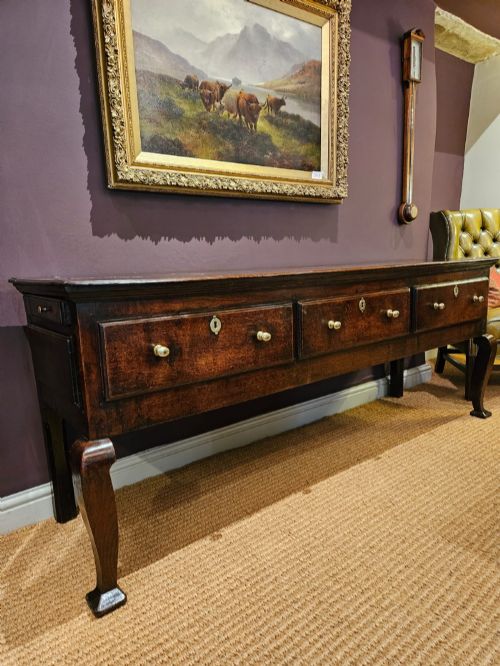
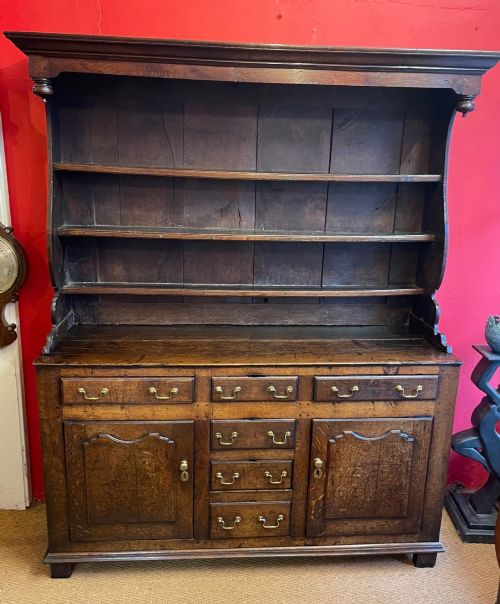
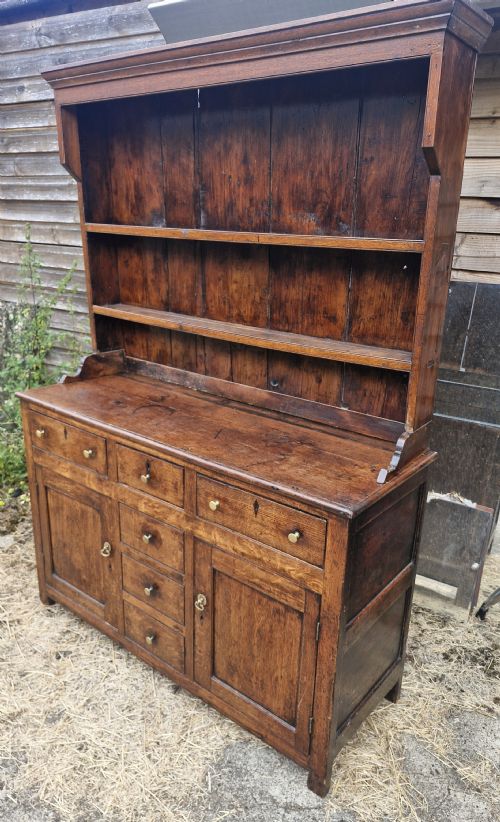
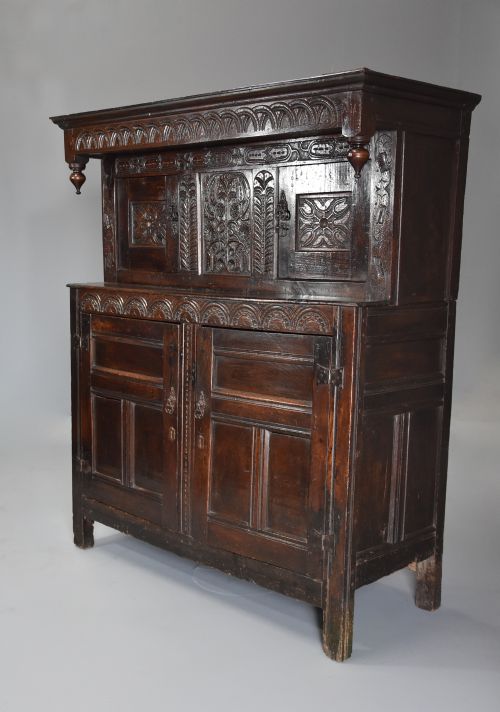
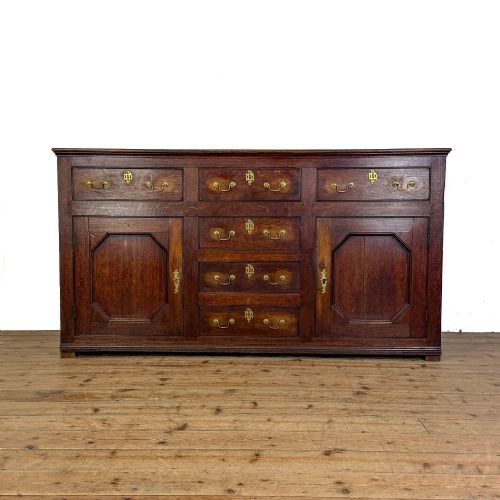
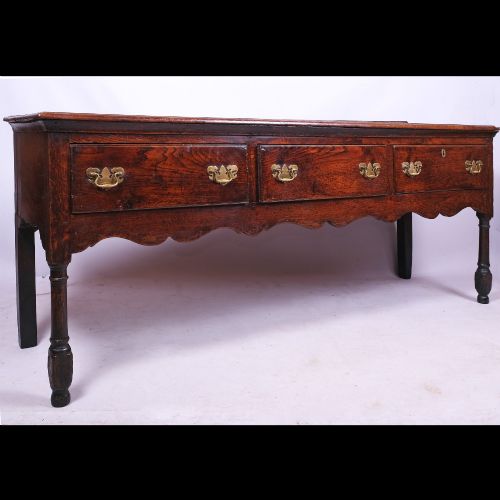
An early oak sideboard encompasses sturdy timber furniture built for domestic storage across several centuries, ranging from seventeenth-century cupboards to nineteenth-century dresser bases. When searching for this phrase, buyers encounter robust storage furniture that frequently takes the form of dresser bases, court cupboards, and regional Welsh dressers.
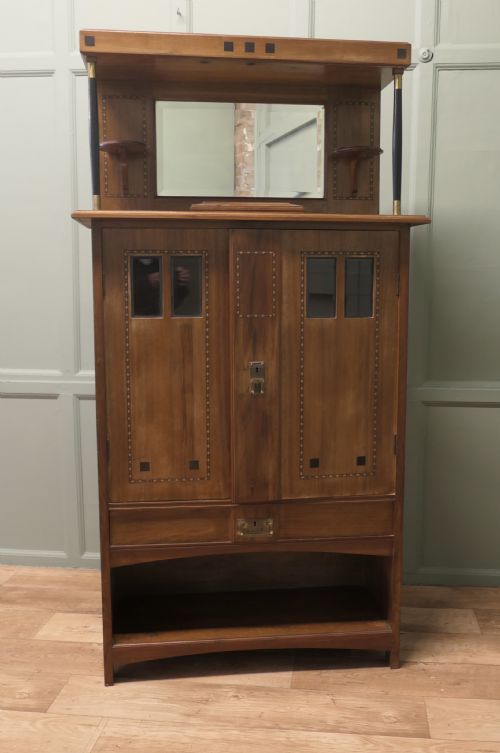
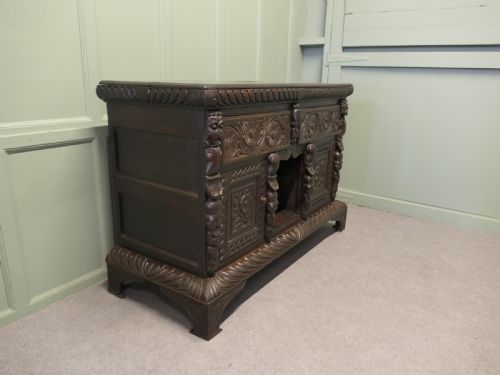
The pieces listed on this page span the sixteenth century through to the early twentieth century, incorporating revival movements alongside genuine period items. Regional vernacular pieces, particularly from Wales and various English counties, appear frequently alongside formal Georgian and Jacobean examples.
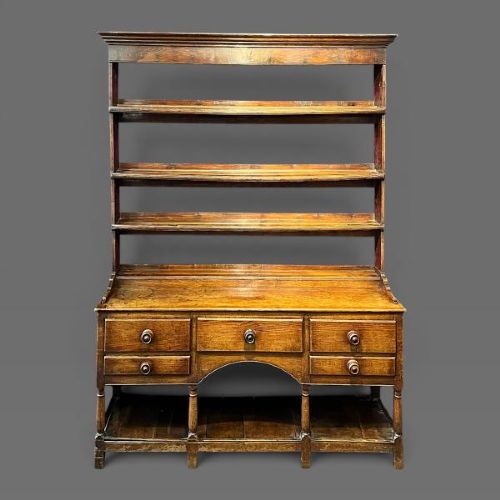
Forms vary from open potboard dressers to enclosed press cupboards and two-tier display units. Buyers most often meet nineteenth-century Georgian oak dresser bases and earlier seventeenth-century carved cupboards adapted for modern domestic storage needs.
Materials and construction methods
Makers relied primarily on solid oak timber, often selected for its dense grain and durability, frequently complemented by secondary hardwoods such as burr elm for marquetry panels. Iron hinges, brass handles, and glass panels appear on later pieces, whilst earlier cupboards utilise traditional pegged mortise and tenon joinery.
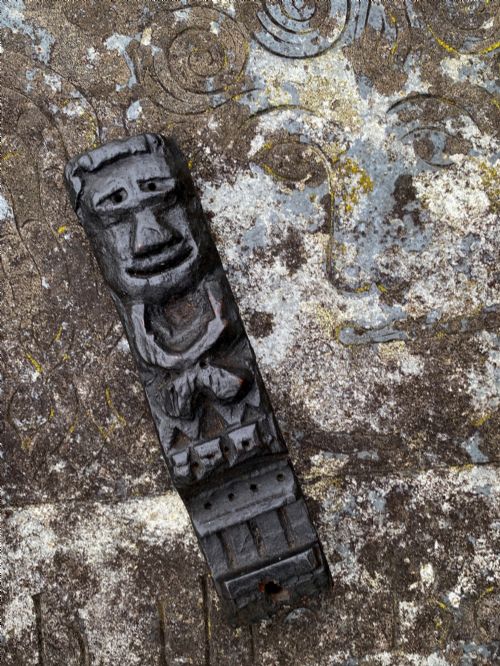
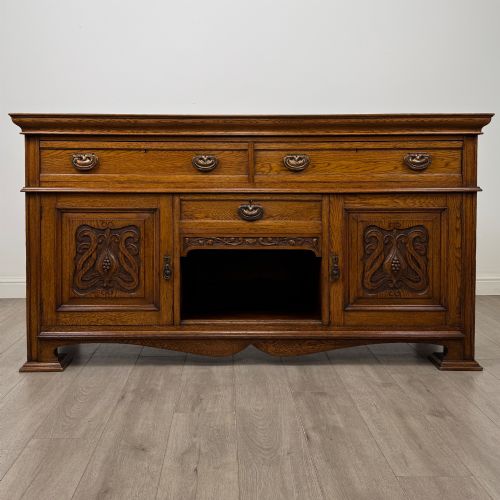
Surface finishing involved hand-carving, panel moulding, and natural wax applications that built up a deep patina over generations. Carved details on seventeenth-century court cupboards and nineteenth-century revival pieces demonstrate relief work directly into the solid oak structure.
Early Oak Sideboard Retail Price Guide 2026
Typical asking prices for early oak sideboard among the pieces listed under this phrase on Sellingantiques today, from the lower quarter to the upper quarter. They describe what is for sale here now, not the wider market.
Materials across the inventory include solid oak alongside brass, iron, glass, mirror glass, copper, burr elm, and bone.
Evaluating craftsmanship and condition
Quality rests heavily on the integrity of the timber, the depth of the natural patina, and the proportion of original material retained throughout centuries of use. Pieces displaying untouched surfaces and minimal timber replacement stand distinctly apart from heavily restored examples.
The finesse of the hand-carving, particularly on seventeenth-century panels and friezes, separates standard vernacular output from master cabinet work. Structural stability and the retention of original brass or iron hardware further elevate an item within the available range.
Heals of London
The Early Oak Sideboard Glossary
- Dresser base
- A low wooden storage unit featuring drawers and cupboards beneath a flat top surface, typically used for serving food or storing tableware.
- Court cupboard
- An enclosed medieval or seventeenth-century storage cabinet featuring a recessed upper tier supported by carved posts or columns.
- Potboard
- An open lower shelf built into traditional Welsh dressers specifically designed for storing heavy pots and culinary earthenware.
- Marquetry
- Decorative veneer work inlaid into the primary timber surface to create geometric patterns using contrasting woods like burr elm.
- Patina
- The lustrous surface sheen developed on oak timber over centuries through handling, waxing, and ageing.
Early Oak Sideboard: Frequently Asked Questions
What is an early oak sideboard used for?
These items serve primarily as practical storage furniture for dining rooms, hallways, and kitchens. Cupboards, drawers, and open shelves accommodate dinnerware, linens, and household items.
Historically, they evolved from simple serving tables and food storage cupboards into grand display furniture for dining spaces. Today, their robust construction makes them ideal for contemporary storage needs while adding traditional character.
How do I identify a seventeenth-century oak piece?
Seventeenth-century items typically feature hand-carved panels, heavy pegged joinery, and darker patinated oak surfaces. Construction methods rely heavily on mortise and tenon joints rather than modern mechanical fastenings.
Look for signs of early hand-tool work, such as adze marks on internal boards and irregular grain patterns. Original hardware, including wrought iron H-hinges, further indicates authentic period manufacture.
Where were Welsh oak dressers made?
Welsh dressers originated in rural Welsh cottages and farmhouses as utilitarian kitchen furniture for storing local pottery and provisions. Regional variations often include distinct potboard bases and specific carving styles unique to different valleys.
These pieces reflect the local vernacular traditions of Welsh cabinet makers working with native oak. Their robust proportions made them central fixtures in rural domestic life.
How do I care for antique oak furniture?
Maintain antique oak by applying traditional beeswax periodically to nourish the dry timber and preserve the surface finish. Avoid placing furniture in direct sunlight or near heat sources to prevent wood splitting.
Clean surfaces gently with a soft, dry cloth rather than modern liquid polishes that can damage historic patinas. Consistent indoor humidity levels help protect ancient joints and timbers from movement.