


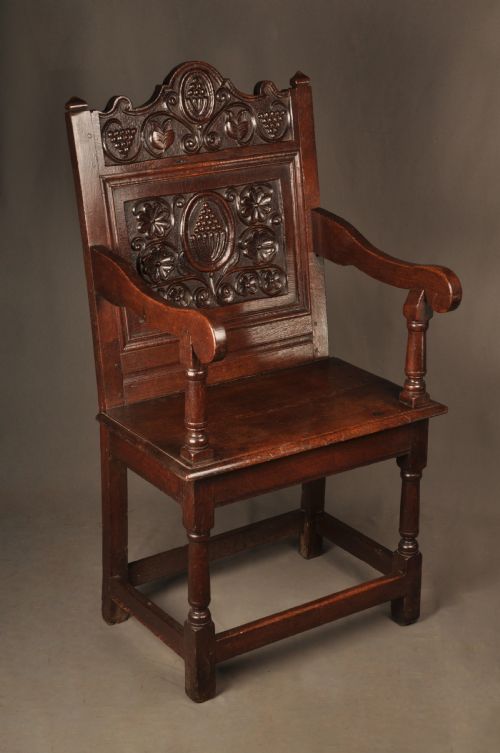


Early Oak Accent Chair
An early oak accent chair brings robust timber and centuries of craft straight into a room.
Early Oak Accent Chair
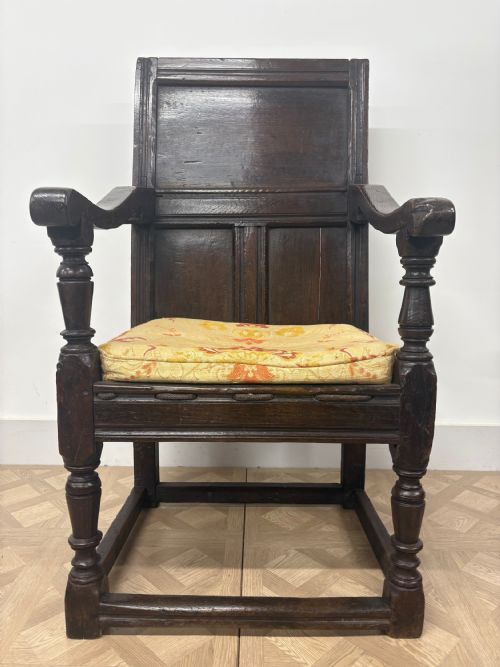
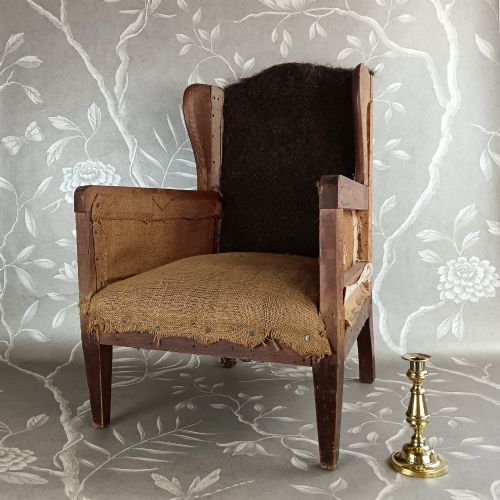
An early oak accent chair spans forms from sturdy wainscot armchairs of the seventeenth century to later Arts and Crafts recliners and children's seating. Buyers hunting an early oak accent chair encounter solid timber frames rooted in historical periods like the seventeenth century, eighteenth century, and early twentieth century. These sturdy wooden seats serve as functional focal points in a home, combining historical presence with practical seating.
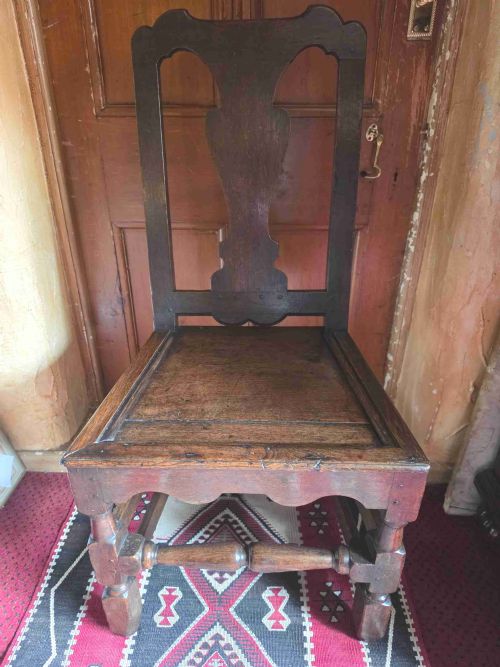
The selection ranges from high back chairs and side chairs to gossip chairs and advertising pieces. Originating across different eras, these chairs utilise oak alongside materials like linen, hessian, and iron to create distinct seating options. Whether choosing a Gothic Revival Glastonbury chair or a simple Georgian side chair, each piece displays the character of its specific period.
How they were made
Makers built an early oak accent chair using solid oak timber, often shaped into sturdy frames with traditional joinery. Artisans incorporated structural details such as trefoil carvings and high backs, ensuring longevity through robust construction methods.
Upholstery and secondary elements include linen, hessian, fabric, and enamel lettering. Iron fixtures and applied details further distinguish styles ranging from Jacobean wainscot designs to early twentieth-century commercial seating.
Early Oak Accent Chair Retail Price Guide 2026
Typical asking prices for early oak accent chair among the pieces listed under this phrase on Sellingantiques today, from the lower quarter to the upper quarter. They describe what is for sale here now, not the wider market.
Listings span periods from the 17th Century to the Victorian era, showcasing oak, linen, and iron across various chair forms.
What varies in quality
The degree of original surface preservation separates standard examples from superior ones. Chairs retaining their initial timber patination and authentic structural integrity display greater historical value.
The complexity of the woodworking, such as carved trefoil details or panelled wainscot backs, dictates the refinement of the piece. Simpler commercial or advertising chairs rely on utility and distinct lettering rather than elaborate joinery.
Wheelers of Arncroach
The Early Oak Accent Chair Glossary
- Wainscot chair
- A heavy wooden armchair with a panelled back, popular in the seventeenth century. These seats feature solid timber construction and deep box frames.
- Glastonbury chair
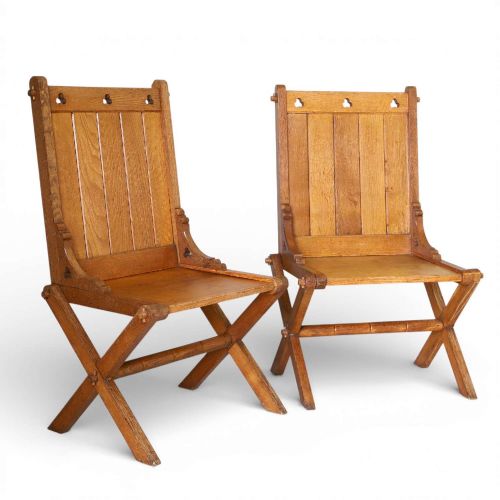
- A nineteenth-century revival of a medieval folding chair design, typically featuring X-framed supports. These pieces often include trefoil cutouts and Gothic architectural motifs.
- High back chair
- A seating form characterised by an elongated vertical backrest designed to keep out drafts. Eighteenth-century examples often utilise turned uprights and sturdy stretchers.
- Gossip chair
- A low-seated chair designed for seated conversation, frequently produced during the early twentieth century. These compact forms suit secondary seating areas.
- Arts and Crafts
- A design movement prioritising traditional craftsmanship and simple forms over industrial mass production. Chairs from this style emphasise exposed oak grain and honest construction.
Early Oak Accent Chair: Frequently Asked Questions
How do I identify a seventeenth century wainscot chair?
Seventeenth century wainscot chairs feature heavy panelled wooden backs, solid oak construction, and mortise and tenon joinery. They stand out through their boxy frames and lack of upholstery.
Later Victorian or twentieth-century revivals often mimic these forms but display machine-cut timber or lighter overall weights.
Where should I place an early oak accent chair?
These robust wooden chairs suit hallways, living rooms, or studies where their historical character can stand out. They function well as standalone statement pieces next to fireplaces or bookshelves.
Pair them with softer textiles or neutral walls to balance the heavy timber presence.
What is a Glastonbury chair?
A Glastonbury chair is a distinctive Gothic Revival form featuring an X-frame base and a sloping panelled back. They often incorporate architectural details like trefoils.
These pieces draw on medieval prototypes popularised during the nineteenth-century revival periods.
Are these chairs comfortable for daily use?
Many early oak accent chairs, particularly wainscot or side chairs, feature rigid wooden seats designed for posture rather than lounging. Reclining armchairs or upholstered variants offer a softer sit.
Adding a small cushion helps adapt firmer antique seating for modern comfort.