





Early Nineteenth Century Box
An early nineteenth century box brings practical elegance to a room, offering tactile historical character through timber and metal.
Early Nineteenth Century Box
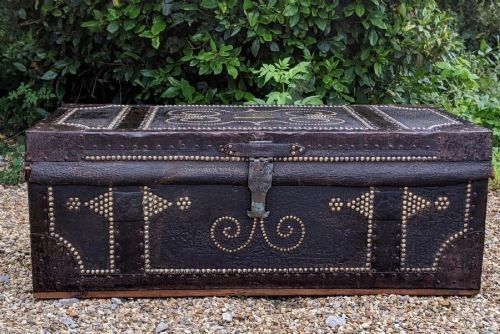
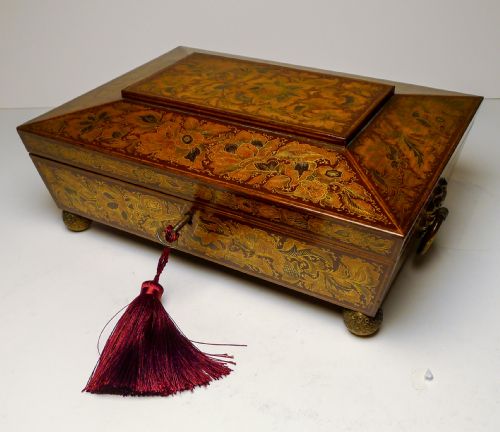
When you search for an early nineteenth century box, you encounter a wide variety of functional containers spanning the Georgian, Regency, and early Victorian periods. These pieces range from small treen snuff boxes and horn mulls to larger mahogany dressing table mirrors, tea caddies, and painted pine seaman's chests.
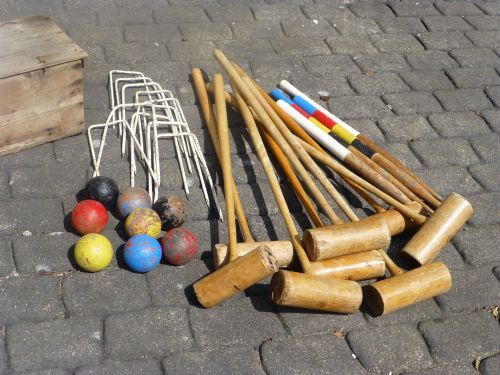
The most common forms on this page include utilitarian storage vessels, games boxes, and sewing tables constructed from dense hardwoods and native fruitwoods. Each object reflects the domestic and maritime needs of the period, combining simple storage with decorative craftsmanship.
Materials and construction methods
These boxes rely on traditional timber construction, utilising solid mahogany, pine, and fruitwood paired with brass mounts and iron hardware. Cabinetmakers employed precise joinery and wood-turning techniques to shape small treen items and larger miniature chests.
Surface ornamentation incorporates bone inlay, tooled leather with gilt brass, and delicate penwork. Maritime and folk art examples feature painted pine surfaces and silver mounts, demonstrating distinct regional British craftsmanship.
Early Nineteenth Century Box Retail Price Guide 2026
Typical asking prices for early nineteenth century box among the pieces listed under this phrase on Sellingantiques today, from the lower quarter to the upper quarter. They describe what is for sale here now, not the wider market.
Assessing quality in early boxes
Quality separates objects by the selection of timber and the precision of decorative inlays such as bone or burr veneers. Superior examples retain original brass mounts, fitted interiors, and crisp surface decoration without later alterations.
Simpler utilitarian pieces derive their appeal from honest wear and original painted finishes, whereas formal Regency and Georgian pieces succeed through balanced proportions and refined cabinet work.
The Early Nineteenth Century Box Glossary
- Treen
- Small handmade wooden household objects. These items showcase the skill of turners working in boxwood, fruitwood, and other dense timbers.
- Teapoy
- A small stand or box designed to hold tea canisters. They frequently feature internal compartments and resting places for mixing tea.
- Snuff mull
- A pocket container for holding snuff, typically fashioned from animal horn and mounted with silver.
- Penwork
- A decorative surface technique using ink to draw intricate patterns onto wood before sealing. It mimics more costly inlay methods.
- Campaign box
- A portable container designed for travel, featuring recessed brass handles and robust corners for military or colonial transport.
Early Nineteenth Century Box: Frequently Asked Questions
What were these boxes used for?
These containers served specific domestic, travel, and social functions, ranging from storing loose tobacco and tea to holding sewing implements and writing materials. Many held personal valuables or functioned as specialised gaming containers.
Larger versions such as seaman's chests and travelling apothecary cabinets accommodated the rigorous demands of transport at sea or during military campaigns.
How do I date an early box?
Dating relies on identifying the underlying timber species, construction joints, and decorative styles associated with Georgian, Regency, or early Victorian periods. Hand-cut dovetails and original brass hardware provide reliable chronological clues.
Stylistic markers such as penwork or specific inlay motifs help narrow the decade of manufacture within the nineteenth century.
How should I clean wood surfaces?
Dust timber surfaces gently with a dry, soft cloth to prevent the accumulation of grit that can scratch old polishes. Avoid modern liquid cleaners and silicone sprays which penetrate the grain and damage the patina.
Apply microcrystalline wax sparingly if the timber appears dry, buffing it gently with a clean cloth to maintain a natural lustre.
Can I use these boxes daily?
Most of these pieces accommodate gentle everyday use provided you handle hinges, locks, and lids with care. Protect antique wood from direct sunlight and sudden humidity changes to prevent warping.
Delicate treen and penwork items deserve cautious handling to preserve fragile surface decorations and bone inlays.