





Early Neoclassical Pedestal
An early neoclassical pedestal brings proportion and classical dignity to a room, supporting lamps, urns and busts with architectural poise.
Early Neoclassical Pedestal
An early neoclassical pedestal takes structural cues from ancient Greek and Roman architecture, bringing columnar forms, classical motifs and balanced proportions into domestic interiors. When searching for an early neoclassical pedestal, buyers encounter columns, plinths and column-form lamp bases that reflect the revival movements of the eighteenth, nineteenth and early twentieth centuries.
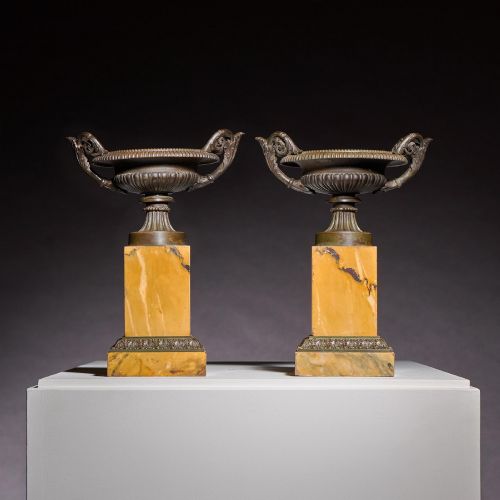
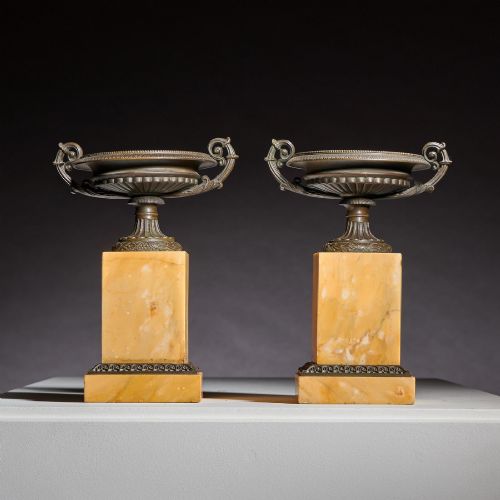
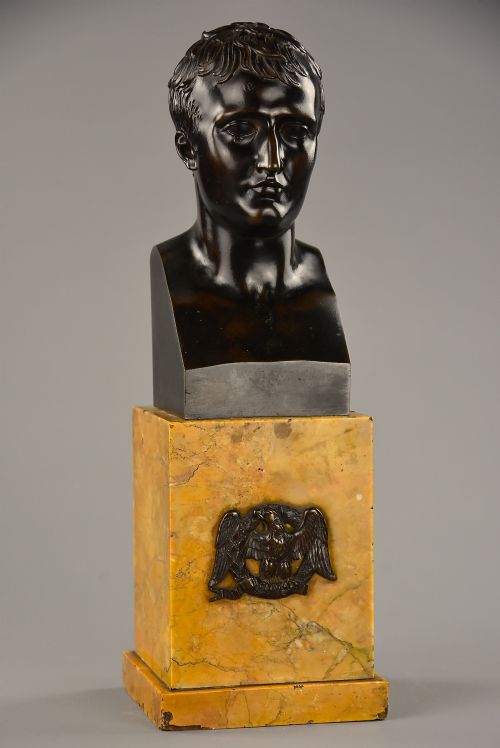
The pieces on this page span several decades, featuring nineteenth-century Grand Tour items alongside Edwardian and early twentieth-century revivals. Materials range from warm Swedish birch and gilt wood to cool marble, alabaster and patinated bronze, mirroring the eclectic tastes of past collectors who sought antiquity for their homes.
Forms vary from monumental display columns and Swedish pedestals to decorative table lamps styled as Corinthian and Doric columns. Buyers frequently find dual expressions of the style, where utilitarian objects like desks and lamps adopt classical column geometry.
How they were made
Traditional masonry and metalworking techniques define these pieces, using carved marble, cast bronze, alabaster and detailed gesso on wood. Artisans shaped hard stones by hand and cast bronze elements using traditional methods, achieving crisp fluting and acanthus leaf details on column shafts.
Woodworking traditions contribute rich veneers such as Swedish birch alongside carved gilt wood, while brass and cast iron provide sturdy foundations for classical table lamps. The combination of patinated metals with polished stone highlights a dedication to material contrast and tactile surface quality.
Early Neoclassical Pedestal Retail Price Guide 2026
Typical asking prices for early neoclassical pedestal among the pieces listed under this phrase on Sellingantiques today, from the lower quarter to the upper quarter. They describe what is for sale here now, not the wider market.
Listings feature items from the eighteenth, nineteenth and early twentieth centuries, spanning periods from the Edwardian era to the 1930s.
What varies in quality
The refinement of the carving separates exceptional examples from ordinary ones, particularly in the crispness of acanthus capitals, fluted columns and cast bronze mounts. Superior pieces display harmonious proportions and careful selection of veined marble or figured birch veneers that enhance the classical silhouette.
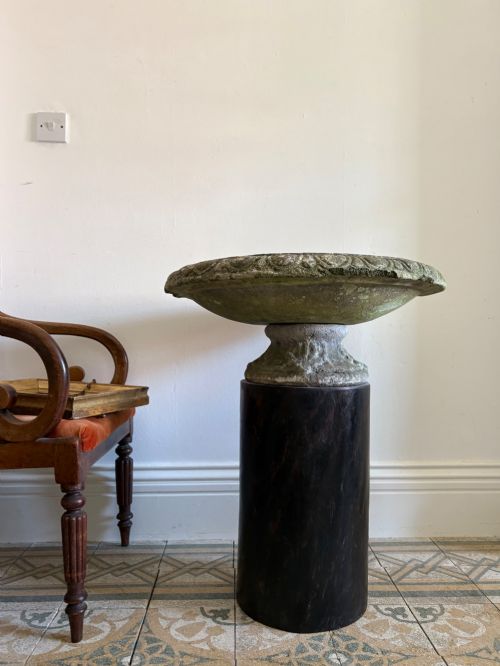
Weight and material density signal superior construction, notably in solid bronze tazzas, heavy alabaster lamp bodies and substantial cast stone garden planters. The integration of structural supports and the preservation of original patination dictate the lasting appeal of each piece.
The Early Neoclassical Pedestal Glossary
- Grand Tour
- A traditional educational trip undertaken by wealthy young Europeans to visit cultural sites in Italy, collecting classical souvenirs such as bronze tazzas and marble busts. These items often served as focal points in domestic displays.
- Corinthian Column
- A classical column style distinguished by ornate capitals decorated with rows of carved acanthus leaves. This motif appears frequently on nineteenth and early twentieth-century table lamps.
- Gueridon
- A small French occasional table, often supported by a central column or figures with classical detailing such as ram heads. They bridge the gap between furniture and sculptural display.
- Gesso
- A plaster-based mixture applied to wood surfaces and carved or moulded to create intricate gilt decorative details. It forms the ornamented base layers for gilded wooden objects.
Early Neoclassical Pedestal: Frequently Asked Questions
Where should I place a pedestal?
These pieces suit corners, entryways or focal points in a room where they can support sculptures, urns or lamps without obstructing movement.
Ensure the height and weight capacity match the object you intend to display on top.
How do I care for marble surfaces?
Dust marble and alabaster gently with a soft, dry cloth and avoid acidic cleaning agents that can etch the polished stone.
Keep natural stone pieces away from excessive moisture and direct heat sources to preserve the finish.
What is an Empire revival piece?
Empire revival items draw inspiration from the early nineteenth-century French Napoleonic style, emphasising grandeur, symmetry and classical architectural elements.
Swedish interpretations often utilise pale birch wood alongside these monumental forms.
Are these items antique or revival?
The inventory includes nineteenth-century originals from the Grand Tour era alongside early twentieth-century revivals produced in Edwardian workshops.
Materials, construction methods and patination help distinguish between original period pieces and later revivals.