

Early Lighting
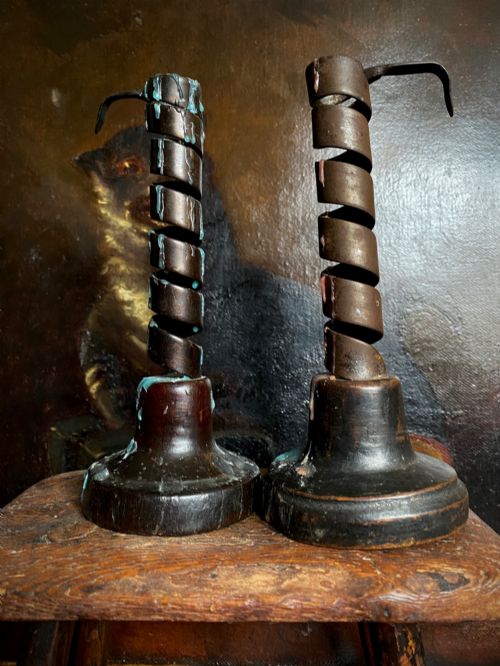
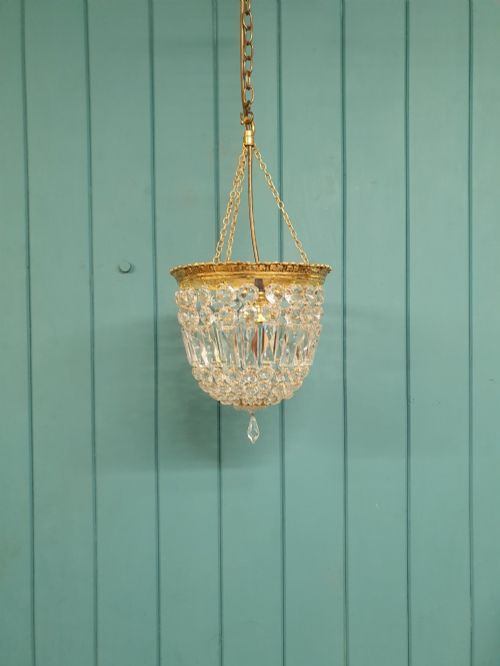
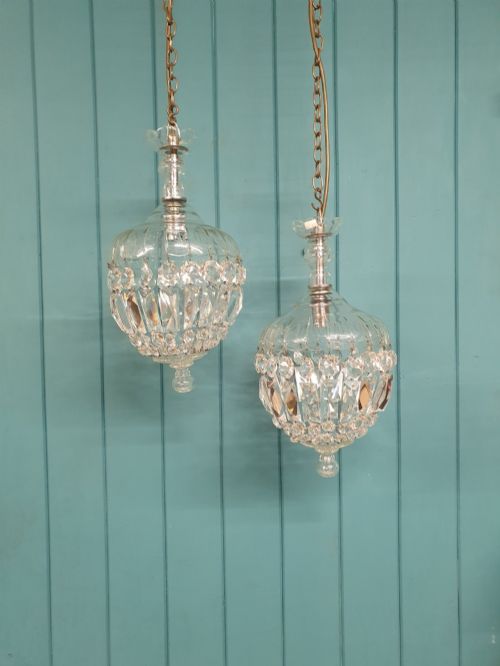
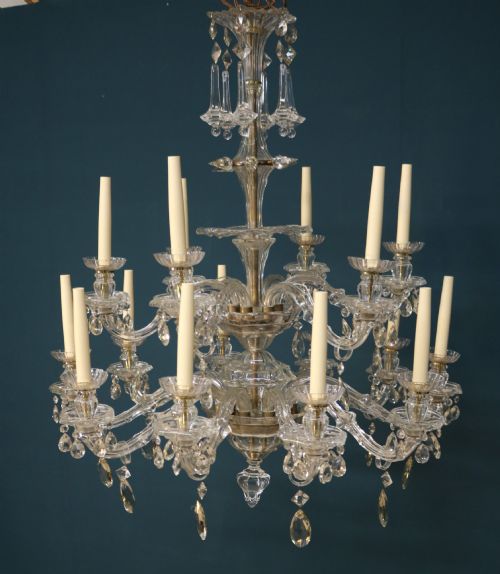
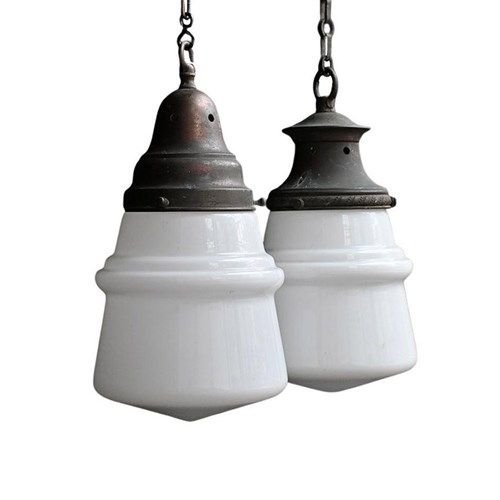
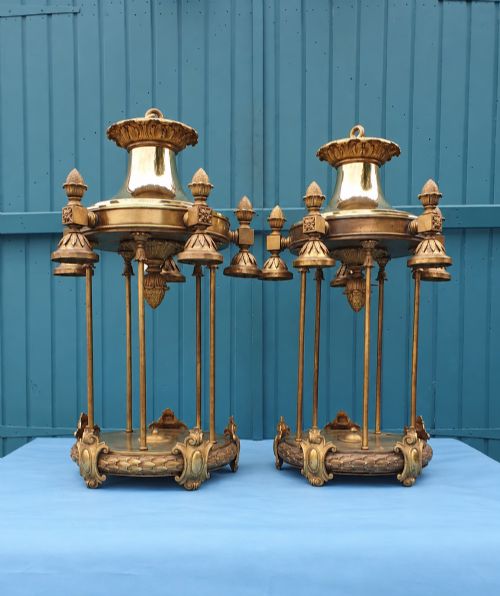
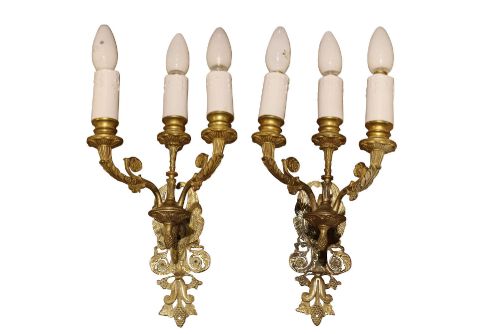
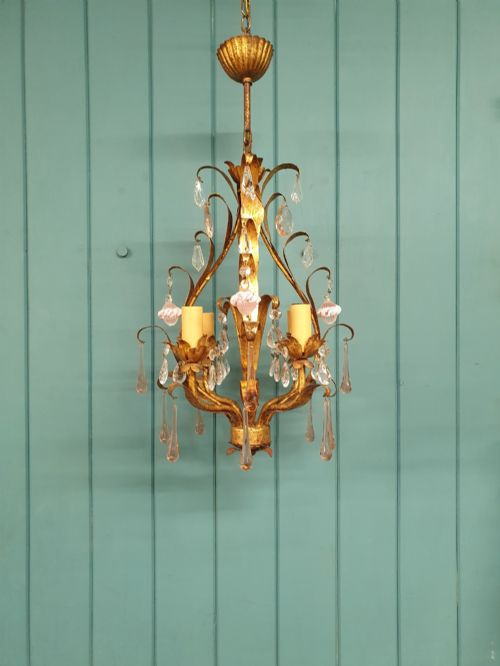
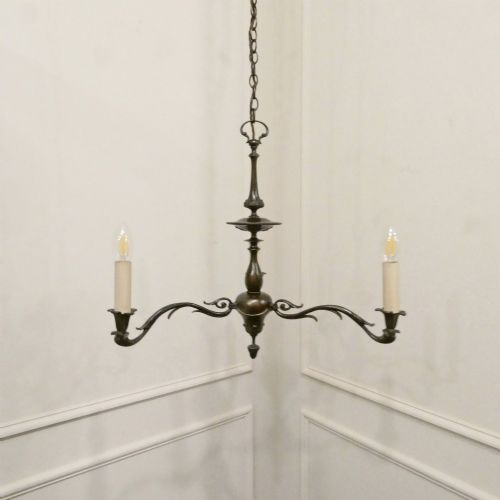
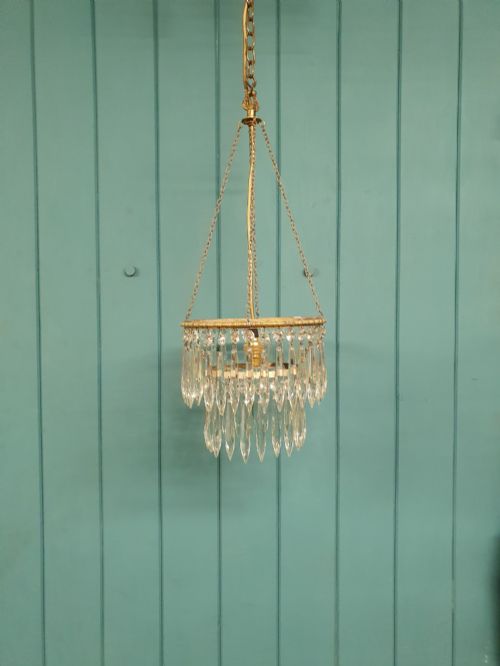
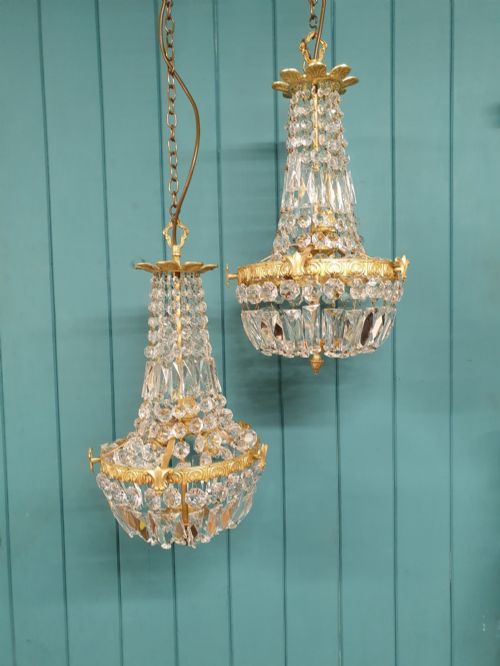
When you search for early lighting, you encounter period fixtures that bring genuine historical character and illumination to interiors.
Early Lighting
When searching for early lighting, you are looking at period fixtures spanning from the eighteenth century through to the early decades of the twentieth century. The selections available on this page lean heavily towards early twentieth-century items, including Edwardian designs and pieces from the nineteen-twenties and thirties.
Origins and styling vary significantly across the inventory, reflecting both domestic workshops and continental influences. Pieces draw on historical revivals like the Gothic style and Dutch Baroque alongside industrial designs.
How they were made
The physical construction of these pieces relies predominantly on metals such as brass, cast brass, bronze, copper, and iron, often paired with glass elements. Workshops utilised cut glass, crystal, and fabric to diffuse or reflect light effectively.
Wooden components appear frequently, utilising oak and maple alongside bamboo for structural bases and frames. Other regional materials include alabaster, tole peinte, and stoneware, demonstrating the diverse material palette employed by period makers.
Early Lighting Retail Price Guide 2026
Typical asking prices for early lighting among the pieces listed under this phrase on Sellingantiques today, from the lower quarter to the upper quarter. They describe what is for sale here now, not the wider market.
Seated Arab lamp figures watch over rooms with eternal calmness.
What varies in quality
Quality in these items is determined by the crispness of casting in metalwork and the clarity of glass or crystal components. Heavier cast brass frames and hand-cut crystal prisms represent a higher tier of manufacturing than simpler stamped alternatives.
The integrity of secondary materials, from fine timber framing to hand-painted details on ceramic or metal surfaces, distinguishes standard production from finer workshop outputs. Retention of original components and labels further elevates an item's standing.
Franz Bergman·Heals·Royal Doulton·Dugdill
The Early Lighting Glossary
- Chandelier
- A branched ceiling-mounted lighting fixture designed to hold multiple lamps or candles. These pieces often feature glass crystals or decorative metal arms.
- Pendant light
- A hanging light fixture that suspends from the ceiling by a cord, chain, or metal rod. They concentrate illumination downwards onto specific areas.
- Sconce
- A wall-mounted light fixture that uses brackets to support candles or electric bulbs. Historical examples often incorporate reflective backplates.
- Cut glass
- Glass decorated by grinding facets or patterns into the surface using a rotating wheel. This technique enhances the sparkle and light refraction of chandeliers and pendants.
- Tole peinte
- Painted tin or metalware originating from France, often decorated with floral or pastoral motifs. It provides colourful contrast in decorative lanterns and lamps.
Early Lighting: Frequently Asked Questions
How do I wire old lamps?
Period lamps and lanterns generally require modern rewiring to meet current safety standards before use in a home. A qualified electrician can replace old internal cables while preserving the external historical components.
Most metal and ceramic bodies allow new flex to be threaded safely through existing channels without altering the visible exterior of the piece.
Where should I hang chandeliers?
Chandeliers suit spaces with sufficient ceiling height to allow clearance underneath, such as above dining tables or in entrance hallways. Smaller spike or tent chandeliers also work effectively in bedrooms or smaller reception rooms.
Ensure the weight of the fixture matches the structural capacity of your ceiling before hanging any heavy brass or crystal piece.
How do I clean crystal drops?
Crystal and cut glass elements benefit from careful hand cleaning with a mild soapy solution and a soft cloth. Removing the drops individually allows thorough access to intricate facets without straining the surrounding metal frame.
Avoid harsh chemical cleaners that can damage vintage lacquering or patination on brass and bronze mountings.
What defines Edwardian lighting?
Edwardian lighting reflects the decorative tastes of the early twentieth century, favouring lighter proportions and refined classical details. These pieces often combine polished brass with simpler glass shades compared to heavier Victorian designs.
The style bridges late nineteenth-century ornamentation with the cleaner lines that emerged before the First World War.