


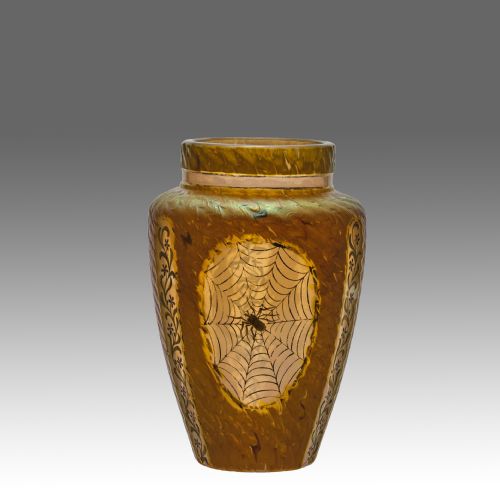


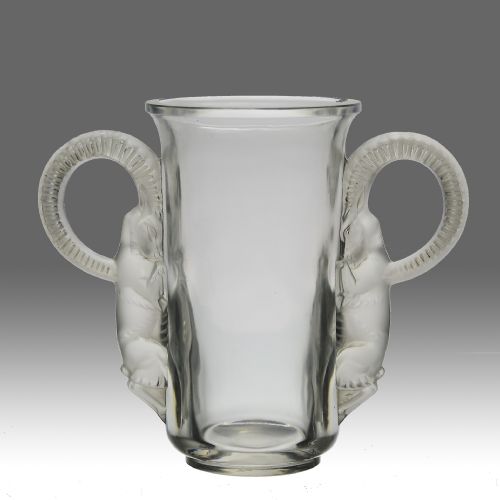


Early Glass Vessel
An early glass vessel brings centuries of tactile craft to a room, catching light through lead, cameo, and iridescent layers.
Early Glass Vessel
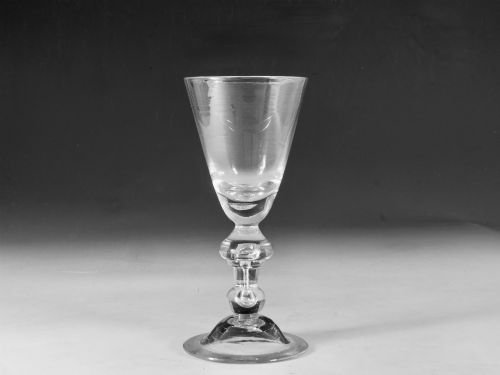
An early glass vessel encompasses everything from ancient Roman unguentaria and Georgian baluster wine glasses to Art Nouveau cameo vases and early twentieth-century apothecary carboys. Buyers searching this phrase meet an assortment spanning pre-sixteenth century antiquities up to the modernist output of the nineteen-thirties.
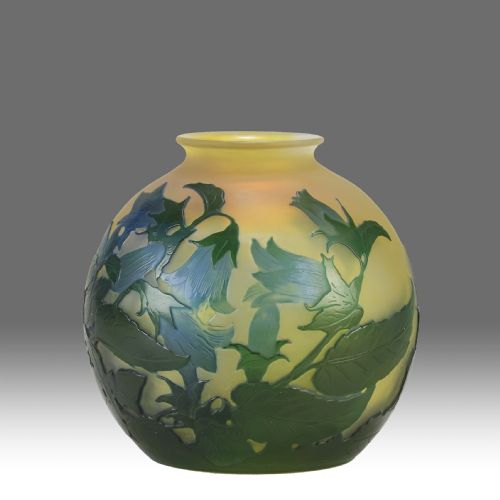
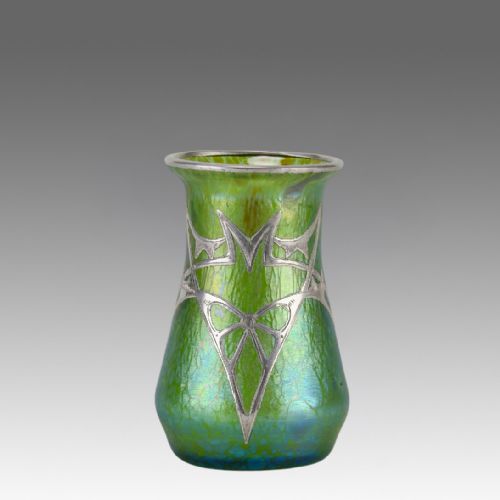
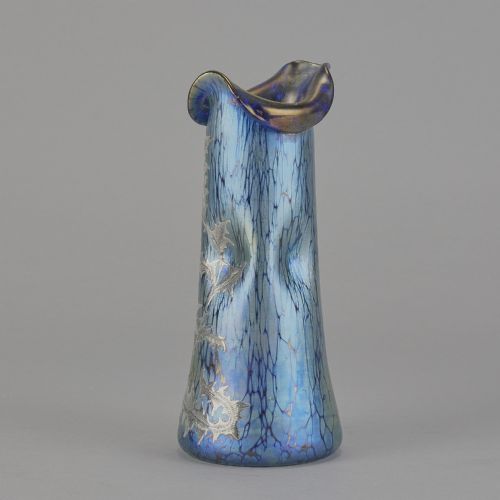
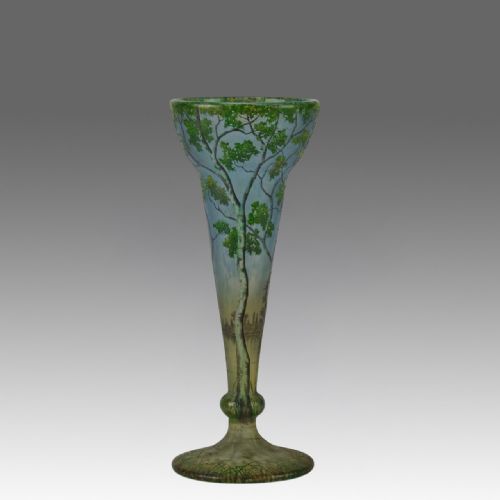
The most frequent encounters on this page lean heavily towards early twentieth-century European production, particularly Art Nouveau and Secessionist works from makers utilising iridescent and cameo techniques. Alongside these decorative vases sit functional drinking vessels and tablewares from the Georgian era and nineteenth century.
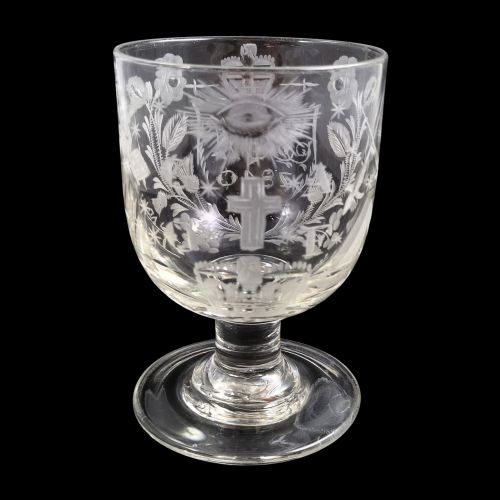
Forms vary wildly between domestic, scientific, and decorative purposes, including rummers, mustard pots, tankards, dram glasses, and large carboys. Each piece records the specific glasshouse traditions and aesthetic movements of its period, whether maritime folk art or Biedermeier design.
Materials and construction
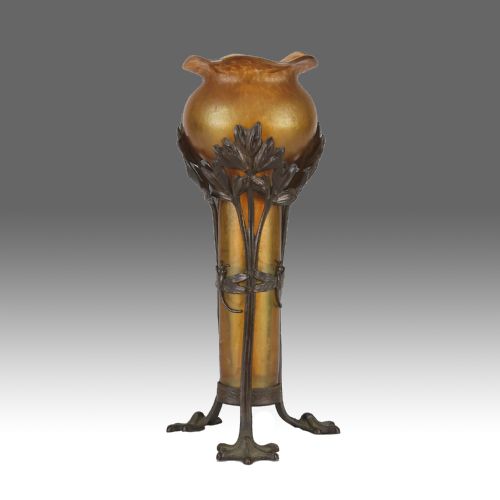
Makers shaped these objects primarily from lead glass, white opal glass, and various formulated coloured matrices, sometimes combining them with sterling silver mounts or bronze casings. Techniques ranged from free-blowing and moulding to complex multi-layered cameo cutting and acid etching.
Decoration relied on applied elements such as blue stripes, enamel painting, engraving, and silvered iridescence achieved through metallic vapour treatments. Workshops also integrated organic forms and structural metal mounts directly into the hot glass during the manufacturing process.
Early Glass Vessel Retail Price Guide 2026
Typical asking prices for early glass vessel among the pieces listed under this phrase on Sellingantiques today, from the lower quarter to the upper quarter. They describe what is for sale here now, not the wider market.
Someone spent hours carefully placing a three-mast sailing ship inside a narrow bottle during the early twentieth century.
Evaluating craftsmanship
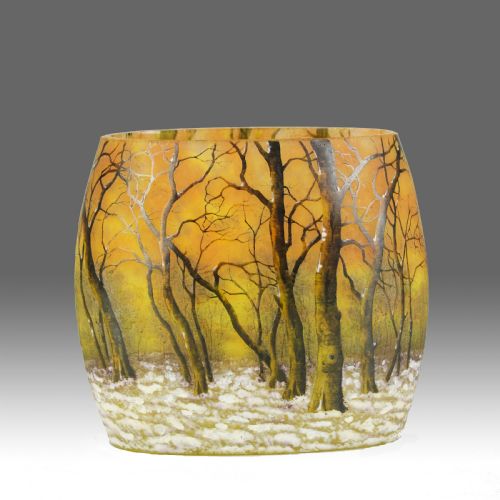
Quality reveals itself in the handling of the material, from the optical purity and weight of lead glass to the precision of acid-etched cameo layers on Gallé and Daum pieces. Superior examples demonstrate confident free-blown forms and deliberate wall thickness rather than heavy, clumsy casting.
The finesse of secondary elements dictates the distinction between standard production and exceptional studio output, such as the execution of bronze mounts, hand-engraved armorial details, or controlled iridescent effects found in Loetz and Kralik vessels.
Emile Gallé·Daum Frères·Johann Loetz·Kralik Glass·René Lalique
The Early Glass Vessel Glossary
- Cameo glass
- A vessel formed of multiple layers of differently coloured glass fused together, where the outer layer is carved or acid-etched away to leave a raised design. This demanding technique saw a major revival during the Art Nouveau period.
- Iridescent glass
- A finish exhibiting rainbow-like shifting colours, created by treating the hot glass surface with metallic salts and reducing atmospheres. Loetz and Kralik mastered this technique to mimic natural phenomena.
- Baluster glass
- A drinking vessel featuring a stem shaped like an architectural baluster, typical of Georgian lead-glass production. These stems often contain internal air bubbles or knops.
- Carboy
- A large, rigid glass bottle traditionally used for holding liquids safely, often housed in protective framing. In apothecary contexts, these served as striking window displays.
- Unguentarium
- A small ancient glass vessel designed to hold oils, perfumes, or unguents, frequently recovered from archaeological contexts. These specimens display characteristic weathering and iridescence from centuries underground.
Early Glass Vessel: Frequently Asked Questions
What is an early glass vessel?
An early glass vessel is any container, bottle, or piece of glassware produced before the mid-twentieth century, ranging from ancient Roman toilet bottles to Georgian tavern glasses and Art Nouveau studio vases.
These pieces reflect the technological limits and artistic ambitions of their respective eras, utilising techniques like lead-blown forming, cameo carving, and chemical iridescence.
How do I date an early glass vessel?
Dating relies on observing manufacturing marks, pontil scars on the base, stylistic traits of the period such as Art Deco geometry or Georgian baluster stem forms, and the specific material composition.
Consulting historical records of known glasshouses like Loetz or Daum further helps narrow down the decade of production.
How were antique glass vessels used?
Uses varied entirely by form, encompassing domestic dining items like dram glasses, rummers, and mustard pots, alongside scientific storage in apothecary carboys and personal use in perfume unguentaria.
Many decorative vases were made purely for display, intended to showcase the technical skill and artistic modernity of the maker in a formal interior.
How should I display early glass at home?
Early glass vessels thrive in natural light that can pass through their coloured, iridescent, or cameo layers, making windowsills or illuminated shelving ideal locations.
Keep pieces away from high-traffic areas or unstable surfaces where accidental knocks might occur, ensuring stable placement for heavier items like bronze-mounted vases and carboys.