








Early Glass Stemware
These early glass stemware pieces bring tangible weight and historic character to the table, offering a direct link to Georgian and Victorian dining traditions.
Early Glass Stemware
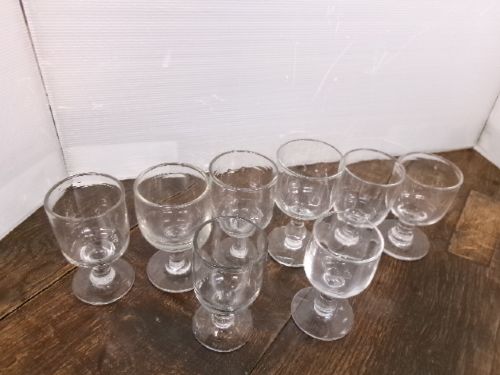
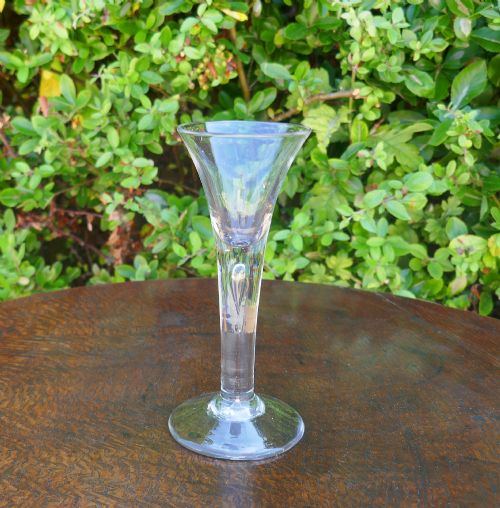
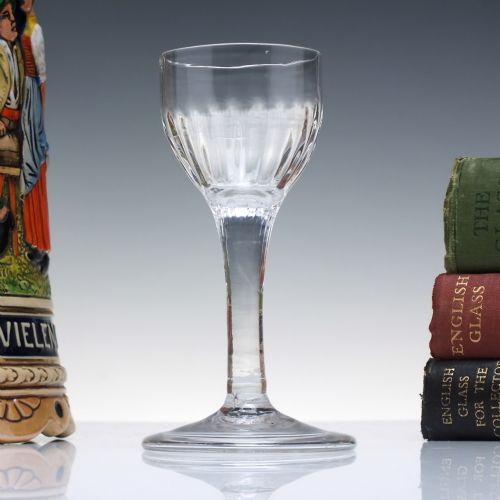
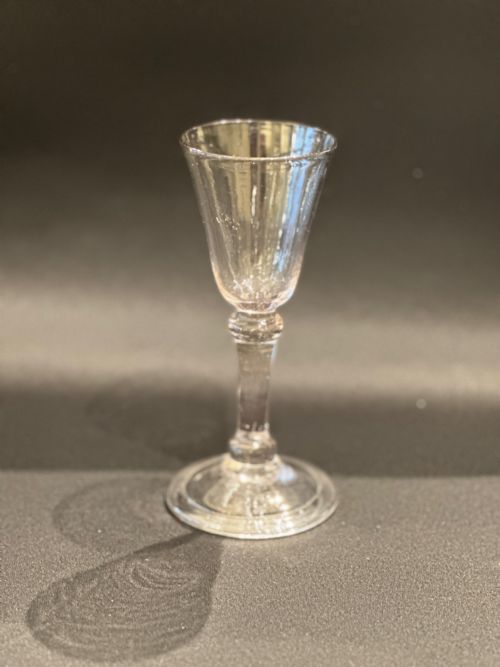
When you search for early glass stemware, you are looking at drinking vessels, rummers, and wine glasses spanning the Georgian, Regency, and early Victorian periods. These pieces include substantial baluster wine glasses, delicate dram glasses, and sturdy engraved rummers.
The most common forms you will encounter on this page are eighteenth-century baluster and balustroid wine glasses, alongside nineteenth-century rummers and sherry glasses. They originate predominantly from English and continental workshops, displaying distinct stylistic evolutions from the Queen Anne era onward.
Object types range from tall goblets and pedestal gin glasses to small wine glasses with folded feet and ribbed bowls. Each piece demonstrates the heavy handle and characteristic metal of early lead glass manufacture.
Materials and construction
These items are predominantly formed from lead glass, flint glass, and lead crystal, which provided the heavy, refractive quality sought by early makers. Soda glass and green glass also appear, particularly in continental examples such as the Liege wine glasses.
Makers utilised free-blowing and mould-blowing techniques, incorporating structural elements like baluster stems, folded feet, and basal bubbles. Rummers and baluster wine glasses often feature air bubbles trapped intentionally within the heavy stems during manipulation.
Early Glass Stemware Retail Price Guide 2026
Typical asking prices for early glass stemware among the pieces listed under this phrase on Sellingantiques today, from the lower quarter to the upper quarter. They describe what is for sale here now, not the wider market.
Listings span Georgian, Regency, and Victorian periods, utilising lead glass, flint glass, and green glass.
Assessing quality
Quality rests on the integrity of the metal, the balance of the proportions between bowl, stem, and foot, and the crispness of any engraved decoration. Superior pieces display deep metal resonance, clear colour without excessive clouding, and confident handling of the molten material.
The presence of characteristic manufacturing traits, such as folded feet, ribbing, or trapped air bubbles, distinguishes finer examples. Collectors look for substantial weight in the hand and harmonious design appropriate to the specific decade of manufacture.
The Early Glass Stemware Glossary
- Baluster
- A heavy, thick stem form characterised by swelling knops, common in early eighteenth-century English wine glasses. It evolved from architectural stone supports into a distinctive glassmaking shape.
- Balustroid
- A slender variation of the traditional baluster stem, possessing a lighter knop above a plain lower stem. This style bridges the heavier Queen Anne forms and later lighter vessels.
- Folded foot
- A rim turned underneath the base of a glass to provide extra strength and weight. This technique is frequently seen on eighteenth-century pieces to prevent chipping.
- Rummer
- A large, heavy drinking glass popular in the late eighteenth and nineteenth centuries for serving wine, punch, or ale. They often display bucket bowls and short stems.
- Metal
- The specific glass composition used by the maker, encompassing lead glass, flint, and soda variants. High lead content produces greater brilliance and heft.
Early Glass Stemware: Frequently Asked Questions
Can I use these glasses for daily dining?
You can use sturdy nineteenth-century rummers or sherry glasses for occasional dining, provided you handle them with care.
Delicate eighteenth-century baluster glasses are better reserved for careful use or display due to their age and historical value.
What does a folded foot indicate?
A folded foot indicates an earlier method of strengthening the base of the vessel against chipping during daily use.
This technique appears frequently on pieces from the early eighteenth century and helps verify period authenticity.
How do I tell an 18th-century glass from a 19th-century one?
Eighteenth-century examples often feature heavier baluster stems, pontil scars, and darker lead metal with tactile imperfections.
Nineteenth-century rummers and sherry glasses tend to have cleaner metal, polished pontils, and more standardised shapes associated with industrial production.