


Early Glass Bottle
An early glass bottle carries the weight of centuries in its heavy, uneven walls, offering a tangible link to past laboratories, voyages and dressing tables.
Early Glass Bottle
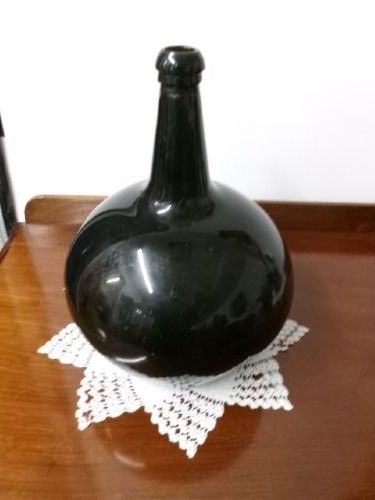
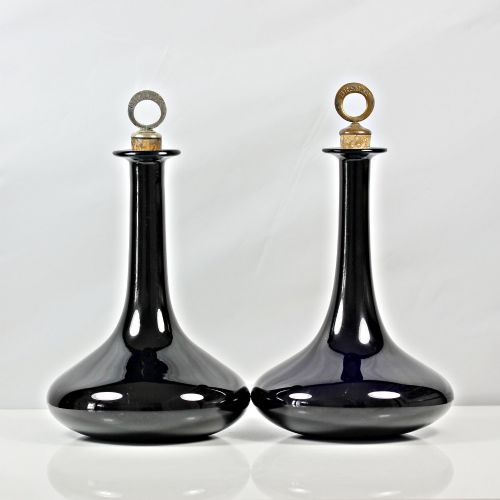
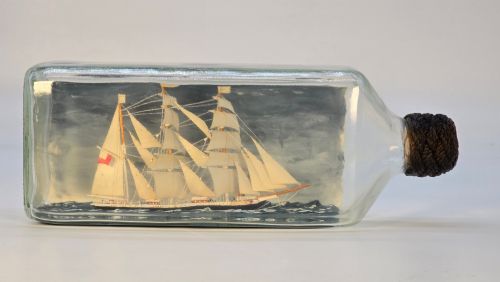
When you search for an early glass bottle, you encounter a diverse array of utilitarian and decorative vessels spanning the Georgian, Victorian and early twentieth-century periods. These range from heavy apothecary carboys and onion bottles to delicate scent bottles, decanters and chemical jars.
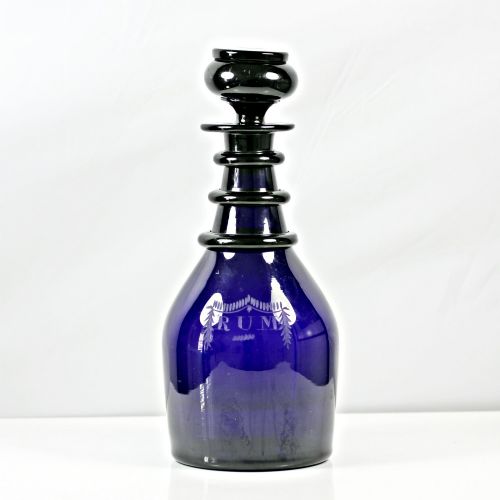
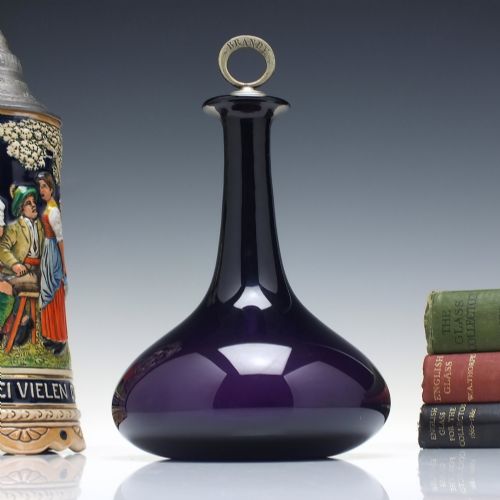
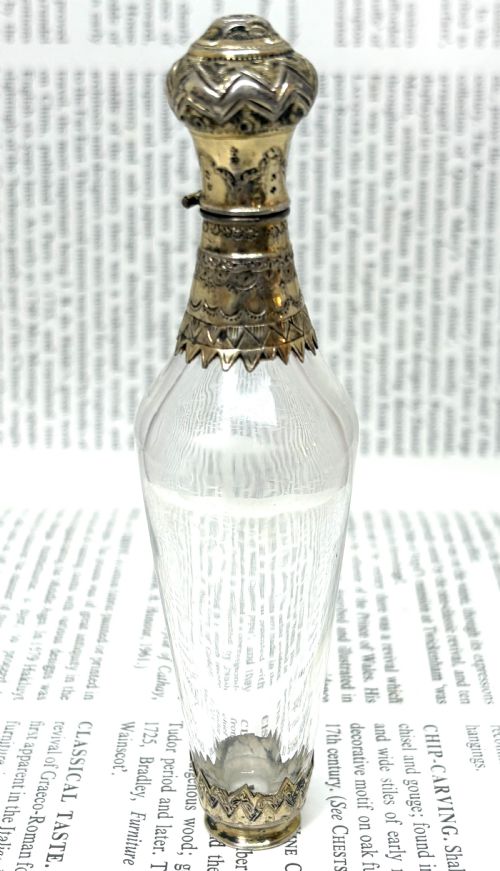
The versions you are most likely to meet on this page include nineteenth-century apothecary and spirit containers, alongside cut glass perfume globes and decorative serving bottles fashioned from deep green, amber or Bristol blue glass.
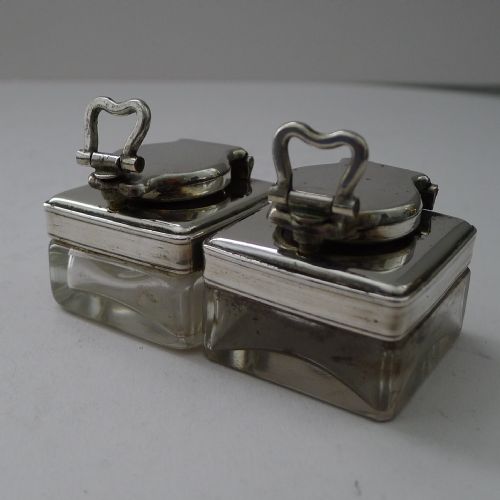
Beyond standard vessels, the selections occasionally embrace specialised forms such as travel inkwells, communion sets and ancient Roman unguentaria, demonstrating the vast functional scope of early glasswork.
Materials and Craftsmanship
The pieces recorded in the listings rely fundamentally on glass as a primary medium, frequently paired with supportive and decorative elements such as sterling silver, metal mounts, cork stoppers and wooden travel cases.
Techniques range from free-blown and mould-blown glass formation to intricate cutting, silver overlay, and gilding, often finished with painted details or framed within velvet interiors.
Accessory materials like bronze casings, tortoiseshell and gold leaf elevate certain utilitarian glass containers into luxury objects designed for personal travel or elite domestic use.
The listings span multiple centuries, incorporating nineteenth-century apothecary jars alongside early twentieth-century perfume bottles and ancient Roman glass.
Assessing Quality and Character
Quality in these vessels rests upon the depth of colour in the glass, the clarity of hand-cut facets, and the integrity of any precious metal mounts or fitted leather and mahogany cabinetry.
Superior examples display weight, symmetry and authentic age-related surface characteristics like pontil marks and bubble inclusions, distinguishing them from later, mass-produced reproductions.
The Early Glass Bottle Glossary
- Apothecary carboy
- A large glass vessel historically used in shop windows to signal the premises of a chemist or apothecary.
- Bristol blue
- A deep cobalt blue glass traditionally produced in Bristol during the late eighteenth and nineteenth centuries.
- Mell decanter
- A specific bottle shape featuring a rounded body and a tapering neck, often utilised for serving rum or spirits.
- Unguentarium
- A small ancient glass vial or bottle designed to hold oils, perfumes, or unguents, frequently recovered from archaeological contexts.
- Pontil mark
- The rough scar left on the base of a hand-blown glass vessel where the pontil rod was snapped away after shaping.
Early Glass Bottle: Frequently Asked Questions
How do I clean an old glass bottle?
Cleaning requires patience and gentle handling to preserve the delicate interior residue and aged patina built up over decades or centuries.
Avoid harsh scrubbing agents and mechanical brushes that might scratch the soft, historical glass or damage fragile silver mounts.
Can I use these decanters for serving wine?
Many of these historical decanters and serving bottles remain entirely functional for holding and pouring wine or spirits today.
Inspect the interior for stubborn staining or sediment before use, and ensure any original cork stoppers remain hygienic and secure.
How do I identify the age of a glass bottle?
Dating relies heavily on observing manufacturing traits such as base pontil marks, seam lines, and the specific depth and hue of the glass.
Contextual clues like accompanying silver hallmarks, wooden travel cases, or style periods further narrow down the decade of production.
Were all these bottles made in Britain?
While many examples originate from British workshops and domestic makers, the selections also include continental pieces from France alongside ancient Roman artefacts.
Examining the specific listing details reveals the distinct geographic origin and historical context associated with each individual vessel.