

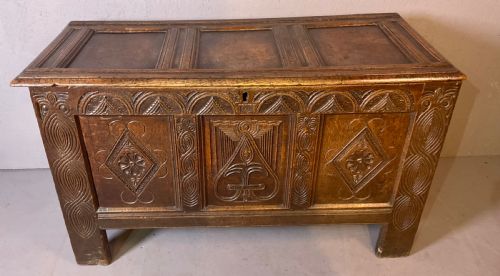


Early English Oak Box
An early english oak box brings sturdy timber and centuries of domestic utility directly into modern rooms.
Early English Oak Box
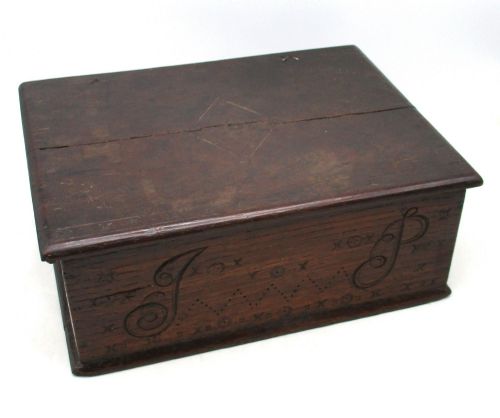
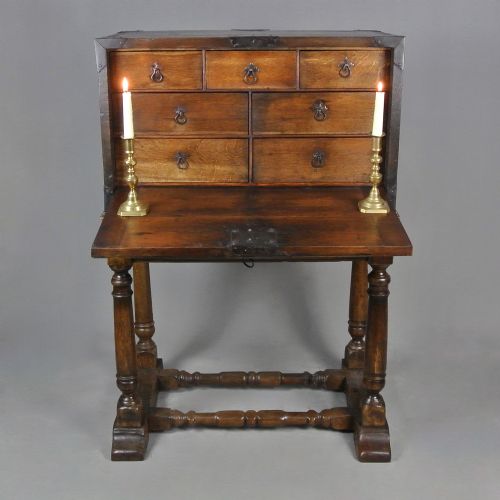
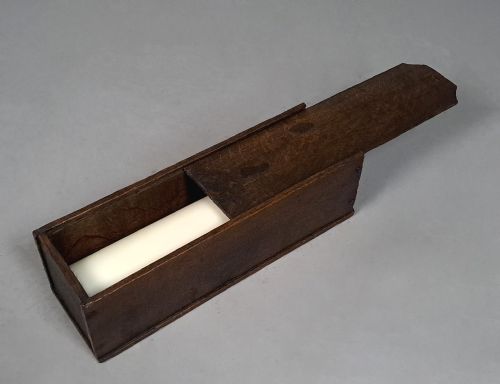
When you search for an early english oak box, you encounter functional receptacles spanning the sixteenth, seventeenth, and early eighteenth centuries. These pieces encompass smaller writing desks, document holders, bible repositories, and candle containers alongside larger coffers and chests.
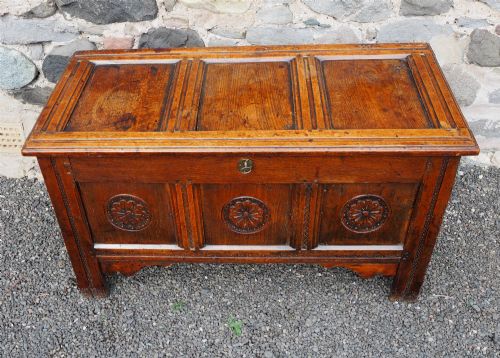
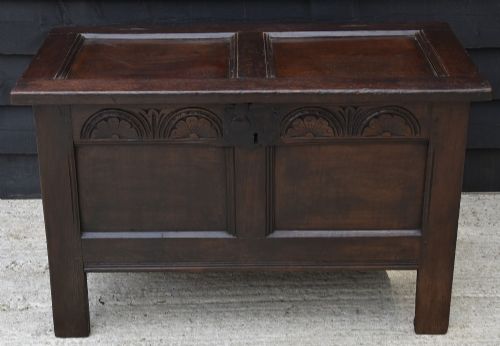
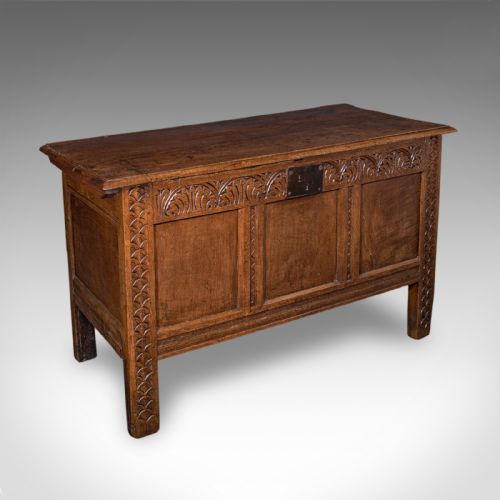
The version you are most likely to meet on this page is a seventeenth-century oak coffer or small panelled box. Such items served households for secure storage before fitted cabinetry became common in domestic interiors.
Construction and materials
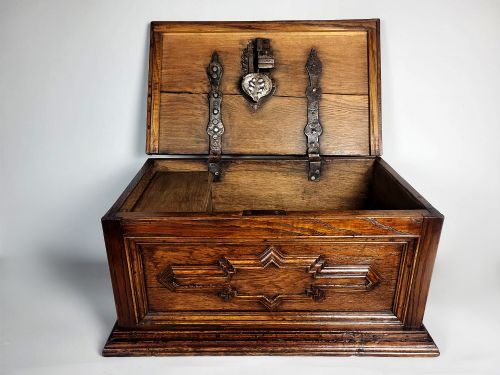
Carpenters built these objects primarily from solid oak, sometimes combining walnut or incorporating iron, wrought iron, and steel for hinges, straps, and complex locks. Joinery relied on traditional methods including five-plank construction and panelled frames.
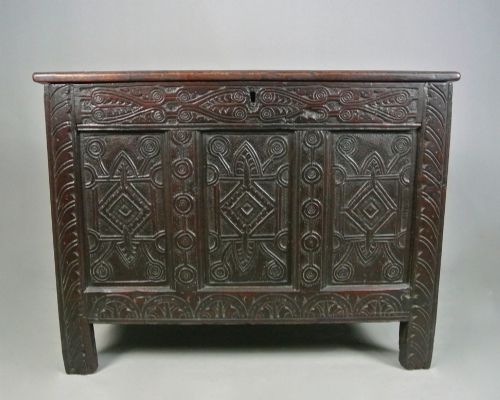
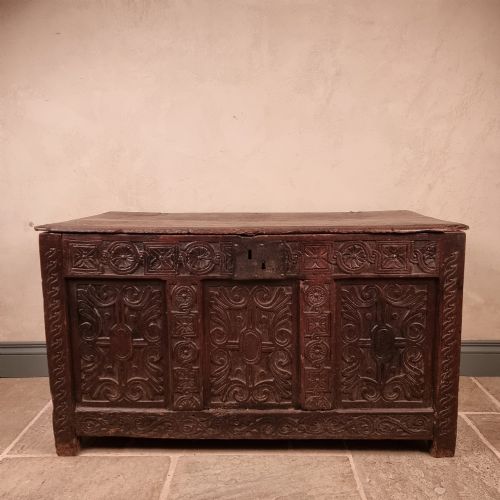
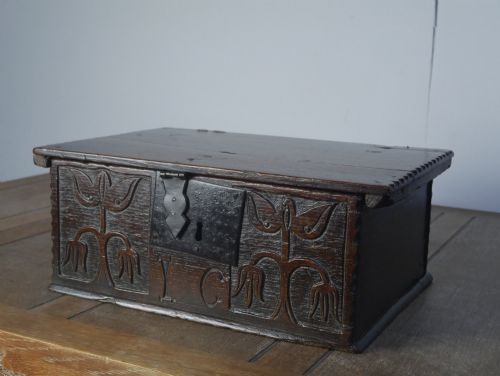
Surfaces often display carved decoration, linenfold motifs, or arcading executed with simple chisels and gouges. Metalwork components such as original locks and brackets provide structural reinforcement and security.
Materials across these listings span solid oak, walnut, iron, wrought iron, and steel.
Assessing quality in early boxes
Quality rests upon the integrity of the original timber and the crispness of the hand-carved details. Pieces retaining their original iron hardware and complex locking mechanisms hold higher regard among collectors.
Proportions and surface patination also distinguish superior examples. Retaining untouched board surfaces without extensive modern timber replacement marks a finer survival from these early periods.
The Early English Oak Box Glossary
- Coffer
- A heavy wooden chest used historically for storing valuables, linen, or documents. These storage pieces often feature panelled construction and hinged lids.
- Linenfold
- A style of carved wooden panelling that resembles folded linen fabric. This decorative motif appears frequently on sixteenth-century panels.
- Five plank
- A simple form of box or chest constructed from five boards joined at the edges. Carpenters secured the joints using pegs or dovetails before nail usage became widespread.
- Arcaded
- A decorative series of arches carved into wooden panels or friezes. This classical architectural detail appears on seventeenth-century English woodwork.
- Safe box
- A reinforced storage container fitted with complex steel locks and iron straps. These secure boxes protected documents and valuables from theft.
Early English Oak Box: Frequently Asked Questions
What were early oak boxes used for?
Households utilised these sturdy receptacles to safeguard valuable documents, family bibles, and personal items. Smaller examples held candles or writing equipment.
Larger variants doubled as blanket chests or seating benches within panelled rooms before dedicated furniture took their place.
How can I tell a sixteenth-century box from a seventeenth-century one?
Sixteenth-century examples frequently exhibit heavy plank construction or linenfold carving characteristic of the Tudor and Elizabethan eras. Iron strapwork and simple hinges also predominate in this early period.
Seventeenth-century pieces introduce framed panel construction, geometric mouldings, and arcaded motifs reflecting Jacobean and Charles II styles.
Are original locks common on these boxes?
Original iron and steel locks survive on selected pieces, particularly those designated as safe or strong boxes. These mechanisms often involve complex internal levers.
Many surviving boxes have replacement hardware or lack their original keys due to centuries of domestic use.
How should I care for an antique oak box?
Maintain stable humidity levels and avoid placing the timber near direct heat sources or strong sunlight. These precautions prevent wood splitting and shrinkage.
Apply a traditional beeswax polish sparingly to nourish the grain and preserve the historic surface patination.