


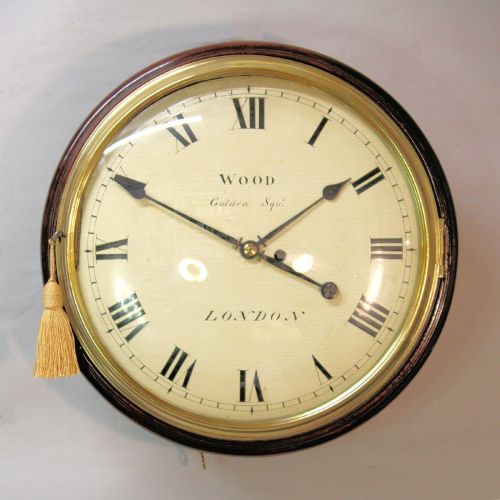
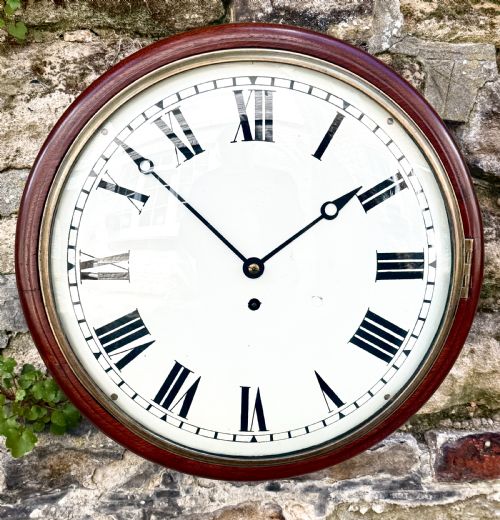

Early English Brass
Early English brass brings domestic history into the room, spanning simple candleholders and utilitarian vessels shaped by centuries of use.
Early English Brass
Buyers seeking early english brass encounter items spanning the seventeenth through the early twentieth centuries, rooted in utilitarian domestic hardware and lighting. The selection on this page relies heavily on candlesticks, table lamps, and vessels dating from the eighteenth century onwards.
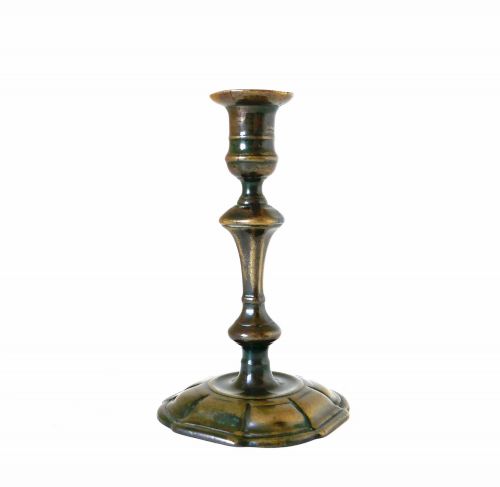
These survivors demonstrate how metalwork adapted to changing interior fashions, moving from simple single patinated candlesticks to later Arts and Crafts lighting fixtures. Each form reflects the domestic habits and manufacturing capacities of its specific period.
Materials and construction methods
Cast brass formed the backbone of early lighting and utilitarian objects, often finished with hand-patination or polishing that highlights the metal's natural tone. Makers utilised traditional casting and spinning techniques suited to each period, resulting in robust structures designed for daily service.
Associated materials appear alongside the metal in domestic lighting and accessories, incorporating glass shades or iron components where structural strength required them. The combination of durable brass with patinated surfaces creates the characteristic appearance recorded in these listings.
Early English Brass Retail Price Guide 2026
Typical asking prices for early english brass among the pieces listed under this phrase on Sellingantiques today, from the lower quarter to the upper quarter. They describe what is for sale here now, not the wider market.
An eighteenth-century apothecary mortar and pestle sits quietly among the clocks, ready for centuries-old remedies.
Separating ordinary items from superior examples
Quality in early english brass rests upon the crispness of casting detail and the integrity of the surface finish over centuries of handling. Superior pieces retain their original proportions and patination without excessive cleaning or modern replacement parts.
The weight of the metal and the precision of assembly distinguish utilitarian work from finer decorative items produced by established makers. Construction that respects period techniques ensures the piece maintains its historical character.
WAS Benson·John Waller·Benj Reeves·Richard Rooker·Nathaniel Pyne
The Early English Brass Glossary
- Patina
- The surface sheen and colour developed by brass through age and handling. This natural layer provides evidence of authenticity.
- Fusee
- A conical pulley used in clock movements to maintain an even pull on the mainspring. This mechanism dates many high-grade timepieces.
- Arts and Crafts
- A design movement valuing handcraft and honest materials over mass production. Pieces from this style often display simpler, purposeful forms.
- Candlestick
- A portable holder designed to support a wax or tallow candle. Early examples show distinct casting seams and base weights.
Early English Brass: Frequently Asked Questions
How do I clean early brass?
Surface dust should be removed with a soft, dry cloth to preserve the historic skin.
Harsh chemical polishes must be avoided because they strip the accumulated patination that confirms the age of the metal.
Were these items used daily?
Most surviving pieces served practical functions in households, from lighting dark rooms to preparing medicines.
Wear patterns around sockets and handles typically record this active domestic history.
How do I date an unmarked piece?
Dating relies on manufacturing techniques, such as casting methods and the assembly of component parts.
Comparing the form and weight against documented examples from specific centuries narrows down the period of origin.