







Early Ceramic Figure
When you search for an early ceramic figure, you enter a world of modelled porcelain, earthenware and pearlware spanning centuries of kiln craft.
Early Ceramic Figure
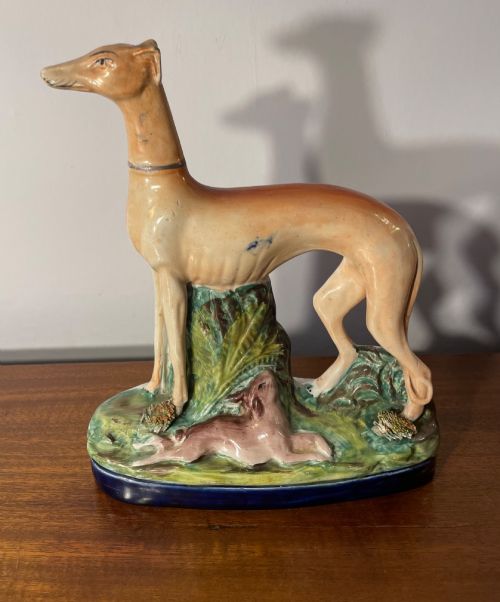
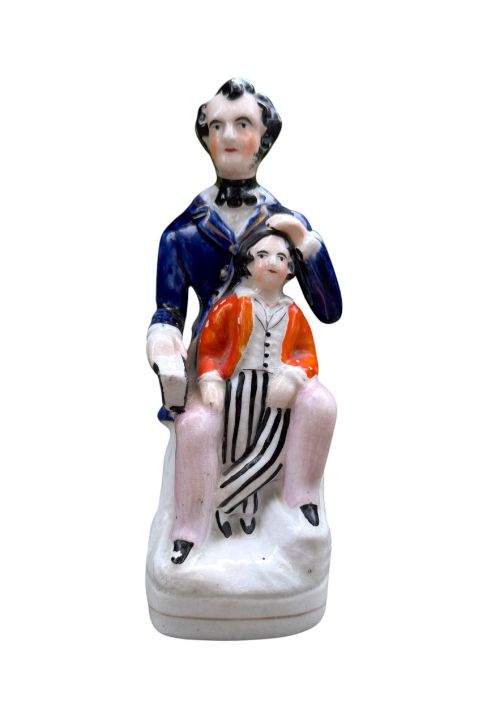
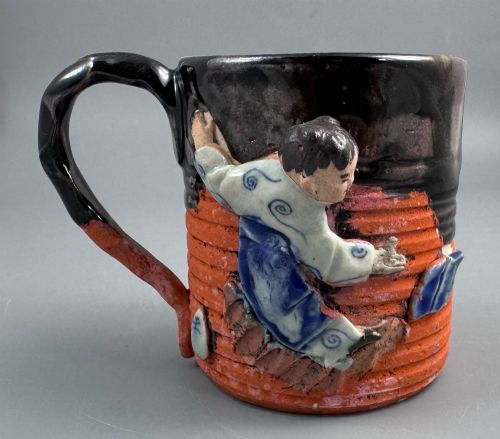
The objects take various physical forms, functioning primarily as decorative mantel ornaments, spill vases, chambersticks or monumental table centerpieces. Origins stretch from English earthenware potteries and European porcelain manufactories to Japanese Sumida Gawa wares and Chinese Shiwan lion dogs.
How they were made
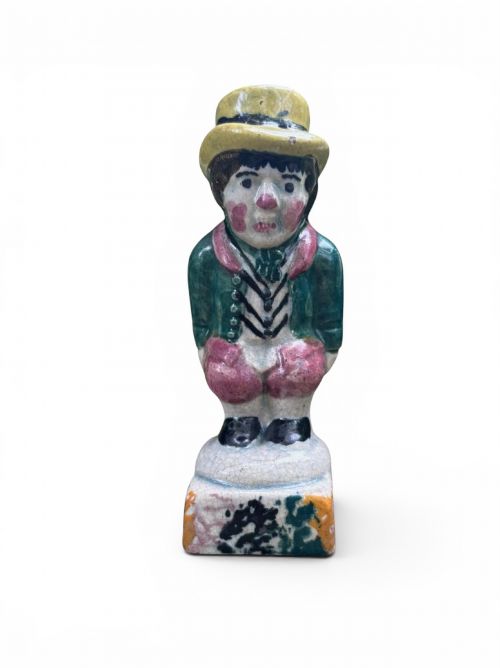
Potters shaped these objects using techniques such as slip casting, press moulding or hand modelling in soft-paste porcelain, earthenware, terracotta and pearlware. Surface decoration relied upon underglaze blue, vibrant enamel pigments, metallic gold leaf highlights and rich turquoise or coloured glazes.
Early English works often employed porous earthenware bodies finished with lead glazes, while continental and oriental pieces utilised refined porcelain paste fired at higher temperatures to achieve durability and translucency.
Early Ceramic Figure Retail Price Guide 2026
Typical asking prices for early ceramic figure among the pieces listed under this phrase on Sellingantiques today, from the lower quarter to the upper quarter. They describe what is for sale here now, not the wider market.
Countless Victorian mantelpieces gained permanent character from fierce earthenware poodles clutching woven baskets in their teeth.
What varies in quality
Quality in these modelled works rests upon the crispness of the initial moulding and the sensitivity of the hand painting applied to the facial expressions and drapery. Superior examples maintain sharp relief details in the clay body without obscuring modelling under thick glaze pooling.
The distinction between standard commercial output and exceptional studio production shows in the balance of the composition, the stability of the fired stance, and the subtlety of the enamel palette applied before the final glost firing.
Friedrich Goldscheider·Ishiguro Kōko·Royal Dux·Ernst Wahliss·Enoch Wood factory
The Early Ceramic Figure Glossary
- Pearlware
- A refined earthenware developed in the late eighteenth century featuring a subtle blue-tinted glaze that pooled in recesses to mimic Chinese porcelain. It provided a smooth white surface ideal for bright enamel painting on figures.
- Biscuit
- Unglazed porcelain fired once to a hard state, leaving a matte, tactile surface that resembles marble. This finish was favoured for classical mythological groups where anatomical detail mattered more than glossy colour.
- Slip
- Liquid clay of a creamy consistency used for pouring into moulds or painting surface designs before firing. Slip casting allowed Staffordshire and continental potteries to replicate complex animal and human forms efficiently.
- Soft-paste porcelain
- An artificial porcelain composition made from glass frit and white clay mixtures rather than natural china stone. It matured at lower kiln temperatures, producing a warm milky body found in early Derby and Bow pieces.
- Staffordshire
- A major English ceramic manufacturing region encompassing numerous towns producing earthenware figures, animals and bocage groups. These bustling potteries supplied domestic mantelpieces with affordable modelled ornaments throughout the Georgian and Victorian eras.
Early Ceramic Figure: Frequently Asked Questions
How do I identify a pearlware figure?
Pearlware figures display a characteristically pale, bluish tint in the glaze where it pools around the base or crevices. This ceramic body was widely utilised by Staffordshire potters during the late eighteenth and early nineteenth centuries.
Examine the underside and base for the typical earthenware fabric beneath the glaze layer. Early pieces often feature hollow interiors and minimal factory markings.
Were these figures meant to be used?
Most of these ceramic pieces served as ornamental mantel decorations, though some functional variations incorporated holders for candles or matches. Spill vases combined a portrait or animal figure with a hollow cylinder designed to hold wooden spills for lighting fires.
Larger porcelain groups functioned as centrepieces for dining tables or display cabinets in wealthy households. Their primary role remained visual display rather than daily utilitarian service.
What is the difference between porcelain and earthenware figures?
Earthenware bodies are opaque, porous, and fired at lower temperatures, requiring an opaque glaze or enamel coating to seal the clay. They form the basis for robust Staffordshire animals and folk groups.
Porcelain is denser, vitrified, and often translucent when held to the light, allowing for finer facial modelling and delicate limbs. European and Asian factories utilised porcelain pastes to achieve highly refined sculptural detail.
How do I care for antique ceramic figures?
Keep these fragile objects away from direct sunlight to prevent fading in the hand-painted enamel colours. Dust them gently with a soft dry brush rather than liquid cleaners, which can seep into unglazed areas or historic repairs.
Ensure they rest on stable, level surfaces away from busy edges where vibrations might cause tipping. Handle them by the main body rather than protruding limbs, fingers, or delicate decorative elements.