


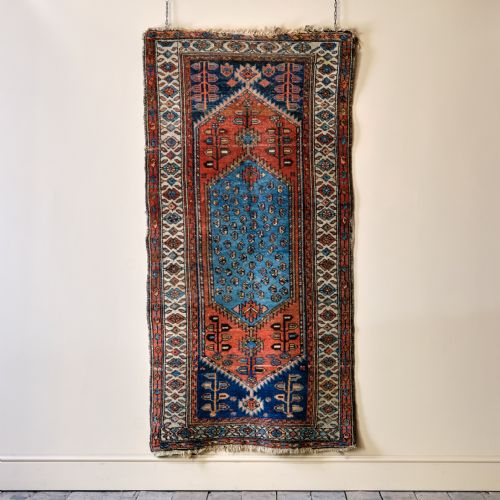


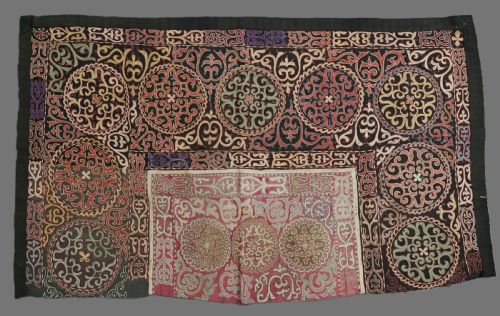


Early Century Wool Rug
An early century wool rug brings centuries of tribal and regional weaving traditions straight to the floor.
Early Century Wool Rug
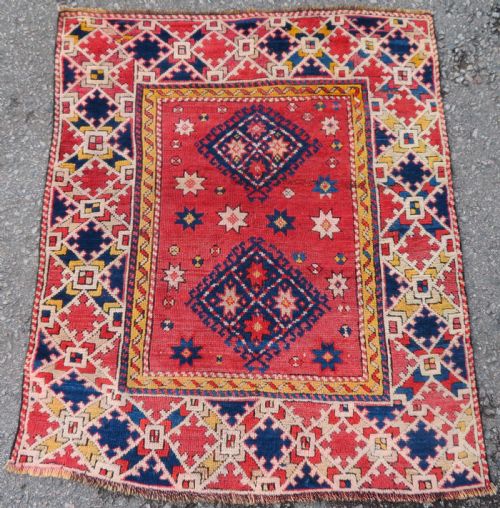
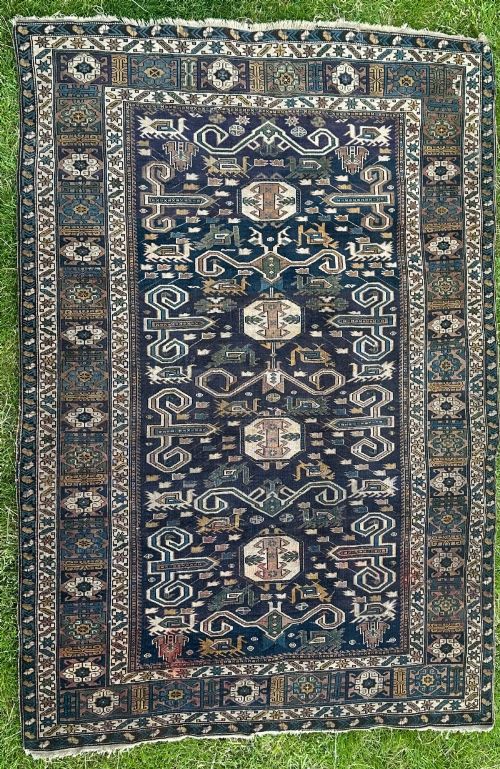
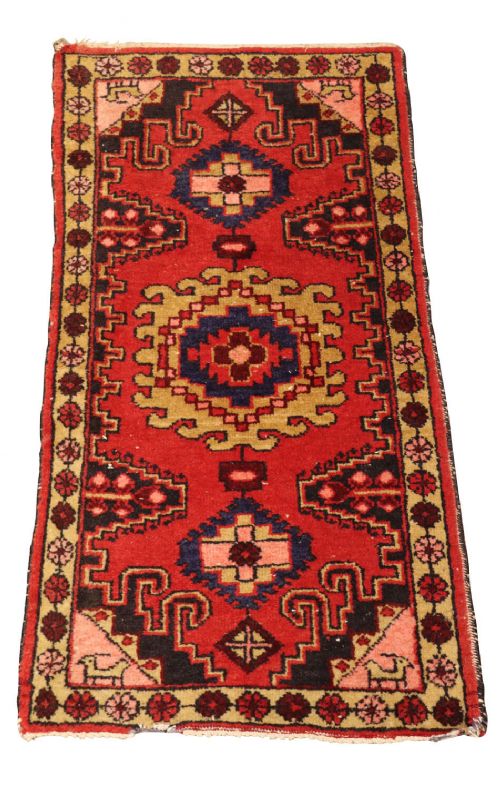
An early century wool rug covers woven floor coverings, runners, cushions, and wall hangings originating from Persian, Anatolian, Caucasian, and Central Asian weaving traditions. Buyers searching this phrase meet hand-knotted and flat-woven pieces originating predominantly from the nineteenth and early twentieth centuries.
The selection encompasses tribal formats such as Baluch, Khamseh, and Turkmen pieces alongside room-sized city carpets from workshops in Kirman, Heriz, and Kashan. Styles range from geometric tribal motifs to intricate floral boteh and mina khani repeating patterns.
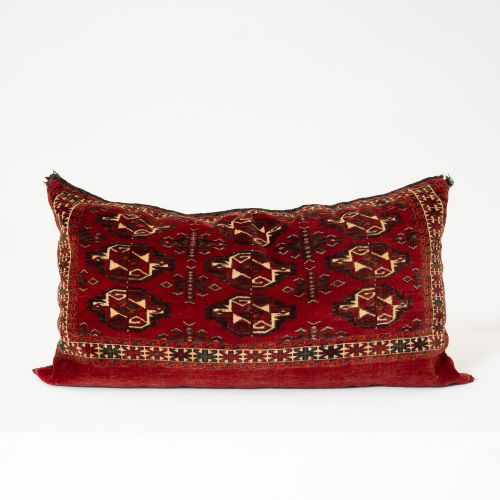
Beyond standard area rugs, the inventory includes utilitarian objects adapted for domestic display, including saddle bag faces, chuval cushions, and yurt wall hangings. These textiles reflect the specific regional iconography and nomadic lifestyles of their makers.
Materials and construction techniques
Weavers relied primarily on hand-spun wool for the pile and structure, frequently combining cotton or linen foundations to ensure structural stability across large formats. Natural dyes derived from plants and minerals provided the palette, yielding rich tones that soften gracefully over time.
Construction methods vary from tight hand-knotted piles to flat-woven kilim techniques and intricate embroidery seen in Suzani wall hangings. Specialised regional looms dictated the tension and knot density, producing durable textiles designed for nomadic or domestic demands.
Some nomadic weavers incorporated deliberate asymmetrical errors into their geometric carpets to ward off the evil eye.
Factors of quality and distinction
Quality rests on the integrity of the weave, the handling of natural dyes, and the clarity of the regional design vocabulary. Finer knot density and precise execution elevate certain tribal and city carpets, distinguishing standard utility pieces from exceptional village examples.
Proportion, balance within repeat motifs, and the depth of the wool pile contribute to the visual presence of a textile. Surviving structural originality and the preservation of authentic borders further separate the most accomplished examples from heavily restored pieces.
The Early Century Wool Rug Glossary
- Boteh
- A stylised floral or almond-shaped motif commonly found in Persian and oriental weaving. This ancient symbol often represents a cypress tree or a flame.
- Kilim
- A flat-woven carpet or rug produced without a pile by tightly interweaving warp and weft strands. These textiles are traditionally lightweight and reversible.
- Chuval
- A large storage bag face produced by Turkmen nomads, frequently featuring guls and geometric medallions. These pieces were historically used inside yurts for household storage.
- Gul
- An octagonal or medallion-like design element used by Turkmen and Central Asian tribes. Each pattern typically identifies a specific clan or lineage.
- Mina Khani
- A repeating grid pattern composed of four-petalled flowers linked by curved vines. This classical design appears frequently in Persian rugs.
Early Century Wool Rug: Frequently Asked Questions
How do I clean an antique wool rug?
Gentle surface cleaning and regular light vacuuming without a beater bar help protect the delicate natural wool fibres.
For deeper maintenance, professional specialist cleaning ensures the natural dyes and historical foundations remain undisturbed.
Where were these tribal rugs made?
These textiles originate from nomadic and village workshops across Persia, Anatolia, the Caucasus, and Central Asia.
Distinct regional groups such as the Baluch, Qashqai, and Turkmen each developed recognizable palettes and geometric vocabularies.
Can I use a runner rug in high traffic areas?
Many historical runners and carpets were constructed with robust wool pile designed to withstand daily household movement.
Placing a proper underlay beneath the textile prevents slipping and reduces friction against the floorboards.
What is the difference between a kilim and a pile rug?
Kilims are flat-woven textiles created by interlocking warp and weft threads without forming a raised surface pile.
Pile rugs feature individual knots tied to the foundation warp, creating a soft, tactile surface texture.