
Early Century Artwork
Early century artwork covers historic paintings, drawings, and silhouettes that bring period character to any wall.
Early Century Artwork
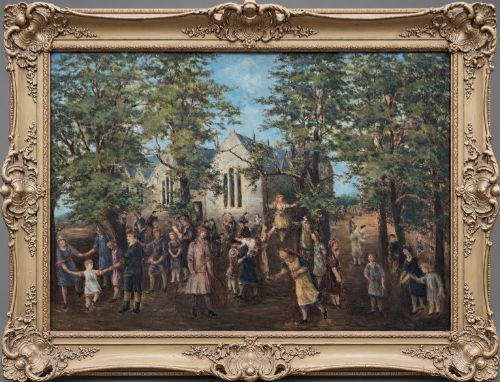
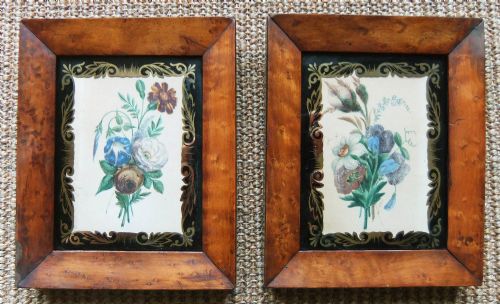
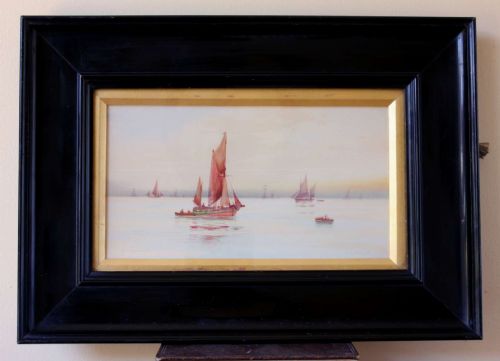
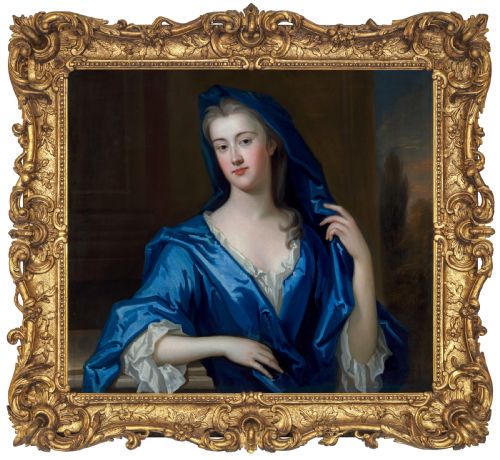
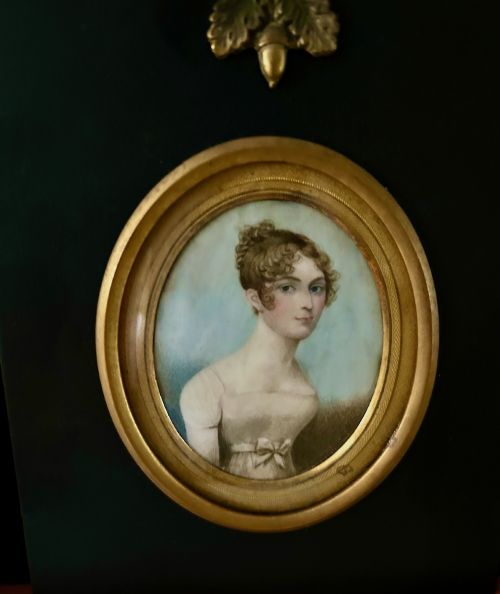
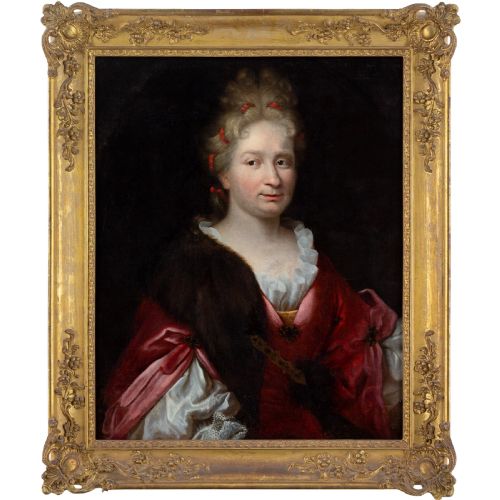
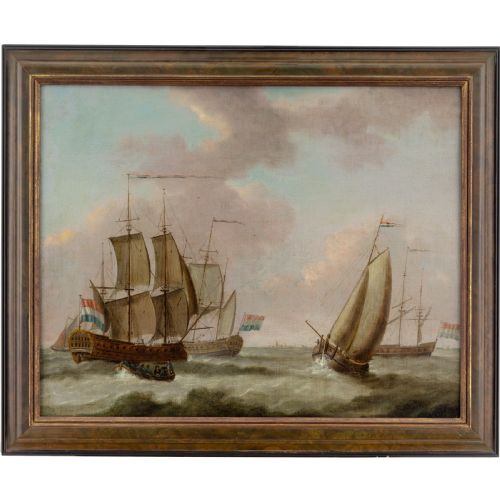
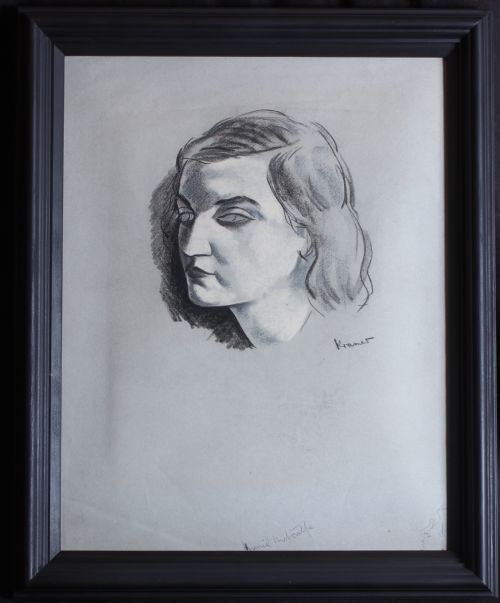
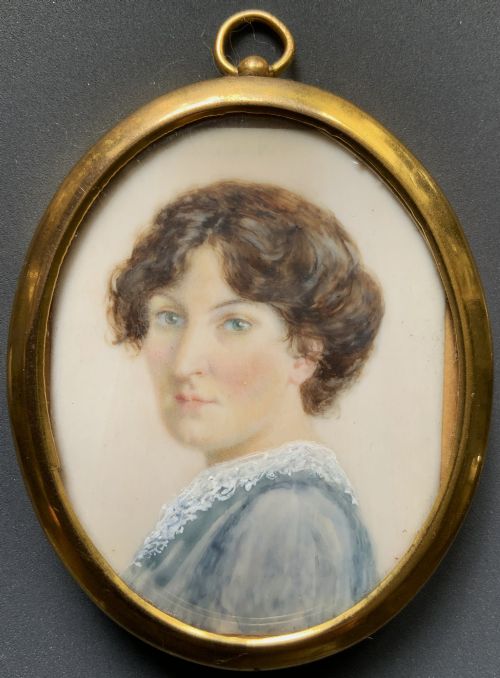
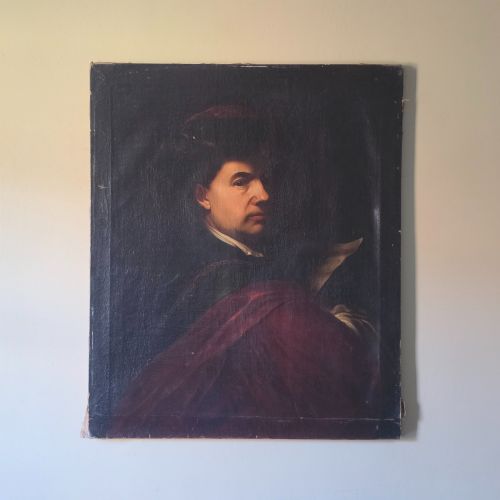
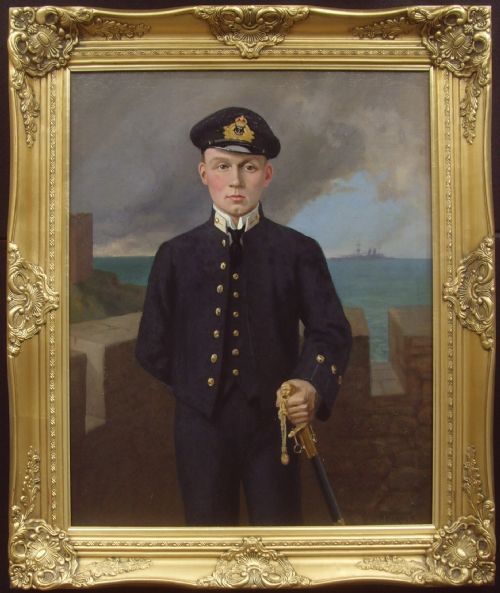
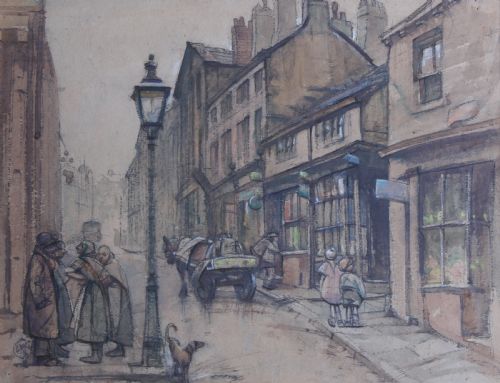
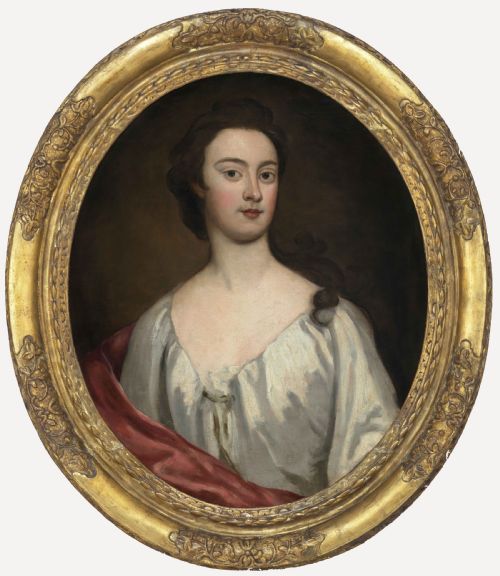
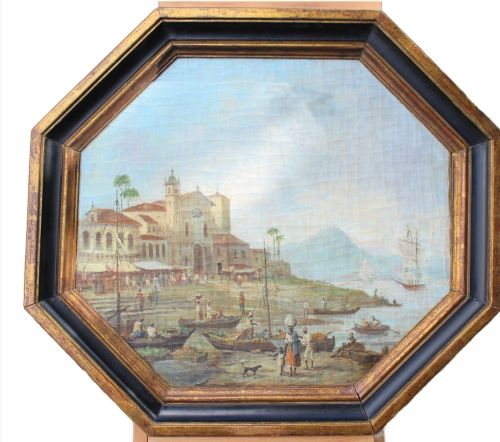
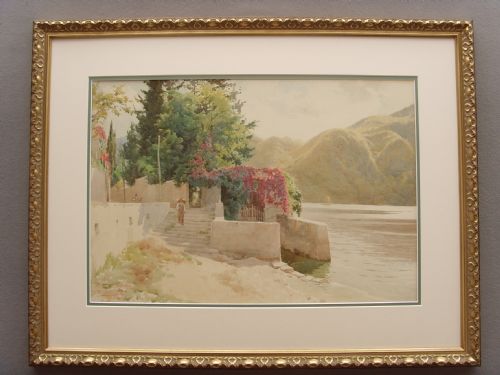
When buyers search for early century artwork, they encounter a diverse selection of paintings, drawings, and sculptures spanning multiple historical eras. The pieces on this page range from detailed eighteenth-century portraits and reverse glass mezzotints to Edwardian marine watercolours and post-impressionist oil paintings.
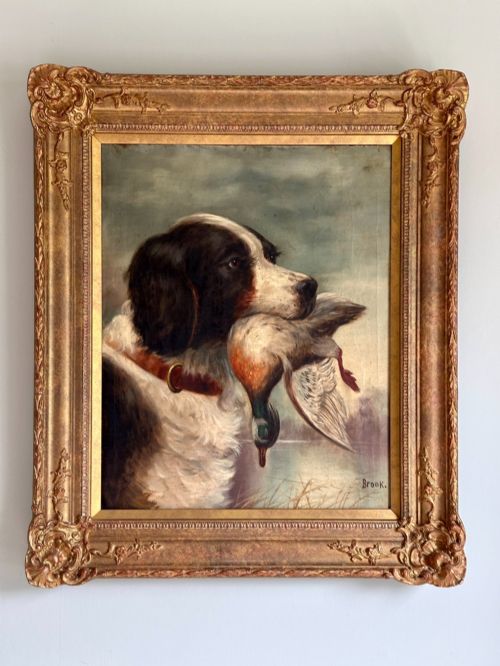
The most frequent pieces met on this page date from the nineteenth and early twentieth centuries. These encompass landscapes, still lifes, and cut paper silhouettes created by notable hands or regional schools.
Materials and Methods
Artists relied upon traditional supports such as canvas, wood panels, heavy paper, and stretched board for their compositions. Pigments applied included oil paint, watercolour, pastel, ink, and charcoal.
Specialised techniques like reverse glass mezzotint, cold painting on bronze, and precision paper cutting produced distinctive visual textures that define these historic pieces.
A small dog dutifully shares a silhouette portrait with a young girl.
Quality Variations
The division between standard works and exceptional pieces rests upon the surety of the draughtsmanship and the handling of the medium. Masterful brushwork or confident pencil lines elevate a composition far beyond routine decorative output.
Provenance and attribution also divide the range. Pieces bearing clear signatures from recognised practitioners or documented historic exhibitions command greater attention than anonymous works of the period.
William James Hubard·Jean-Baptiste Van Loo·George Lorain Stampa·Henry Percy Huggill·Thomas Ellison·Tom Campbell·John Hassall·Ferdinand Preiss·Kershaw Schofield·Frank Watson Wood·Charles Houben·Fred Lawson
The Early Century Artwork Glossary
- Mezzotint
- A printmaking process of the intaglio family where the surface is roughened to achieve tones of grey and dark. This method produces rich, velvety darks and subtle tonal gradations.
- Silhouette
- A portrait represented as a solid shape of a single colour, usually black, matching its subject's outline. Artists cut these from paper or painted them directly onto card or plaster.
- Impressionism
- A nineteenth-century art movement characterised by relatively small, thin, yet visible brush strokes and an emphasis on accurate depiction of light. Practitioners sought to capture sensory shifts in their immediate surroundings.
- Cold Painted Bronze
- A sculptural method where bronze figures received non-fired oil or enamel paint decoration. This technique enjoyed popularity during the early twentieth century for small decorative bronzes.
Early Century Artwork: Frequently Asked Questions
What periods do these artworks cover?
The selections span from the eighteenth century through the Edwardian era up to the 1930s. Each era brings distinct aesthetic choices and working methods.
You will find Georgian portraits alongside early twentieth-century impressionist landscapes and caricatures.
How should I care for historic paper art?
Historic works on paper require protection from direct sunlight to prevent fading of watercolours, inks, and silhouettes. Acid-free mounting preserves the paper integrity over time.
Keep pieces away from high humidity areas to avoid damp damage to the paper and stretcher frames.
Are these paintings supplied with frames?
Many listings include period frames that complement the age of the artwork, such as gilded mouldings or simple wood surrounds. Some works remain on original canvas stretchers or boards.
Check individual listings to confirm whether the specific frame is included with the piece.
How can I identify the date of a piece?
Dates often appear inscribed on the front or reverse by the artist, alongside signatures and exhibition labels. Material analysis of the canvas, board, or paper also aids in establishing the correct period.
Stylistic elements like clothing in portraits or architectural details in landscapes provide further chronological clues.