

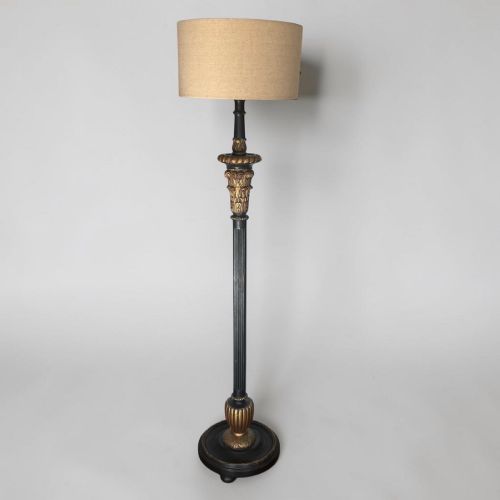
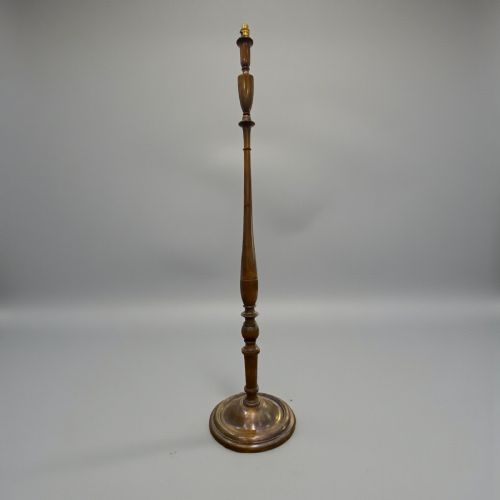
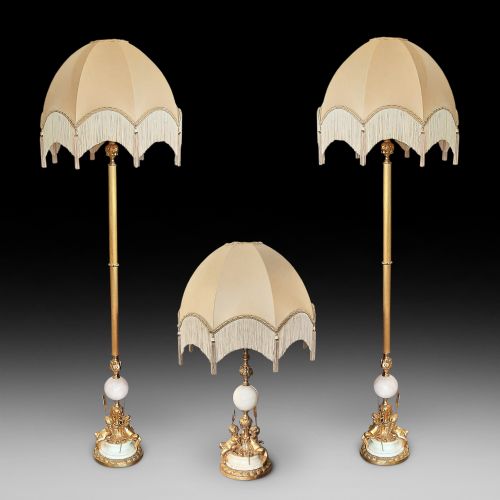
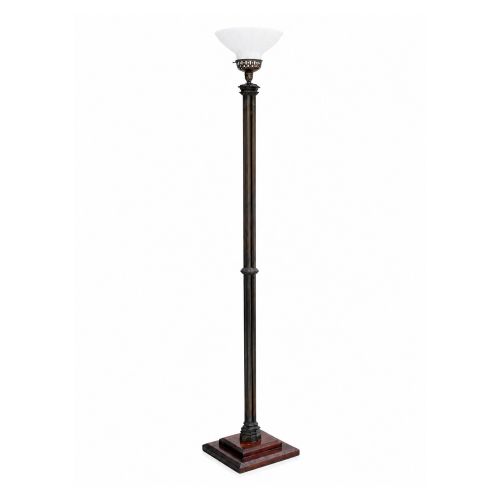




Early 20th Century Standard Lamp
An early 20th century standard lamp brings height and adjustable illumination to a room, offering both period character and practical presence.
Early 20th Century Standard Lamp
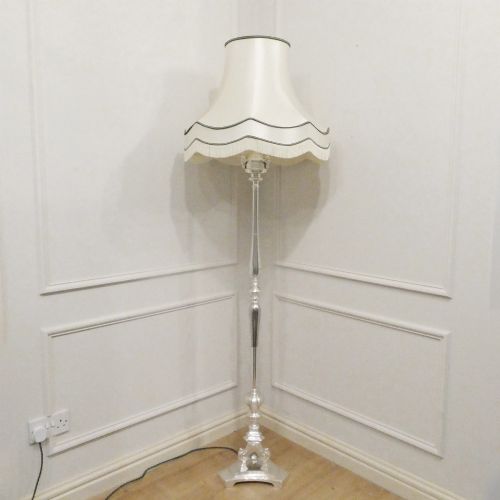
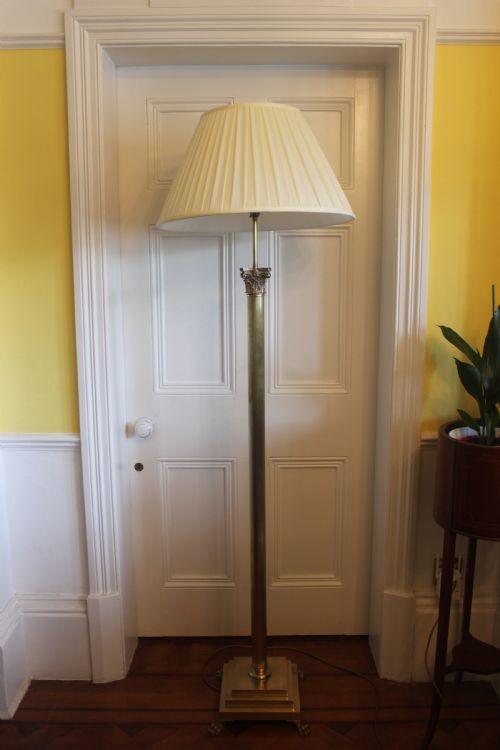
An early 20th century standard lamp is a tall floor-standing lighting fixture designed to illuminate a room from standing height without occupying table space. These pieces emerge across Edwardian, Art Nouveau, Art Deco, and revival styles, spanning the first two decades of the nineteen-hundreds. You will encounter them in various upright column forms designed to anchor a corner or sit beside a seating group.
Brass is the material most frequently met on this page, appearing in plain columns, scroll arms, extending mechanisms, and steamer designs. Alongside metal, you will find timbers including mahogany, walnut, carved oak, and Chinese hardwood, sometimes paired with fabric shades and fringe. Floor lamps and lamp standards share this category, representing the tall upright lighting solutions of the period.
Materials and construction methods
Makers utilised cast iron, heavy brass, and ormolu to provide stable weighted bases for these tall upright columns. Metal shafts often incorporated adjustable sections, scroll arms, or claw feet, while timber versions relied on turned oak, carved mahogany, and satinwood pillars. Glass components such as cranberry shades and alabaster figures appeared alongside fabric and fringe elements to diffuse the light.
Woodworking techniques of the era involved turning pillars on lathes and carving intricate details into mahogany, walnut, and hardwood. Metalworking traditions included casting heavy brass bases, forming scroll arms, and engineering extension mechanisms for adjustable height. These combined methods produced robust tall standards capable of supporting large shades.
Early 20th Century Standard Lamp Retail Price Guide 2026
Typical asking prices for early 20th century standard lamp among the pieces listed under this phrase on Sellingantiques today, from the lower quarter to the upper quarter. They describe what is for sale here now, not the wider market.
Listings feature early 20th century standard lamps in brass, oak, mahogany, walnut, and cast iron, alongside Art Nouveau and Art Deco styles.
Distinguishing quality in period standards
The distinction between tiers rests on the weight of the metal base, the crispness of the timber turning, and the presence of specialist materials like alabaster, cranberry glass, or carved giltwood. Heavy brass castings and solid mahogany or walnut columns indicate higher initial manufacture than lighter alternatives. The presence of functional mechanical parts, such as smooth extending mechanisms or adjustable scroll arms, marks superior workshop production.
Stylistic ambition also divides the range, moving from plain utilitarian brass columns to elaborate Art Nouveau tendrils, Gothic Revival motifs, or Chinese hardwood carving. Pieces retaining original decorative glass or matching pairs demonstrate greater original investment. The integration of materials, such as brass combined with mahogany or ormolu with satinwood, separates standard utility items from decorative reception room pieces.
Bleriot
The Early 20th Century Standard Lamp Glossary
- Standard lamp
- A tall floor-standing lighting fixture designed to hold a shade at upper room height. This term is frequently used interchangeably with floor lamp.
- Cranberry glass
- A rich red-pink transparent glass produced by adding gold chloride to the molten batch. It frequently appears in decorative shades and reservoirs from the Edwardian era.
- Standard lamp table
- A combined form featuring a small surface integrated into the upright column. This allowed the fixture to serve as both a light source and a small occasional table.
- Giltwood
- Timber that has been coated with a thin layer of gold leaf or gold paint. It provides a bright decorative surface on carved standard lamp columns.
- Alabaster
- A fine-grained mineral stone carved into decorative figures or shade elements. Swedish examples utilise this soft translucent material for sculptural lighting bodies.
Early 20th Century Standard Lamp: Frequently Asked Questions
Where should I place a standard lamp?
These tall fixtures suit corners, reading areas, and seating groups where overhead wiring is absent. Their height allows them to distribute light across a larger floor area than table lamps.
Position them where the upright column and shade complement existing period furniture without obstructing movement through the room.
How do I identify an Edwardian standard lamp?
Edwardian examples often feature slender brass columns, sometimes with adjustable mechanisms, scroll arms, or cranberry glass components. Turned mahogany and oak pillars also characterise this period.
Look for construction methods and material combinations typical of the early nineteen-hundreds, such as weighted cast bases and fabric fringed shades.
Are these lamps adjustable?
Certain metal examples include extending mechanisms that allow the height of the column to be altered. Art Nouveau brass versions also feature adjustable arms for directing illumination.
Fixed-height timber pillars and heavy brass columns remain static, relying on their overall height to project light.
What shades belong on these lamps?
Original configurations often paired brass and timber columns with fabric shades featuring fringe trim. Glass elements such as cranberry shades also completed specific Edwardian designs.
When selecting a shade, consider the proportion relative to the tall upright column and the weight of the base.