



Early 20th Century Silver Plate
Early 20th century silver plate brings domestic utility and decorative flair from Edwardian, Art Nouveau and Art Deco eras into modern rooms.
Early 20th Century Silver Plate
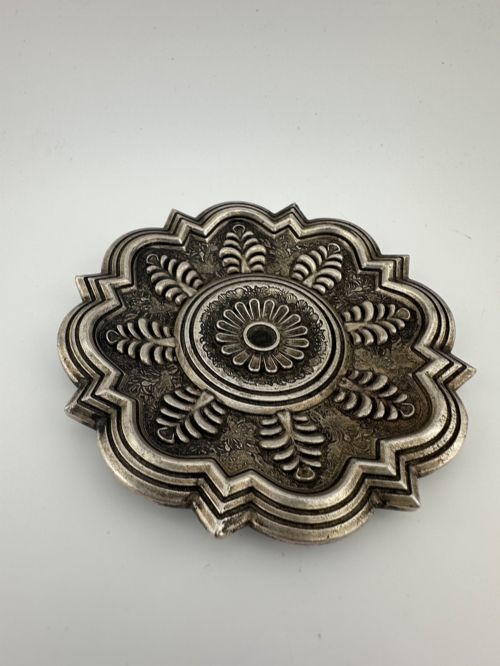
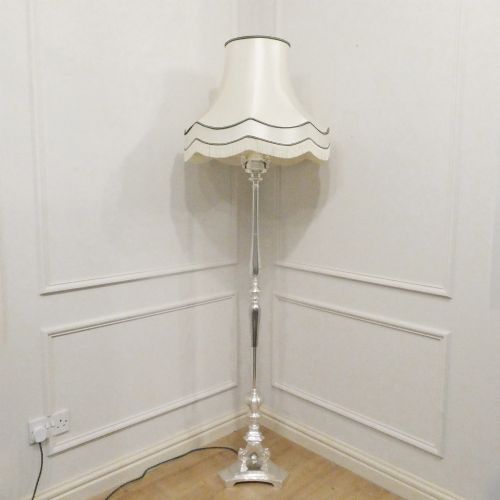
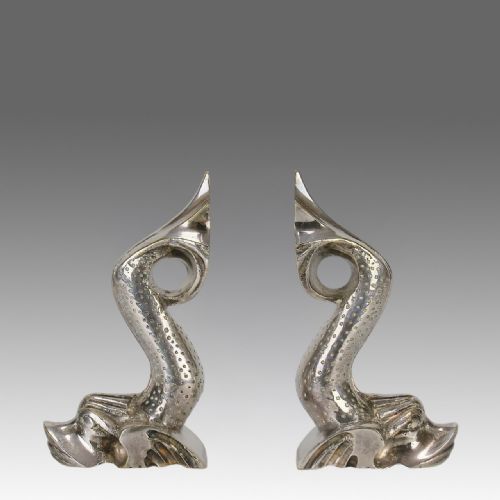
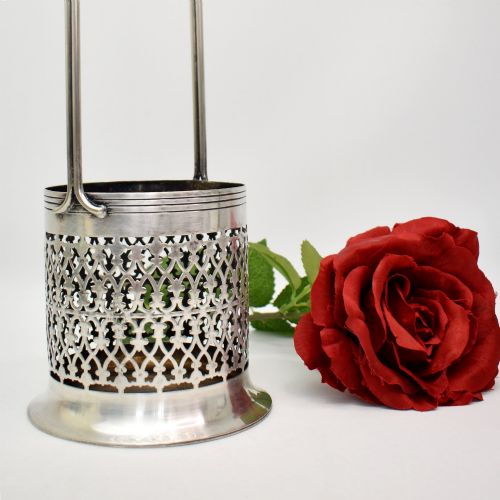
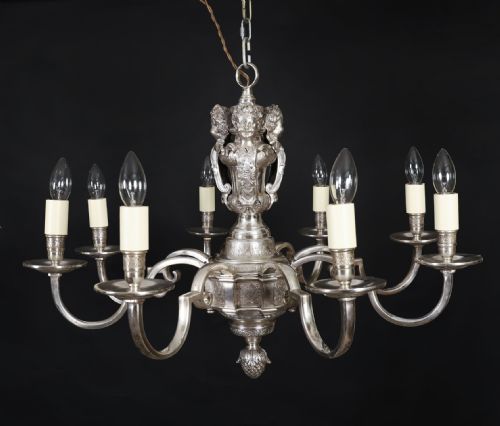
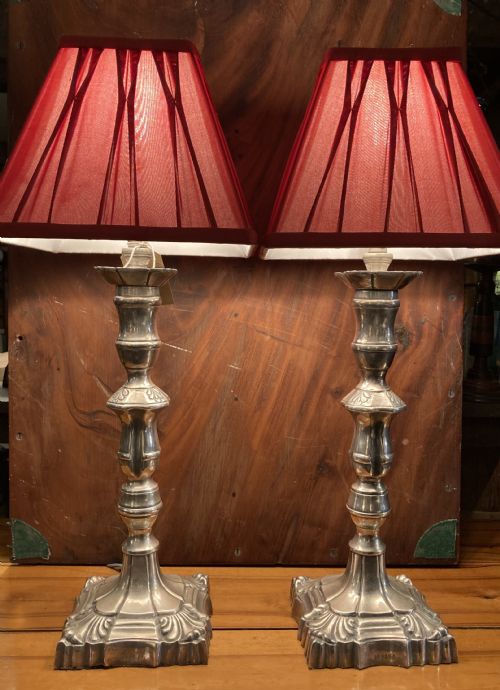
Early 20th century silver plate encompasses a diverse array of domestic objects, ranging from table lamps and floor lamps to decorative dishes, wine coasters and chandeliers. Buyers seeking early 20th century silver plate encounter items spanning the Edwardian period through the 1920s and 1930s, reflecting shifts from ornate revivalism to cleaner modernist lines.
The domestic interior of this era relied heavily on plated metalware for hospitality and illumination. Table lamps, chandeliers, wall lights and candle lamps sit alongside practical serving items such as strawberry dishes, caviar ice server sets, biscuit boxes and toast racks.
Geographic origins recorded in the evidence stretch across British makers in Edinburgh and London, alongside continental European centres including Norway, Venice and Scandinavian workshops. Pieces such as Chinese white metal lotus dishes also appear, demonstrating the global reach of decorative metalwork during these decades.
Assessing the Standard
Quality in early 20th century silver plate rests upon the crispness of casting and the integrity of the underlying metal foundation. Pieces built on copper or nickel silver maintain structural stability, whereas inferior items show excessive wear through to the base metal.
Design distinction separates standard utilitarian wares from works associated with known makers and specific artistic movements like Art Nouveau and Art Deco. Details such as applied cast rims, hand-engraved decoration on trays and integrated faceted glass define the upper tier of production.
Listings feature lighting, dining wares and decorative objects spanning the Edwardian era through the nineteen thirties, utilising silver plate, nickel silver and glass.
F Abella and Sons·Brook and Son·David Andersen·Farraday and Son·Harrods London·Sol Goldfeder·WMF
The Early 20th Century Silver Plate Glossary
- Silver Plate
- A base metal object coated with a thin layer of silver. This technique allowed domestic tableware and lighting to mimic solid silver at a lower production cost.
- EP on Copper
- Electroplate on copper, a method where silver is deposited electrolytically onto a copper core. The warm copper base often shows through over time where handling has caused friction.
- Nickel Silver
- An alloy of copper, nickel and zinc containing no actual silver. It provides a durable, silvery substrate frequently used for plating during the Edwardian and Art Deco periods.
- Tantalus
- A locking beverage cabinet holding decanters visible behind a metal framework. This device prevented unauthorised access to spirits in Edwardian and interwar households.
- Pricket Candlestick
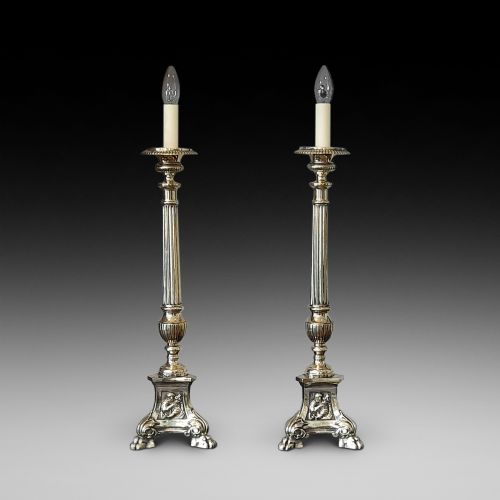
- A candlestick featuring an upright spike on the drip pan to secure a candle. Examples from the early twentieth century often adapted this ecclesiastical form for domestic electric table lamps.
Early 20th Century Silver Plate: Frequently Asked Questions
How do I clean silver plate?
Clean silver plate using a gentle, non-abrasive silver polish and a soft cloth to protect the thin surface layer. Avoid harsh scrubbing that can wear through the plating to the underlying metal.
Store items in dry environments and handle them carefully to minimise tarnishing and preserve the original decorative finish.
Were these lamps originally electric?
Lighting from this era bridges the transition between gas, oil and electricity. Many table lamps, floor lamps and wall lights were wired or adapted for electricity during the early decades of the twentieth century.
When acquiring vintage lighting, inspect the wiring to ensure it meets contemporary safety standards before connecting it to a power source.
What is the difference between silver plate and white metal?
Silver plate consists of a base metal covered with a thin coating of real silver. White metal refers to an alloy group containing metals like tin, zinc or antimony, which has a naturally silvery colour without necessarily being plated.
Objects described as white metal or nickel silver do not rely on a surface coating for their bright appearance.
How do I date early twentieth century pieces?
Dating relies on stylistic markers, such as the flowing organic curves of Art Nouveau or the geometric symmetry of Art Deco. Maker marks, retailer stamps and accompanying original cases also help establish a precise timeframe between nineteen hundred and nineteen thirty.
Materials such as nickel silver and specific glass-cutting styles further narrow down the decade of manufacture.