
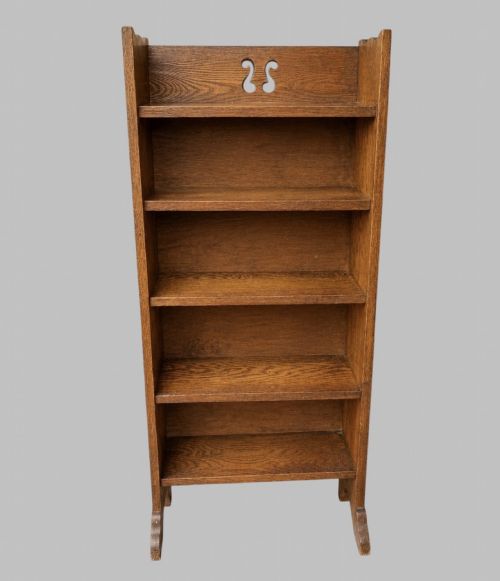


Early 20th Century Shelves
Early 20th century shelves bring practical storage and period character to a room through sturdy timbers and utilitarian metalwork.
Early 20th Century Shelves
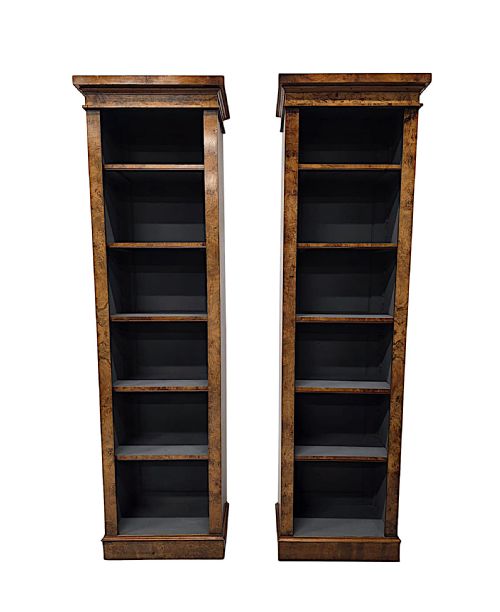
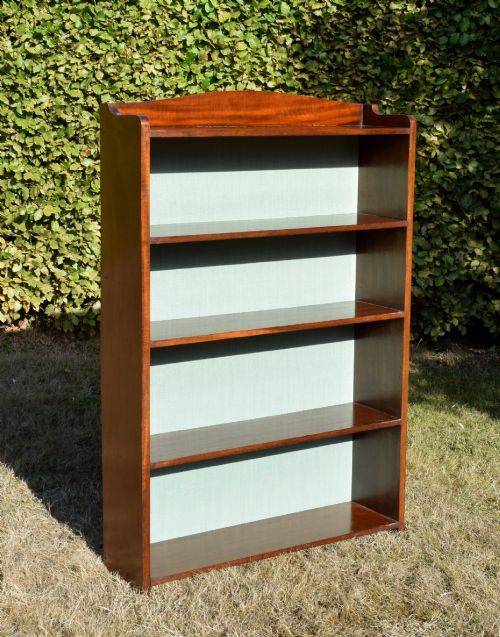
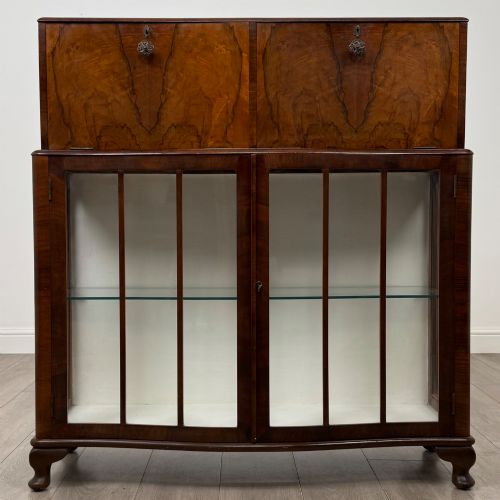
Early 20th century shelves encompass open bookcases, display cabinets, industrial storage racks, and wall-mounted shelving units originating from the Edwardian period through the 1930s. A buyer searching this phrase encounters practical domestic furniture alongside utilitarian pieces built for trade or institutional use.
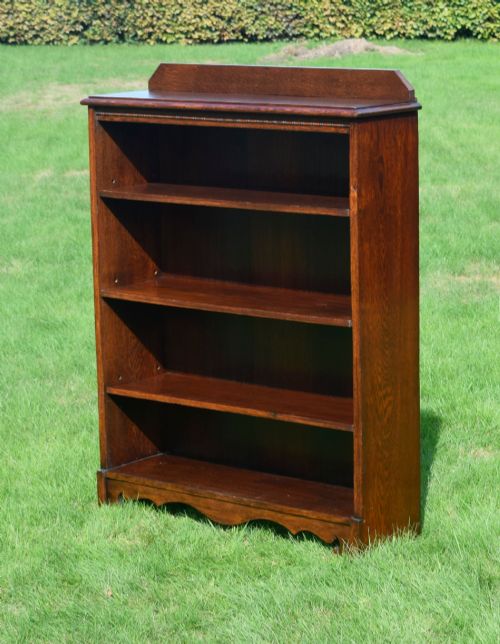
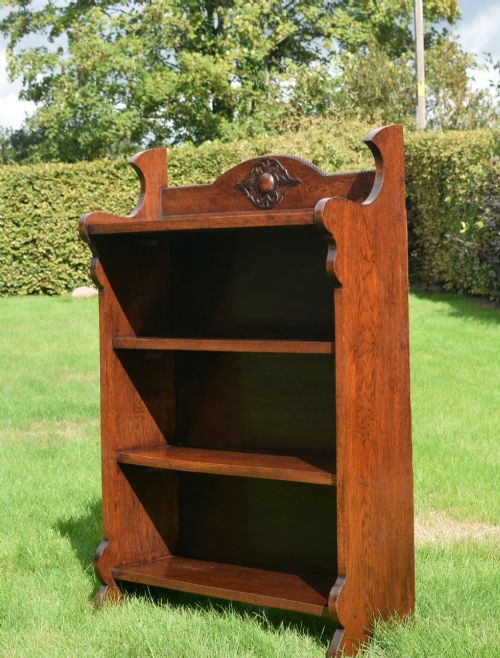
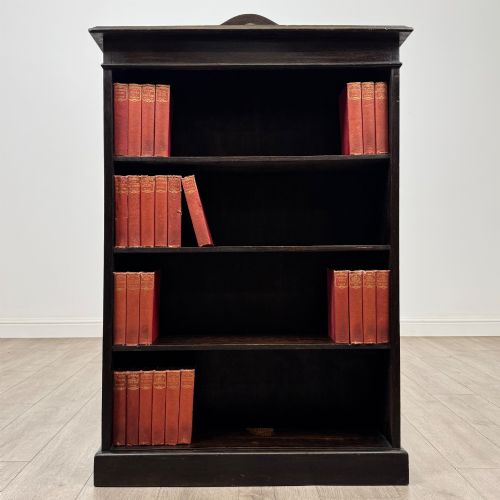
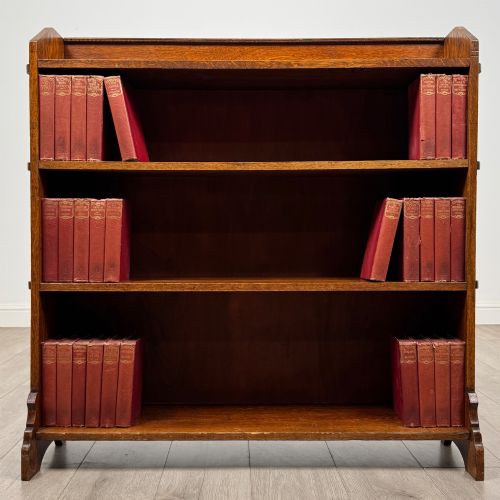
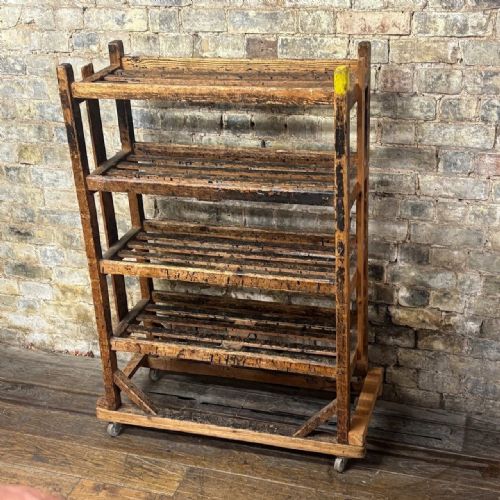
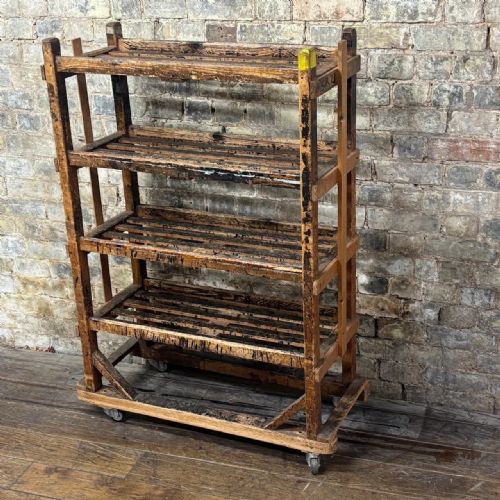
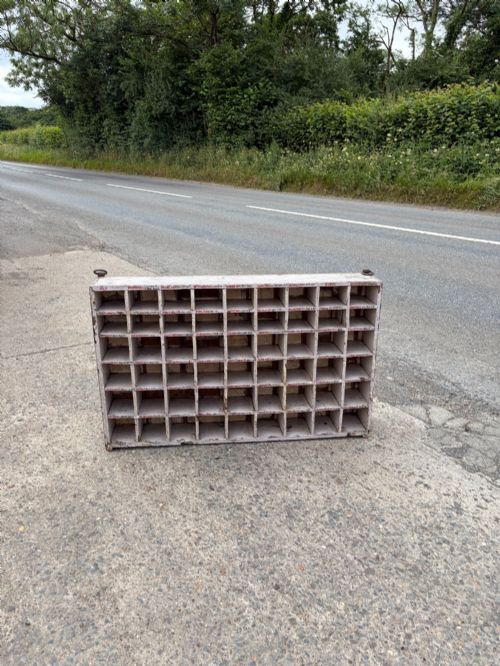
The selection on this page relies heavily on oak bookcases and mahogany storage options, supplemented by walnut, pine, and industrial items like shoe trolleys and bakers racks. These pieces range from domestic open shelving to specialised items such as French bread racks and pigeon holes.
How they were made
Cabinet makers utilised solid timbers such as oak, mahogany, walnut, and birch, often incorporating figured veneers, inlay, and decorative cut-outs to align with Edwardian, Arts and Crafts, and Empire Revival tastes. Construction methods combined traditional joinery for domestic cabinetry with robust iron, brass, and cast-iron framing for industrial racks and consoles.
Industrial forms employed utilitarian materials like slate, cast iron, and pine to withstand heavy daily use in workshops and bakeries, while domestic display cabinets favoured polished mahogany and brass fittings.
A pair of bronze sea lions holds your novels upright, proving that early 20th-century desk accessories had a sense of theatre.
What varies in quality
The standard of timber selection and joinery distinguishes standard utility shelving from finer cabinet work, seen in the use of figured walnut or burr walnut veneers versus plain pine or standard oak. Superior examples display careful attention to proportion, decorative carving, and matching grain patterns.
Industrial pieces derive their standing from original patination, operational hardware like castors, and intact metal frameworks, whereas domestic bookcases rely on the crispness of mouldings and stability of adjustable shelving mechanisms.
C Omin·Sandberg & Co
The Early 20th Century Shelves Glossary
- Globe-Wernicke-style
- A modular bookcase system featuring stacking lawyer sections with glass doors that lift and slide inside the case. This design became popular for its expandable nature in office and home libraries.
- Bakers rack
- A tall, open metal or wooden shelving unit traditionally used in French bakeries for cooling bread. These multi-tier structures now function as versatile kitchen or living room storage.
- Pigeon holes
- A grid of small, open compartments designed for sorting documents, mail, or small items. They appear as standalone units or integrated into larger desks and cabinets.
- Etagere
- An open piece of furniture consisting of a number of shelves rising one above the other, used for displaying ornaments or books. Originating in France, these tiered units combine decorative frames with practical surface area.
- Waterfall bookcase
- A tiered shelving unit where each shelf steps back from the one below it, creating a cascading profile. This form appeared in various woods including yew and mahogany.
Early 20th Century Shelves: Frequently Asked Questions
What periods do these shelves cover?
The pieces span the Edwardian era through the 1920s and 1930s, reflecting styles from Arts and Crafts to Industrial and Empire Revival.
Makers of the time utilised a mix of traditional domestic hardwoods and utilitarian metals.
Are the shelves adjustable?
Many of the bookcases and shelving units feature adjustable shelf configurations to accommodate varying book heights and storage needs.
Fixed shelves appear more frequently in specialised industrial items and certain display cabinets.
What materials were used?
Construction relies heavily on oak, mahogany, walnut, and birch, alongside industrial materials such as cast iron, brass, slate, and pine.
Finishes range from polished wood veneers to raw metal and painted surfaces.
How do I identify industrial pieces?
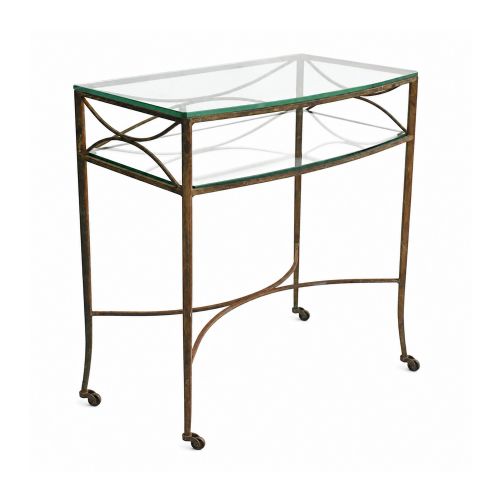
Industrial shelves and racks often incorporate iron frames, castors, slatted wooden trays, or wire elements designed for trade use rather than domestic display.
Examples include shoe trolleys, bakers racks, and console tables built for heavy environments.