



Early 20th Century Model
These early 20th century model items span architectural studies, ships, and sculptures designed to record form or display craft in miniature.
Early 20th Century Model
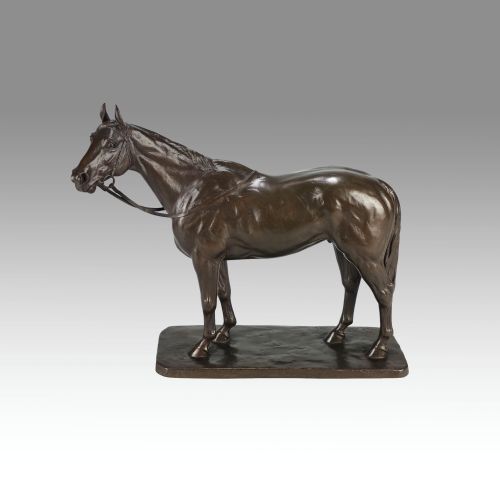
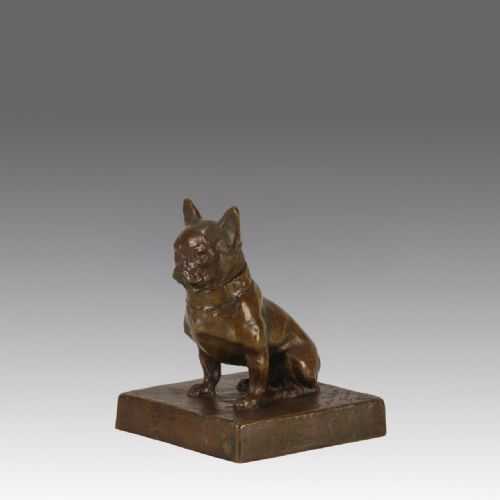
An early 20th century model encompasses a diverse range of decorative, technical, and artistic objects produced across the Edwardian and interwar decades. Buyers seeking this phrase encounter ship models, architectural pine studies, and animalier bronzes from periods including 1900, 1920, and 1930.
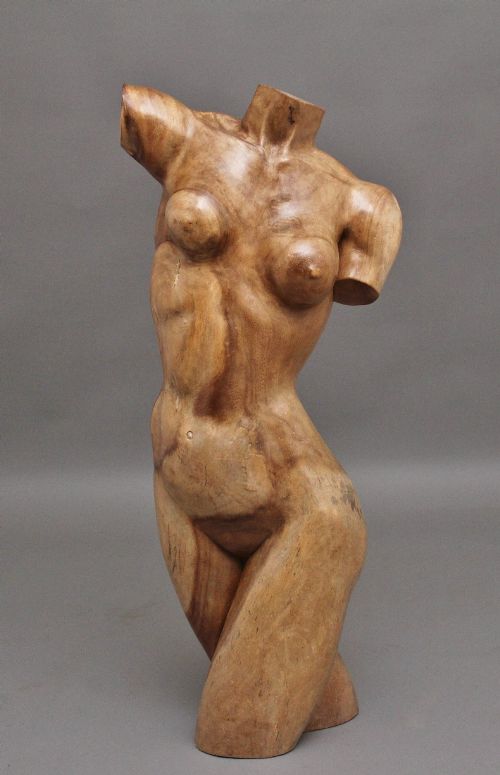
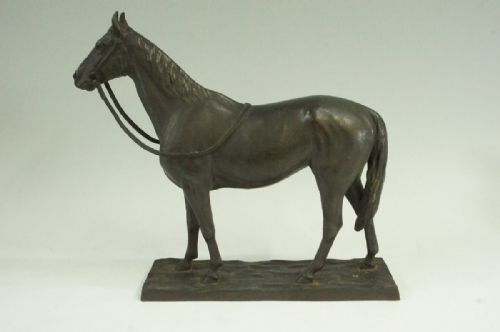
Sculptural forms include anatomical torsos, human skulls, and écorché studies of a man's head alongside grand tour lion figures and miniature suits of armour. The common thread is the reduction of subject matter into a compact, three-dimensional representation.
Materials and Construction Methods
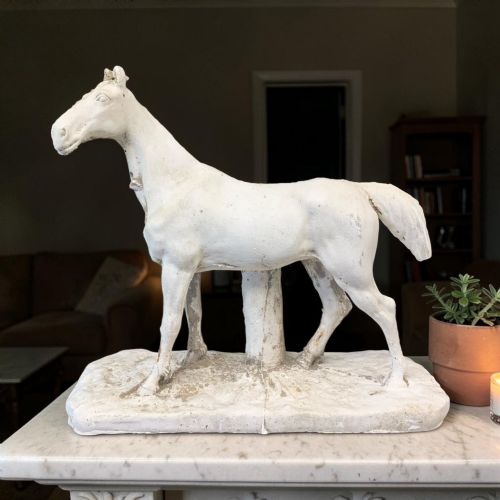
Makers utilised traditional workshop materials including carved wood, pine, paint, and cast bronze or iron to construct these objects. Scratch-built ships employ canvas and rigging, while other items utilise studio plaster cast techniques for anatomical and animal studies.
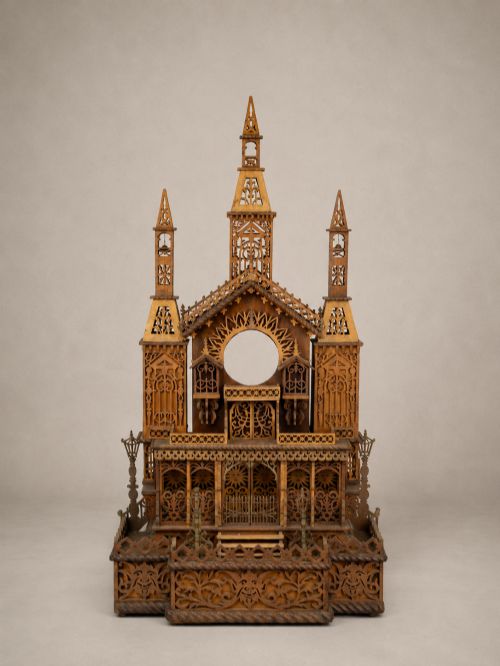
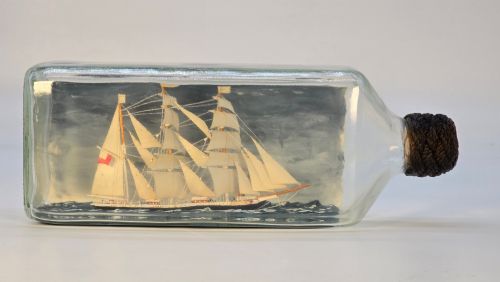
Cold-painting was applied to metal surfaces, and glass encloses diorama ship models within bottles. Architectural pieces demonstrate detailed fretwork and joinery executed in pine and various hardwoods.
Someone spent countless hours floating a scratch-built ship inside a glass bottle.
Judging Quality in Miniature and Study Pieces
The standard of execution depends heavily on the precision of the maker's hand, particularly in scratch-built maritime items, anatomical studies, and architectural models. Fine casting and cold-painting in bronze subjects reveal superior studio execution.
Proportion and structural integrity separate simpler decorative items from high-grade archival models and signed works. The fidelity of detail in rigging, joinery, or anatomical markers determines the standing of each piece.
Kunio Itô·Dora Heber·Franz Bergman·Howard & Sons
The Early 20th Century Model Glossary
- Écorché
- A figure drawn, painted, or sculpted showing the muscles of the body without skin. This technique aids anatomical study in art and science.
- Grand Tour
- A traditional trip of Europe undertaken by upper-class young men of European high society to flourish their cultural education. Objects associated with this include reduced-scale bronze sculptures.
- Animalier
- Art depicting the natural behaviour of animals, particularly sculpture. This genre gained prominence through the work of 19th and early 20th-century bronze artists.
- Diorama
- A three-dimensional full-size or miniature model often staged inside a case or bottle for display. Ship models frequently utilise this format.
- Lay figure
- An articulated wooden mannequin used by artists to help arrange drapery and posture. These figures mirror human joint movement.
- Half-hull yacht model
- A representation of one side of a ship's hull mounted on a board. Shipbuilders used these to visualise hull shapes before full construction.
Early 20th Century Model: Frequently Asked Questions
What materials were used for early 20th century models?
Makers constructed these items from wood, pine, bronze, cast iron, glass, canvas, and studio plaster. Different trades utilised specific mediums suited to their craft.
Maritime makers favoured wood and canvas for scratch-built ships, while sculptors relied on bronze and plaster for figures and anatomical studies.
How do I identify a scratch-built ship model?
Scratch-built items show individual hand assembly without standard commercial factory kits. Makers constructed these using custom timber, metals, and rigging.
Details often reflect the personal skill of the maker or folk art traditions rather than standardised industrial output.
What is an architectural model from this period?
Architectural models are detailed physical representations of buildings, structures, or components like fretwork clock cases. Makers produced these in pine and other woods.
They served as display pieces, design studies, or large-scale proposals for construction projects.
Are these models signed by makers?
Some bronze sculptures and specialist items bear signatures or foundry marks from artists like Kunio Itô or Franz Bergman. Other pieces remain unsigned folk art or workshop creations.
Documentation on these marketplace pages records signatures like 'AP' on carved wood studies when present.
How were cold-painted bronzes made?
Makers cast bronze figures and applied layers of polychrome oil-based paint over a cold metal surface. Austrian workshops specialised in this technique.
This method produced vibrant depictions of animals and figures popular during the early 20th century.