


Early 20th Century Figurines
Early 20th century figurines capture the artistic energy of the decades around 1900, offering expressive bronze, porcelain, and cold-painted works for any collection.
Early 20th Century Figurines
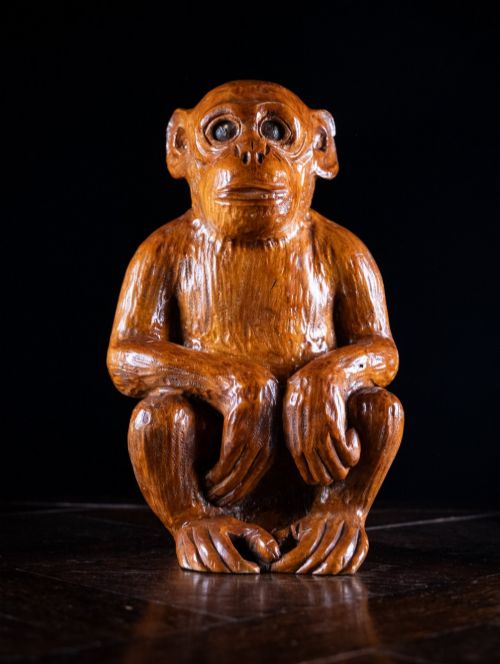
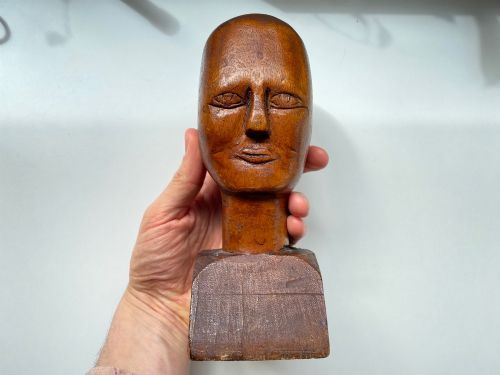
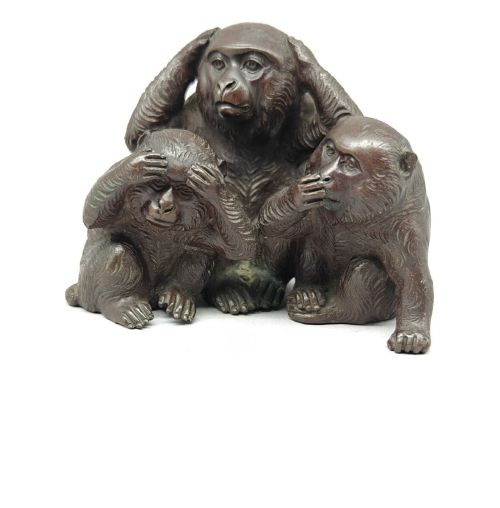
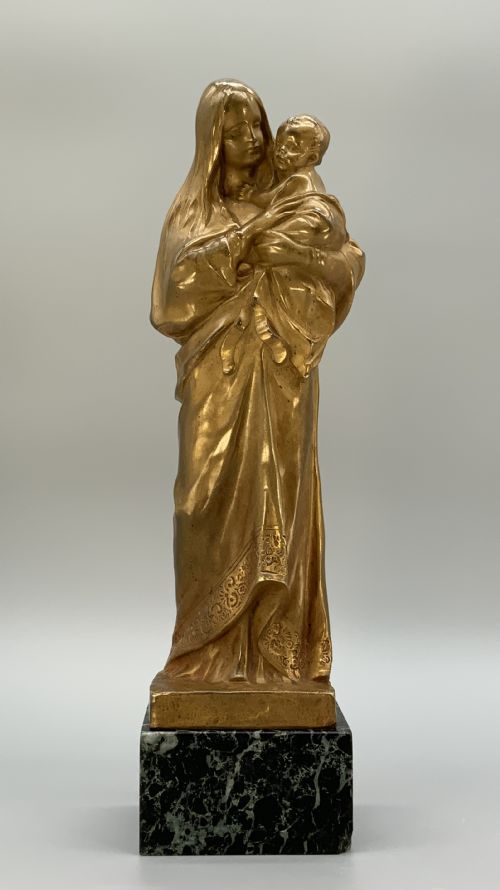
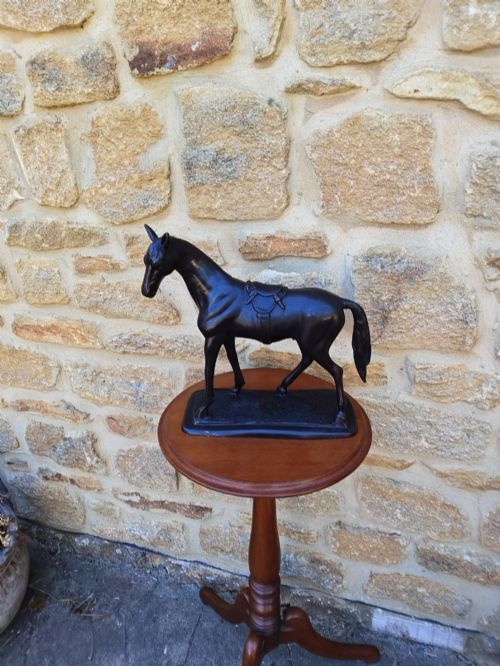
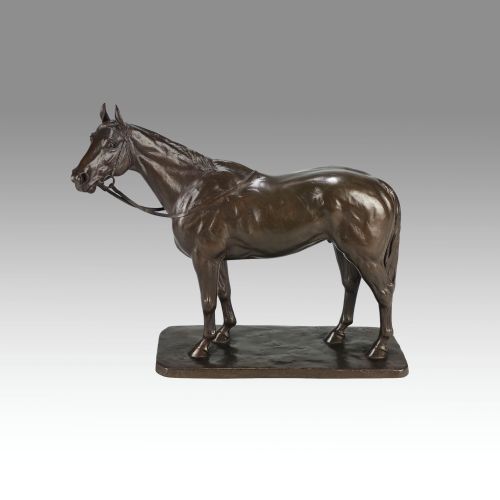
Early 20th century figurines encompass sculptures, statuettes, and figural groups produced from the late 19th century through the 1930s, spanning Art Nouveau, Art Deco, and Orientalist movements. Buyers seeking these pieces will find a diverse selection of human studies, dancers, animals, and mythological subjects.
The most common versions met on this page are cold-painted bronzes by Austrian foundries, dynamic Art Deco dancers, and porcelain figures from European factories. These works reflect the stylistic shifts from ornate Edwardian aesthetics to the clean, streamlined geometries of the 1920s and 1930s.
Materials and Casting Techniques
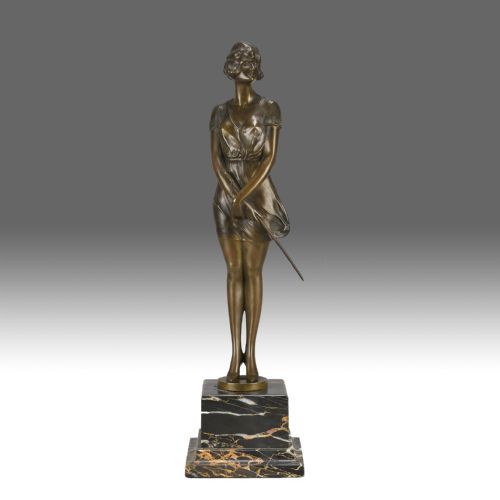
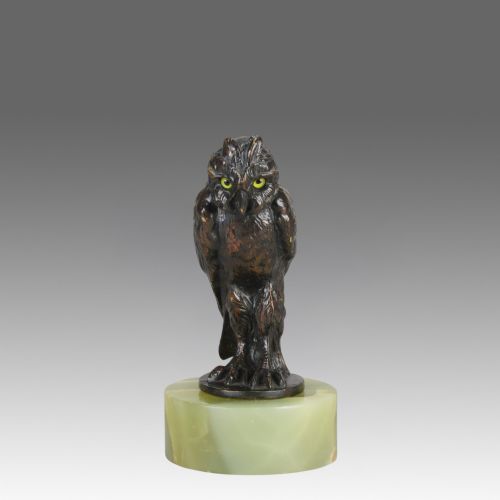
Foundries utilised bronze, gilt bronze, and cold-painted bronze as primary media, often pairing metal sculptures with bases of marble or onyx. The cold-painting technique involved applying multiple layers of polychrome paint to the bronze surface, which was then baked to secure the finish.
Ceramic and porcelain works relied on slip casting and hand-painting with enamel accents. Makers shaped these figures using detailed moulds before firing, occasionally incorporating gilt highlights to accentuate the contours of garments and hair.
Early 20th Century Figurines Retail Price Guide 2026
Typical asking prices for early 20th century figurines among the pieces listed under this phrase on Sellingantiques today, from the lower quarter to the upper quarter. They describe what is for sale here now, not the wider market.
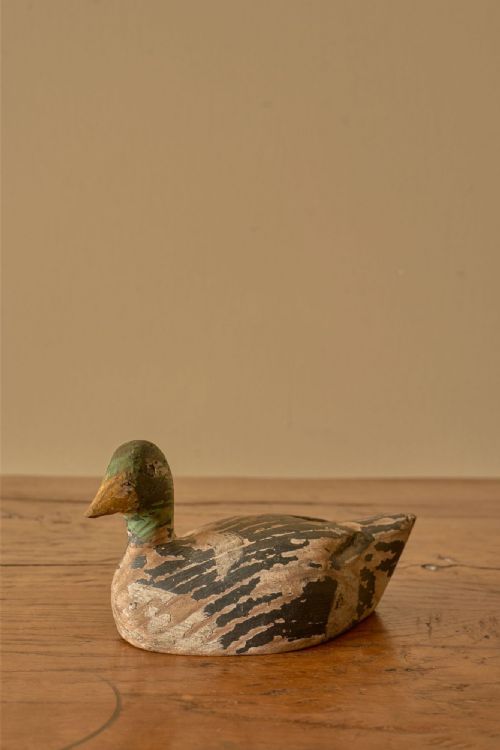
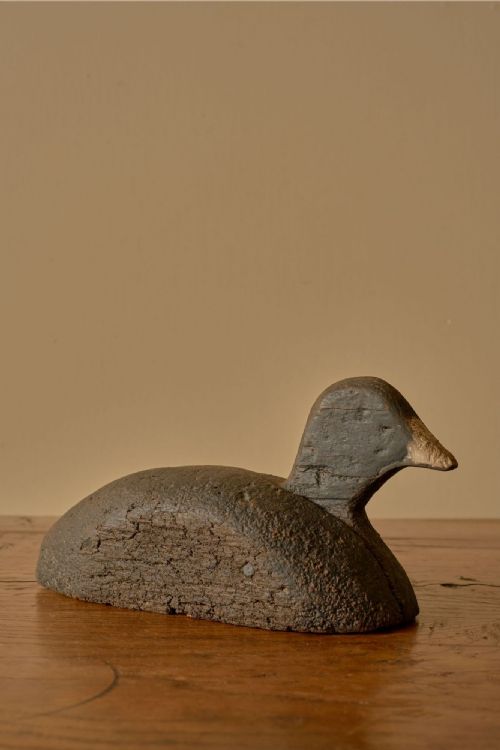
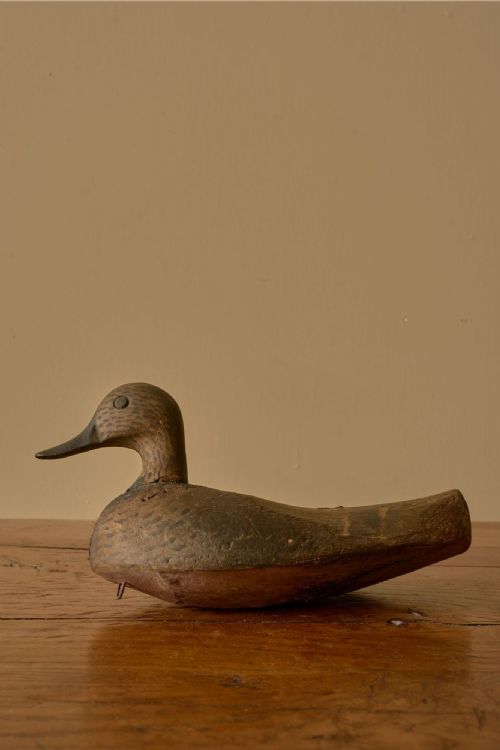
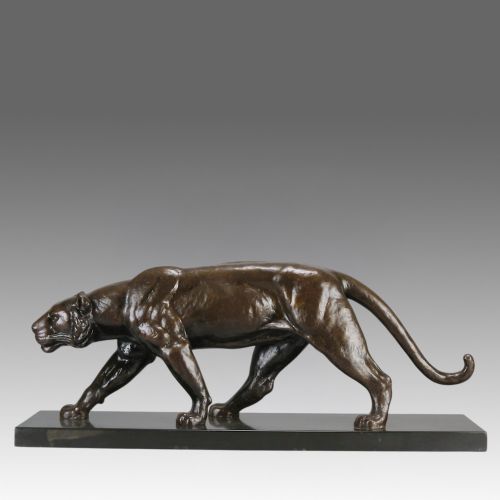
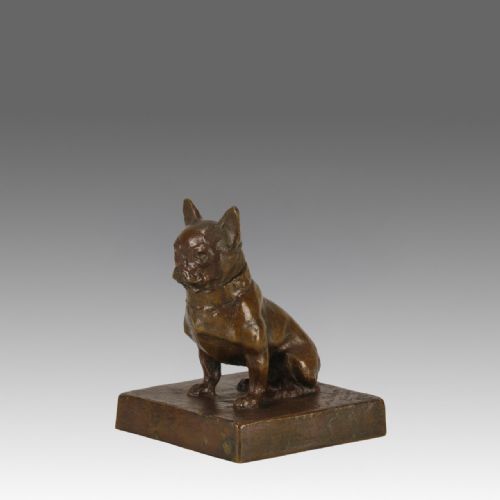
The inventory records multiple cold-painted bronze birds and animals alongside human figures by Austrian and French makers.
Distinguishing Quality Across the Range
Quality in early 20th century figurines rests on the crispness of the casting and the preservation of the original surface finish, whether cold paint, patination, or enamel. Finer bronze examples retain sharp facial expressions and delicate drapery without softening of detail.
The precision of the foundry work and the renown of the modeller or designer dictate the standing of a piece within the range. Works bearing clear signatures or foundry marks display superior finishing in the chasing and mounting.
Bruno Zach·Franz Bergman·Pierre le Faguays·Ferdinand Preiss·Josef Lorenzl·Hans Müller·Alexandre Ouline·Kunio Itô·Demetre Chiparus·Henri Godet·Paul Scheurich·Friedrich Goldscheider·Ernst Wahliss
The Early 20th Century Figurines Glossary
- Cold-painted bronze
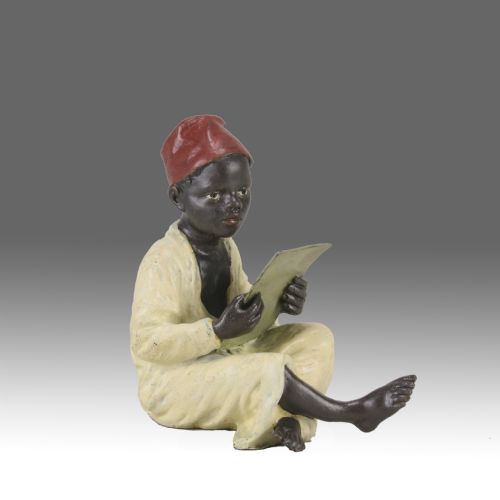
- Bronze sculpture finished with layers of polychrome oil paint that are heated and set rather than fired in a kiln. This technique achieved realistic or vibrant surface colours on animal and human subjects.
- Vienna Bronze
- Small, highly detailed bronze sculptures produced in Austrian foundries, particularly noted for naturalistic animal studies and Orientalist figures. These pieces were frequently cold-painted by hand.
- Slip cast
- A ceramic manufacturing method where liquid clay slip is poured into a plaster mould to create hollow figures with uniform wall thickness. It allowed European factories to mass-produce complex sculptural forms.
- Animalier
- A nineteenth and early twentieth-century artistic style focused on the realistic depiction of animals, often showing them in motion or repose. Sculptors captured anatomical accuracy through careful observation of wildlife.
Early 20th Century Figurines: Frequently Asked Questions
How do I identify cold-painted bronze?
Cold-painted bronze shows layers of applied paint over metal rather than a chemical patina. Examining the surface under magnification reveals the brushwork or pigment texture characteristic of this low-heat painting method.
Over time, handling causes natural wear to the paint layers, particularly on high points and edges. Genuine examples show consistent ageing within the recessed areas of the casting.
What defines Art Deco figurines?
Art Deco figurines feature streamlined forms, geometric clothing folds, and dynamic postures often depicting dancers or athletic figures. These pieces frequently combine bronze with carved ivory, marble, or onyx bases.
The style emerged after the First World War and moved away from the flowing, natural curves of Art Nouveau toward symmetry and modern industrial motifs.
Where were Vienna bronzes made?
Vienna bronzes were produced primarily in workshops located in Vienna, Austria, during the late nineteenth and early twentieth centuries. These foundries specialised in miniature animal groups, human figures, and novelty subjects.
Many of these pieces bear subtle foundry marks or stamped numbers on the underside, though unmarked examples remain common due to the small scale of production.
How do I care for bronze sculptures?
Bronze sculptures require dusting with a soft, dry cloth to prevent particulate buildup on the metal surface. Avoid using chemical cleaners, polishes, or water, which can strip patinas or damage cold-painted finishes.
Keeping pieces away from direct sunlight and high humidity preserves the stability of the paint and prevents corrosion of the underlying bronze alloy.