


Early 20th Century Canvas
Early 20th century canvas brings together oil paintings, steamer trunks and deck chairs spanning the Edwardian period to the 1950s.
Early 20th Century Canvas
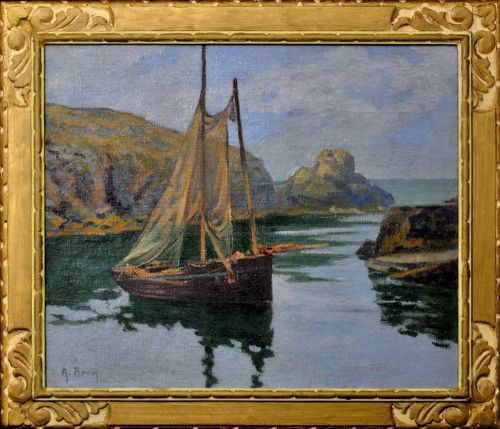
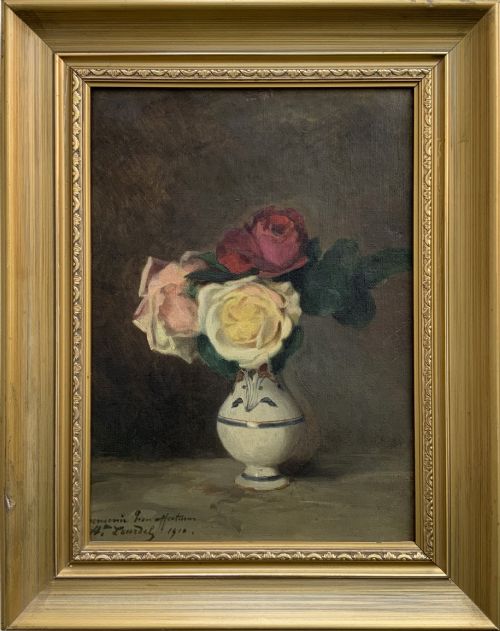
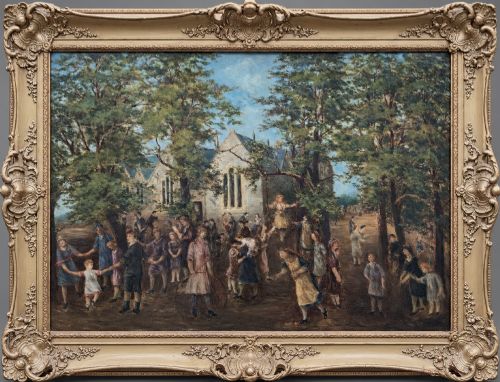
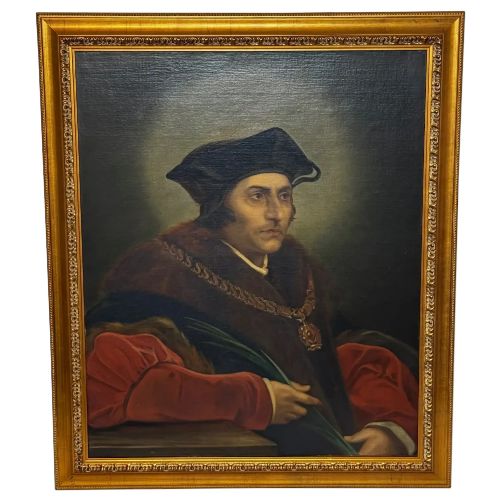
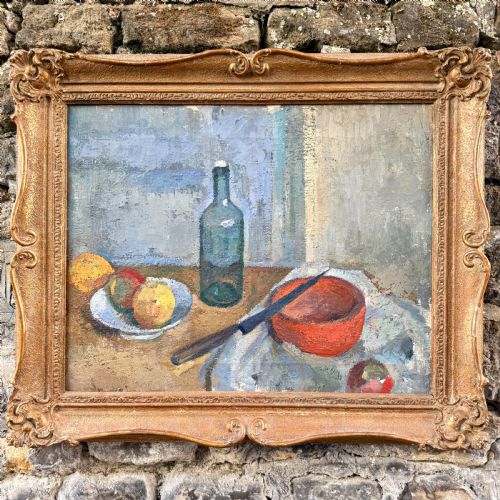
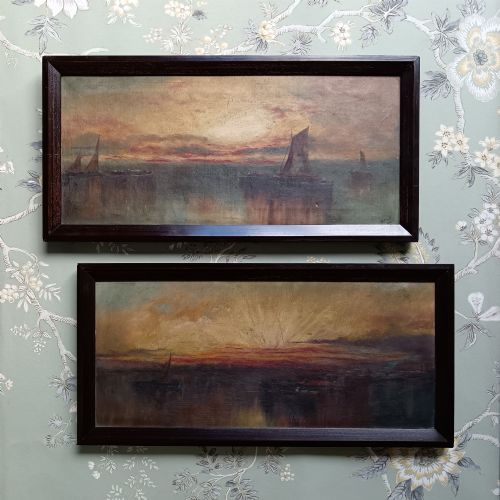
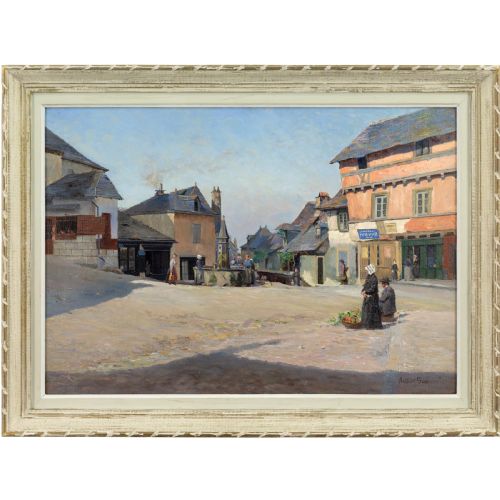
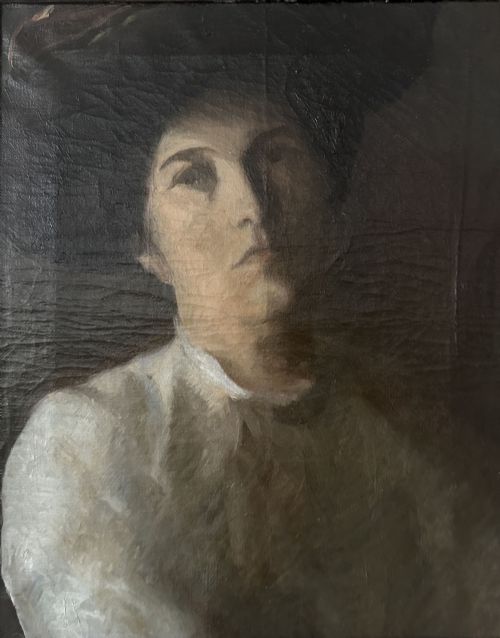
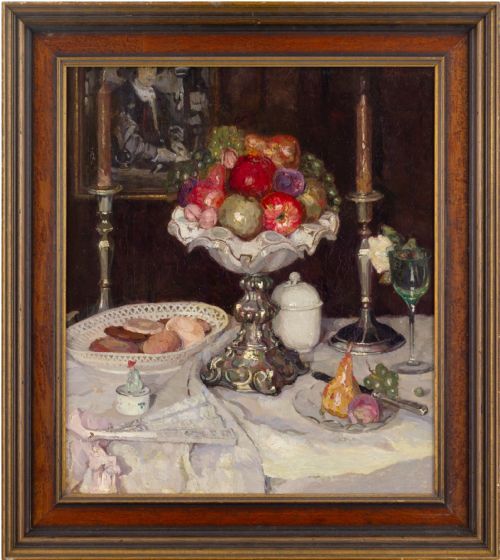
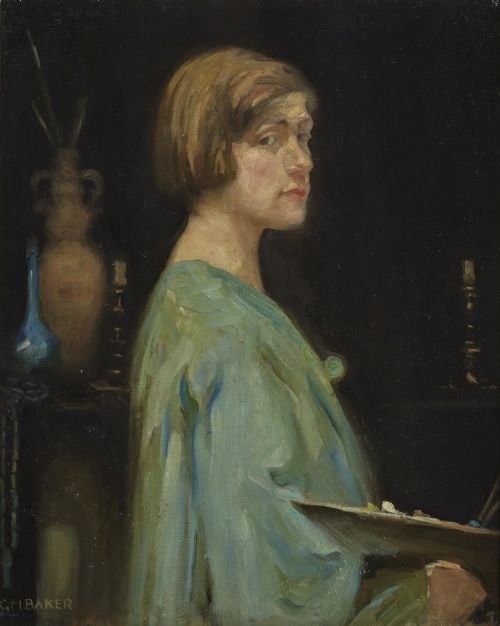
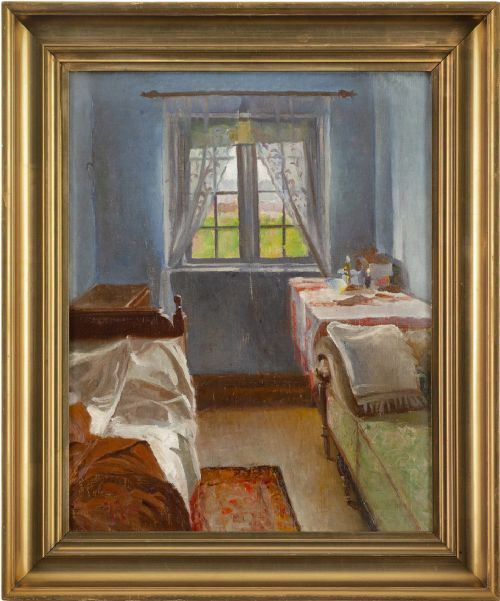
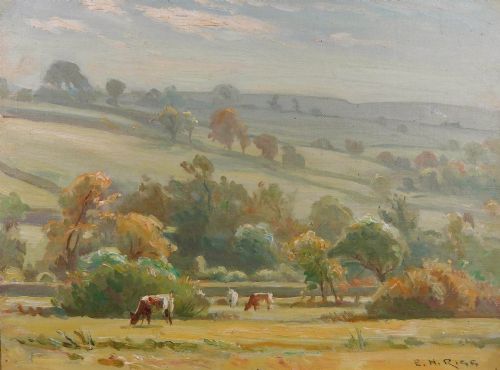
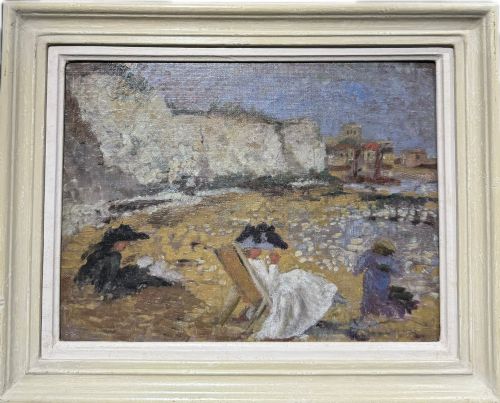
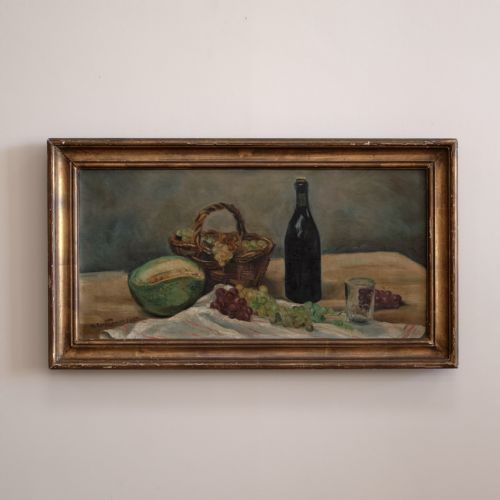
When you search for early 20th century canvas, you encounter a selection dominated by oil paintings on canvas alongside occasional wooden steamer trunks and deck chairs. The paintings depict landscapes, maritime scenes, domestic interiors and portraits stretching from the Edwardian era through the 1920s and 1930s.
Most pieces date between 1900 and 1930, capturing periods such as British Impressionism, Post-Impressionism and Modern British art. Works range from signed portraits by named artists to anonymous landscapes and still life studies.
Beyond stretched artworks, the material category includes functional items built with canvas and wood, representing utilitarian design from the same decades.
Materials and construction
The paintings in this group utilise oil paint applied to woven canvas stretched over wooden frames, sometimes accompanied by gilt frames. Pigments are worked with brushes or palette knives to create texture across landscapes and portraits.
Functional objects combine sturdy wood frameworks with heavy canvas upholstery, fastened for travel and outdoor use in the Edwardian and later decades.
Early 20th Century Canvas Retail Price Guide 2026
Typical asking prices for early 20th century canvas among the pieces listed under this phrase on Sellingantiques today, from the lower quarter to the upper quarter. They describe what is for sale here now, not the wider market.
Listings feature periods from 1900 to the 1950s, with materials spanning canvas, wood, oil paint and gilt.
Assessing quality and execution
Quality rests in the handling of brushwork, composition and the preservation of the canvas surface. Stronger works demonstrate confident draftsmanship and tonal depth in portraiture or landscape.
Attribution to named painters or documented schools such as the Bloomsbury or Slade traditions elevates an item above anonymous studio output.
Sir Thomas More·William H Myers·Arthur Gué·Ernest Higgins Rigg·Reginald Grange Brundrit
The Early 20th Century Canvas Glossary
- Canvas
- A heavy woven fabric used as a support for oil paintings or as durable upholstery for furniture. It provides a textured ground for pigment application.
- Oil Paint
- A slow-drying paint made of pigment particles suspended in a drying oil. It allows for rich colour blending and impasto effects.
- Stretcher
- A wooden frame that holds a painting canvas taut. Corner keys allow for tension adjustment over time.
- Gilt
- A thin layer of gold leaf applied to wood frames. It adds a decorative metallic finish surrounding the canvas.
- Impressionism
- An art style characterised by relatively small, thin yet visible brush strokes and open composition. It prioritises accurate depiction of light.
Early 20th Century Canvas: Frequently Asked Questions
What periods do these canvas pieces cover?
The selection spans from the Edwardian era through the 1920s and 1930s, with examples reaching into the 1940s and 1950s. Most items date from the first three decades of the twentieth century.
Styles range from traditional British landscapes and marine views to Post-Impressionism and modernist works.
Are all the items oil paintings?
While the majority of listings comprise oil paintings on canvas, the category also includes functional objects. You will find wooden steamer trunks and deck chairs incorporating canvas elements.
The paintings cover diverse subjects including still life, portraits, cityscapes and rural scenes.
How do I identify a signed canvas?
Signatures typically appear in the lower corners of oil paintings, inscribed in pigment or graphite. Some works include inscriptions on the reverse or attached paper labels.
Documentation or artist signatures help connect works to specific schools or known painters from the period.
How should I care for an antique canvas?
Keep painted canvases away from direct sunlight and fluctuating humidity to protect the oil pigments and wooden stretchers. Dust the surface gently with a soft, dry brush.
Avoid using water or cleaning solutions on historical oil paint or exposed canvas fabric.