
Early 20th Century Book
An early 20th century book and its surrounding library furniture bring tangible craftsmanship into a study through paper, timber, and metal.
Early 20th Century Book
The search phrase early 20th century book encompasses bound volumes, literature, and the diverse furnishings designed to display and read them.
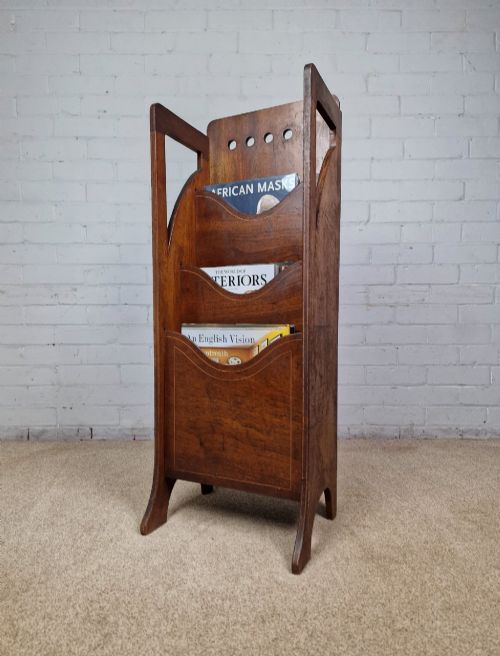
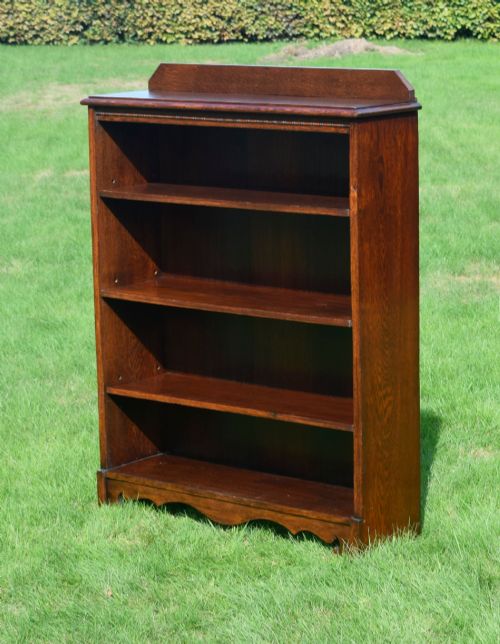
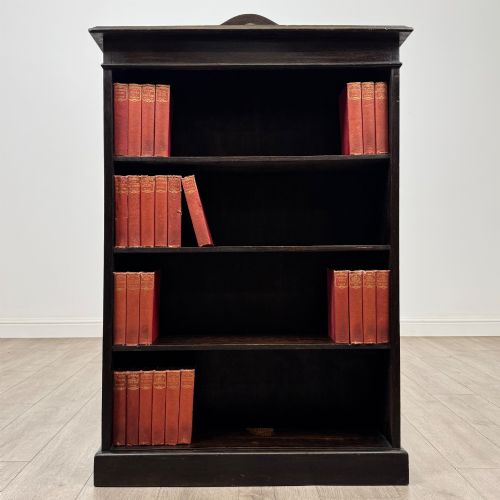
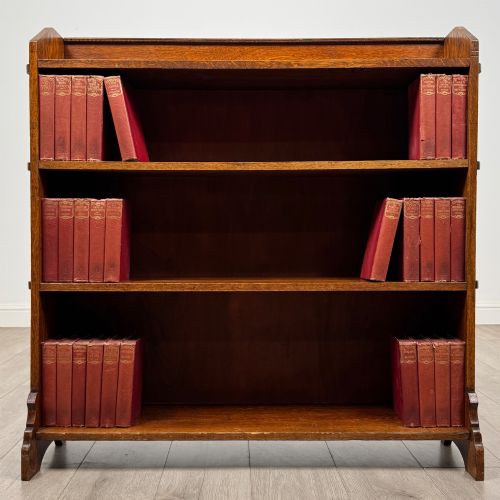
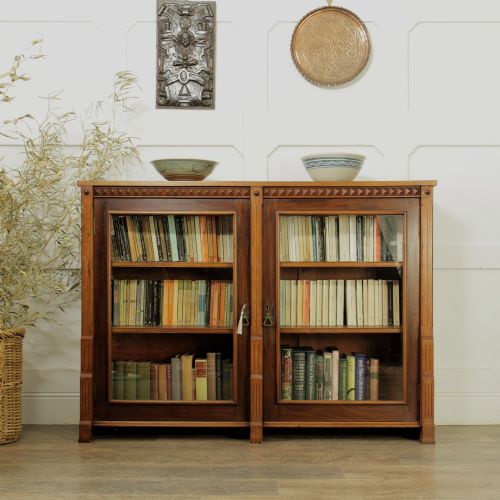
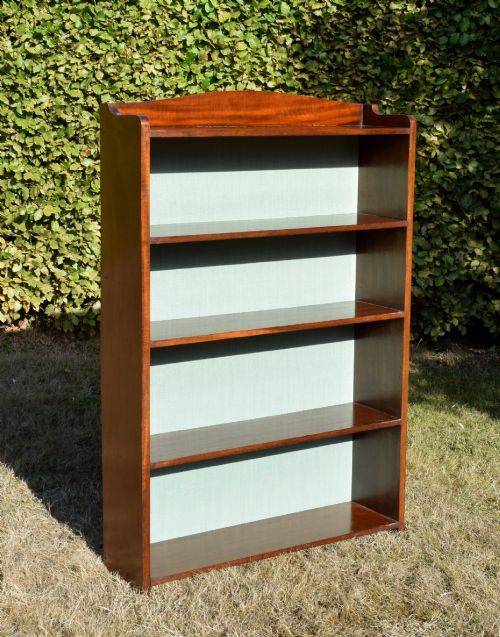
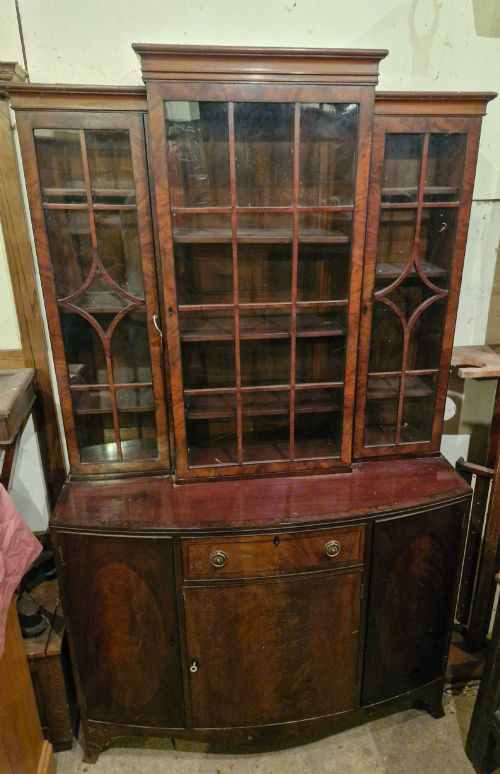
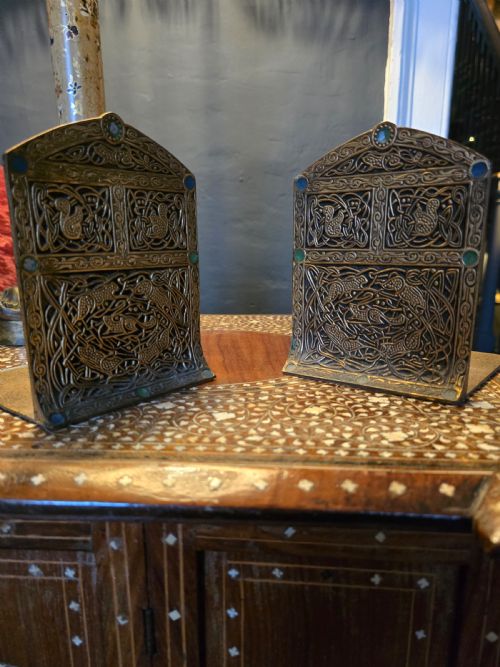
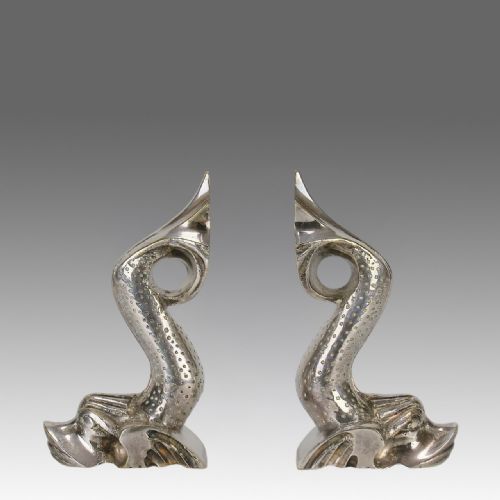
Buyers regularly encounter utilitarian oak bookcases, architectural barrister cabinets, and decorative bookends cast in bronze or brass.
Items span the Edwardian era through the nineteen-thirties, encompassing Arts and Crafts simplicity alongside revived historical styles.
How they were made
Carpenters utilised solid oak, mahogany, and pine to construct sturdy shelving units and reading tables using traditional joinery methods.
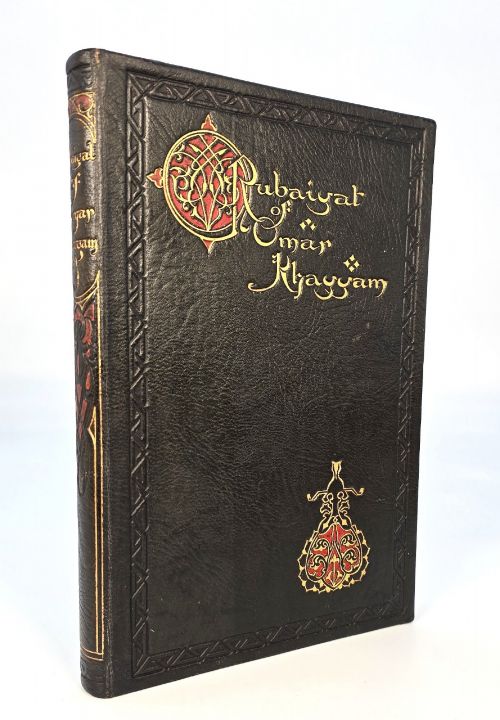
Metalworkers cast bronze, brass, and gilt materials into heavy bookends, while binders stitched paper volumes with gold leaf detailing.
Cast bronze sea lions, squirrels, and silvered fish hold up the libraries of this era.
What varies in quality
Construction methods divide mass-produced items from superior pieces, particularly regarding the thickness of timber and the precision of glazed doors.
Artistic execution dictates the value of metalwork, where finely chased details on bronze bookends surpass simple cast production.
Tiffany Studios New York·F Abella & Sons·Franz Gruber·C Omin·Albert Gilles·Heals·Warwick Goble
The Early 20th Century Book Glossary
- Barrister bookcase
- A sectional wooden bookcase featuring glazed stacking tiers that lift and slide inward. These modular units allowed growing libraries to expand vertically.
- Globe Wernicke
- A prominent maker name often used generically for sectional barrister bookcases. Their patented interlocking designs revolutionised office and home storage.
- Astragal glazed door
- A glass door divided into smaller panes by wooden strips known as astragals. This technique provided structural support for large glass surfaces.
- Arts and Crafts
- A design movement prioritising handcraftsmanship and simple vernacular forms over industrial mass production. Furniture from this ethos typically highlights plain oak timber and exposed joints.
Early 20th Century Book: Frequently Asked Questions
What defines an early 20th century book?
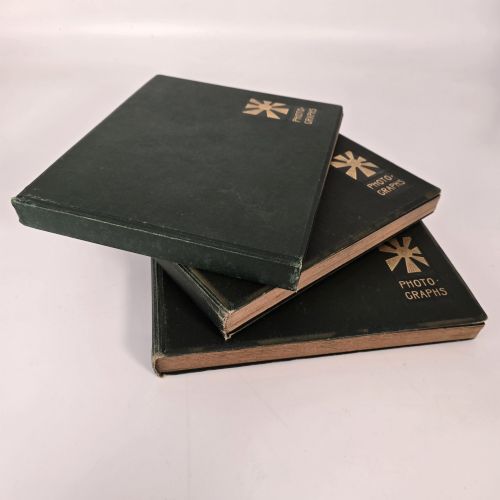
Volumes from this era feature printed text on paper, often bound in leather, cloth, or cardboard with period typography and illustrations.
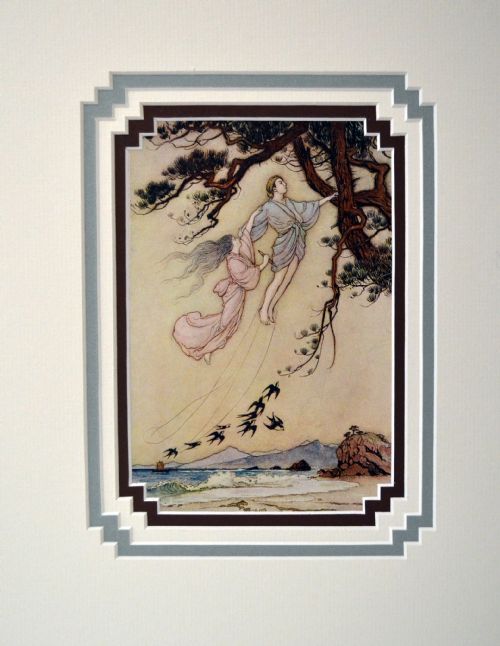
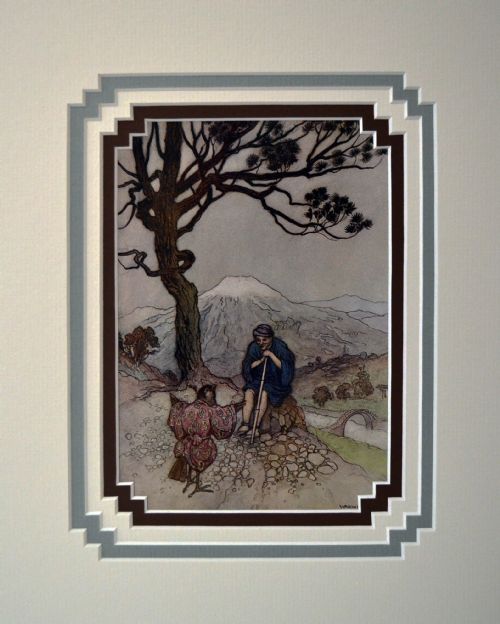
Many surviving examples include specialised editions, poetry collections, and fairy tales produced during the Edwardian and interwar decades.
Where were reading tables used?
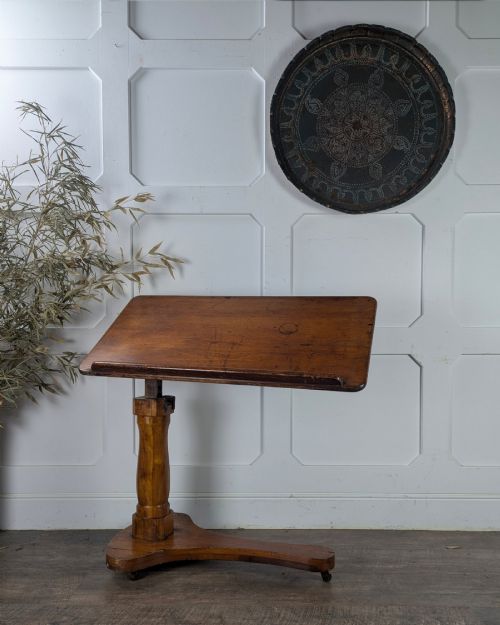
Reading tables and lecterns served scholars, readers, and libraries as adjustable surfaces for large reference volumes and manuscripts. Pine and oak variants supported heavy bindings.
Many examples include tilting mechanisms or integrated bookrests designed to hold open pages at a readable angle.
How do I identify Arts and Crafts furniture?
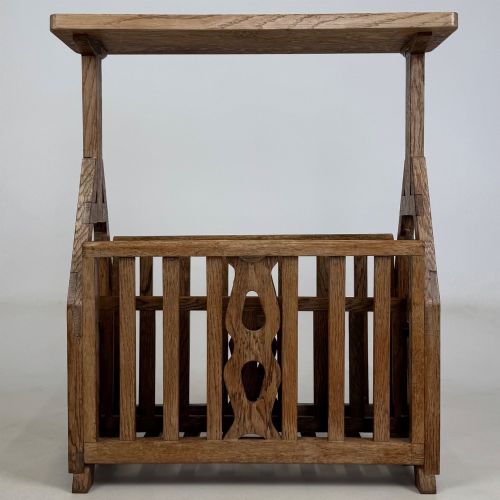
Arts and Crafts pieces rely on unadorned timber surfaces, particularly oak, with an emphasis on visible construction and pegged joints. Decorative cut-outs frequently appear.
These items reject ornate historical revivalism in favour of utility, simple geometry, and honest material expression.