


Early 19th Century Oil
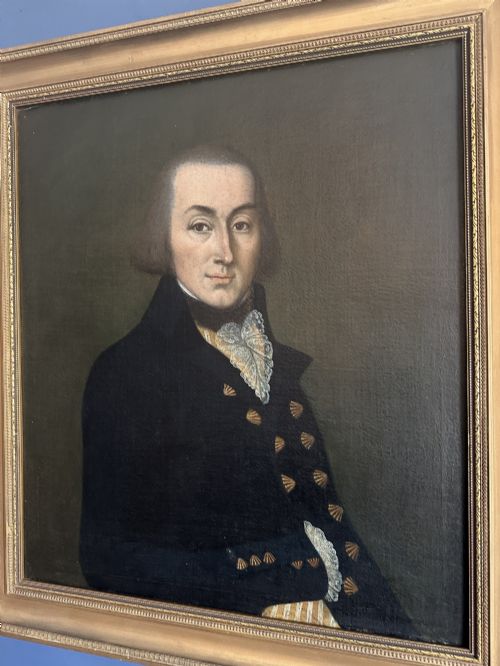
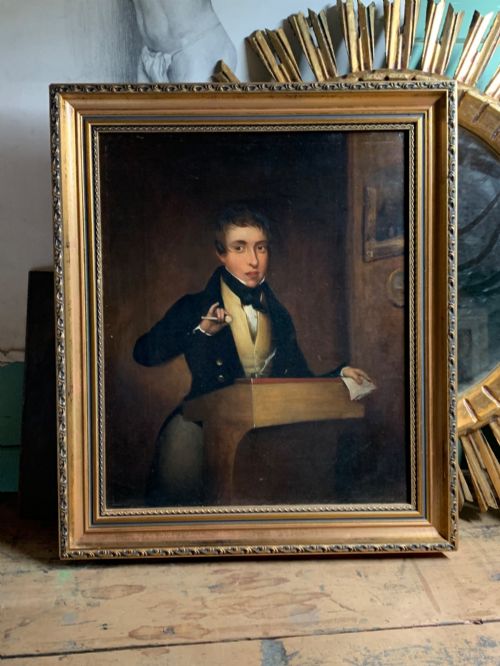
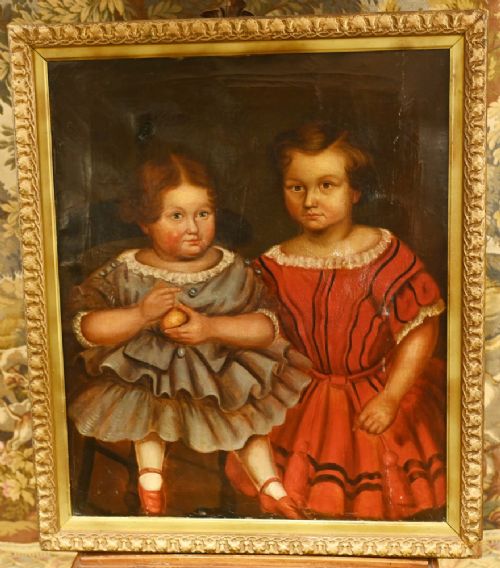
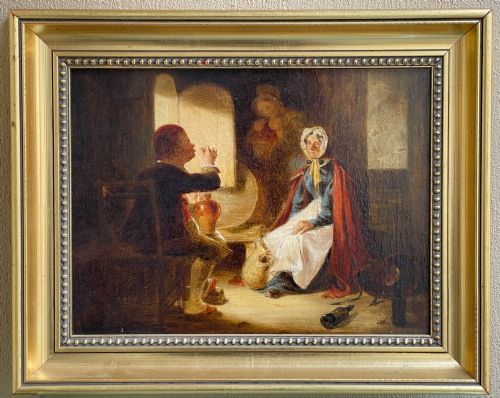
Early 19th century oil paintings bring character and storied presence to a room, offering a direct link to the portraiture, landscapes, and genre scenes of the period.
Early 19th Century Oil
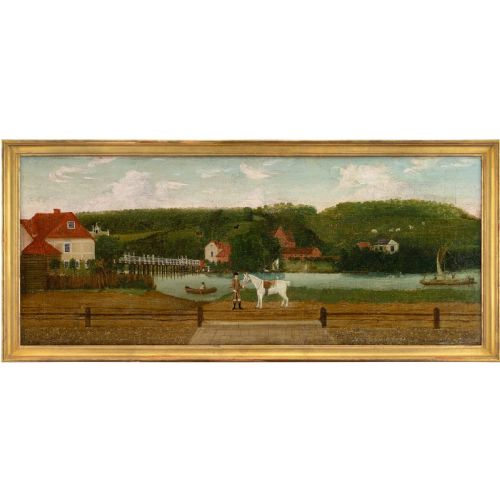
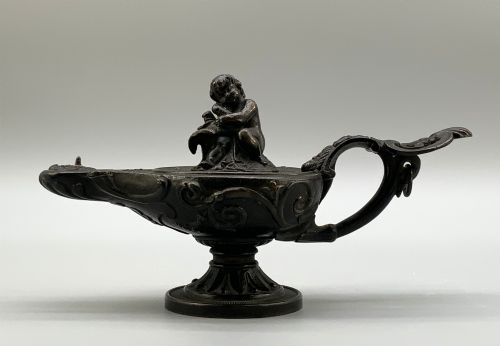
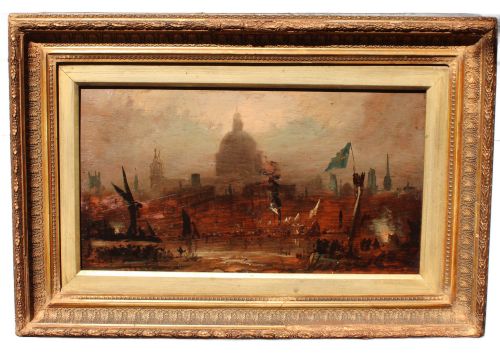
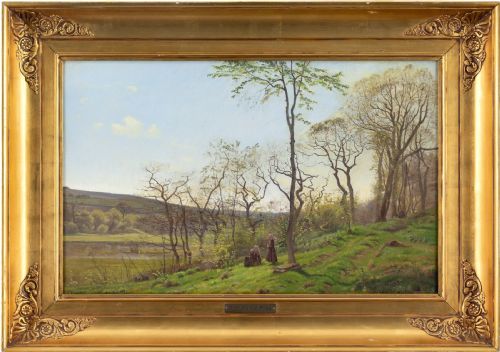
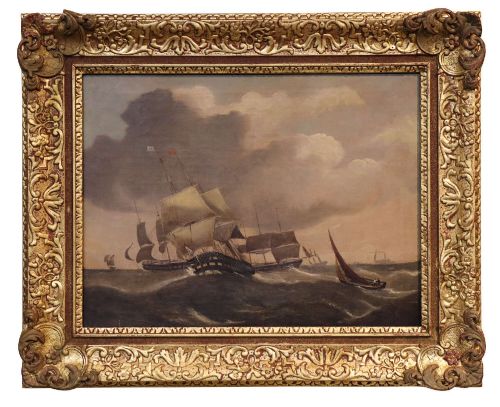
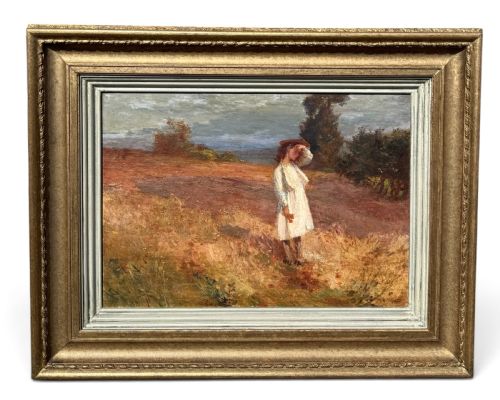
When hunting for early 19th century oil works, you encounter a rich mix of portraiture, landscapes, and maritime scenes spanning the Georgian, Regency, and early Victorian eras. British and continental schools dominate, capturing everything from quiet country house estates to bustling river processions.
Beyond standard canvas works, the selection includes intimate panel paintings, naive studies, and architectural views that reflect the varied tastes of the period. Whether signed by known followers of master painters or originating from anonymous regional hands, each piece provides a tangible window into historical visual culture.
How they were made
Artists of this era primarily applied oil paint to stretched canvas, though prepared wood panels, tin, copper, and paper also served as primary supports. Ground layers were carefully keyed to receive oil pigments, which were built up in thin glazes and opaque applications to create depth and luminosity.
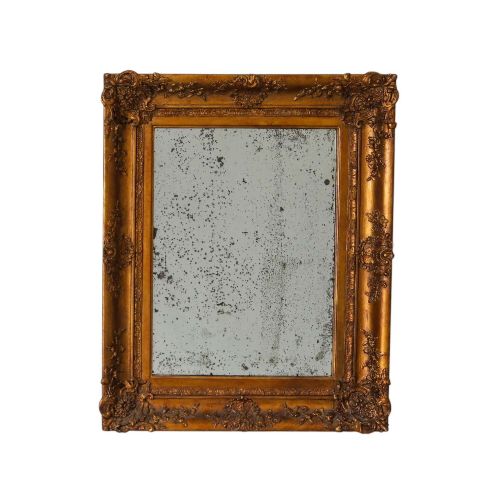
Frames played an integral role in construction, often utilising moulded giltwood, gesso, and gold leaf to complement the finished artwork. Canvas supports were occasionally laid onto board in later conservation efforts to ensure structural stability over time.
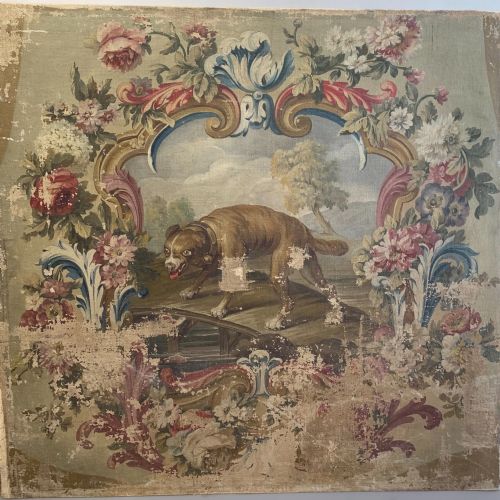
Keep an eye out for unexpected cameos by livestock, including a black horse in an arcadian landscape and a very attentive pig.
What varies in quality
The degree of anatomical precision and perspective handling marks the primary divergence between masterworks and naive or provincial student pieces. Skilled brushwork captures texture, light play, and facial expression with conviction, whereas lesser examples rely on stiff rendering and flat application.
Condition and originality dictate the upper tier of desirability, particularly regarding untouched surfaces, minimal overpainting, and period-correct framing. Works retaining their original stretchers, stable paint layers, and legible back inscriptions command greater appreciation among collectors.
Harald Foss·Umberto Volpato·Herbert Royle·William Egley·Lewis J Wood·George Chinnery·David Cox Senior·Jan van Kessel the Elder·Benjamin Barker of Bath·John Glover
The Early 19th Century Oil Glossary
- Canvas
- A heavy woven fabric stretched across a wooden frame to serve as a primary painting support. It provides a flexible texture that reacts to atmospheric changes.
- Giltwood
- Wood carved and coated with gold leaf or metallic paint to create an ornate decorative frame. These surrounds are often period-specific and add substantial presence to an oil painting.
- Naive art
- Style of artwork created by artists without formal academic training, characterised by charming perspective quirks and direct storytelling. These pieces offer an honest, unvarnished view of everyday life.
- Panel painting
- Artwork executed on a rigid wooden board or metal sheet rather than flexible fabric. Panels provide a completely stable surface that prevents the cracking often found on older canvases.
- Provincial school
- Term designating regional artists working outside major metropolitan artistic centres. Their output records local landscapes and figures with distinctive local character.
Early 19th Century Oil: Frequently Asked Questions
How do I care for an antique oil painting?
Keep the artwork away from direct sunlight, extreme temperature fluctuations, and high humidity to prevent the canvas from warping or the paint layer from cracking.
Dust the surface very gently with a soft, dry brush, and avoid using any water, cleaning fluids, or chemical sprays on the paint or gilt frame.
Were these paintings always framed in gold leaf?
Giltwood and gold leaf frames were exceedingly popular for formal portraits and landscapes during the Georgian and Regency periods to catch candlelight and daylight.
Many paintings have retained their original frames, while others were reframed later in the nineteenth or twentieth century to match changing interior aesthetics.
How can I tell a naive painting from a formal school piece?
Naive paintings are typically produced by self-taught artists who ignore strict rules of perspective and anatomical proportion in favour of direct expression and flat colour planes.
Formal school works demonstrate academic training through careful handling of light, shadow, and three-dimensional depth across the canvas or panel.
What is the difference between canvas and panel supports?
Canvas is a woven textile stretched over a wooden frame, offering slight give and a textured surface that interacts visibly with thicker oil paint applications.
Panels are rigid supports made from wood, tin, or copper that provide a completely smooth base, often favoured for highly detailed cabinet paintings and miniature works.