


Early 19th Century Oil Artwork
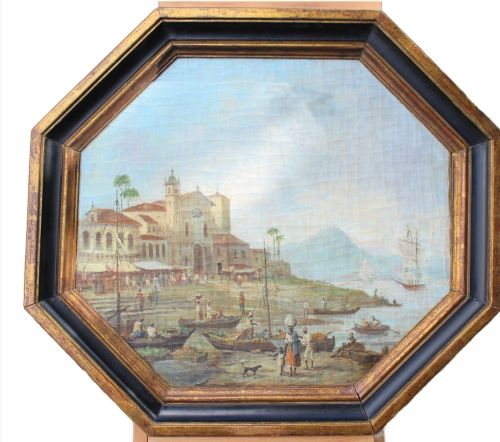
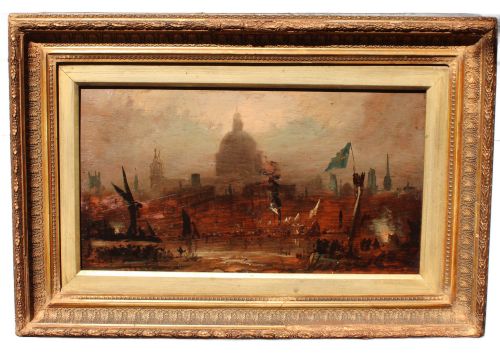
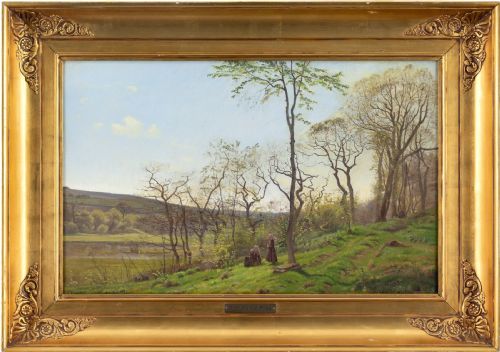
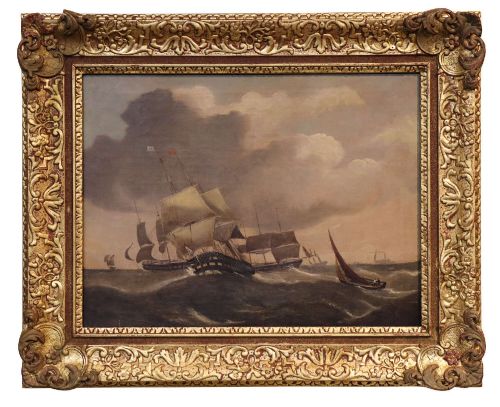
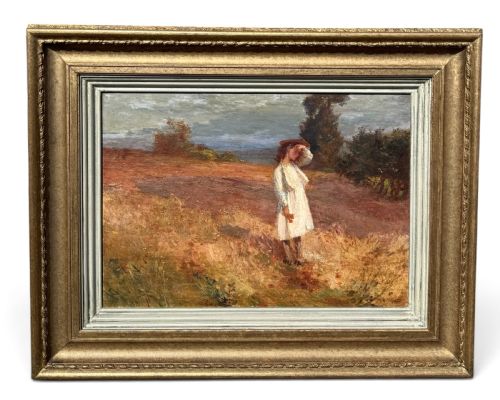
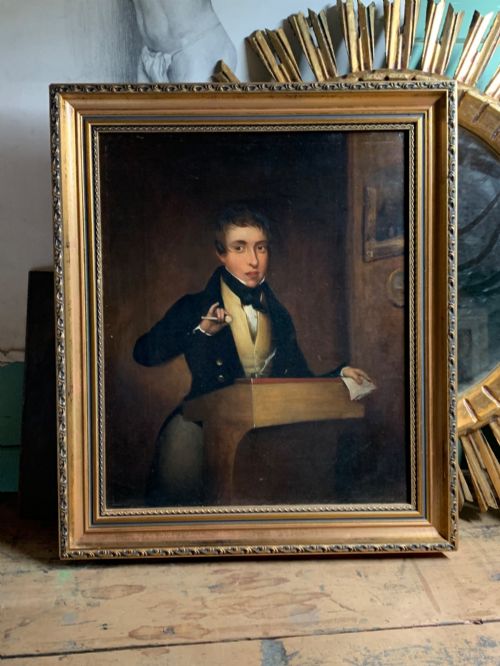
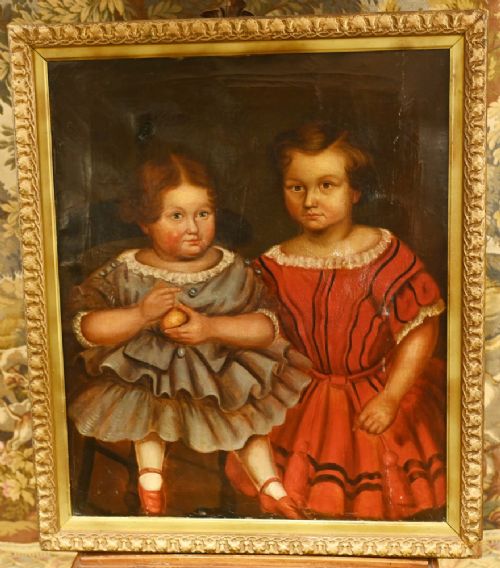
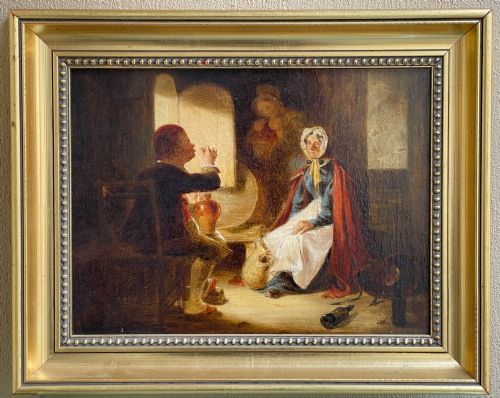
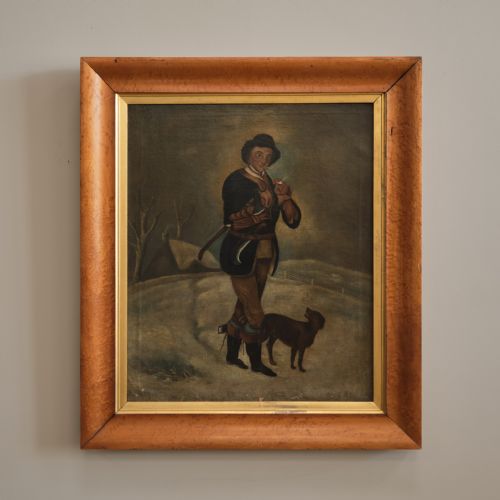
These early 19th century oil artwork pieces capture landscapes, portraits, and marine scenes on canvas and wood panel that anchor a traditional interior.
Early 19th Century Oil Artwork
When searching for early 19th century oil artwork, collectors encounter figurative portraits, marine shipping scenes, and topographical landscapes spanning the Georgian and Regency periods. The selection here leans heavily towards British and European schools, capturing everything from quiet rural waterways to formal portraiture.
The format ranges from intimate oil studies on paper and panel to large canvases depicting coastal views and estate horses. Works often reflect the romantic and naive movements of the era, produced by regional practitioners as well as major academic circles.
Materials and Construction
Pigments were mixed in oil mediums and applied primarily to woven canvas or prepared wood panels, occasionally supported by gold leaf accents and giltwood framing. Some surfaces show later conservation measures such as canvas laid onto board.
Framing often incorporates heavy gilt mouldings typical of the Regency and Victorian periods, matching the warm tones of the oil paint beneath.
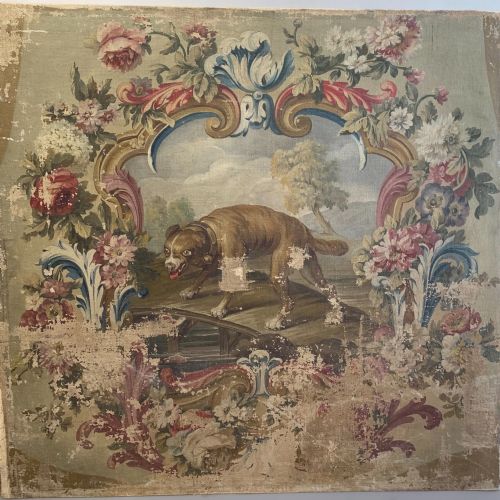
One early canvas apparently served as a working cartoon for an Aubusson tapestry before finding a life as a finished painting.
Assessing Quality and Execution
Quality reveals itself in the handling of light, anatomical proportion, and brushwork confidence, distinguishing accomplished academic output from provincial naive efforts. A master hand demonstrates depth through layered glazes, whereas lesser examples rely on flat application and stiff figures.
The integrity of the original support matters greatly, with undisturbed canvases retaining more character than those heavily relined or patched over the decades.
Harald Foss·Umberto Volpato·Herbert Royle·George Chinnery·John Syer junior
The Early 19th Century Oil Artwork Glossary
- Oil on Canvas
- Pigment bound in drying oil applied to a woven fabric stretched across a wooden frame. This primary support dominates the period.
- Wood Panel
- A rigid flat surface made of timber used as a base for painting before canvas gained total dominance. Panels offer a smooth ground for fine detail work.
- Giltwood
- Wood carved and covered with a thin layer of gold leaf. It defines the ornate frames associated with these paintings.
- Naive Art
- Artwork created by a person without formal academic training, often characterised by a charming disregard for perspective. The selection contains several distinct examples.
- Marine Painting
- Artwork depicting ships, coastal views, and maritime battles. These pieces reflect the naval dominance and trade of the era.
Early 19th Century Oil Artwork: Frequently Asked Questions
What subjects are most common?
Portraits of gentlemen and children, rural landscapes, and coastal marine views dominate the selection. These reflect the domestic and commercial preoccupations of the period.
Agricultural scenes and animal paintings, including horses and hunting dogs, also appear frequently across various European schools.
How do I identify the period?
Stylistic markers such as Regency dress, Romantic landscapes, and specific canvas preparations point directly to the early nineteenth century. Back inscriptions and signatures often provide definitive dates.
Framing styles and historical subjects further anchor the work within the Georgian era.
Can these paintings be re-framed?
Many works retain their period giltwood frames, which form an integral part of the historical object. Collectors generally preserve these matching frames where possible.
If re-framing is necessary for conservation, traditional moulding profiles should be chosen to complement the era of the artwork.
How should I care for an oil painting?
Keep the artwork away from direct sunlight and fluctuating humidity to prevent cracking in the oil paint layer. Gentle dusting with a soft, dry brush is sufficient for routine maintenance.
Avoid using liquid cleaners on the canvas surface, as moisture damages the delicate paint and ground layers.