

Dutch Still Life
Dutch still life paintings capture the enduring appeal of seventeenth-century domestic abundance through meticulously rendered florals, game, and tabletop displays.
Dutch Still Life
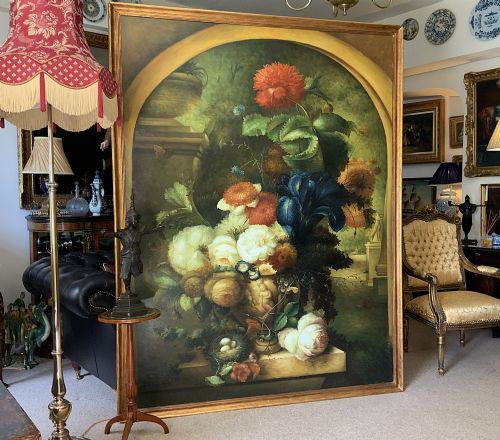
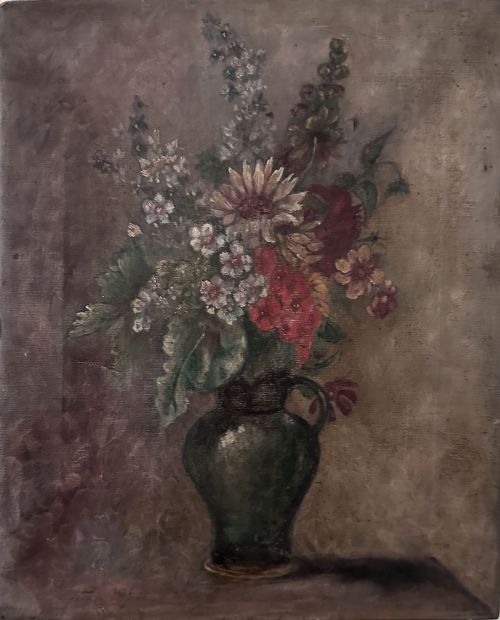
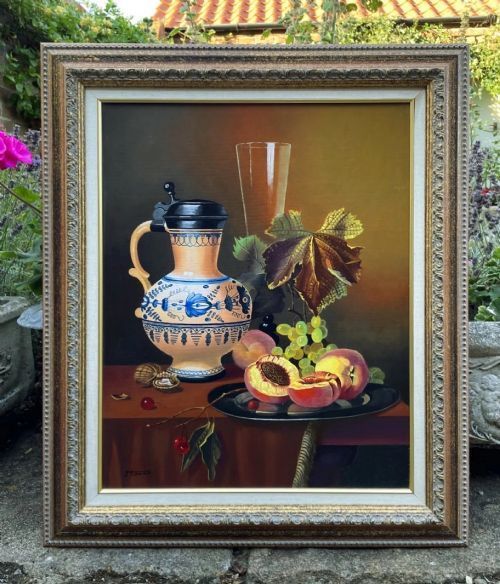
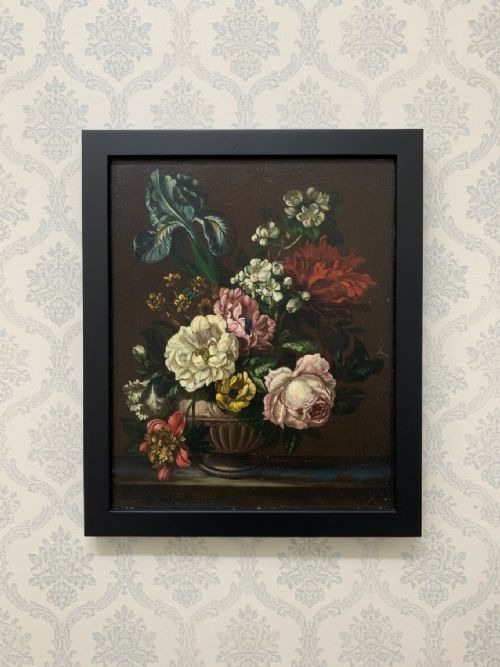
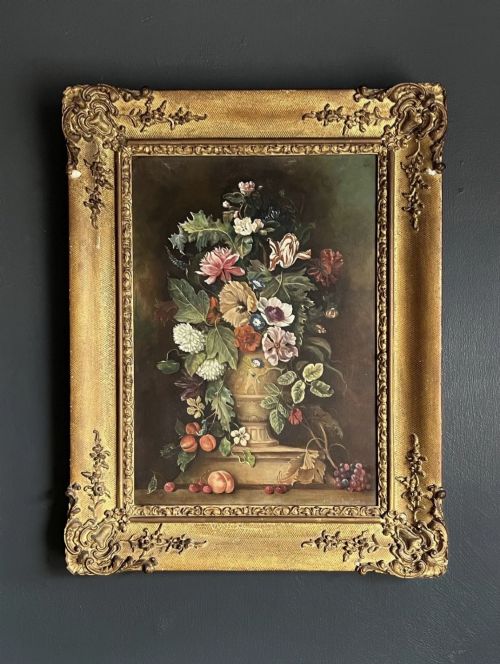
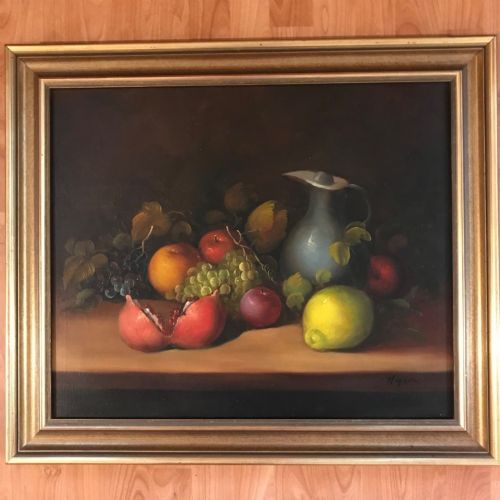
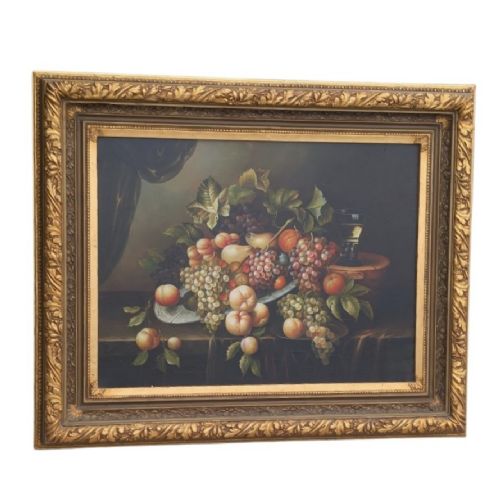
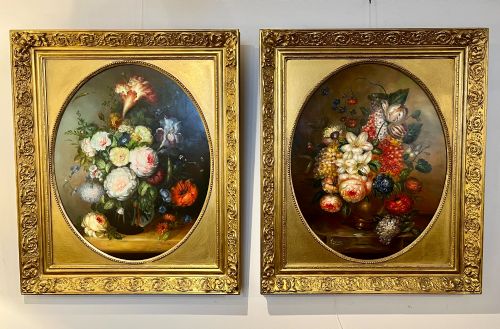
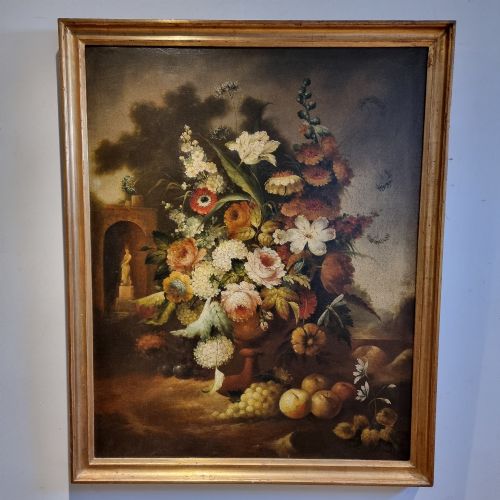
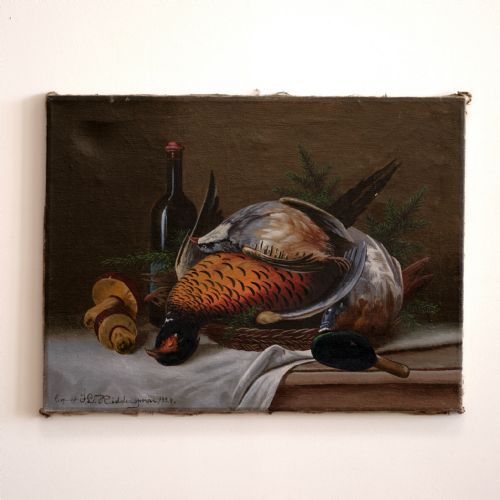
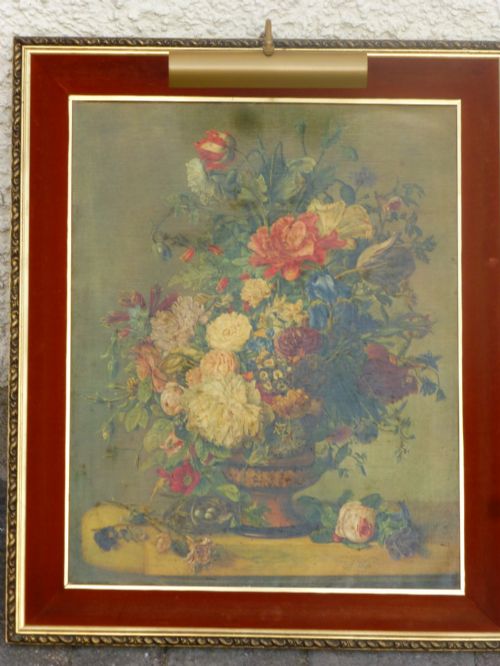
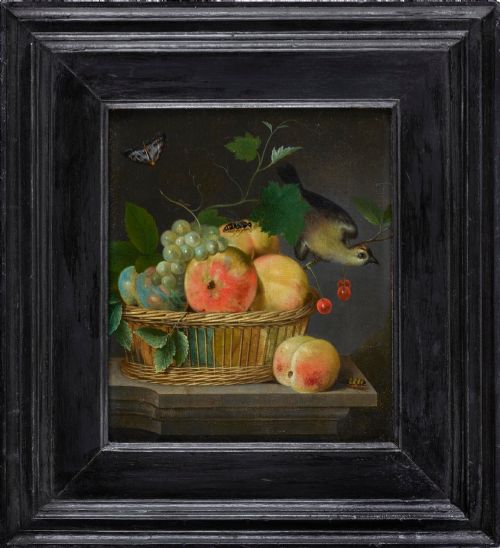
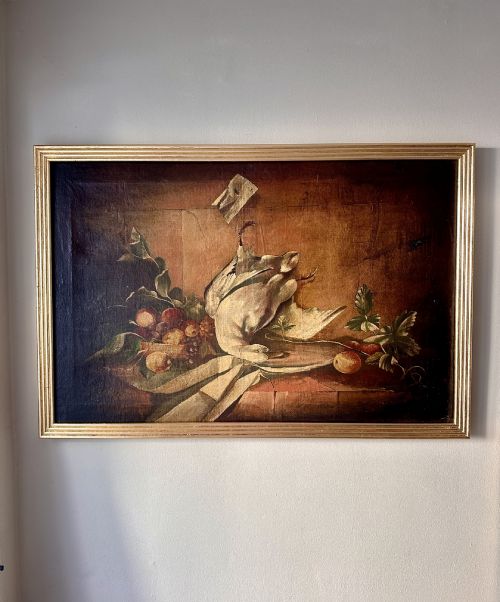
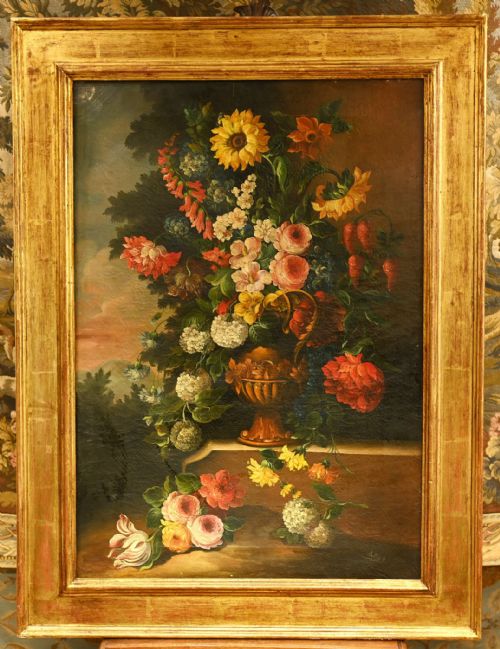
A search for dutch still life brings forward centuries of oil paintings depicting arrangements of flowers, fruit, dead game, and household objects. These works draw heavily on the traditions of the Dutch Golden Age, focusing on intense realism and symbolic compositions.
The selections available here range from seventeenth-century originals and period works to later nineteenth-century interpretations and twentieth-century revivals. Buyers encounter everything from intimate wood panels to monumental canvas pieces framed in gilt gesso.
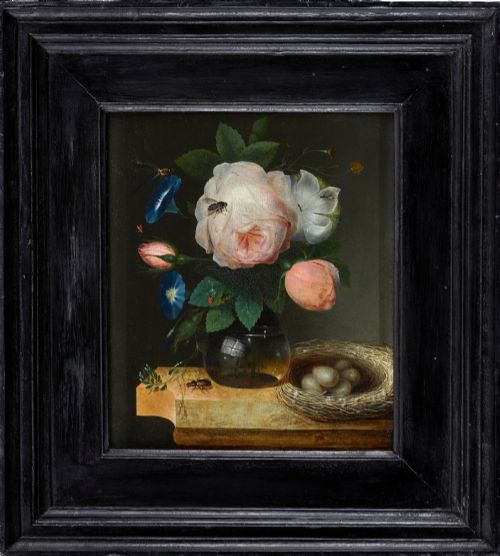
Many of the works on view follow the Flemish Baroque or Dutch School traditions, grouping natural specimens such as tulips, roses, and birds' nests alongside pewter or blue and white porcelain vessels.
Materials and Technique
The works recorded in these listings rely primarily on oil paint applied to canvas, wood panels, or oak boards, occasionally utilising metal supports. Artists built up these compositions using rich layers of pigment to achieve deep shadows and luminous highlights on flora and fauna.
Frames play a crucial structural and aesthetic role, frequently consisting of gilded wood, gesso, or ripple-moulded designs that complement the dark, dramatic backgrounds typical of the genre.
Several canvases manage to include uninvited guests, capturing dogs mid-theft or cats peering hungrily at baskets of fresh fish.
Assessing Quality
Quality in these paintings rests on the precision of brushwork, particularly in the rendering of delicate textures such as translucent petals, insect wings, and the reflective surfaces of glass vases. Superior examples demonstrate a careful balance of composition and naturalistic lighting.
The depth of the artist's palette and the preservation of the original support surface distinguish finer works from more decorative or formulaic later copies.
Gaspar Peeter Verbruggen·Frans Snyders·Simon Pietersz Verelst·Julien Stappers·Jurrien Beek
The Dutch Still Life Glossary
- Dutch School
- A term describing painters working in the Netherlands or artists adopting their distinct stylistic methods and subject matter. This grouping encompasses centuries of artistic output focused on realism and domestic scenes.
- Gesso
- A plaster-like mixture applied to wood panels or frames to prepare a smooth surface for painting or gilding. It provides the foundation for intricate relief ornamentation on period frames.
- Trompe l'oeil
- An artistic technique that uses realistic imagery to create the optical illusion that the depicted objects exist in three dimensions. These compositions often feature flat items rendered with startling spatial accuracy.
- Panel painting
- The practice of applying oil paint to a rigid wooden support, such as oak or mahogany, rather than stretched canvas. This method was common in earlier centuries to ensure stability.
Dutch Still Life: Frequently Asked Questions
How do I date a Dutch still life painting?
Dating relies on examining the physical support material, such as oak panels versus later canvases, alongside the framing style and pigment characteristics. Stylistic clues within the flora and tableware also point to specific centuries of production.
Later nineteenth and twentieth-century revivals often employ brighter palettes and machine-woven canvases that differ from seventeenth-century preparation methods.
What subjects are most common in these works?
Floral arrangements featuring tulips, roses, and spring blossoms dominate the genre, frequently accompanied by butterflies, birds' nests, or insects. Other recurrent subjects include harvested fruit, silver vessels, and hunting trophies or dead game.
These motifs often carried symbolic meanings concerning the transience of life, a central theme in historical European painting traditions.
Are these paintings originals or later copies?
The inventory contains a mix of period originals, attributed works, and later interpretations created in the style of seventeenth-century masters. Signatures, brushwork analysis, and panel construction help determine whether a piece is a primary work of the period.
Many nineteenth and twentieth-century artists consciously painted in the manner of the Dutch Golden Age to satisfy Victorian and Edwardian demand.
How should I display a heavy framed oil painting?
Large framed artworks, particularly those with substantial gilded gesso frames, require secure wall anchors fixed directly into structural studs. Weight distribution is critical for pieces spanning several feet across.
Position paintings away from direct sunlight and fluctuating heat sources to protect the oil pigments and wooden supports from cracking.