




Dutch Still Life Oil Painting
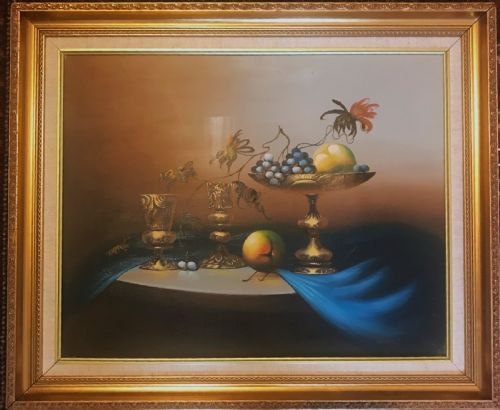
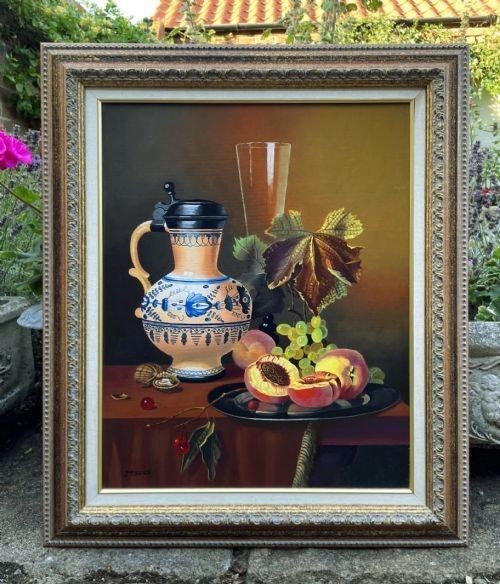
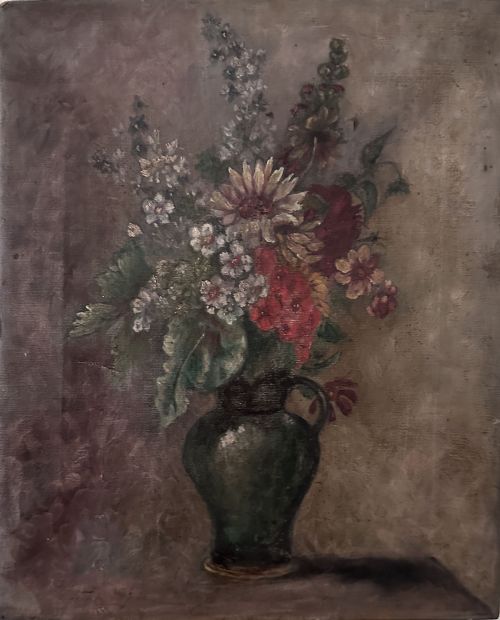
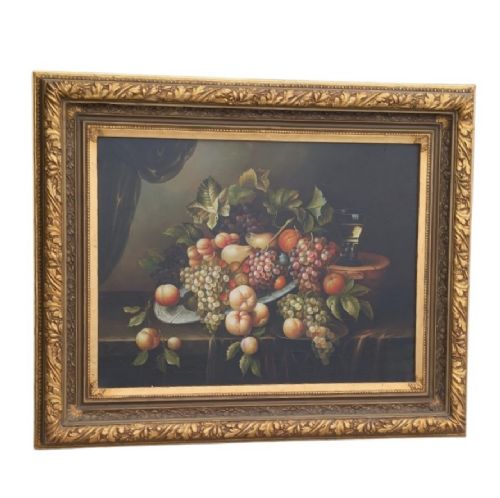
These dutch still life oil painting examples capture meticulous arrangements of fruit, flora and game, bringing centuries of European interior drama into a room.
Dutch Still Life Oil Painting
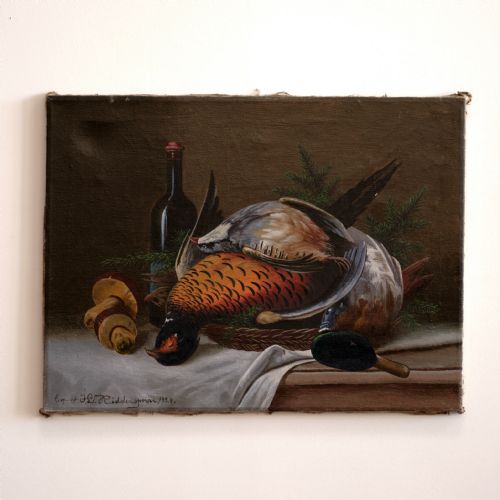
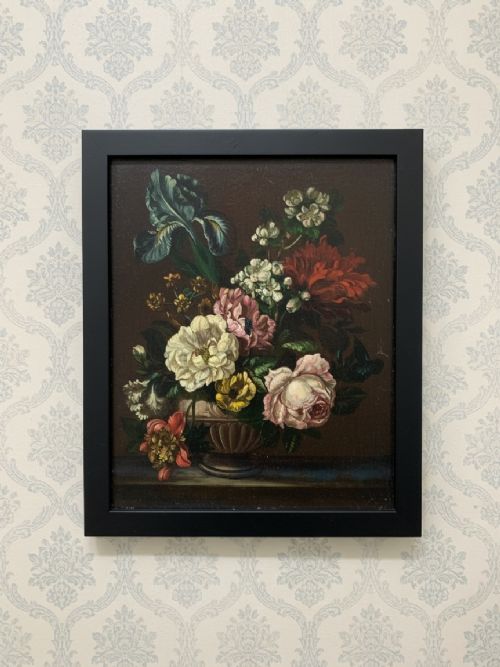
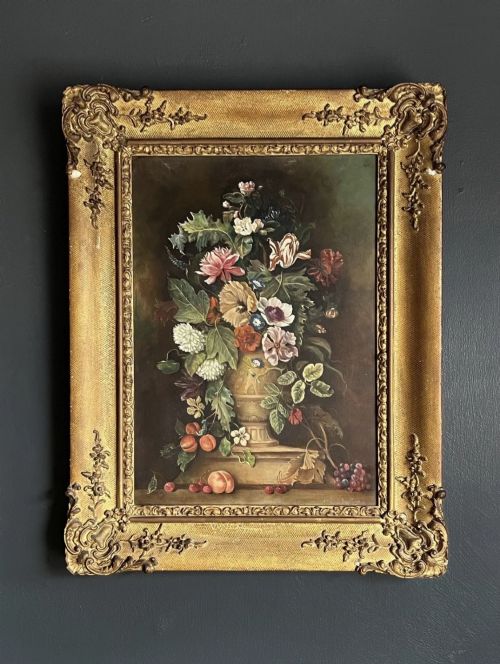
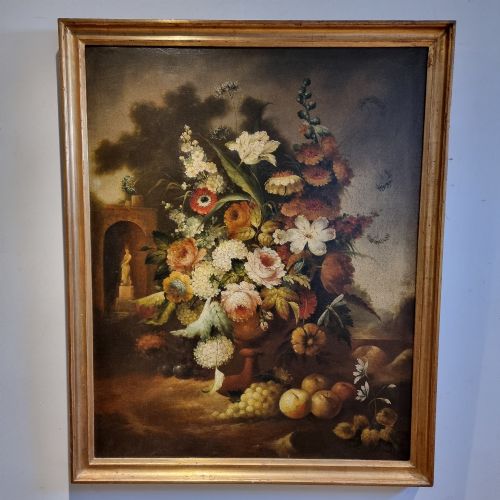
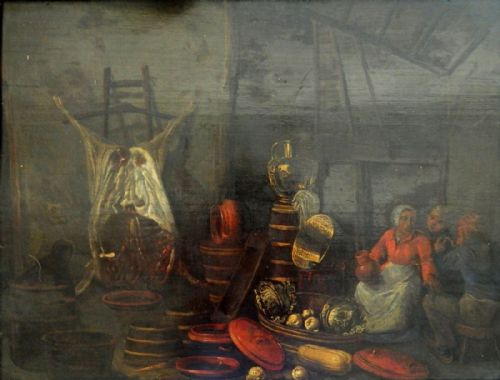
A dutch still life oil painting focuses the eye on carefully composed subjects such as seasonal blooms, laden banquet tables, and game. These works echo the traditions of the Golden Age and Baroque periods, celebrating abundance and meticulous detail.
The selections available range from 17th-century pieces to later 19th-century and mid-20th-century interpretations. Many follow the Dutch School or Flemish Baroque traditions, executed in oil on canvas, wood panels, or board.
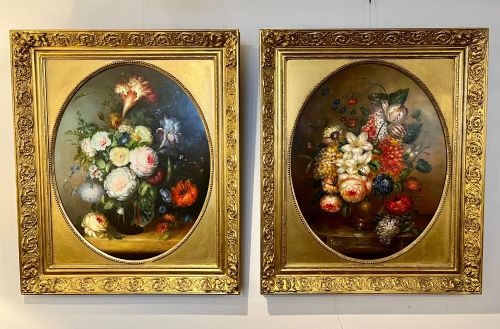
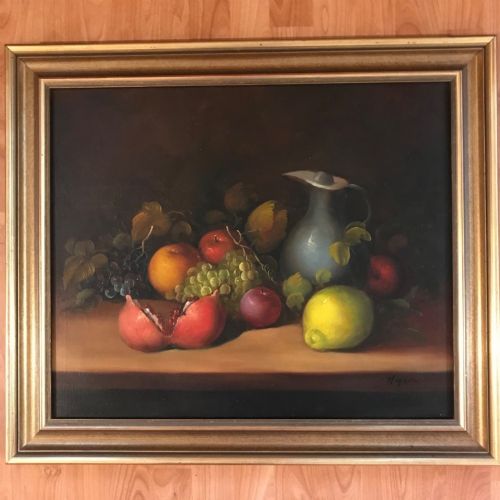
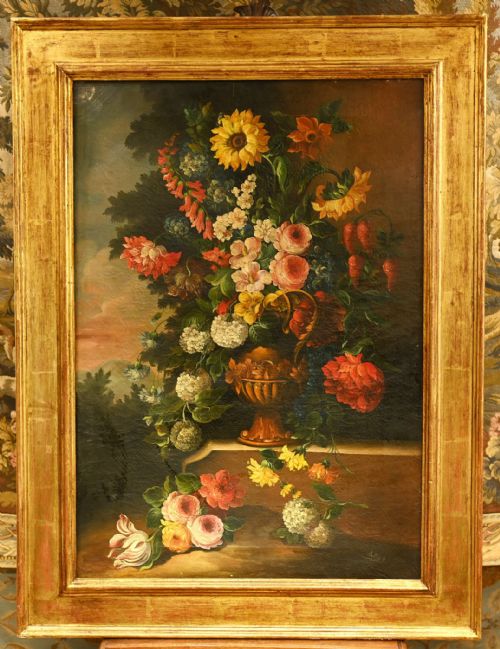
Buyers frequently encounter works depicting vases of spring flowers, blue and white jugs, and baskets of fruit. Both single canvases and matching pairs appear across the selection, often housed in period frames.
Materials and technique
Artists built these compositions using oil paint applied to canvas, wood panels, or board. The physical support determined the handling of the medium, with panels allowing for tight, smooth precision and canvas accommodating larger gestures.
Frames play a significant role in the presentation of these works, with many historic examples set within gilded wood or gesso frames. Gold leaf details enhance the richness of the framing, complementing the dark, atmospheric palettes typical of the genre.
Dutch Still Life Oil Painting Retail Price Guide 2026
Typical asking prices for dutch still life oil painting among the pieces listed under this phrase on Sellingantiques today, from the lower quarter to the upper quarter. They describe what is for sale here now, not the wider market.
Distinguishing quality
Quality rests in the handling of light and texture, where superior works render the glistening skin of fruit, the translucent petals of flowers, and the varied surfaces of dead game with conviction. The depth of the dark background and the subtlety of shadow separate more accomplished compositions from simpler decorative efforts.
The integration of the frame with the painting matters greatly, as original or period-appropriate gilt gesso frames contribute substantially to the cohesion of the object. Condition of the paint layer, minimal intervention, and stability of the underlying canvas or wood panel also define the standing of a piece.
Gaspar Peeter Verbruggen·Frans Snyders·Terence Loudon·William Jones Of Bath·Julien Stappers
The Dutch Still Life Oil Painting Glossary
- Dutch School
- A grouping of artists working in the Netherlands, or following the stylistic traditions established by them during the 17th century. This term covers a specific approach to realism, lighting, and subject matter.
- Gesso
- A plaster-like mixture applied to wood panels or frames as a base for painting or gilding. It provides a smooth, prepared surface for the application of gold leaf or oil paint.
- Trompe l'oeil
- An artistic technique that uses realistic imagery to create the optical illusion that the depicted objects exist in three dimensions. It translates as 'deceive the eye'.
- Baroque
- A European style of art spanning the 17th and early 18th centuries characterised by drama, deep shadow, and exuberant detail. It informs many of the floral and banquet compositions seen in this category.
- Panel painting
- A painting executed on a flat piece of wood rather than stretched canvas. Oak was frequently utilised for this purpose in Northern European works.
Dutch Still Life Oil Painting: Frequently Asked Questions
How do I hang a heavy framed oil painting safely?
Heavy canvases set in gilt gesso frames require robust fixings screwed directly into wall studs or secured with appropriate heavy-duty wall anchors. Wire alone can fail under the combined weight of wood and thick paint layers.
Ensure the hanging height places the centre of the canvas at eye level. Avoid positioning these works in areas subject to direct sunlight or fluctuating humidity, which damages both the paint and the wooden support.
What is the difference between Dutch Golden Age and later styles?
17th-century works typically employ intense chiaroscuro and symbolic elements, reflecting the philosophical currents of the period. Later 18th-century and 20th-century revivals lean towards decorative floral arrangements and brighter palettes.
Examining the canvas preparation, stretcher bars, and the style of the frame often clarifies whether a piece is an original period work or a later homage.
Are these paintings signed by the artists?
Some pieces bear signatures or inscriptions, while many historic works remain anonymous or represent a broader school of painting. Signatures should be evaluated alongside the handling of the paint and the age of the materials.
Unsigned works from regional schools still hold significant artistic merit based entirely on the quality of their composition and brushwork.