

Dutch Master Artwork
Dutch master artwork encompasses centuries of oil paintings, engravings and fine art prints capturing the distinct realism, dramatic lighting and domestic observation of the Netherlands.
Dutch Master Artwork
When searching for dutch master artwork, collectors encounter authentic seventeenth-century oil paintings alongside later interpretations, all reflecting the traditions of the Dutch Golden Age.
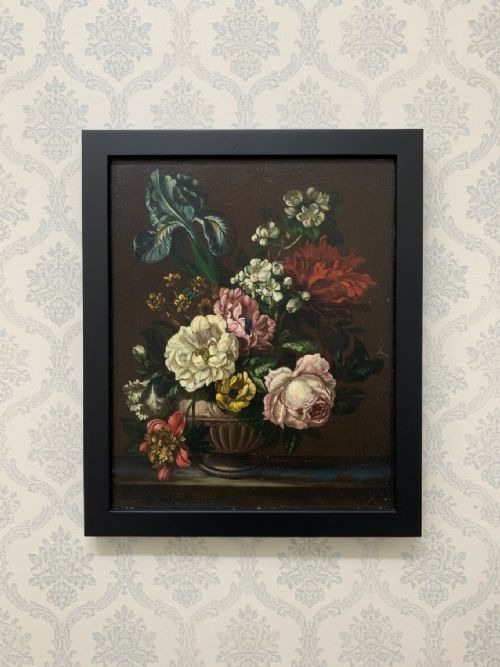
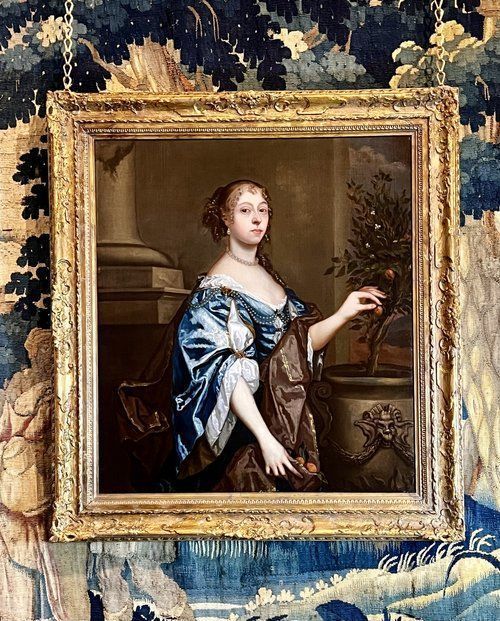
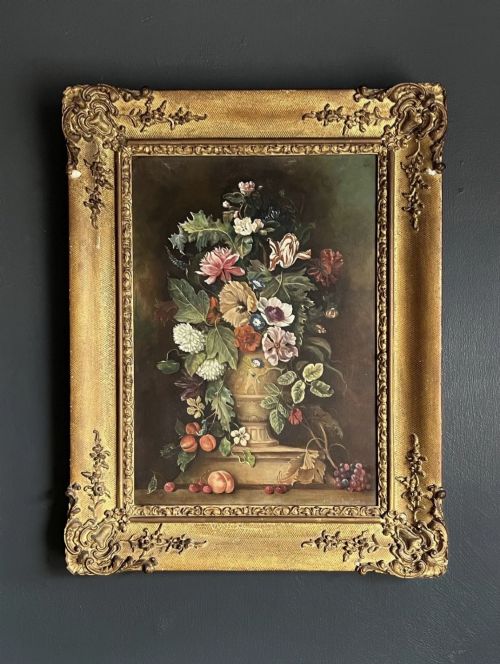
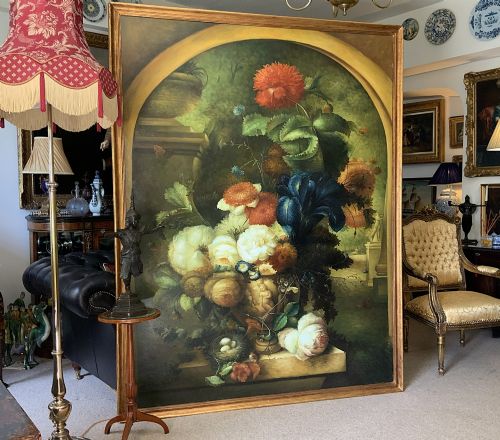
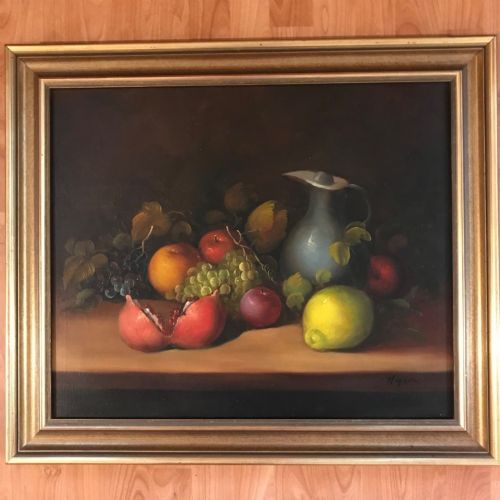
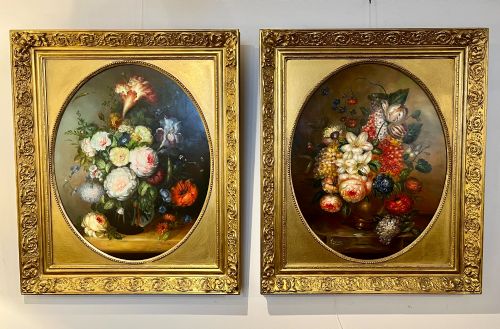
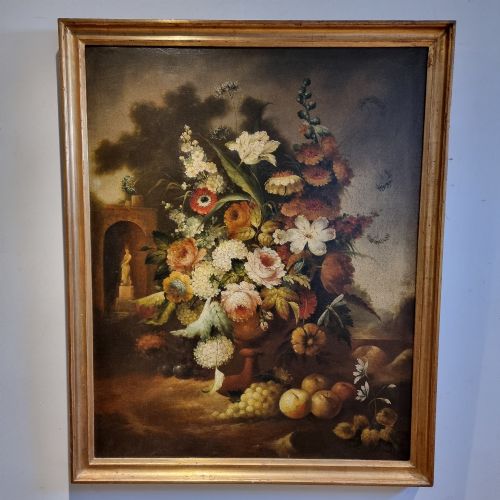
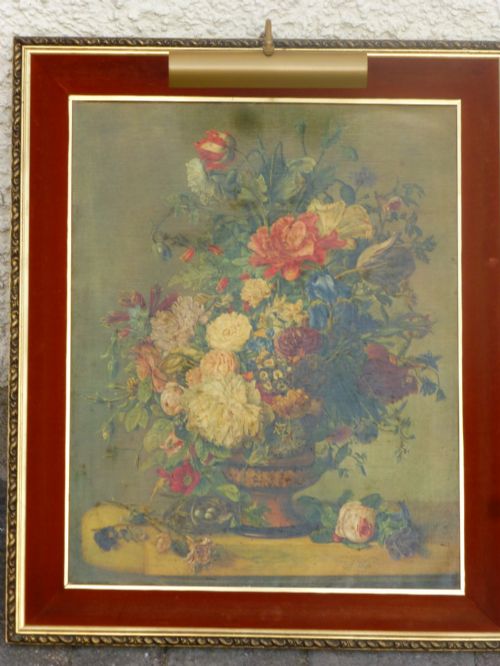
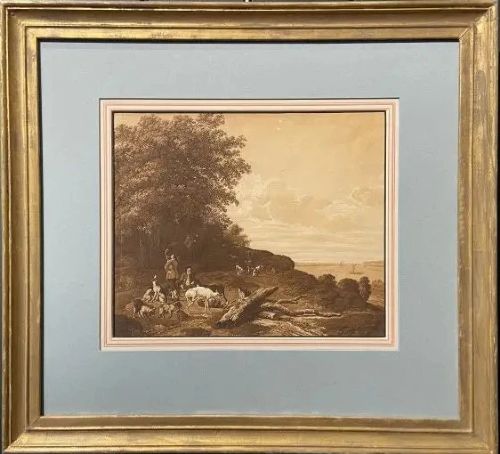
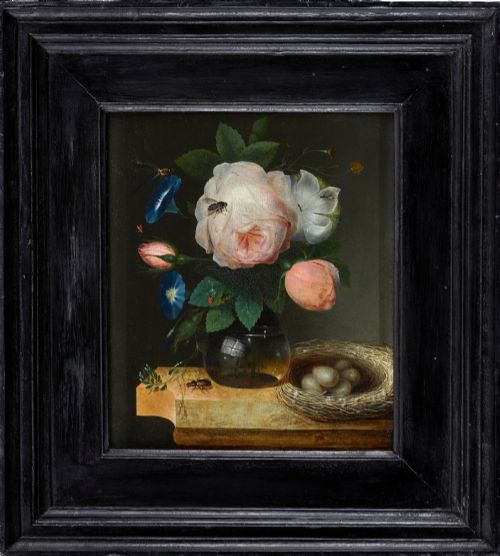
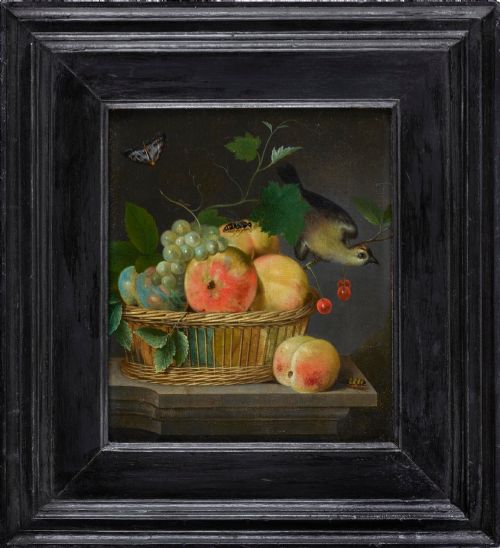
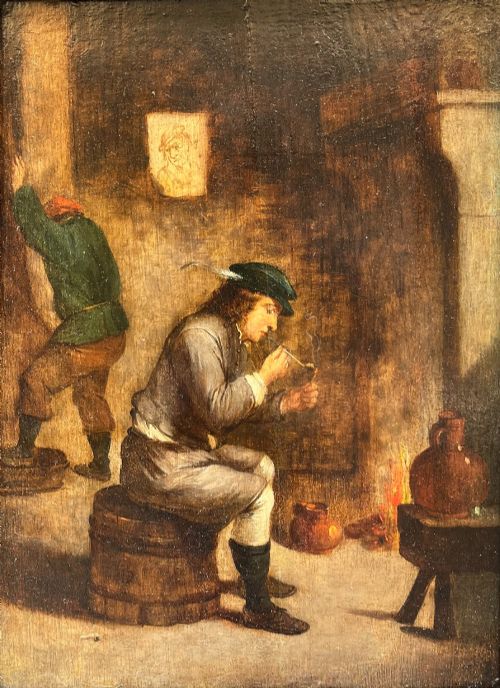
The selections span rigorous portraits, floral still lifes, tavern interiors and pastoral landscapes executed across canvas, wood panels and copper supports.
Most pieces date from the seventeenth century or follow the specific Baroque and Flemish styles developed during that foundational period of European painting.
Materials and Technique
Artists built their compositions using oil paint on prepared canvas or seasoned wood panels, often applying thin translucent glazes to achieve luminous depth.
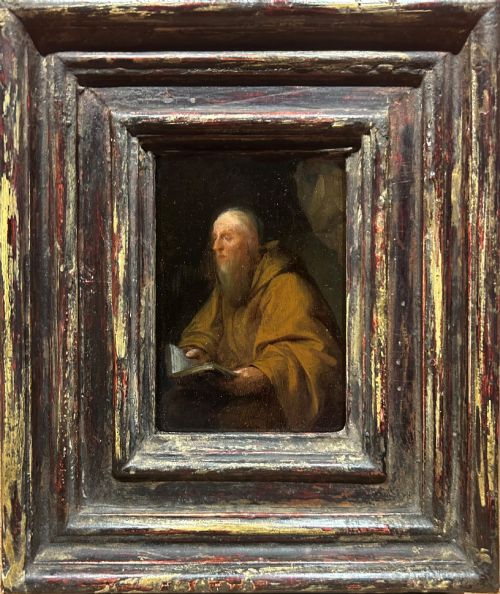
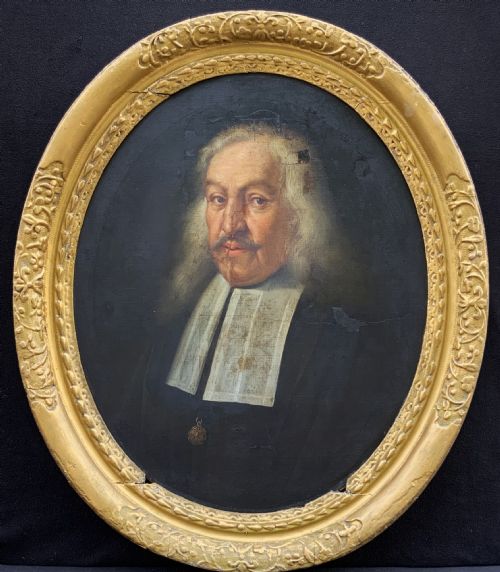
Framing forms an integral part of the physical object, frequently incorporating heavy giltwood or carved gesso surrounds that complement the dark palettes.
Execution and Condition
Execution ranges from the confident brushwork of period studio hands to later nineteenth-century reinterpretations and decorative studies.
The survival of original surface texture, pigment stability and the integrity of the panel or canvas determine the standing of each piece.
Pieter Borsseler·Johannes Lingelbach·Gaspar Peeter Verbruggen·David Teniers·Rembrandt van Rijn·Nicolaes Maes·Cornelis Van Poelenburgh
The Dutch Master Artwork Glossary
- Oil on panel
- A painting executed on a wooden board rather than canvas. This method was widely favoured by seventeenth-century Dutch painters for its smooth, stable working surface.
- Giltwood
- Wood that has been coated with a thin layer of gold leaf or gold paint. Frames finished in this manner frequently accompany classical portraits and still lifes.
- Old Master
- A term denoting a highly skilled European artist working before the nineteenth century. These painters established the foundational techniques visible in classical portraiture and genre scenes.
- Still life
- An artwork depicting inanimate subject matter, such as flowers, fruit or game. Dutch examples often use these elements to symbolise the passage of time.
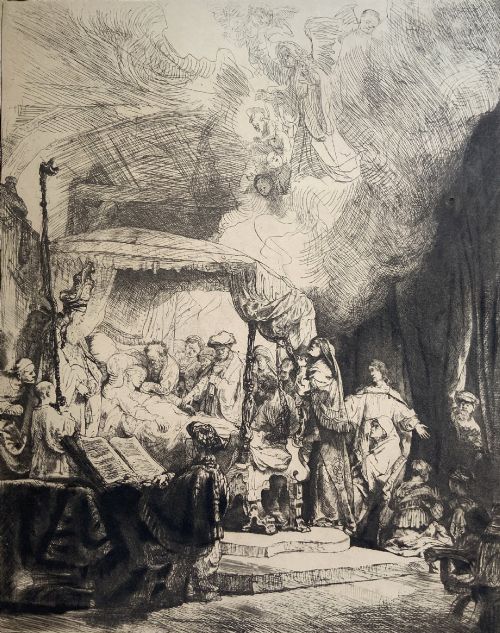
- Etching
- A printmaking process where lines are incised into a metal plate with acid. Artists like Rembrandt utilised this technique to achieve remarkable tonal variety.
Dutch Master Artwork: Frequently Asked Questions
What defines a Dutch master artwork?
These pieces originate from the Netherlands during the seventeenth century or adopt the specific technical styles of that era. They are celebrated for precise realism, deep chiaroscuro lighting and subjects ranging from intimate portraits to elaborate floral still lifes.
Collectors prize them for their historical atmosphere and the sophisticated layering of oil paints on canvas or wood panels.
How should I care for an oil painting on wood?
Wooden panels react to changes in atmospheric humidity by expanding and contracting slightly. Keep these artworks away from direct sunlight, radiators and damp walls to preserve the stability of the paint layer.
Displaying them in a room with a steady temperature ensures the historic support and the oil pigments remain protected for decades.
Are all these artworks from the seventeenth century?
While many date directly from the Dutch Golden Age, the selection also includes later interpretations, nineteenth-century etchings and twentieth-century revivals. Artists across subsequent generations continually looked back to these Baroque techniques.
Checking the listed period in each description clarifies whether a piece is an authentic seventeenth-century creation or a later tribute in the same style.
What subjects are most common in these paintings?
Domestic portraiture, floral arrangements, tavern scenes and quiet landscapes dominate the traditional output. Painters often loaded these everyday subjects with subtle symbolic meanings regarding mortality and wealth.
Still lifes of fruit and dead game or intimate portraits of merchants and nobility form the core of what is available.