

Dutch Furniture
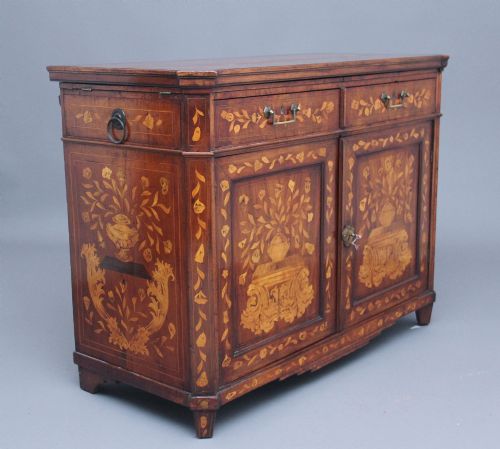
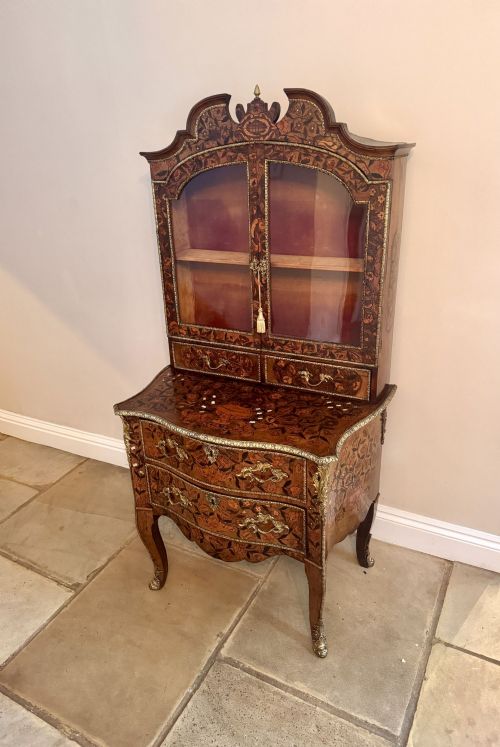
Dutch furniture brings substance and sweeping floral marquetry into a room, offering both bold architectural presence and intricate craftsmanship.
Dutch Furniture
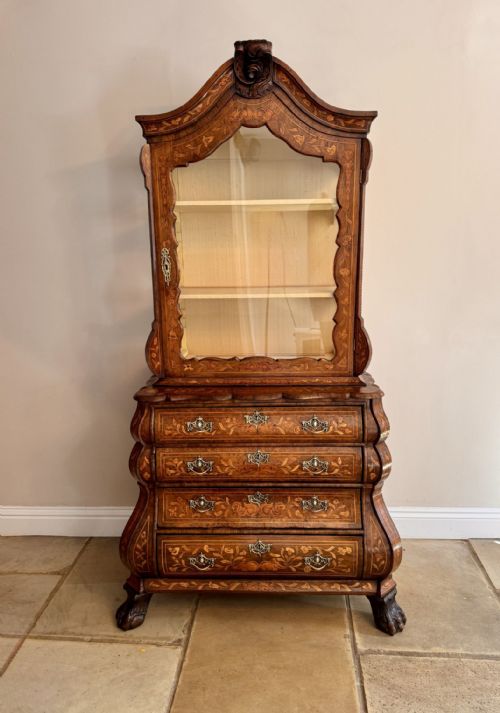
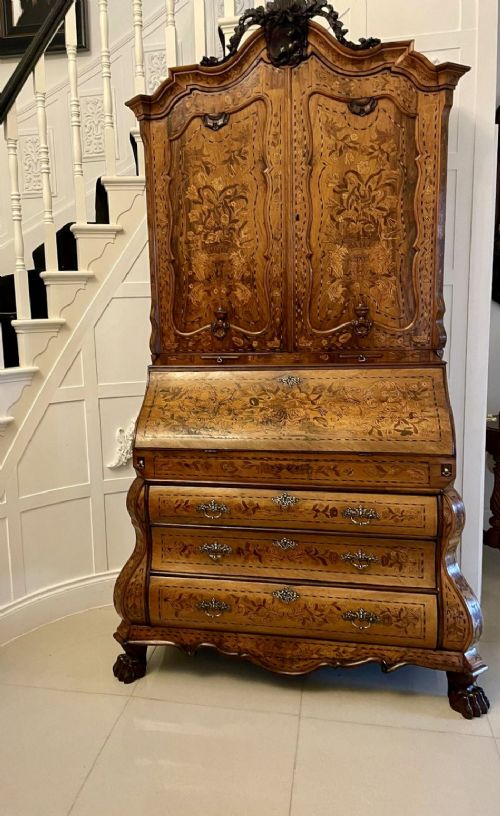
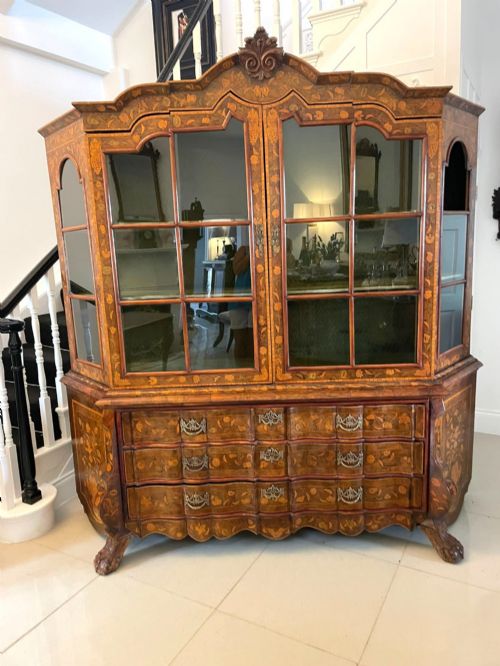
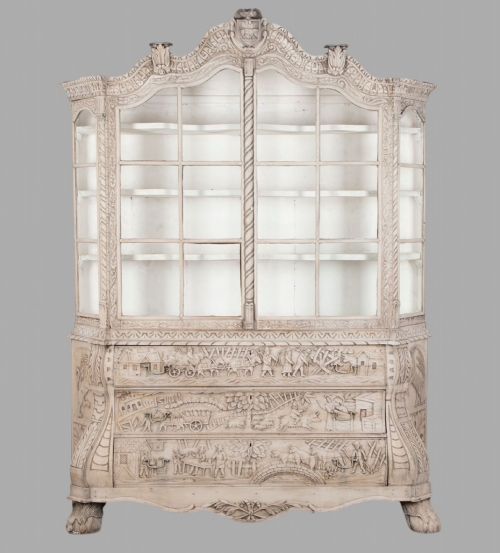
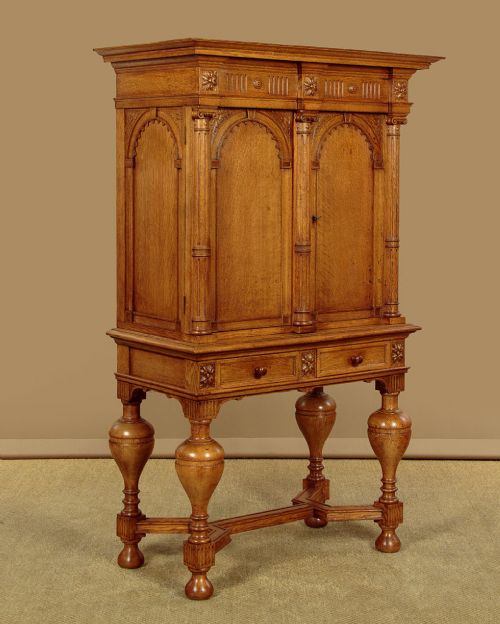
When buyers search for dutch furniture, they encounter pieces originating largely from the seventeenth, eighteenth, and nineteenth centuries, spanning distinct regional expressions from provincial oak forms to elaborate urban cabinet work. The selection on this page centres heavily on domestic storage and display, led by tall chests of drawers, display cabinets, and cabinets on stands.
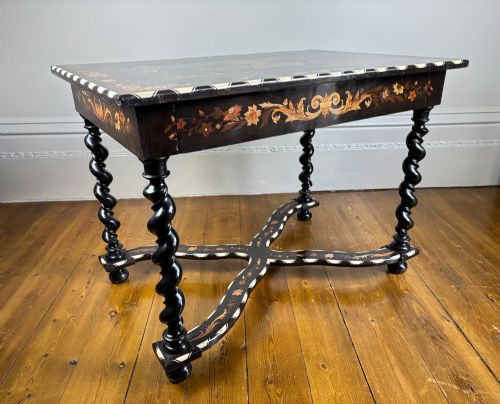
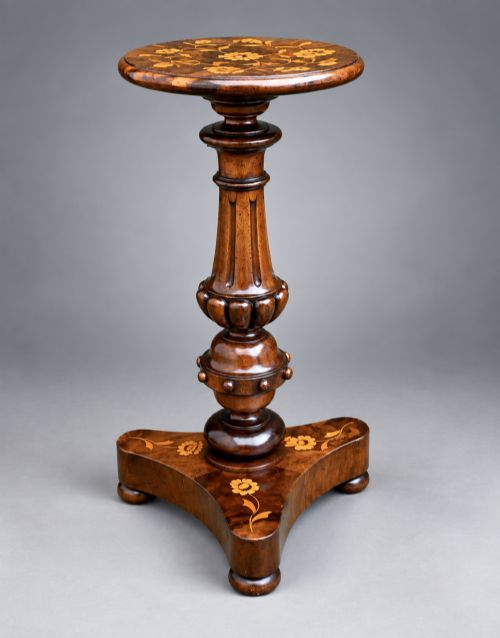
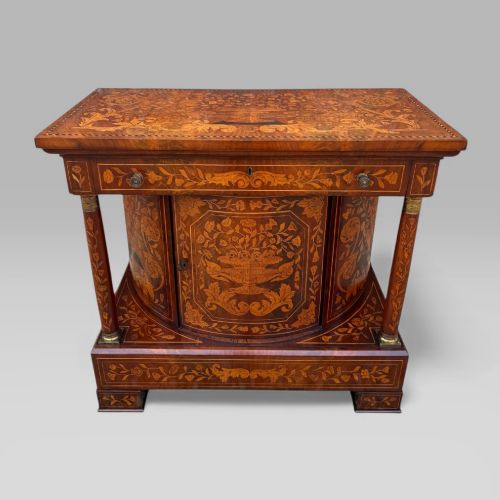
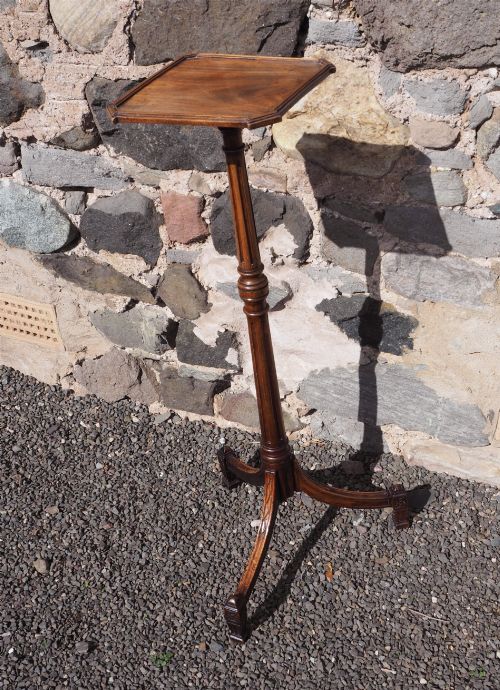
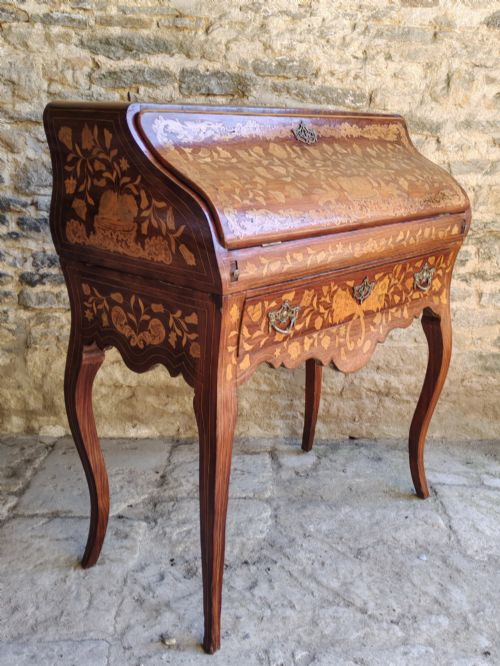
Many examples demonstrate the characteristic bombe profile, curving outward in a pronounced swelling movement that demands immense skill from the woodworker. Alongside these substantial case pieces appear smaller occasional furnishings, including side tables, torcheres, and occasional wine tables that bring similar decorative intensity to domestic interiors.
Materials and construction
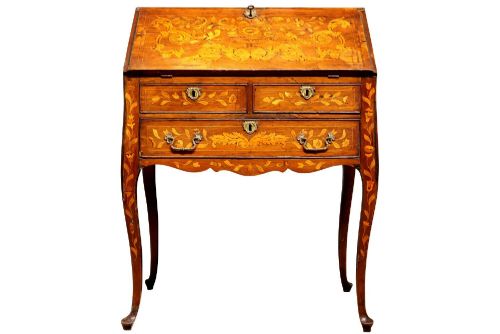
Makers built the foundational carcasses of these pieces using sturdy timbers like oak and walnut, later applying rich veneers and complex multi-wood inlays. Floral marquetry forms a defining visual trait, executed in fruitwood, burr walnut, and bone inlay against darker backgrounds to create high-contrast botanical motifs.
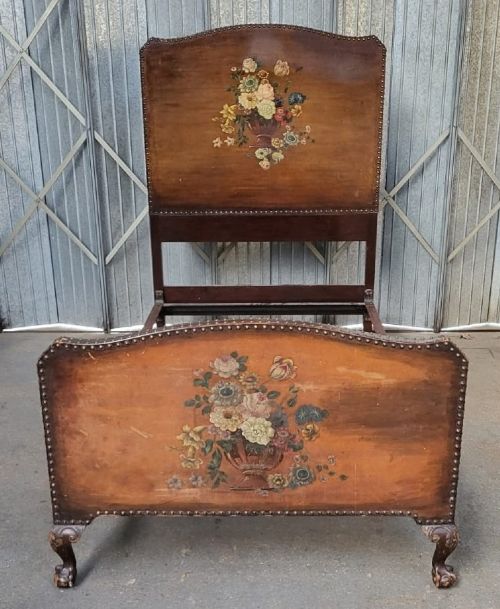
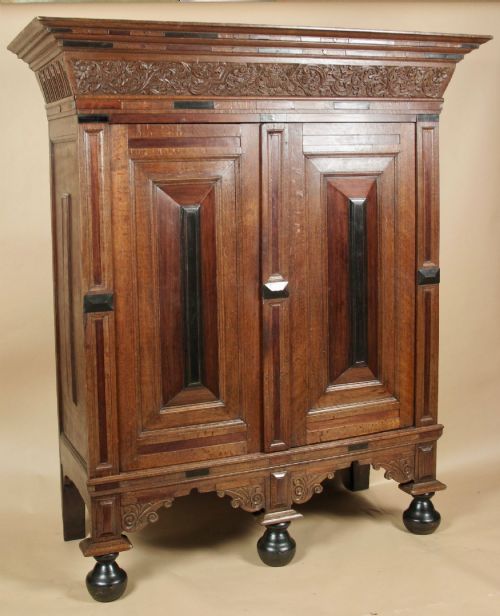
Structural flourishes such as claw feet, ebonised framing, and occasional pewter inlays support the sculptural weight of larger case pieces. Surface decoration ranges from meticulous hand-painted details on bedside tables to deep carving on seventeenth-century oak armoires.
Quality variations
The distinction between ordinary and exceptional pieces rests primarily on the depth and precision of the marquetry work, where superior examples maintain tight, seamless botanical patterns across curved surfaces. The fluidity of the bombe silhouette also dictates standing; sharper, more controlled sweeps indicate superior cabinet-making compared to rigid or heavy forms.
Material selection divides the range, with figured burr walnut and dense fruitwood veneers achieving far greater visual resonance than simpler plain timbers. Preservation of original hardware, feet, and internal shelving further elevates certain pieces above those with extensive later replacements.
The Dutch Furniture Glossary
- Marquetry
- Decorative veneer work assembled in geometric or pictorial patterns. Artisans cut thin slices of various woods and sometimes bone to fit together like a puzzle before gluing them to the carcass.
- Bombé
- A bulging, outward-curving profile common in eighteenth-century case pieces. This swollen shape requires advanced woodworking techniques to maintain structural integrity.
- Torchere
- A tall, slender stand designed to hold a candelabrum or lamp. These decorative supports often feature turned shafts and tripod or pedestal bases.
- Kussenkast
- A heavy Dutch wardrobe style featuring cushion-moulded panel doors. These substantial seventeenth-century storage pieces often incorporate rosewood and ebony details.
Dutch Furniture: Frequently Asked Questions
How do I identify marquetry?
Marquetry involves piecing together thin veneers of different coloured woods to form pictorial scenes, urns, or cascading floral sprays. Close inspection reveals the natural grain directions of each individual wooden sliver meeting along sharp boundary lines.
In older pieces, slight shrinkage gaps and subtle mellowing of the fruitwood tones confirm age.
Where were these pieces used?
Wealthy merchants and townspeople placed these cabinets, tables, and chests in primary reception rooms, hallways, and private chambers. Display cabinets showcased imported porcelain and silver, while larger armoires stored household linens.
Smaller tables served specific domestic functions for reading, writing, or holding small decorative objects.
How do I care for walnut veneer?
Walnut veneer requires stable indoor humidity away from direct sunlight and heat sources to prevent timber shrinkage and lifting. Regular dusting with a dry, soft cloth maintains the surface without introducing excess moisture.
Avoid commercial polishes containing silicone, choosing instead a traditional microcrystalline wax applied sparingly.