

Dutch Floral Painting
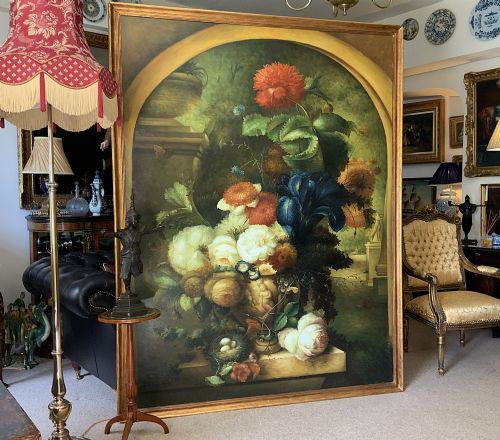
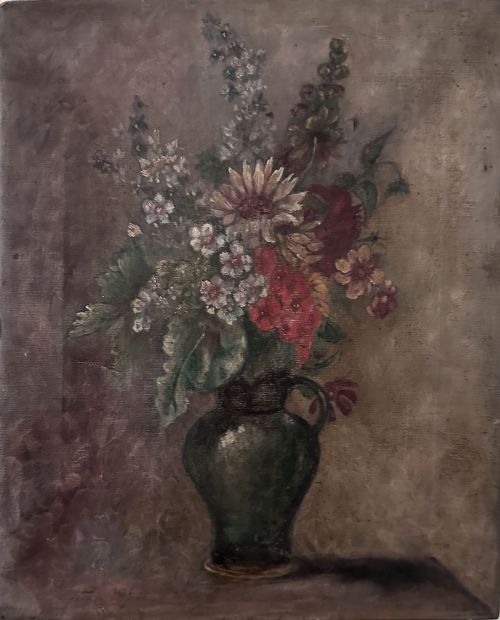
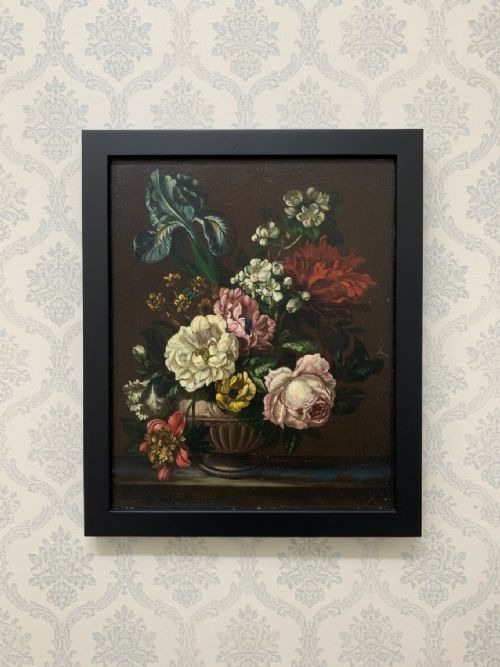
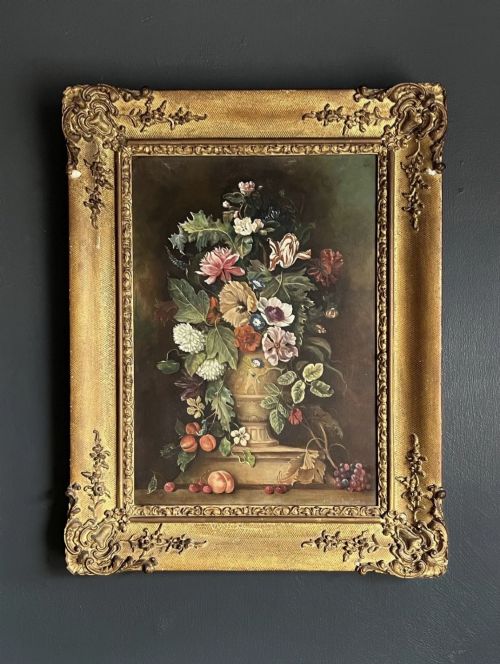
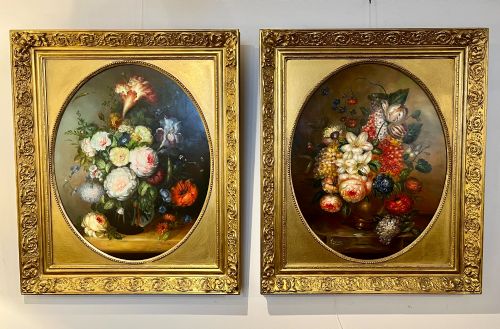
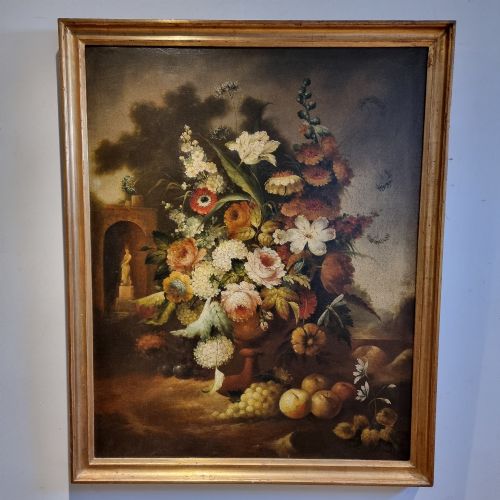
Dutch floral painting encompasses centuries of botanical studies and opulent still lifes rendered in oil on canvas or formed on tin-glazed earthenware.
Dutch Floral Painting
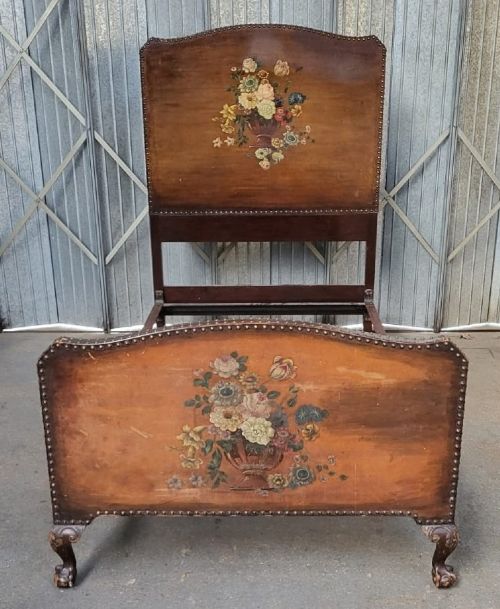
When buyers search for Dutch floral painting, they encounter a dual tradition of fine art oils and tin-glazed earthenware ceramics decorated with botanical motifs. The category spans centuries of production, capturing the enduring fascination with meticulously arranged blooms.
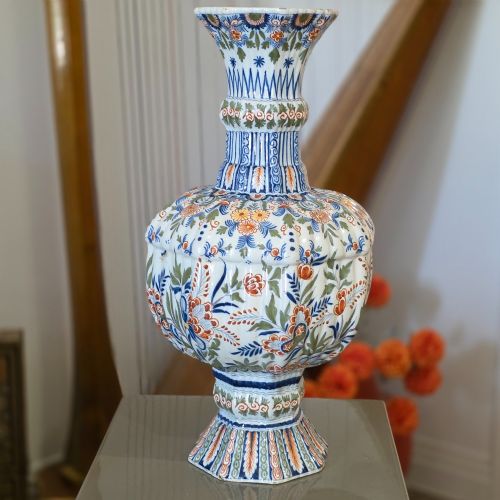
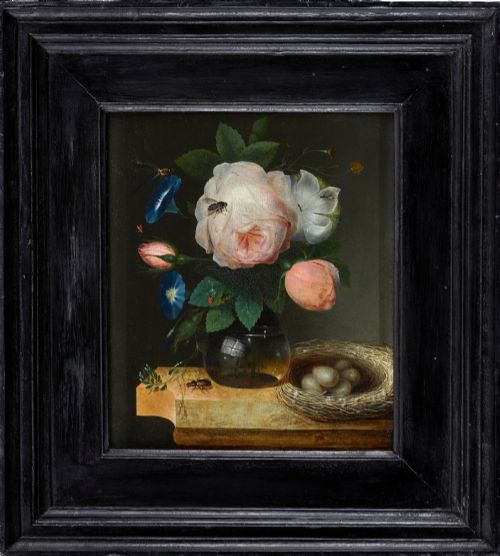
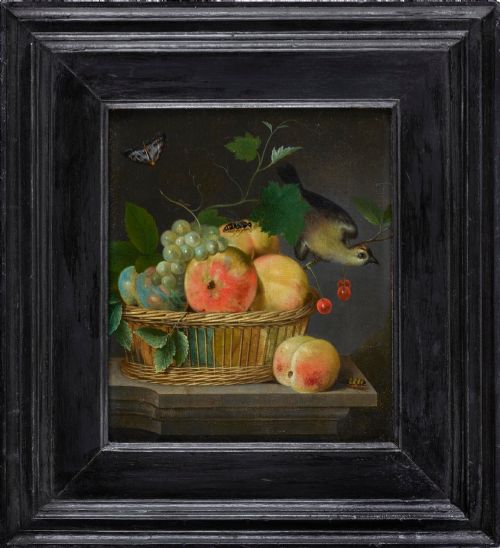
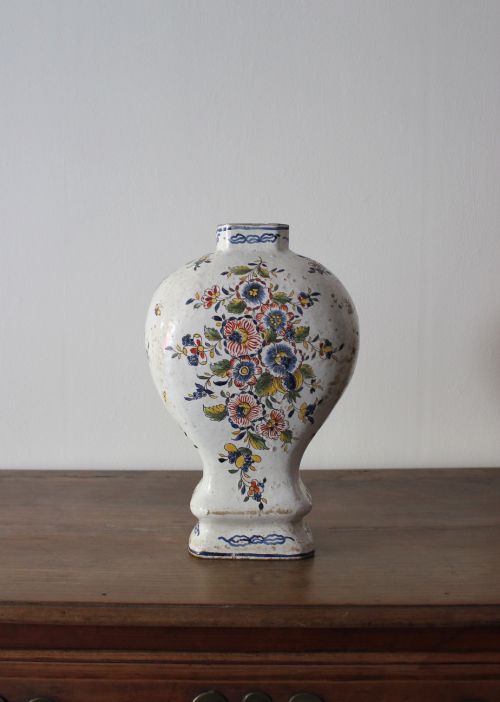
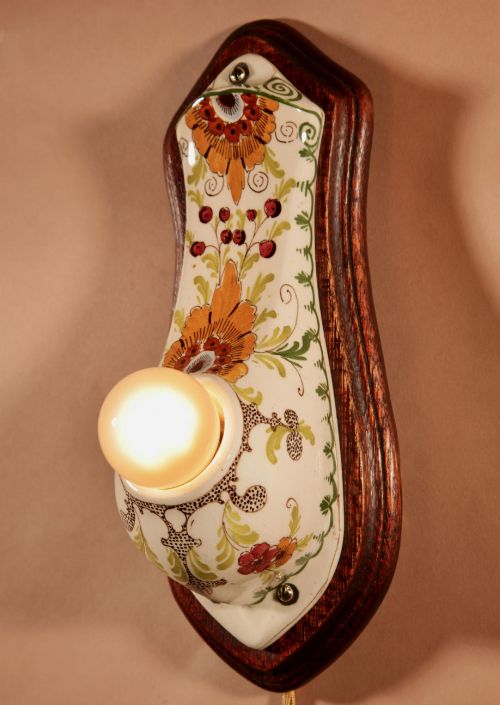
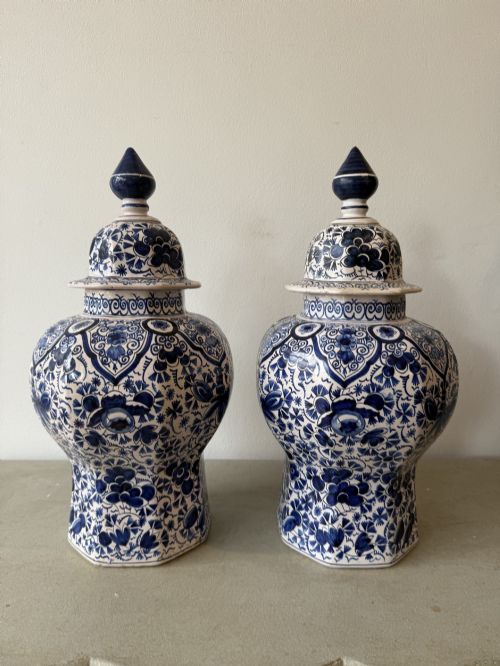
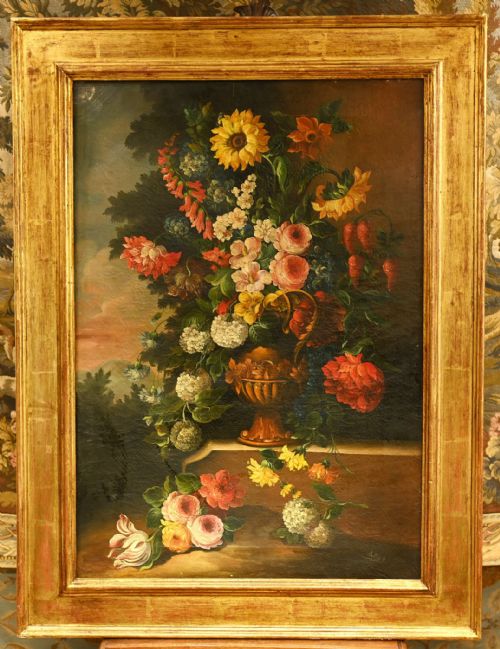
The most common examples on this page divide cleanly into two distinct forms. You will find oil paintings on canvas, panel, or board capturing elaborate bouquets alongside tin-glazed delftware plates, chargers, bowls, and vases bearing hand-painted floral decoration.
Originating primarily from Dutch workshops, these pieces draw upon seventeenth-century golden age aesthetics, baroque compositions, and later nineteenth-century interpretations. The selection ranges from monumental canvas works down to small domestic ceramic vessels.
What Varies in Quality
Execution and handling separate masterworks from simpler domestic wares. In paintings, the precision of botanical rendering, the management of light across petals and leaves, and the depth of the palette determine the standing of the piece.
For ceramics, quality rests on the crispness of the hand-painted brushwork, the opacity and gloss of the tin glaze, and the complexity of the polychrome or manganese decoration applied to chargers and vases.
Materials represented include canvas, wood panels, metal, earthenware, and tin glaze decorated with blue, polychrome, and manganese pigments.
Gaspar Peeter Verbruggen·Simon Pietersz Verelst·Terence Loudon·Jan van Kessel the Elder
The Dutch Floral Painting Glossary
- Tin-Glazed Earthenware
- Pottery fired with a lead glaze made opaque by the addition of tin oxide. This white surface serves as the ground for painted floral decoration.
- Charger
- A large decorative plate intended for display rather than dining. These substantial ceramic pieces often feature intricate floral borders and central bouquets.
- Oil on Panel
- A painting technique using oil colours spread over a prepared wooden board rather than canvas. This solid support provides a rigid ground for detailed brushwork.
- Grand Feu
- A ceramic firing method where tin glaze and pigments are fused together at high temperatures in a single kiln run. This technique produces vibrant colours that sink into the glaze.
- Baluster Vase
- A vase with a rounded body that tapers toward the neck, resting on a spreading base. These ceramic vessels frequently display blue and white floral motifs.
Dutch Floral Painting: Frequently Asked Questions
What is a dutch floral painting?
It is an artwork depicting meticulously arranged botanical subjects, typically following the traditions established by northern European masters. These works capture lush compositions of tulips, roses, and spring flowers.
You will find these subjects executed not only in oil on canvas and panel but also translated onto tin-glazed earthenware plates and vases.
How were delft floral plates made?
Potters shaped local earthenware clay into plates and chargers, which were then coated in a liquid tin glaze. This created a smooth white background resembling porcelain.
Artists then painted floral motifs by hand using cobalt blue or polychrome pigments before firing the ceramic at high temperatures to seal the decoration.
How do I date an antique painting?
Dating relies on examining the support materials, such as canvas weave, panel construction, or metal backing, alongside the framing and pigment characteristics. Stylistic clues also point toward specific periods like the golden age or later Victorian revivals.
Signatures, dealer records, and attribution notes further help establish the era in which the artist worked.
How should I display ceramic chargers?
Ceramic chargers and large plates are traditionally shown mounted securely on walls using specialist hangers or displayed upright on sturdy plate stands. This protects the tin glaze from surface wear.
Keep these pieces away from direct sunlight and excessive humidity to preserve the stability of the earthenware body and the painted decoration.