





Dutch Delft Vessels
Dutch delft vessels are tin-glazed earthenware pieces offering hand-painted blue decoration and centuries of decorative history for your home.
Dutch Delft Vessels
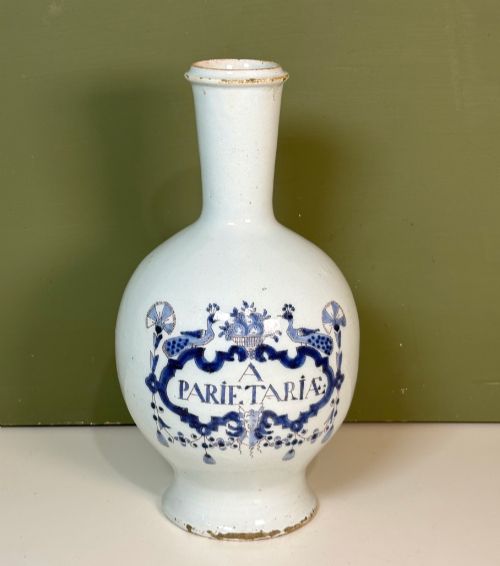
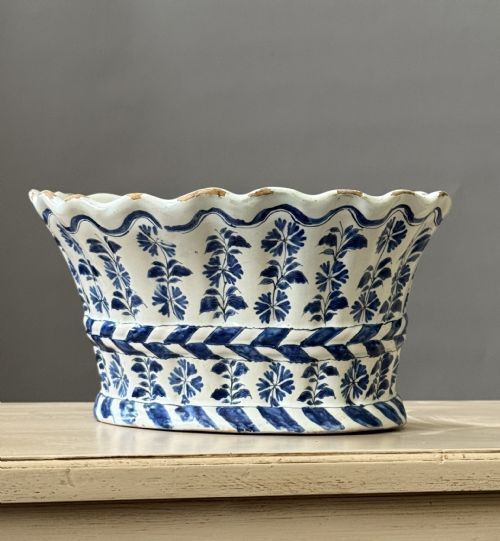
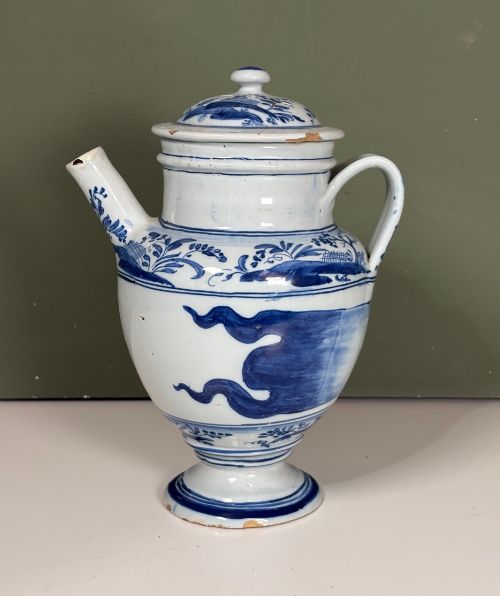
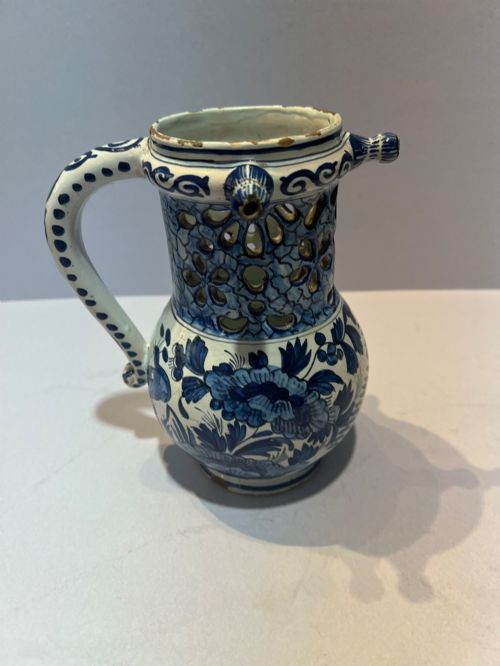
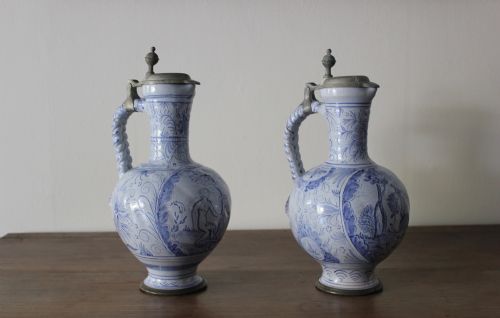
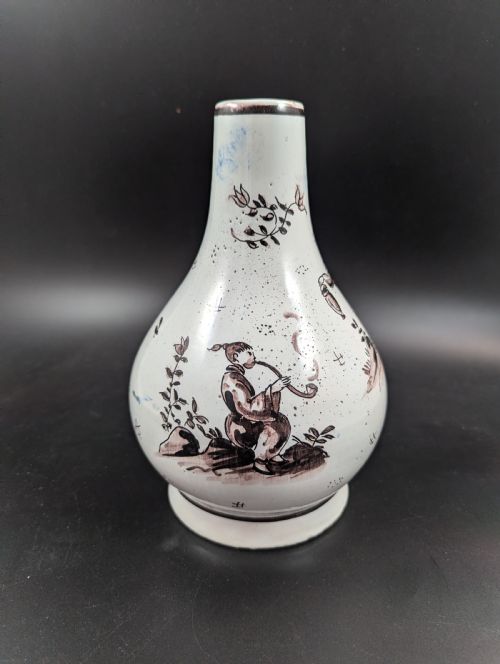
When you search for dutch delft vessels, you encounter earthenware objects originating primarily from the eighteenth and nineteenth centuries. These pieces span forms such as apothecary jars, apothecary bottles, bough pots, puzzle jugs, posset pots, tobacco jars, vases, and planters.
The eighteenth-century examples display Dutch Delftware and Dutch Baroque styles, characterising the core of what collectors expect from these ceramics. Alongside these, nineteenth-century large vases appear frequently, showing the continued production of tin-glazed earthenware forms.
These vessels served both decorative and utilitarian purposes in historical interiors, from pharmacy storage to display on mantelpieces. The range reflects diverse functional forms shaped by Dutch ceramic traditions across two distinct centuries.
How they were made
Potters shaped these objects from earthenware bodies before applying a tin glaze that created an opaque white surface. This tin-glazed earthenware technique provided the ideal canvas for subsequent pigment application.
Painters applied cobalt oxide and cobalt pigment directly onto the unfired or raw glaze, a method that caused the pigment to absorb into the surface and soften during firing. The interaction between the cobalt and the tin glaze produced the characteristic blue and white coloration.
Dutch Delft Vessels Retail Price Guide 2026
Typical asking prices for dutch delft vessels among the pieces listed under this phrase on Sellingantiques today, from the lower quarter to the upper quarter. They describe what is for sale here now, not the wider market.
Listings for dutch delft vessels span the eighteenth and nineteenth centuries, utilising earthenware, tin glaze, and cobalt pigment.
What varies in quality
The distinction between average and exceptional pieces rests upon the confidence of the brushwork and the precision of the cobalt pigment application. Fluid, expressive painting on eighteenth-century forms elevates a piece above stiffer, later nineteenth-century equivalents.
Proportion and the preservation of original lids on posset pots, tobacco jars, and bough pots dictate desirability. Examples retaining their matching lids demonstrate greater integrity than those altered or separated over time.
The Dutch Delft Vessels Glossary
- Tin-glazed earthenware
- Pottery covered with a lead glaze made opaque by the addition of tin oxide. This coating forms the white background typical of delftware.
- Cobalt oxide
- A metallic pigment used to achieve deep blue decoration on ceramic wares. It withstands high kiln temperatures without losing intensity.
- Bough pot
- A vessel designed specifically to hold cut branches or flowers for interior decoration. These containers often feature multiple spouts or perforated lids.
- Posset pot
- A spouted ceramic vessel used historically for serving a hot drink made of curdled milk and wine. They frequently incorporate handles and fitted lids.
- Puzzle jug
- An interactive drinking vessel featuring a pierced neck and multiple spouts designed to challenge the drinker. Liquid must be sucked through the handle and rim to avoid spilling.
Dutch Delft Vessels: Frequently Asked Questions
What are dutch delft vessels?
These objects are tin-glazed earthenware containers made mainly in the eighteenth and nineteenth centuries. They include items like apothecary jars, vases, and puzzle jugs decorated with cobalt pigment.
Potters utilised traditional Dutch methods to shape and glaze each piece, resulting in distinctive blue and white ceramics.
How were apothecary jars used?
Apothecary jars and bottles held dried herbs, ointments, and medicinal liquids in historical dispensaries and pharmacies. Their labels kept contents organised for physicians and apothecaries.
Over time, many of these utilitarian containers transitioned into decorative objects for domestic display.
How do I clean my vessel?
Dust these ceramics gently with a soft, dry cloth to remove surface particles. Avoid submerging them in water or using harsh chemical cleaners.
Tin glaze can be fragile, so careful handling preserves the delicate earthenware body and cobalt decoration.
How can I tell the period?
Eighteenth-century examples often display Dutch Baroque styling and looser, more expressive cobalt painting techniques. Nineteenth-century pieces tend to include larger vases with slightly heavier earthenware bodies.
Comparing form, glaze thickness, and brushwork helps distinguish between the two eras.