


Drop Flap Writing Bureau
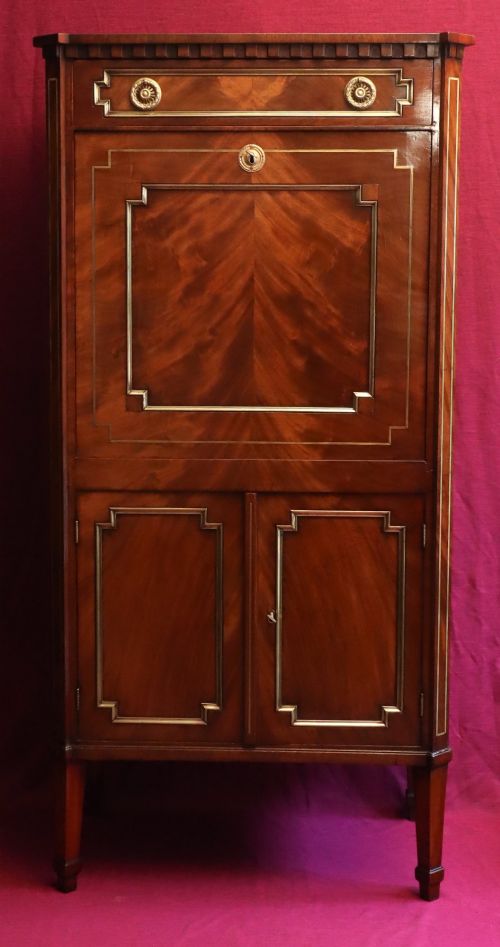
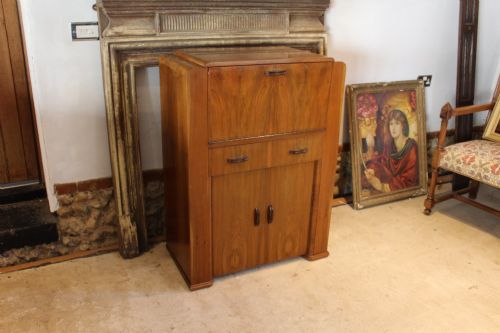
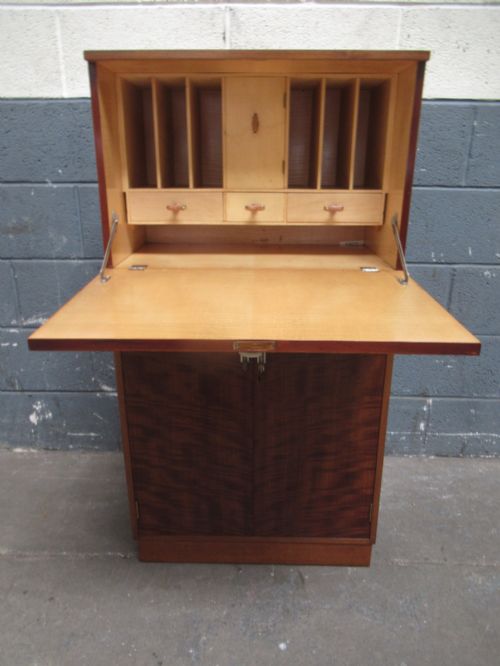
A drop flap writing bureau is a compact workspace with a fall-front desk lid that conceals fitted pigeonholes and drawers.
Drop Flap Writing Bureau
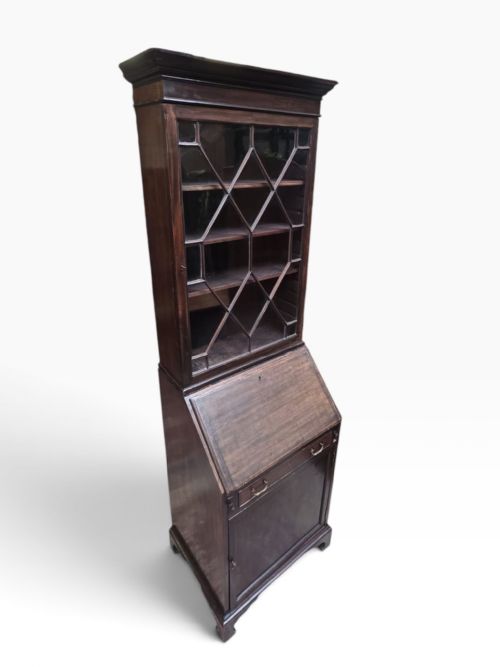
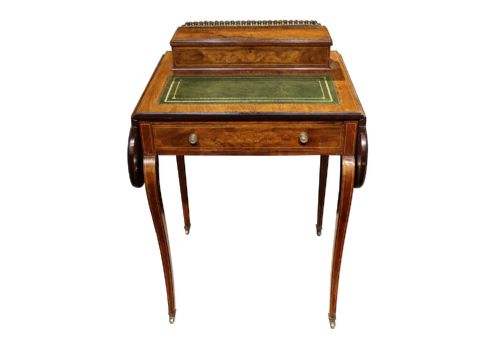
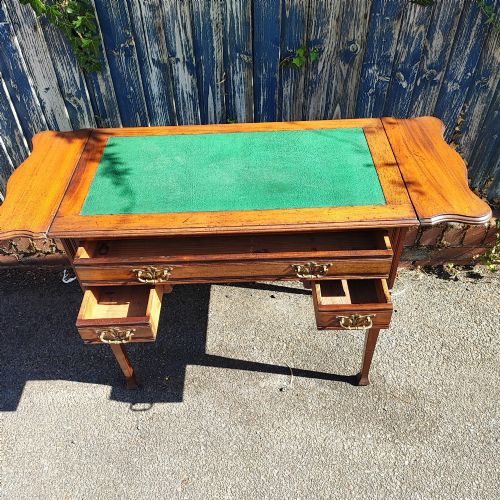
When you search for a drop flap writing bureau, you encounter functional case pieces designed for correspondence and storage across multiple centuries. These items range from compact Edwardian lady's writing tables and oak bureau cabinets to taller bureau bookcases and secretaire chests.
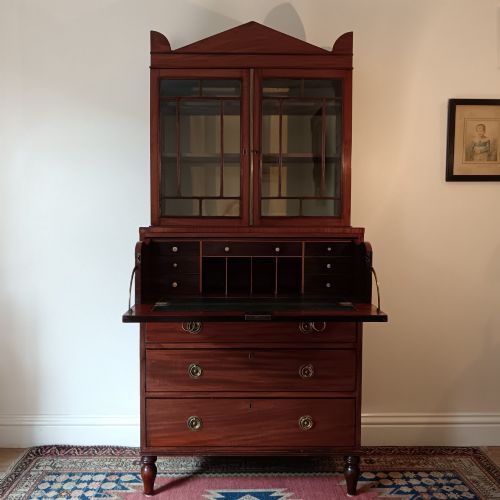
The evidence shows examples spanning from the William and Mary period through Regency and Victorian eras up to Art Deco designs of the 1930s. The most common forms on this page integrate a hinged writing surface that folds down to reveal an interior fitted with small compartments.
Makers utilised various formats, including tall cabinet styles and smaller folding tables, adapting the drop flap mechanism to suit changing domestic spaces. Pieces in this selection often combine a chest of drawers base with a fall-front writing section or upper bookcase.
Materials and Construction
Cabinetmakers constructed these pieces primarily using hardwoods such as mahogany, walnut, oak, and rosewood, frequently enhanced with inlaid details and contrasting satinwood. Secondary materials like brass provide handles, escutcheons, and hinges for the drop flaps.
Leather frequently lines the folding writing surfaces, while glass appears in the doors of upper bookcase sections. Joinery techniques support the weight of the fall-front flap and secure the internal banks of small drawers and pigeonholes.
Some drop flaps hide secret compartments behind internal pigeonholes for storing truly private notes.
Assessing Quality
Quality in these items rests upon the selection of figured timber veneers and the precision of the internal cabinet work. Superior pieces display thoughtful arrangement of pigeonholes, small drawers, and secret compartments behind the drop flap.
The integration of brass hardware and the crispness of inlaid decoration separate standard production from finer examples. Structural integrity in the hinges and the fall-front support mechanism determines how well the desk functions during daily use.
George Oakley·F.H. Marshall & Co Glasgow
The Drop Flap Writing Bureau Glossary
- Drop flap
- A hinged writing surface that pulls or folds down into a horizontal position for writing and conceals interior compartments when closed.
- Escritoire
- A writing cabinet or desk, typically featuring a fall-front flap that encloses small drawers and pigeonholes.
- Secretaire abattant
- A tall vertical cabinet with a drop front writing surface, originating in continental European furniture traditions.
- Pigeonholes
- Small, open compartments arranged inside a desk for sorting letters and stationery.
- Fitted interior
- The collection of small drawers, shelves, and letter slots revealed when the drop flap is opened.
Drop Flap Writing Bureau: Frequently Asked Questions
How do I use a drop flap writing bureau?
Lower the hinged front panel to create a horizontal writing surface. The interior compartments provide storage for stationery, letters, and small implements.
Close and lock the flap when finished to conceal the workspace and protect your papers.
Where should I place a writing bureau in my home?
These compact pieces fit well in studies, living rooms, or bedrooms where floor space is limited. Ensure you leave enough room behind the piece for a chair when the drop flap is opened.
Keep wooden items away from direct heat sources and strong sunlight to protect the polished timber and leather surfaces.
How can I tell the period of a writing bureau?
Examine the timber choices, construction methods, and decorative styles visible on the exterior and interior. For instance, satinwood inlay often points to Edwardian pieces, while figured walnut suggests earlier periods or revival styles.
Hardware styles, dovetail joints, and secondary woods also offer clues regarding the decade of manufacture.