





Dresden Porcelain Group
These dresden porcelain group pieces bring theatrical Rococo flair to a room, offering intricate figural scenes that catch the eye instantly.
Dresden Porcelain Group
A dresden porcelain group brings together multi-figure scenes modelled in hard-paste porcelain, capturing subjects from allegorical figures of the seasons to romantic couples and musicians. These works draw heavily on Rococo Revival and Neoclassical styles, presenting elaborate narratives set within domestic or garden scenes.
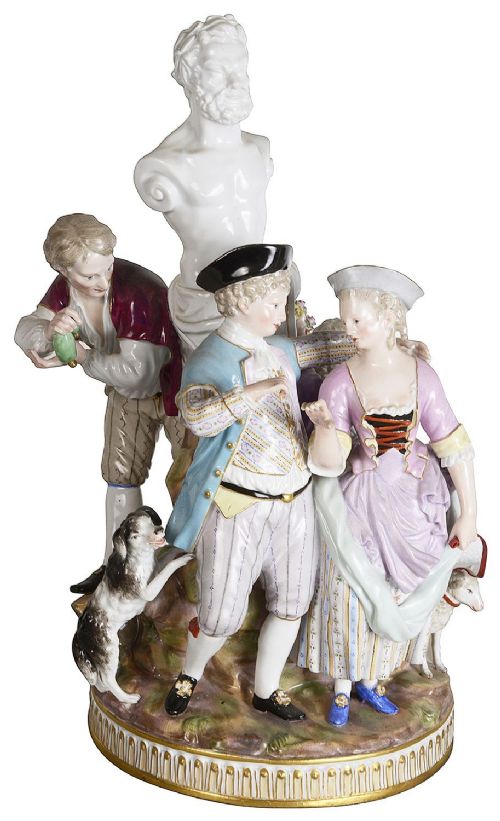
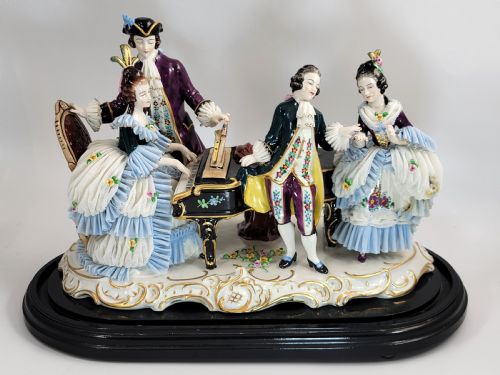
The pieces you encounter most often on this page date from the nineteenth century, including works from German factories and French makers working in similar idioms. They range from pairs of lovers and children at play to complex lace-draped figural groups seated at pianos or playing harps.
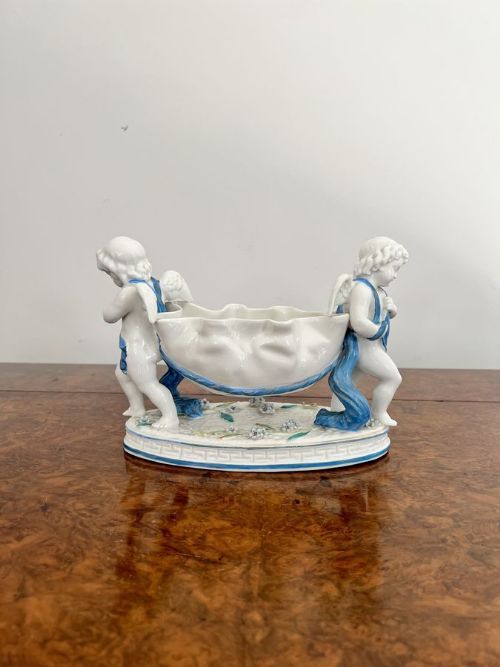
Moulded forms are frequently paired with detailed additions, such as intricate porcelain lace or applied floral elements, giving these sculptural groups a high degree of visual texture. Whether styled as centrepiece bowls or freestanding figurines, they remain quintessential examples of continental salon porcelain.
How they were made
Gilt highlights and hand-painted enamels were applied over the fired glaze, requiring multiple firings to set the rich palette characteristic of these nineteenth-century and earlier works.
Dresden Porcelain Group Retail Price Guide 2026
Typical asking prices for dresden porcelain group among the pieces listed under this phrase on Sellingantiques today, from the lower quarter to the upper quarter. They describe what is for sale here now, not the wider market.
Listings feature hard-paste porcelain and enamel materials across nineteenth-century and earlier periods, styled predominantly in Rococo Revival and Neoclassical designs.
What varies in quality
The distinction between standard works and exceptional pieces lies in the crispness of the modelling and the finesse of the hand-painted enamel work. Superior examples exhibit fine detail in facial expressions, hands, and the intricate folds of garments, whereas lesser pieces show softer contours and simpler brushwork.
The preservation of fragile applied elements like porcelain lace and delicate musical instruments significantly separates standard production from top-tier examples. The application of gold leaf and the overall weight and finish of the hard-paste porcelain body further define the hierarchy of these works.
Carl Thieme·Ernst Bohne Söhne·Bourdois & Bloch
The Dresden Porcelain Group Glossary
- Hard-paste porcelain
- A dense, vitrified ceramic composed of kaolin and petuntse, fired at very high temperatures to create a durable, bright white body. It forms the structural base for most continental figural groups.
- Enamel
- Vitreous colour applied to the glazed porcelain surface and fixed in a muffle kiln. It provides the vivid hues seen on costumes and naturalistic settings.
- Gilt
- A thin layer of gold applied to surface details, highlights, and bases. This finish adds a reflective quality to the sculptural composition.
- Rococo Revival
- A nineteenth-century design movement resurrecting the asymmetric curves, scrolling foliage, and playful motifs of the eighteenth century. It heavily influences the composition of these figural groups.
- Centrepiece bowl
- A large decorative vessel designed for the middle of a table, often incorporating figural elements or stands. These objects served both ornamental and functional roles in historic dining settings.
Dresden Porcelain Group: Frequently Asked Questions
What is a porcelain group?
A porcelain group is a sculptural composition featuring multiple figures interacting within a scene, rather than a single standalone statue. These pieces often depict romantic pairs, allegorical figures, or musicians in domestic and garden settings.
They were designed primarily as decorative objects for display on mantelpieces, tables, or within cabinet collections during the nineteenth century and earlier.
How do I care for these pieces?
These delicate ceramic objects require gentle handling and placement away from heavy traffic areas or direct sunlight. Dust them carefully with a soft, dry brush to protect fragile elements like applied lace and fingers.
Avoid using water or chemical cleaners, especially on areas with gold leaf or enamel decoration, to preserve the original surface finish.
How are periods told apart?
Periods are identified through a combination of modelling styles, paste composition, and factory marks where present. Eighteenth-century pieces typically display simpler forms and different potting characteristics compared to nineteenth-century Rococo Revival revivals.
Stylistic cues such as costume design and the complexity of the base also help differentiate earlier works from later nineteenth-century interpretations.
Where were they displayed?
Historical interiors featured these figural groups prominently on salon tables, mantelpieces, and within dedicated display cabinets. Their detailed narratives were meant to be appreciated up close by guests.
Larger versions sometimes functioned as centrepieces for dining tables during formal entertaining in the Victorian era.