





Doulton Lambeth Pot
These doulton lambeth pot pieces bring distinctive Victorian artistry into your home through robust stoneware vessels.
Doulton Lambeth Pot
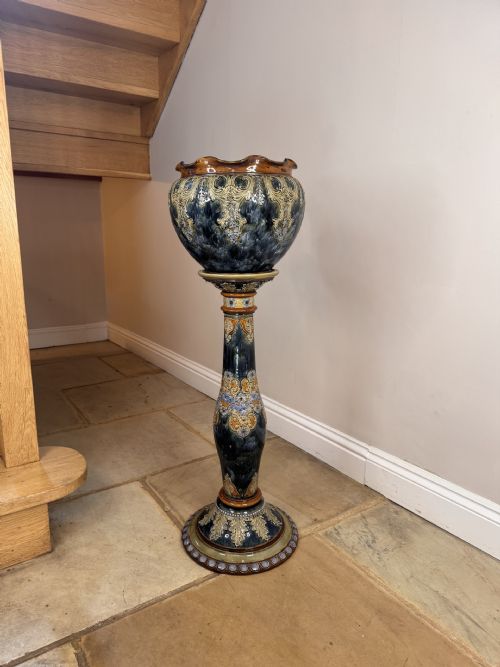
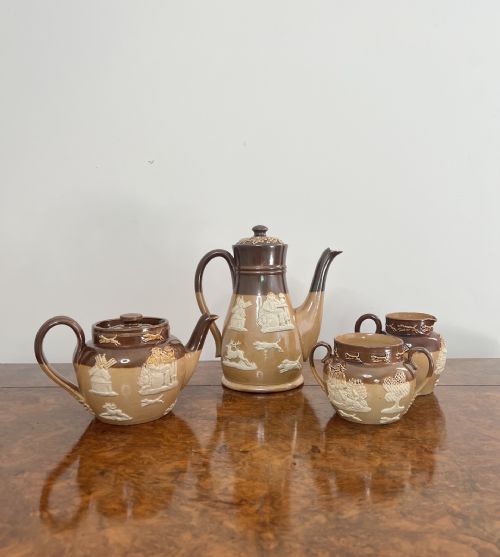
When you search for a doulton lambeth pot, you encounter British art pottery defined by historical periods spanning the nineteenth century through the early twentieth century. These items include garden vessels, planters, vases, and beverage sets created in distinct stylistic movements.
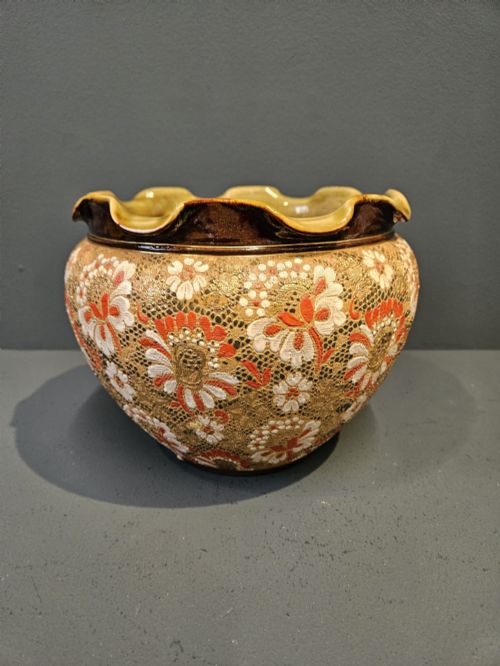
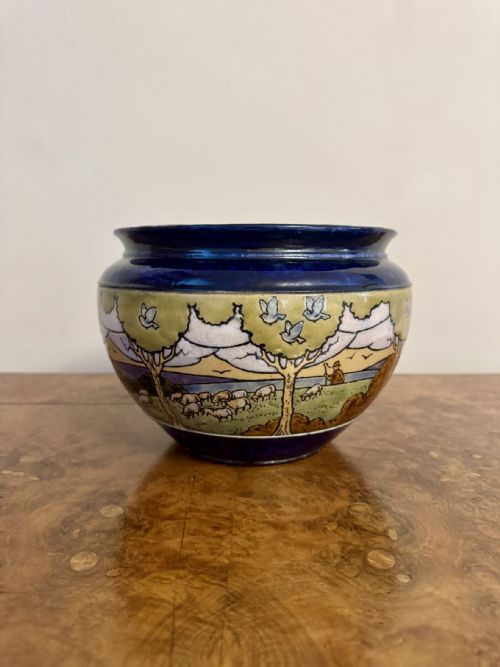
The most frequent examples found in these listings are jardiniere vessels and floral planters intended for domestic display. Pieces range from Victorian origins to later Arts and Crafts iterations.
Makers recorded in the listings include Maud Bowden, showing the individual artistry tied to these ceramic forms. The range incorporates tobacco jars and tea sets alongside large architectural planters.
Materials and construction
Potters utilised durable stoneware and glazed ceramic as the primary foundation for these items. Artisans applied specialised glaze treatments and enamel details to enrich the hardened clay body.
Surface ornamentation occasionally incorporates gold leaf accents alongside traditional incised patterns. Firing techniques produced hard-wearing bodies capable of holding plants or liquids securely.
Doulton Lambeth Pot Retail Price Guide 2026
Typical asking prices for doulton lambeth pot among the pieces listed under this phrase on Sellingantiques today, from the lower quarter to the upper quarter. They describe what is for sale here now, not the wider market.
Some tobacco jars were designed with tight lids to keep pipe tobacco fresh while sitting on Victorian writing desks.
Assessing quality
Distinctions in quality rest upon the precision of the surface decoration and the clarity of the glazed finishes. Finer examples display meticulous handling of enamel and stoneware textures.
The sophistication of the stylistic execution, whether adhering to Art Nouveau or Arts and Crafts principles, marks the separation between standard production and superior work.
Maud Bowden·Royal Doulton
The Doulton Lambeth Pot Glossary
- Stoneware
- A type of pottery fired at high temperatures until vitrified and impermeable to water. This dense material forms the heavy structure of many items.
- Jardiniere
- An ornamental ceramic pot or stand designed to hold a plant or floral arrangement. These vessels frequently feature decorative incised patterns.
- Slaterware
- A specific ceramic technique involving textured surfaces that resemble woven lace or fabrics pressed into the wet clay. This method gained popularity during the Victorian era.
- Art Nouveau
- A decorative art style characterised by fluid, organic lines and floral motifs. Pieces from this movement reflect natural forms.
- Enamel
- A decorative glassy substance fused to the ceramic surface through firing. It adds vibrant colour details to the pottery body.
Doulton Lambeth Pot: Frequently Asked Questions
What is a doulton lambeth pot used for?
These ceramic vessels served various practical and decorative roles in nineteenth-century and early twentieth-century households. Many were manufactured as jardinieres or planters for displaying greenery indoors and on patios.
Other examples functioned as tea sets and tobacco jars for daily hospitality and storage. Their robust construction allowed them to handle both liquid contents and heavy soil.
How do I date a doulton lambeth pot?
Dating these ceramic items involves examining the stylistic clues linked to periods such as the Victorian era, Arts and Crafts movement, and Art Nouveau. Design motifs and decorative techniques often reflect the shift from nineteenth-century aesthetics into twentieth-century modernism.
Makers' marks and signatures recorded on individual pieces further help place them within specific decades like eighteen-eighty or nineteen-hundred.
How do I care for antique stoneware?
Maintenance requires gentle cleaning with a soft cloth to protect the glazed ceramic surfaces and enamel details. Harsh chemical cleaners can damage the delicate finishes and gold leaf accents.
When using planters for living foliage, place a protective liner inside to prevent moisture from resting directly against the historic stoneware body.
What styles define these ceramics?
The available pieces predominantly showcase Victorian, Arts and Crafts, and Art Nouveau design movements. These styles introduced textured surfaces, intricate floral patterns, and naturalistic forms to British ceramics.
Makers combined traditional potting methods with innovative glazing techniques to achieve these distinct artistic expressions.