


Double Door Oak Armoire
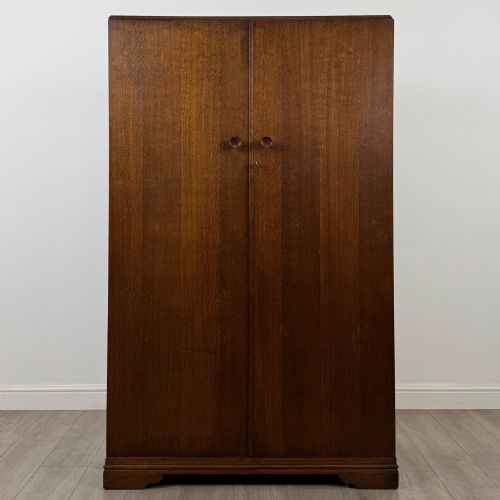
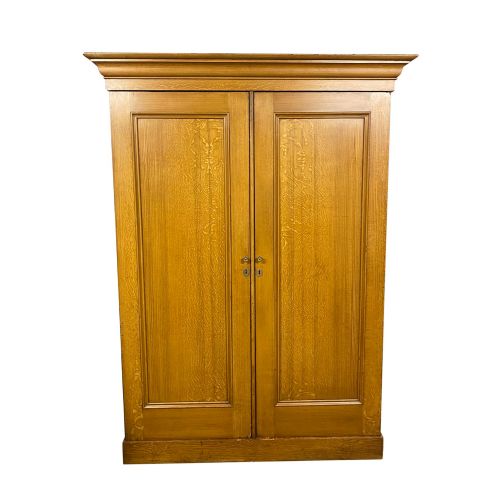
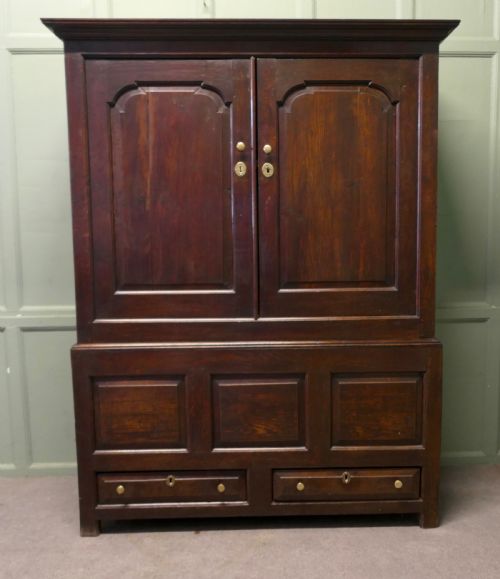
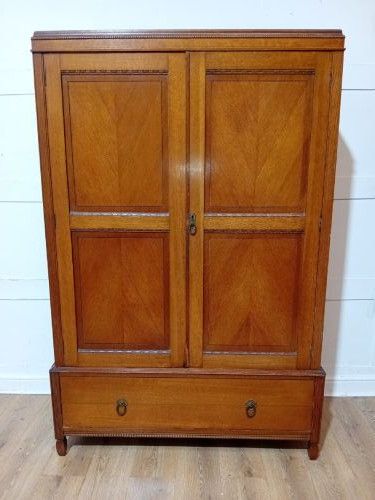
A double door oak armoire provides substantial timber storage, bringing architectural presence and enduring utility to a traditional bedroom or hallway.
Double Door Oak Armoire
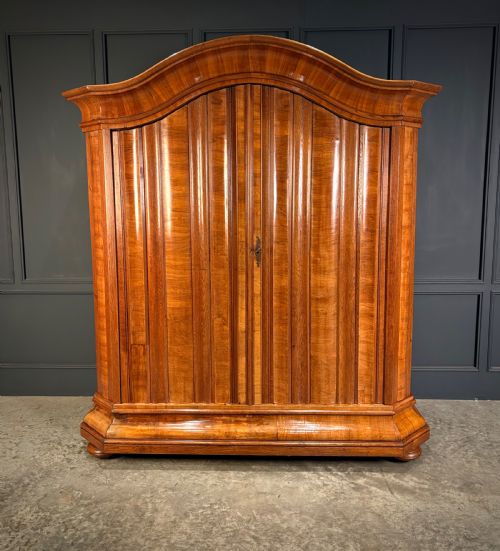
When you search for a double door oak armoire, you encounter a robust range of large storage furniture spanning the seventeenth century through to the early twentieth century. These pieces encompass regional French mountain cupboards, Georgian housekeepers cupboards, and continental wardrobe variants constructed primarily from solid timber.
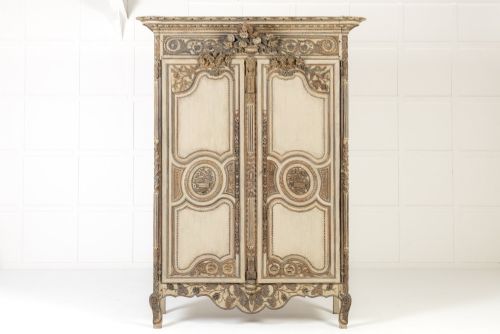
The versions most frequently met on this page include nineteenth-century French armoires and early twentieth-century oak wardrobes. Pieces frequently exhibit regional characteristics such as carved detailing, cross-banded panels, or painted finishes applied over the base wood.
Forms extend beyond standard wardrobes into linen presses, two-stage cupboards, and compactum variants. Each iteration provides substantial internal capacity enclosed by two principal access doors.
How they were made
Construction relies heavily on solid oak timbers, occasionally paired with walnut, rosewood, or pine secondary woods for internal framework and panelling. Carpenters utilised traditional joinery techniques to accommodate the natural movement of large boards over centuries.
Hardware elements such as hinges, escutcheons, and locking mechanisms are forged from brass and iron, securing the heavy doors. Surface finishes range from natural waxed patination to scumble paintwork and painted French schemes.
Mountain cupboards survived remote rural winters by keeping blankets dry and loaves safe from frost.
What varies in quality
The distinction between standard examples and finer items rests in the selection of timber and the ambition of the carver. Superior pieces display deeply figured oak grain and confident, hand-chiselled ornamentation rather than flat, mechanical stamping.
Structural integrity and original hardware also determine the standing of a piece. Armoires retaining their original brass hinges, working locks, and interior shelving or hanging configurations command greater appreciation from collectors.
Harris Lebus
The Double Door Oak Armoire Glossary
- Armoire
- A large upright cupboard or wardrobe, traditionally used for storing garments. French examples often feature double doors and deep internal proportions.
- Compactum
- A fitted wardrobe containing a combination of hanging space, drawers, and shelving units. This design maximises storage efficiency within a single footprint.
- Scumble paint
- A decorative surface finish applied to imitate the appearance of finer timber grain or aged patination. Artisans manipulated translucent paint layers over a pale base coat.
- Cross-banded
- A method of applying narrow strips of veneer across the grain of the main panel border. This technique creates a contrasting visual frame on cabinet doors and drawer fronts.
- Linen press
- A tall cupboard featuring sliding trays or shelves in the upper section for storing textiles. Lower sections frequently incorporate practical drawer storage.
Double Door Oak Armoire: Frequently Asked Questions
How do I date an oak armoire?
Dating relies upon examining construction methods, timber preparation, and stylistic cues such as carved motifs or panel bevels. Seventeenth and eighteenth-century pieces often display hand-riven boards and pegged mortise and tenon joints.
Later nineteenth and twentieth-century examples incorporate more standardised industrial fixings, machine-sawn timber, and distinctive regional hardware styles that correlate with specific periods.
Can these wardrobes be dismantled for transport?
Many continental and French armoires feature knock-down construction designed to be fully disassembled into panels, cornices, and base sections. This traditional engineering allowed large pieces to be moved between rooms and properties.
British cupboards and later compactums are frequently constructed as solid, non-dismantling units requiring careful measurement of stairwells and doorways prior to delivery.
What is scumble paintwork?
Scumble paintwork is a decorative technique where a translucent coloured glaze is manipulated over a lighter ground coat using combs, rags, or brushes. Nineteenth-century makers utilised this method to simulate more expensive oak grain or richer patination.
Such painted surfaces have acquired their own historical significance over time, representing period interior decoration choices rather than plain timber finishes.
How do I care for antique oak?
Maintaining antique oak involves keeping the timber away from direct heat sources and sudden humidity changes that cause wood to warp or split. Regular application of a traditional beeswax feed preserves the moisture and deepens the natural lustre of the surface.
Avoid modern silicone sprays or abrasive cleaning agents, which can permanently damage the historic wax build-up and dry out the grain over time.