





Domed Wooden Chest
A domed wooden chest offers sturdy storage paired with curved timber lines, uniting practical utility with distinct period character.
Domed Wooden Chest
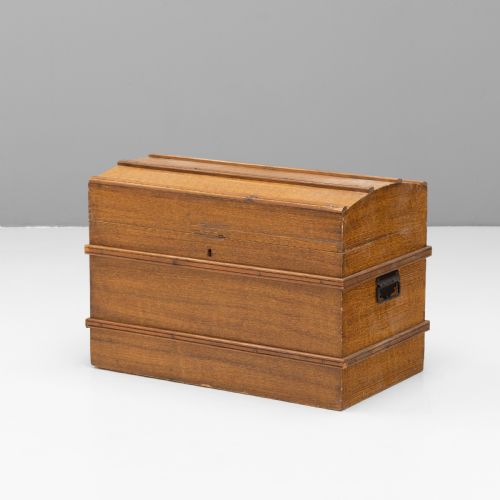
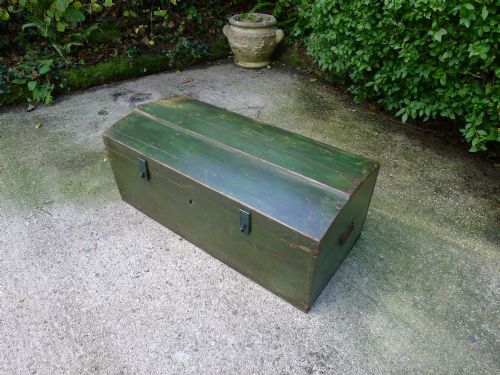
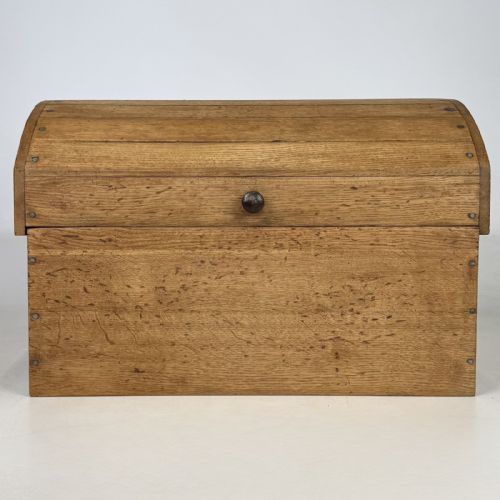
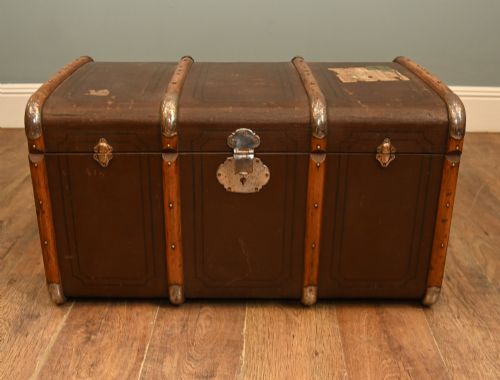
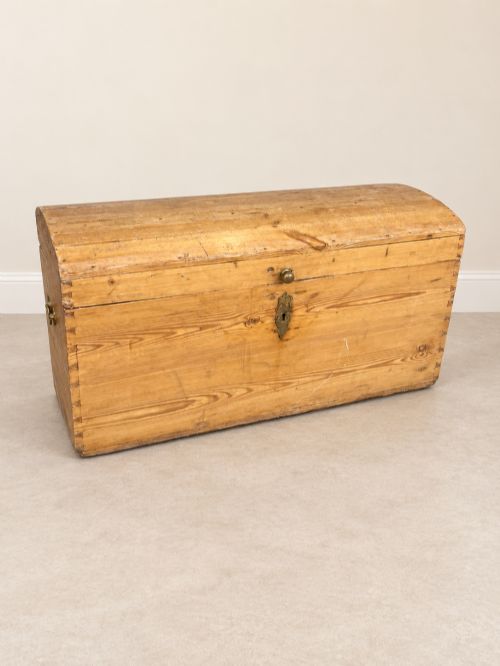
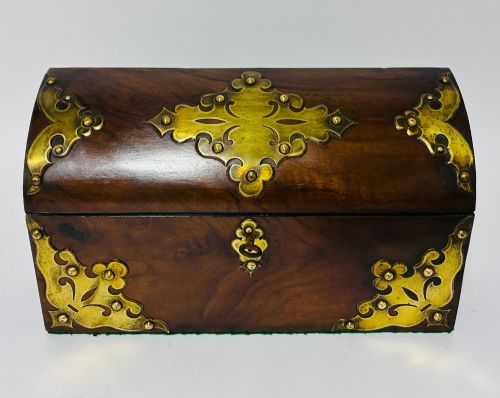
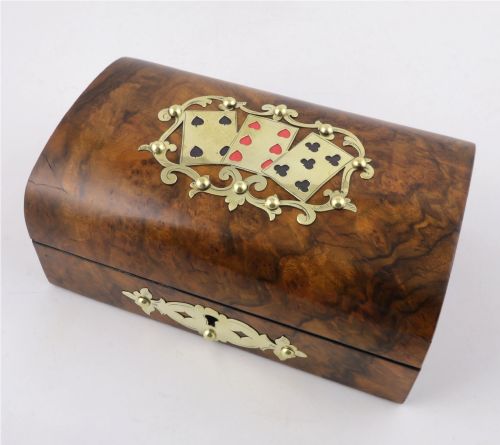
A domed wooden chest serves as a robust container featuring a curved lid designed to shed water and add internal height. Buyers searching for a domed wooden chest encounter everything from small tea caddies and gaming boxes to large painted marriage trunks.
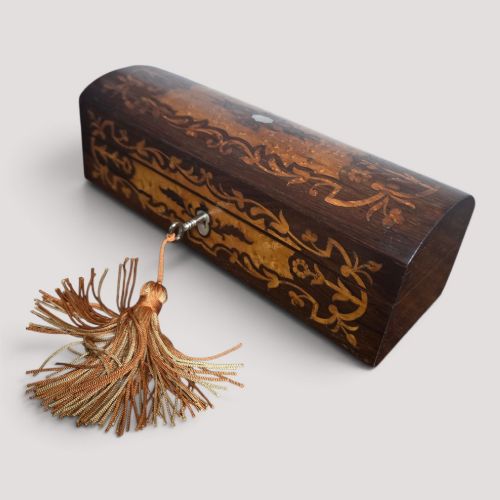
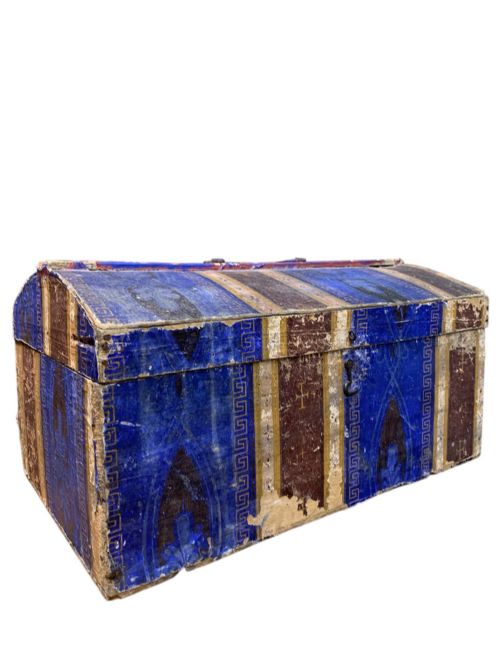
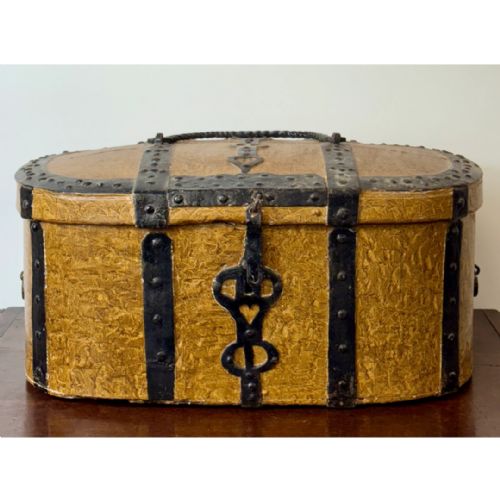
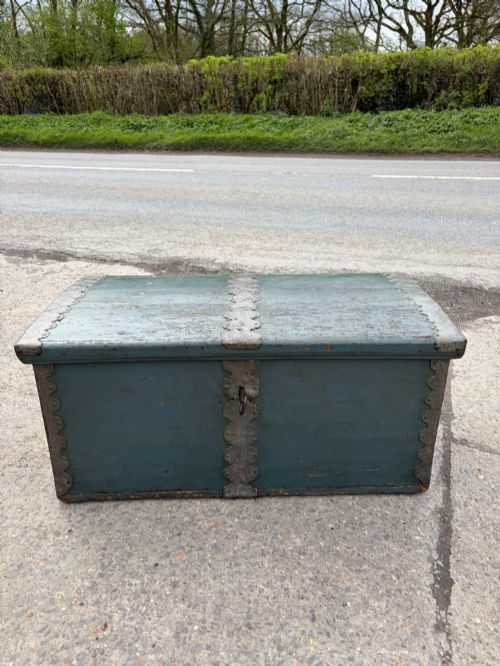
The pieces on this page span the eighteenth and nineteenth centuries, reflecting domestic storage needs across British, Scandinavian and continental traditions. Scandinavian painted pine marriage chests and heavy oak coffers dominate the selection alongside refined burr walnut tea caddies.
Smaller tabletop boxes utilise exotic veneers and brass mounts for personal valuables, while larger floor chests employ solid pine or oak with wrought iron hardware. Selecting the right scale depends entirely on whether the room requires a focal storage piece or a subtle tabletop accessory.
Materials and construction
Carpenters constructed these pieces using native timbers such as oak, pine and mahogany, alongside decorative veneers including burr walnut, coromandel and satinwood. Solid boards joined with dovetail or pegged joints provide the structural integrity needed to withstand centuries of use.
Curved lids required steaming timber or building curved frameworks of ribs and panels to support the arched shape. Iron straps, brass mountings and locks reinforced the corners and secured the contents against theft or transit damage.
Painted surfaces rely on organic pigments applied directly to wood or gesso grounds, often finished with folk motifs and floral details. Clear finishes use wax or shellac to seal the grain while highlighting the natural figure of the timber.
Domed Wooden Chest Retail Price Guide 2026
Typical asking prices for domed wooden chest among the pieces listed under this phrase on Sellingantiques today, from the lower quarter to the upper quarter. They describe what is for sale here now, not the wider market.
Several chests double as tea caddies, proving that ancestors took their herbal leaves just as seriously as their blankets.
Assessing quality and execution
The refinement of the timber preparation and joinery dictates the tier of the piece. Finer items exhibit tight dovetailing, symmetrical veneer matching and meticulous brass inlay, whereas utilitarian strongboxes display robust pegged joints and heavier ironwork.
Surface preservation separates standard examples from exceptional survivals. Original painted finishes retain their depth and character without excessive overpainting, and polished hardwoods show crisp mouldings and uncompromised patination.
The Domed Wooden Chest Glossary
- Cofer
- A heavy wooden chest, often bound with iron or leather, used for storing valuables and travel.
- Tea caddy
- A small box partitioned to store loose tea leaves, frequently fitted with a lock and key.
- Marriage chest
- A painted or carved trunk commissioned to celebrate a wedding, often inscribed with dates and initials.
- Tunbridge inlay
- Wood mosaic work utilising tiny tinted wooden tiles to form pictorial or geometric motifs.
- Cellarette
- A lockable container designed to hold bottles of wine or spirits, often lined with lead.
Domed Wooden Chest: Frequently Asked Questions
What were domed chests used for?
These containers held personal belongings, textiles, documents, and valuable commodities like tea or spices. The curved lid provided extra vertical clearance inside while shedding dust or moisture.
Larger versions served as travel trunks or dowry chests, while smaller caskets sat on tables to secure letters and gaming pieces.
How do I date a wooden chest?
Dating relies on observing construction methods, hardware types, and timber species. Hand-cut dovetails, hand-forged iron hinges, and original paint decoration point firmly to eighteenth and nineteenth-century origins.
Stylistic markers such as Georgian proportions or Victorian Gothic brass mounts help narrow the decade of manufacture.
Are painted chests Scandinavian?
Many brightly painted examples originate from Sweden and Denmark, where folk artists decorated marriage chests with floral and geometric patterns. These pieces often feature pine construction and specific regional colour palettes.
British and continental equivalents tended to rely on exposed timber grains rather than painted surface decoration.
How do I care for antique wood?
Keep wooden pieces away from direct sunlight and sudden humidity shifts to prevent the timber from warping or splitting. Regular application of a traditional beeswax polish maintains the surface sheen.
Avoid modern liquid cleaners that can strip historic wax finishes and damage the underlying patina.