


Domed Storage Box
A domed storage box offers practical utility with a curved lid that sheds dust, combining sturdy construction with character from past centuries.
Domed Storage Box
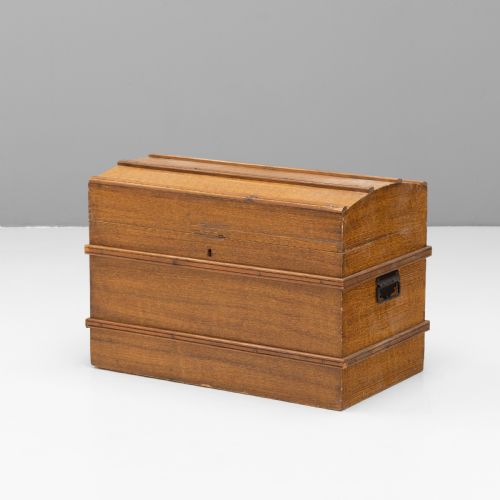
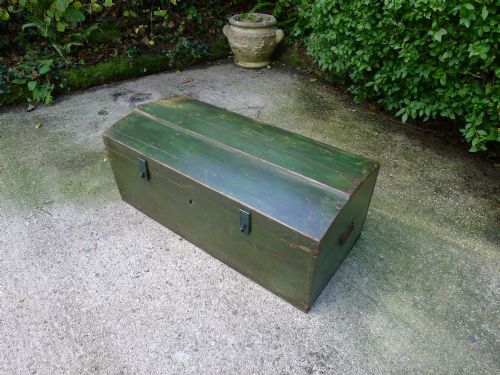
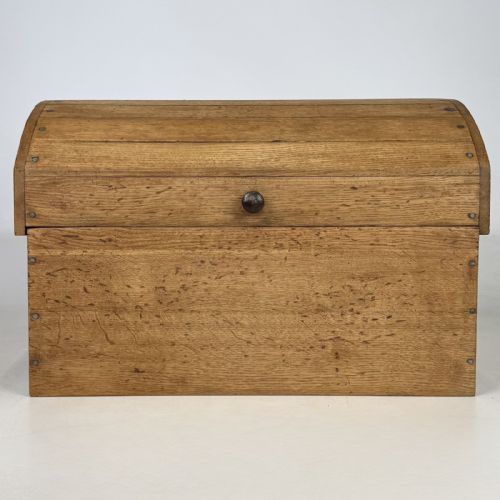
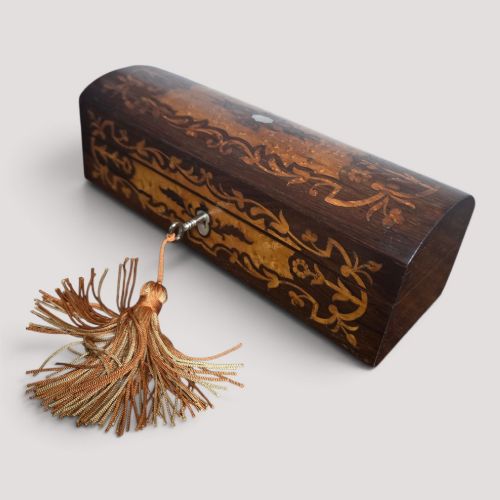
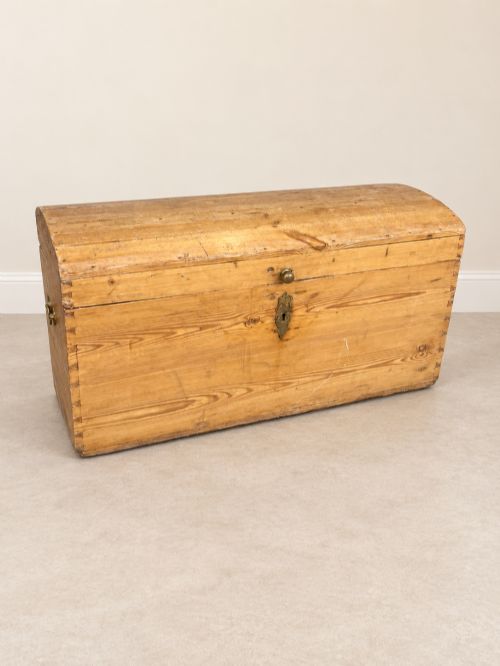
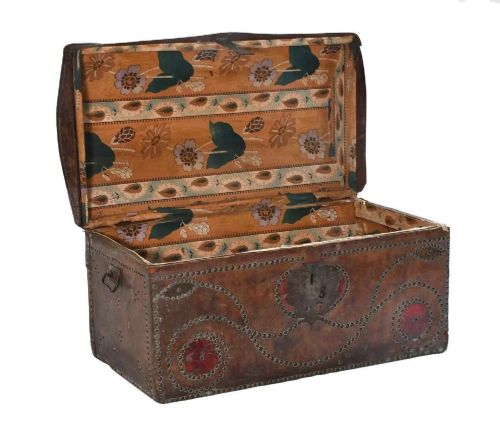
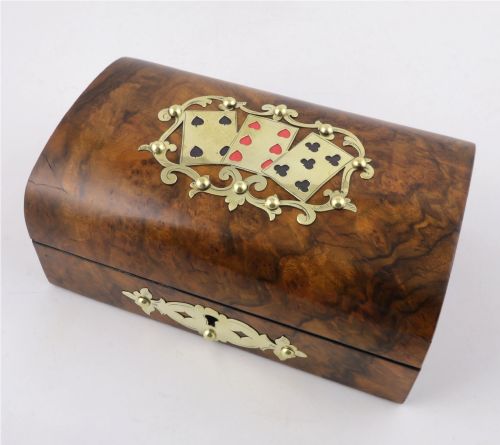
A domed storage box serves as a functional container, appearing in various forms from small tea caddies and playing card caskets to large travelling trunks and marriage chests. These pieces span the eighteenth, nineteenth, and early twentieth centuries, reflecting the domestic and travel needs of past eras.
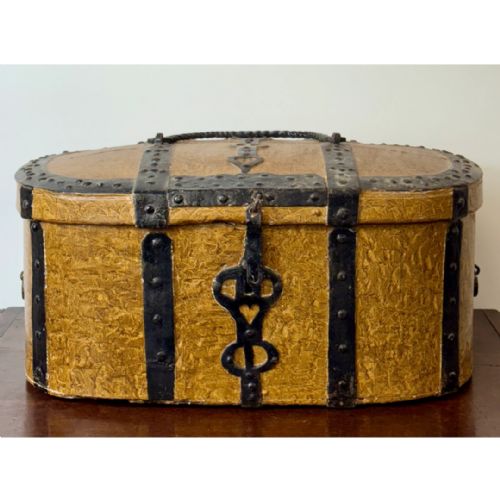
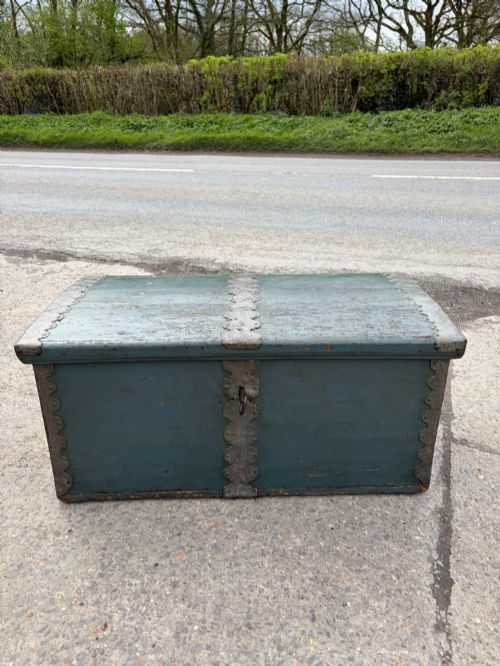
Buyers seeking a domed storage box frequently encounter sturdy pine, oak, and walnut examples alongside leather-covered, iron-bound, and painted pieces. Scandinavian country styles, Georgian mahogany boxes, and Victorian walnut stationery caskets dominate the selection.
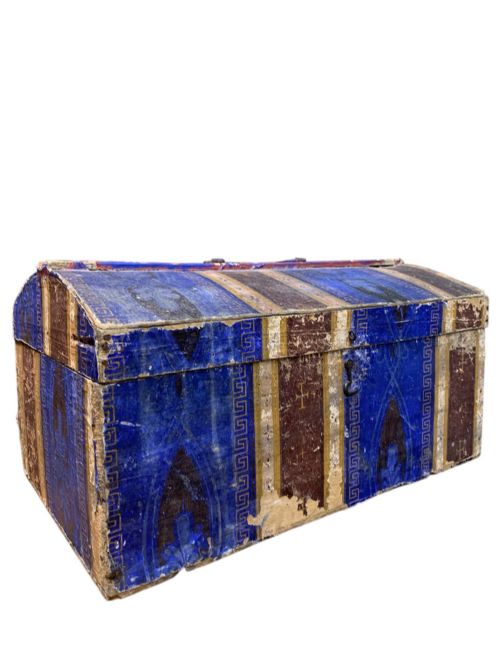
Origins range from English workshops to Scandinavian folk art traditions, Dutch craft, and Chinese export production. Each regional style brings distinct decorative choices, such as hand-painted surfaces, brass studding, or intricate inlay work.
Construction and materials
Carpenters and joiners built the wooden framework of a domed storage box using pine, oak, mahogany, or walnut, often shaping internal compartments for specific items like tea, cards, or stationery. Curved lids required steaming or segmenting timber to achieve the characteristic dome top.
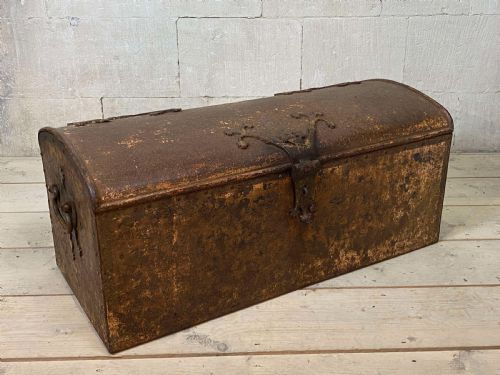
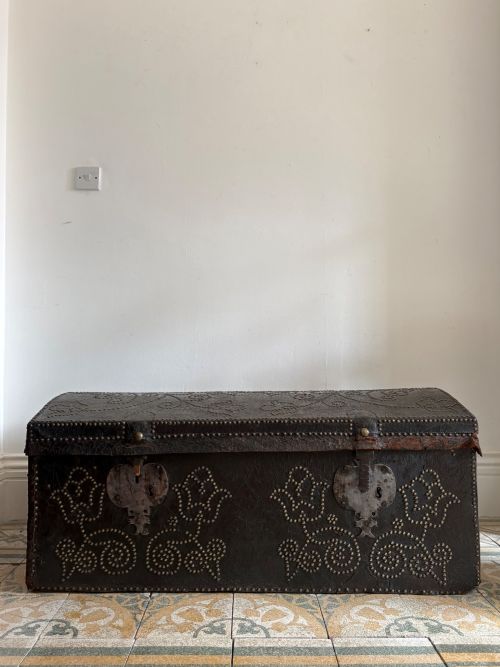
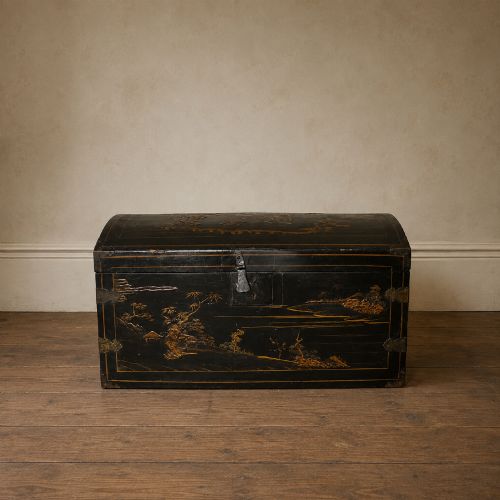
Many boxes and trunks received protective or decorative exterior layers, including stitched leather, hide, canvas, or black lacquer with gilt decoration. Brass studs, iron hinges, and wrought iron carrying handles added structural reinforcement as well as visual detail.
Domed Storage Box Retail Price Guide 2026
Typical asking prices for domed storage box among the pieces listed under this phrase on Sellingantiques today, from the lower quarter to the upper quarter. They describe what is for sale here now, not the wider market.
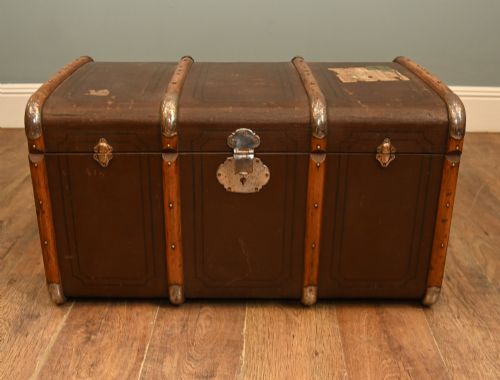
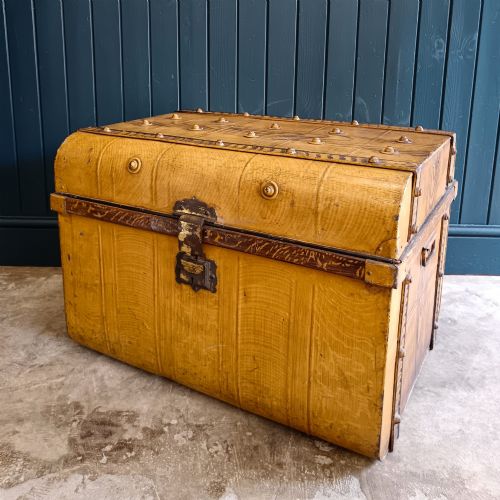
Several trunks across these listings retain the hard-earned travel scuffs of nineteenth-century steamship journeys.
Distinguishing quality
The standard of a domed storage box rests on the integrity of its timber, the survival of original surface finishes like paint, lacquer, or polish, and the precision of joinery. Pieces retaining their original brass hardware, working locks, and interior fittings hold greater integrity.
Subtleties in craftsmanship separate standard utility trunks from finer decorative caskets, such as profuse walnut inlay, delicate hand-painted Scandinavian folk motifs, or precise brass studding patterns on leather surfaces.
The Domed Storage Box Glossary
- Tea caddy
- A small box designed specifically for storing loose tea leaves, often featuring internal lidded compartments and a lock.
- Cofer
- A heavy wooden chest, frequently domed and bound with metal, used historically for storing valuables or travel.
- Gilt decoration
- Surface ornamentation applied using gold leaf or gold paint, commonly found on Chinese export lacquer pieces.
- Marriage chest
- A traditional painted wooden box or trunk commissioned or given to mark a wedding, particularly prevalent in Scandinavian folk traditions.
- Steamer trunk
- A large travelling case with a rounded or domed top designed to fit beneath cabin berths on ships during the nineteenth and early twentieth centuries.
Domed Storage Box: Frequently Asked Questions
What were domed storage boxes used for?
Domed storage boxes served multiple purposes depending on their scale, ranging from holding small valuables like playing cards and tea to transporting personal belongings on travels.
Larger versions functioned as marriage chests or general household trunks, while smaller caskets organised stationery and writing equipment.
How do I date an antique domed box?
Dating relies on examining the construction methods, timber species, hardware, and decorative styles visible on the piece. Georgian and eighteenth-century examples often show hand-cut joinery and pegged construction, whereas later nineteenth-century trunks incorporate industrial fastenings and machine-sawn boards.
Styles such as Victorian walnut veneer or Scandinavian folk paint provide further clues to the period of origin.
How should I care for a wooden dome trunk?
Protect antique wood and leather surfaces by keeping them away from direct sunlight and maintaining stable indoor humidity levels. Dust gently with a dry or slightly damp cloth and avoid harsh chemical polishes that can damage original wax or paint finishes.
Leather and iron elements benefit from occasional light conditioning suitable for historic materials.
Why did these boxes have curved lids?
The curved or domed lid design served a practical purpose by shedding water and preventing heavy items or dust from resting flat on top during transport. This shape also added structural strength to the lid without requiring excessive internal framing.