

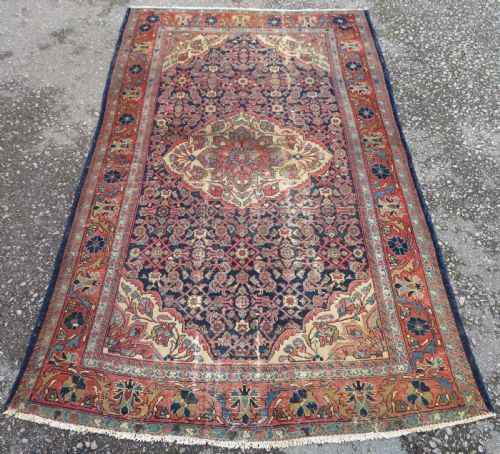
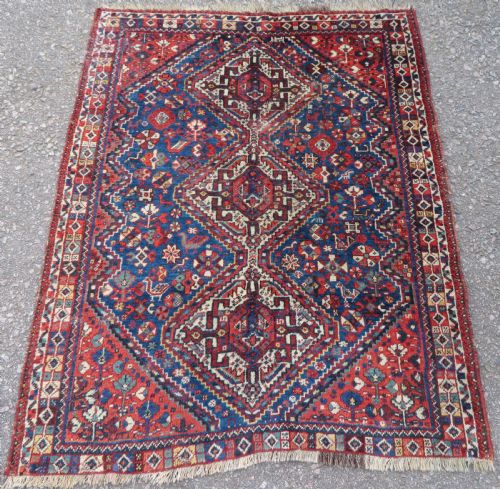
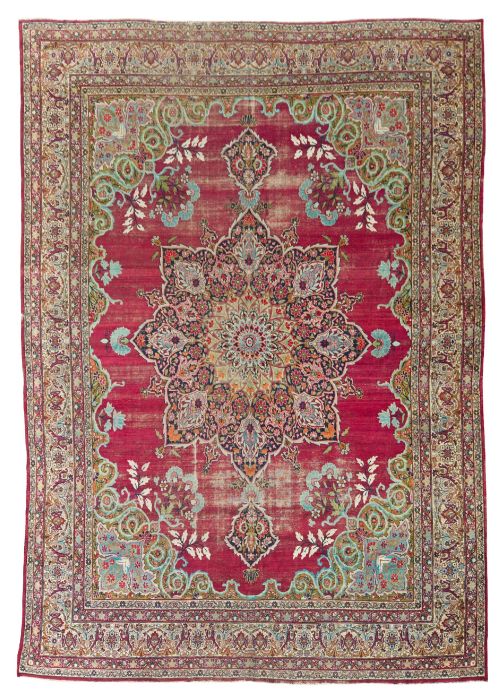
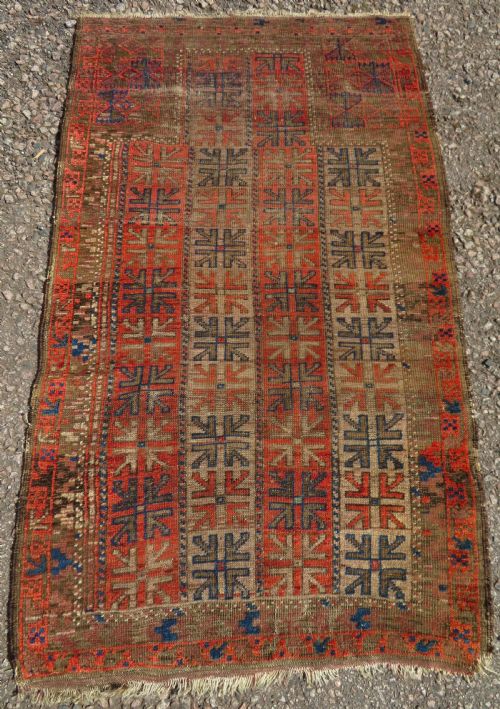
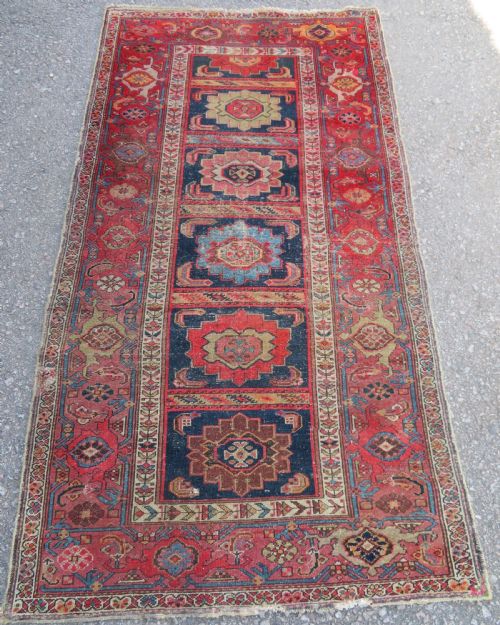
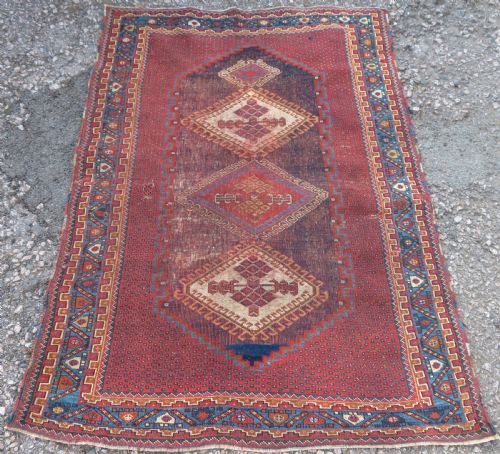
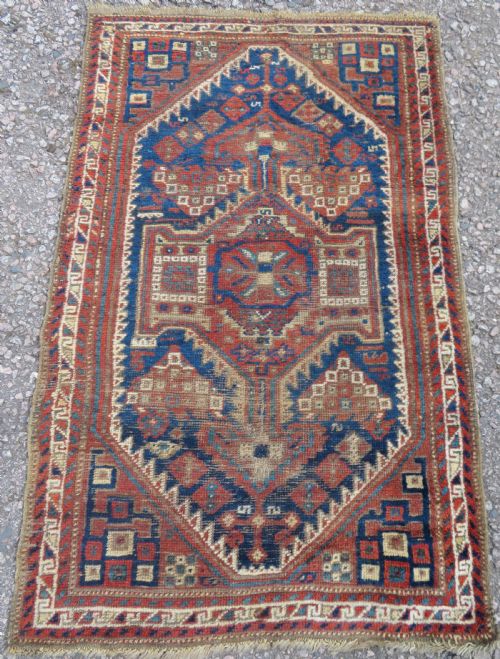
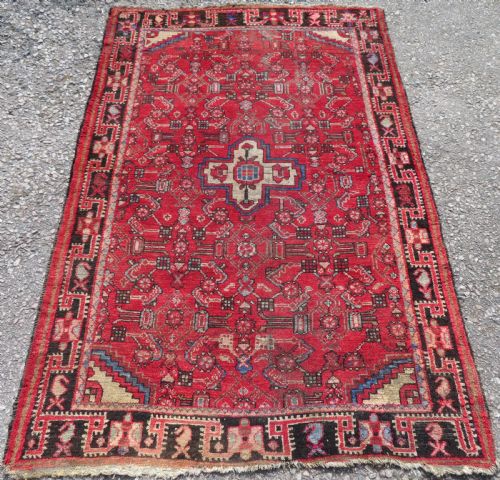
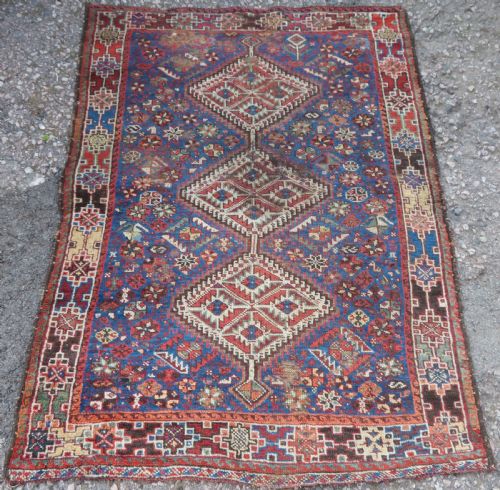
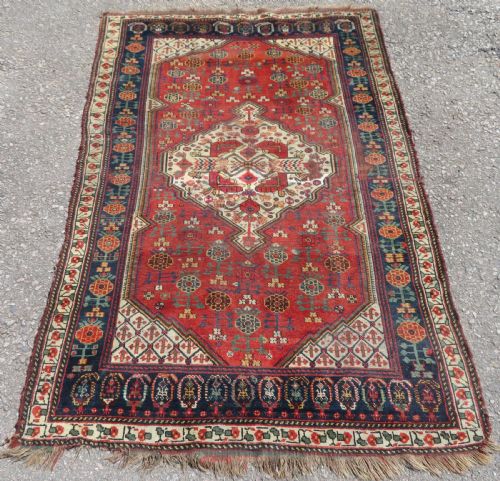
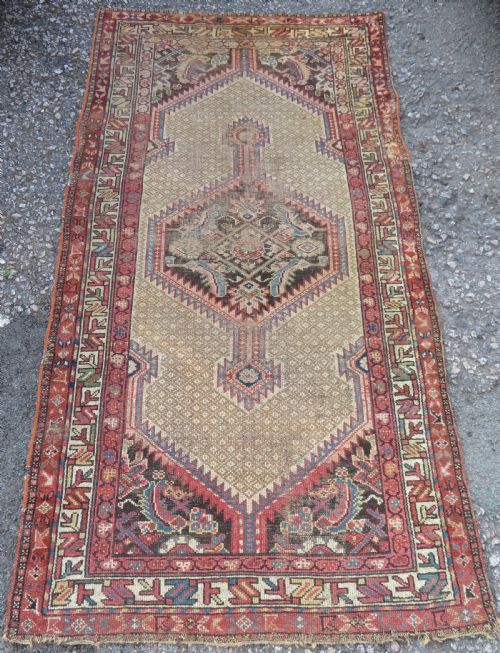
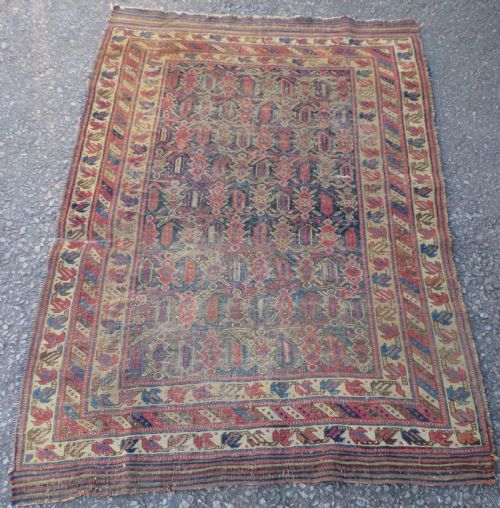
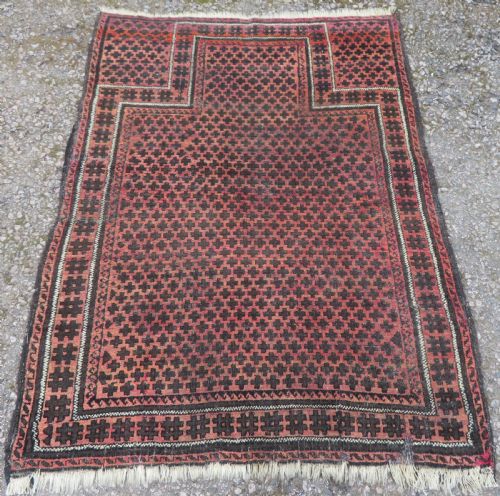


Distressed Wool Persian Rug
A distressed wool persian rug brings softened history and authentic tribal character straight to your floor.
Distressed Wool Persian Rug
A distressed wool persian rug is an antique textile originating from Persian weaving traditions, featuring worn patinas built up over decades. These pieces span from the late nineteenth century through to the early decades of the twentieth century, capturing regional aesthetics from villages and nomadic groups.
The selections available here showcase diverse formats including area rugs, long runners, and large carpets. Village workshops and tribal weavers produced these floor coverings to withstand daily use, resulting in surviving examples that display graceful wear across their fields and borders.
Regional variations dominate the inventory, ranging from north-west Persian formats like Heriz and Sarab to south-west tribal pieces by Khamseh and Afshar weavers. Each piece reflects the specific decorative vocabulary of its origin, filtered through decades of natural ageing.
How they were made
Makers utilised durable wool paired with cotton foundations to construct these floor coverings, frequently incorporating camel hair for un-dyed brown tones. These natural materials were handwoven on vertical looms, creating dense pile structures designed for longevity.
Natural dyes provided the rich colour palette, deriving hues from plant and mineral sources that mellow gracefully over time. This interaction between organic colourants and the underlying fibre produces the distinctive softened patina characteristic of antique Persian weaving.
Distressed Wool Persian Rug Retail Price Guide 2026
Typical asking prices for distressed wool persian rug among the pieces listed under this phrase on Sellingantiques today, from the lower quarter to the upper quarter. They describe what is for sale here now, not the wider market.
The listings span from the late nineteenth century through to the 1930s, featuring wool, cotton, and natural dyes.
What varies in quality
The standard of knot density and structural integrity distinguishes finer urban workshops from robust tribal creations. Finer weaves allow for intricate curvilinear motifs, whereas tribal examples rely on bold geometric structures.
The depth and harmonious fading of the natural dye palette determine visual success, alongside the evenness of the wear across the wool pile. A balanced patination preserves the integrity of the design while honouring the age of the textile.
The Distressed Wool Persian Rug Glossary
- Pile
- The vertical tufts of wool that form the soft surface of the rug. This upper layer absorbs the friction of footsteps, creating the worn patina over generations.
- Patina
- The surface sheen and softening of colour acquired through age and use. In these textiles, it signals genuine antiquity and decades of domestic history.
- Warp
- The foundational vertical threads stretched tightly on the loom before knotting begins. Cotton or wool cords form this structural skeleton.
- Weft
- The horizontal threads passed across the warp strands after each row of knots is secured. They bind the structure together firmly from side to side.
- Prayer rug
- A smaller format featuring a distinct niche or arch design at one end. Historically, worshippers placed these items oriented towards Mecca.
Distressed Wool Persian Rug: Frequently Asked Questions
How do I care for an antique wool rug?
Vacuum gently using suction attachments without rotating brush bars to protect the fragile wool fibres. Professional cleaning by specialists in antique textiles ensures safe washing.
Keep the rug out of direct sunlight to prevent further fading of the natural dyes. Using a quality underlay prevents slipping and cushions the foundation against hard floors.
Where were these rugs made?
These textiles originate from various regions across Persia, encompassing both settled village workshops and nomadic tribal territories. Specific areas include north-west districts like Heriz and Sarab, alongside southern tribal regions.
Each weaving group applied distinct regional motifs, colour choices, and knotting techniques. This geographical diversity explains the wide stylistic range found within the inventory.
What causes the distressed look?
Generations of foot traffic, natural fibre compression, and gentle washing over decades create the characteristic worn appearance. This gradual softening reduces the height of the wool pile without destroying the underlying structure.
Rather than representing damage, this patination reflects the genuine age and history of the textile. It grants the surface a subdued texture that blends easily into contemporary interiors.
Are these rugs suitable for high traffic?
Traditional wool and cotton construction provides remarkable durability, allowing these textiles to withstand regular household use. The dense knotting ensures the remaining pile resists heavy footsteps.
Placing a cushioned underlay beneath the carpet absorbs impact and reduces internal friction on the floorboards. Proper placement preserves the structural integrity of the antique foundation.