





Distressed Wooden Commode
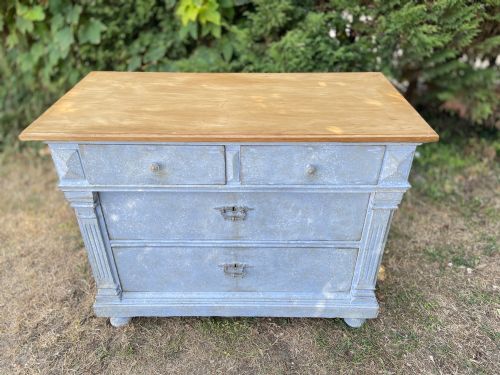
A distressed wooden commode brings storied surface character and practical storage to a room, offering the timeworn appeal of French provincial or Swedish country interiors.
Distressed Wooden Commode
When searching for a distressed wooden commode, you encounter a variety of storage forms including chests of drawers, side cabinets, and bedside tables. These pieces originate from diverse European traditions, spanning French, Italian, English, Swedish, Austrian, Danish, and Portuguese workshops.
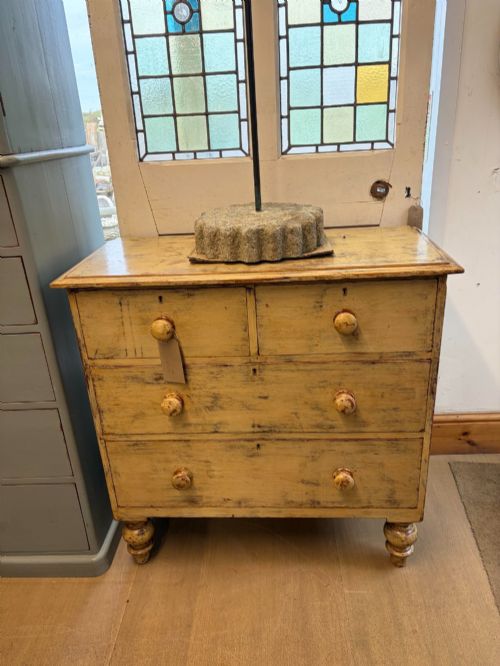
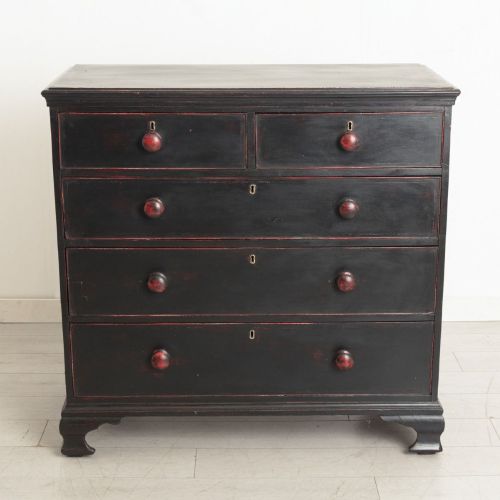
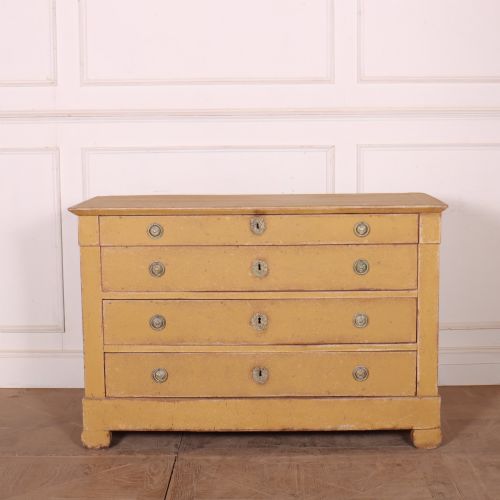
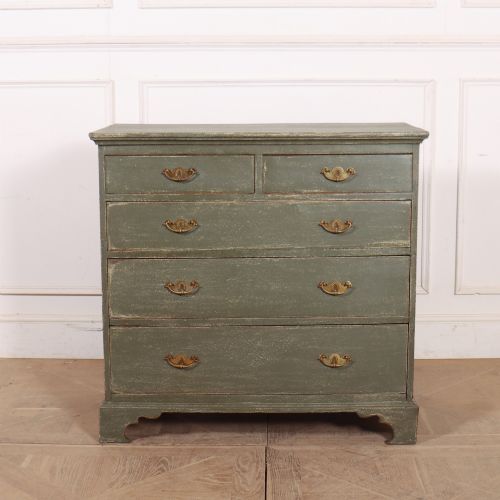
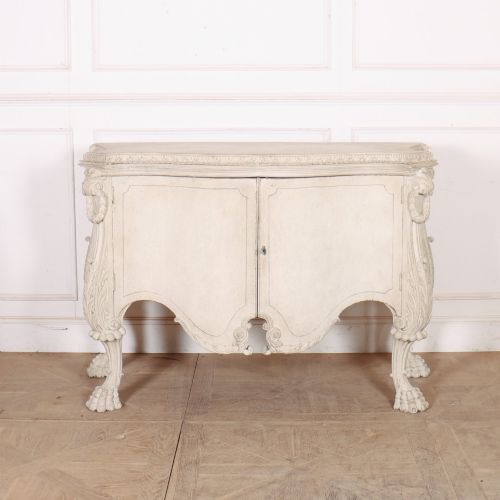
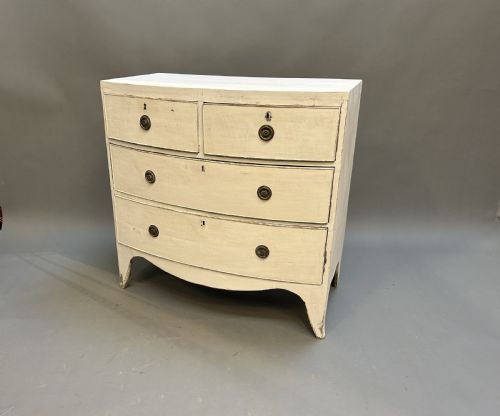
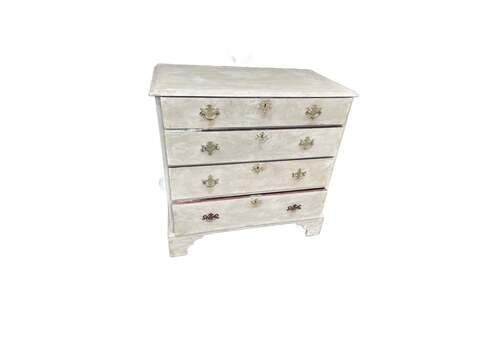
The prevalent examples on this page are chests of drawers and commodes displaying painted wood finishes, often aged or layered over time. Dating ranges from the eighteenth century through the nineteenth century and into the early twentieth century, taking in Victorian, Baroque Revival, and Gustavian styles.
Forms vary from simple English country chests to serpentine fronts and diamond-point carvings typical of continental workshops. Buyers seek these items to introduce historic texture and functional storage into domestic spaces.
How they were made
Construction relies on timber carcasses built from pine, oak, and general wood, paired with applied surface treatments like paint, gesso, and modern paint finishes. Carved details and moulded elements appear on select continental and English pieces.
Hardware incorporates brass and metal handles or drawer pulls, complementing the painted and distressed wooden surfaces. Joinery methods reflect the period of manufacture, from eighteenth-century cabinet making to nineteenth-century workshop production.
Distressed Wooden Commode Retail Price Guide 2026
Typical asking prices for distressed wooden commode among the pieces listed under this phrase on Sellingantiques today, from the lower quarter to the upper quarter. They describe what is for sale here now, not the wider market.
Listings feature pieces spanning the eighteenth century to the twentieth century, incorporating materials like pine, oak, paint, and brass.
What varies in quality
Quality reveals itself in the harmony of proportion, the depth of the timber, and the integrity of the original or historic paint surfaces. Superior examples display refined carving, such as serpentine fronts or diamond-point detailing, executed with balanced symmetry.
The distinction between ordinary and exceptional pieces lies in the authenticity of the timber and the skill involved in the cabinet work. Maker attribution, as seen in pieces by firms like Edwards and Roberts, adds a documented layer of craftsmanship.
Edwards and Roberts
The Distressed Wooden Commode Glossary
- Commode
- A low cabinet or chest of drawers designed for storage, typically featuring multiple drawer tiers. In continental and English traditions, the form serves both utility and decorative display.
- Serpentine front
- A furniture front characterised by a concave central section flanked by convex ends, or vice versa, creating a gentle undulating wave. This contour requires advanced woodworking skill.
- Gustavian style
- The Swedish interpretation of French neoclassical design, commissioned by King Gustav III during the late eighteenth century. It is known for restrained carving, pale painted finishes, and functional elegance.
- Gesso
- A plaster-like mixture applied to wood surfaces as a base for paint or gilding. It provides a smooth, prepared ground for decorative finishes.
Distressed Wooden Commode: Frequently Asked Questions
How do I style a distressed wooden commode?
Position the commode against a plain wall to let the textured paint finish and historic timber form become a focal point in the room. Pair the surface with simple ceramic lamps or botanical frames that complement the piece without competing with its age.
Utilise the drawers for everyday storage in a hallway, bedroom, or living space. The aged exterior allows the furniture to integrate naturally into both traditional and contemporary interior schemes.
What is the difference between a commode and a chest of drawers?
The term commode frequently denotes a continental European low chest of drawers, often featuring decorative serpentine contours or elaborate painted schemes. Chest of drawers is a broader descriptor commonly applied to English and vernacular furniture.
Both forms provide substantial drawer storage, but commodes often exhibit stronger regional design influences from France, Italy, or Sweden. The underlying function remains the same across both designations.
How can I tell the period of a painted commode?
Examine the construction methods, drawer linings, and timber types visible inside the carcase. Eighteenth-century examples often display hand-cut joinery and heavy oak or pine framing, while nineteenth-century pieces incorporate industrial-era standardisation.
Consider the paint surface alongside the timber. Historic paint layers, gesso preparation, and wear patterns offer clues to whether the finish is original to the period or applied during a later revival style.
Where were these painted commodes made?
These pieces originate from workshops across Europe, with strong representation from France, Sweden, Italy, and England. Each region developed distinct stylistic preferences, such as the pale Gustavian aesthetic in Sweden or serpentine curves in Italy.
Local timber availability influenced the construction, with pine and oak serving as primary woods across various continental and British cabinet-making traditions.