

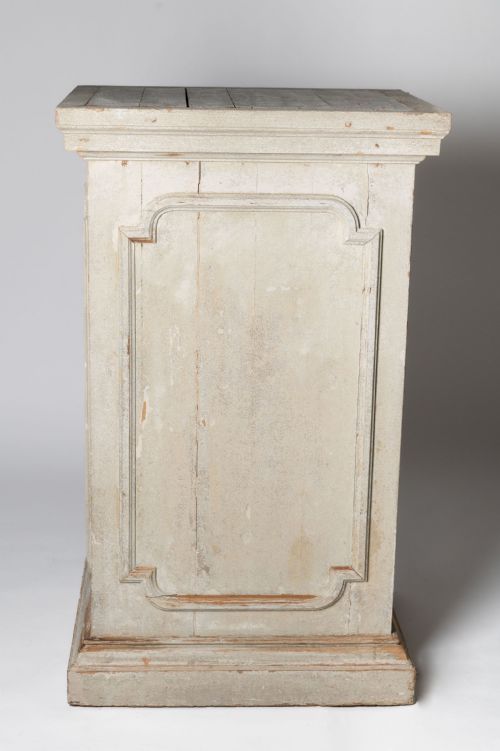
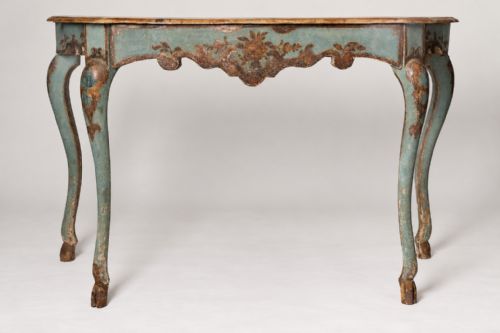

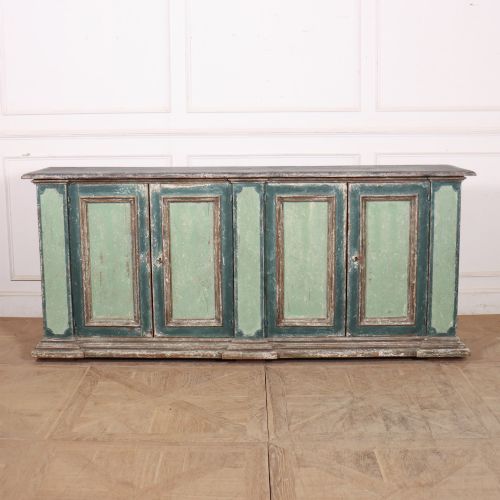
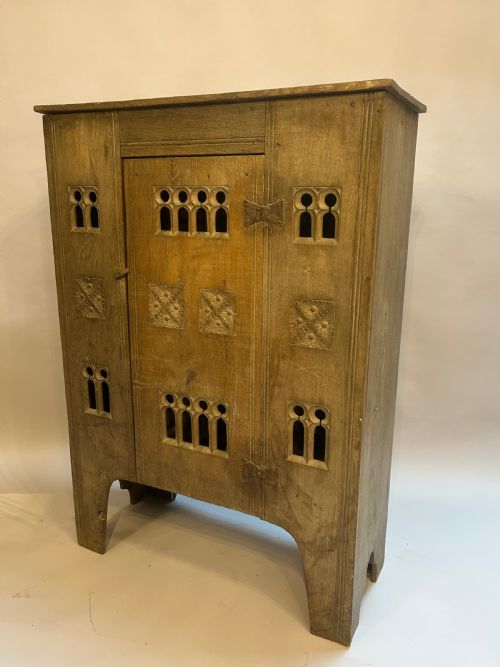
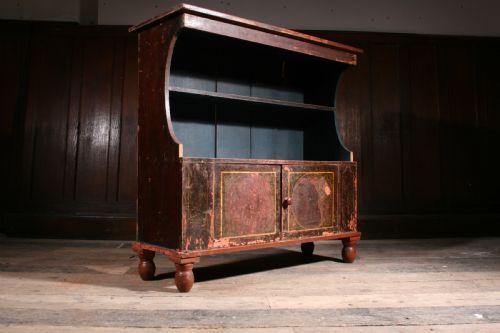
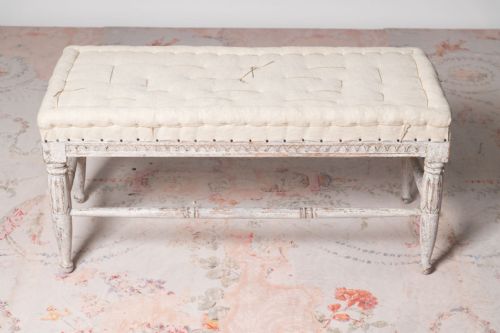
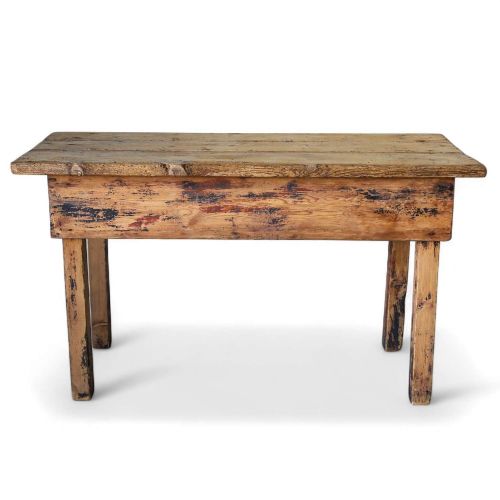
Distressed Wood Furniture
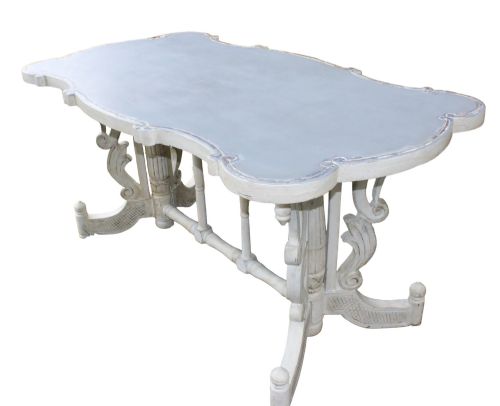
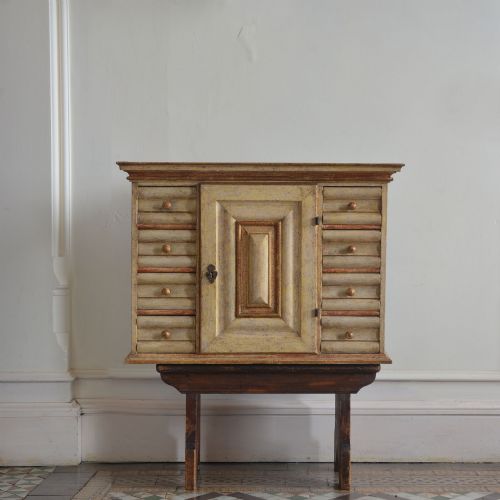
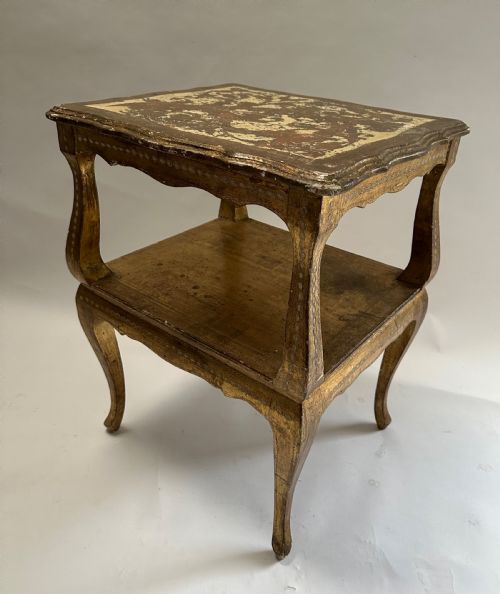
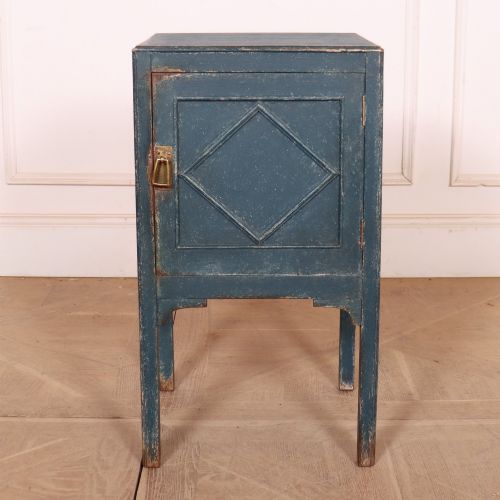
Distressed wood furniture brings character to a room through weathered painted surfaces, visible grain, and centuries of domestic use.
Distressed Wood Furniture
Distressed wood furniture encompasses domestic storage pieces, seating, and tables carrying the marks of age, wear, and historic surface treatments. Buyers seeking this aesthetic encounter pieces designed for practical service that have acquired a patinated finish over generations.
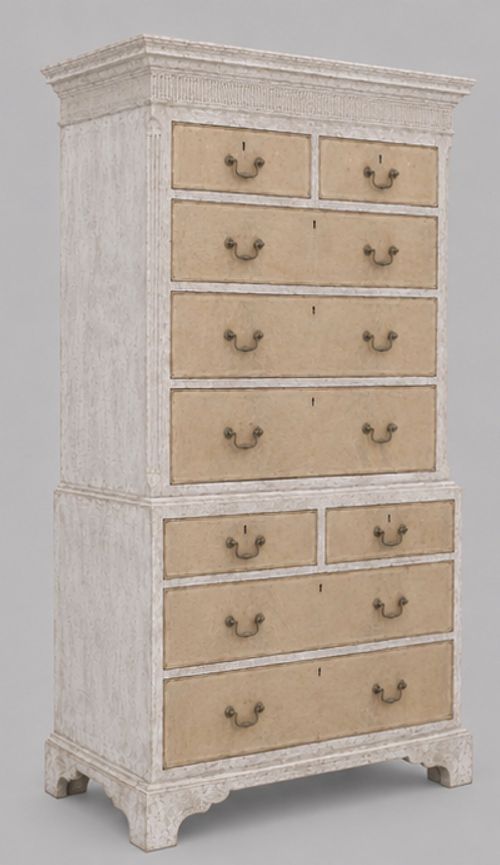
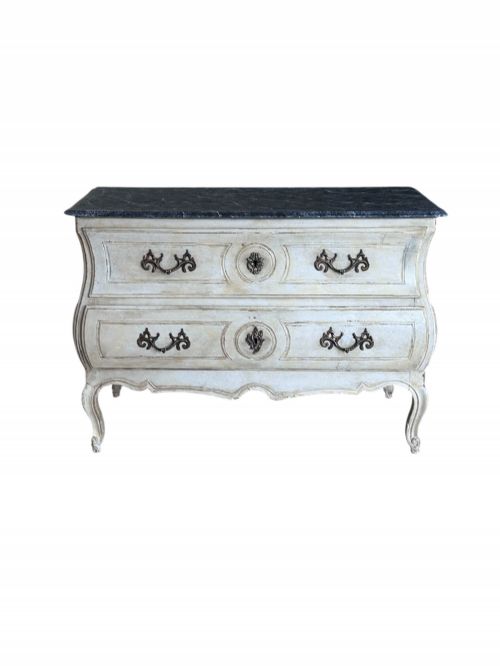
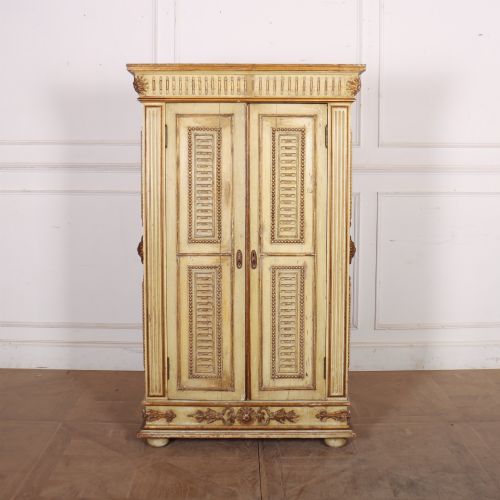
The selection ranges from eighteenth-century commodes and console tables to nineteenth-century pine chests of drawers and country benches. European regional styles, particularly Swedish, French, and Italian examples, dominate the available forms.
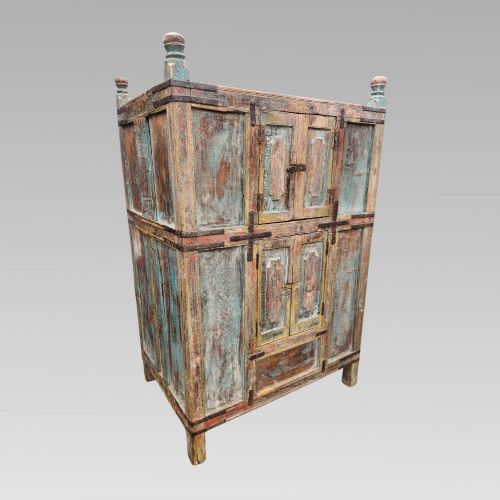
Makers shaped these items from pine, oak, and ash, frequently applying layers of paint, gesso, or decorative washes that soften over time. The resulting inventory provides functional tables, cabinets, and beds retaining original or early decorative schemes.
How they were made
Joiners and cabinet makers constructed these pieces using solid timbers such as pine, oak, and ash, joined with traditional carpentry methods suited to heavy daily use. Surfaces received applications of paint, gesso, or polish directly onto the wood substrate.
Many items retain original paint layers that have chipped, crackled, and worn naturally through decades of household service. Secondary materials like brass handles and marble tops complement the painted wooden structures.
Distressed Wood Furniture Retail Price Guide 2026
Typical asking prices for distressed wood furniture among the pieces listed under this phrase on Sellingantiques today, from the lower quarter to the upper quarter. They describe what is for sale here now, not the wider market.
The inventory spans the 18th, 19th, and early 20th centuries, featuring painted pine, oak, and marble materials.
What varies in quality
Quality rests in the integrity of the original construction and the authenticity of the surface finish. Pieces retaining their original painted decoration without modern intervention command greater interest from collectors.
Proportion, regional character, and the subtlety of decorative details separate standard utility items from finer provincial examples. The balance between structural soundness and the natural erosion of the surface defines each piece.
The Distressed Wood Furniture Glossary
- Patina
- The surface texture and coloration developed by wood and paint over years of handling and exposure. It serves as a visual indicator of age.
- Commode
- A low chest of drawers or cabinet originating in France, frequently fitted with decorative painted finishes.
- Gesso
- A plaster-like mixture applied to wood surfaces to prepare them for painting or gilding. It often shows characteristic cracking over time.
- Demi-lune
- A half-moon shape characteristic of console tables designed to stand flat against a wall.
- Súgán
- A type of chair featuring a seat woven from straw or twisted plant fibres. This technique appears in traditional regional seating.
Distressed Wood Furniture: Frequently Asked Questions
How do I clean distressed painted wood?
Dust surfaces gently with a soft, dry cloth to prevent accumulation of grit.
Avoid chemical cleaning agents and moisture, which can damage fragile historic paint layers.
Are these finishes original?
Many pieces retain their original paint layers applied decades or centuries ago.
Close inspection reveals natural wear patterns that distinguish authentic historic surfaces from modern decorative effects.
Where were these pieces used?
Items originated in farmhouses, town houses, and provincial homes across Europe.
They served practical storage and living functions in bedrooms, hallways, and reception rooms.
How do I date a painted piece?
Dating relies on construction methods, timber types, and the composition of underlying paint layers.
Stylistic cues specific to periods like the eighteenth century or Victorian era provide further chronological markers.