

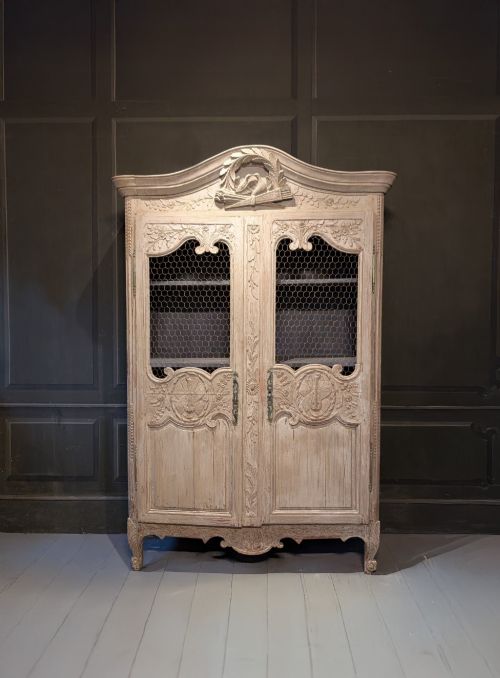
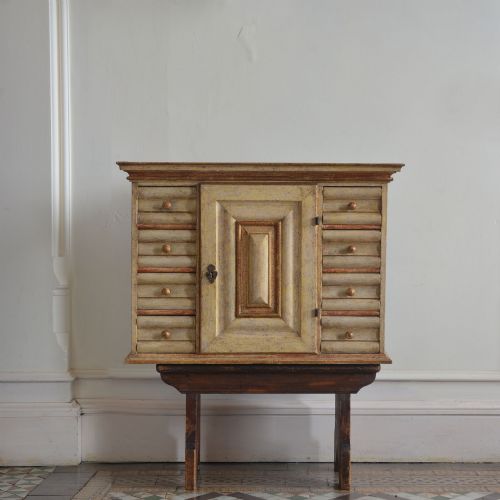
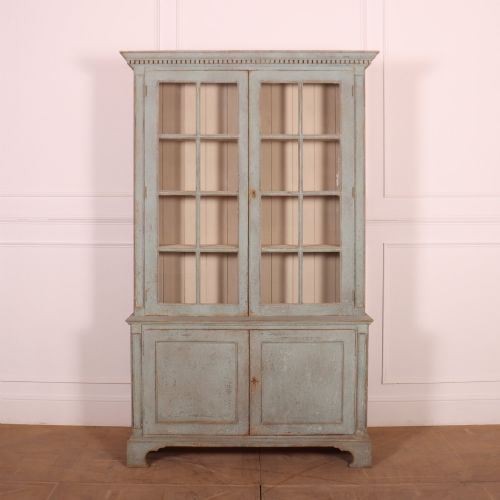
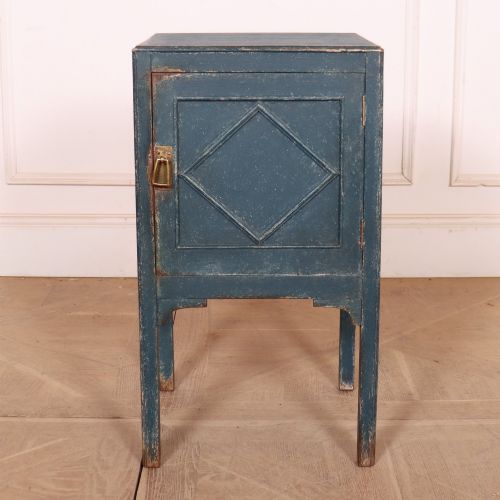
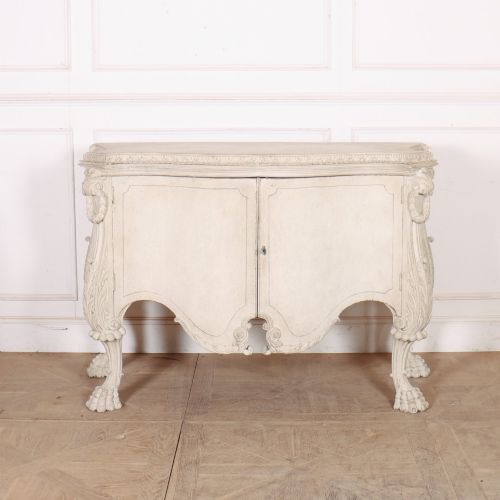
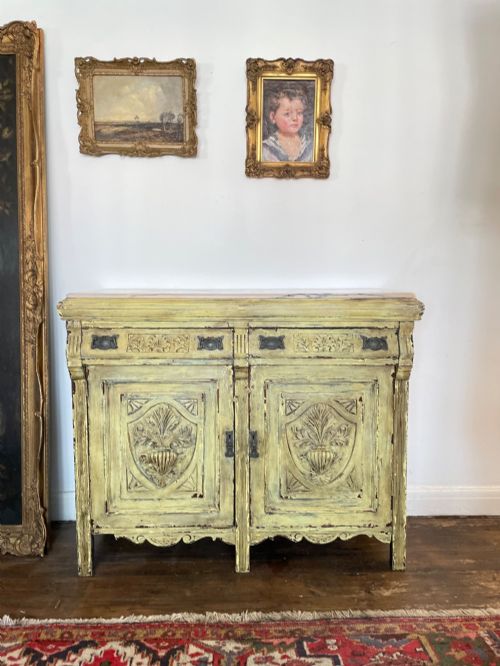
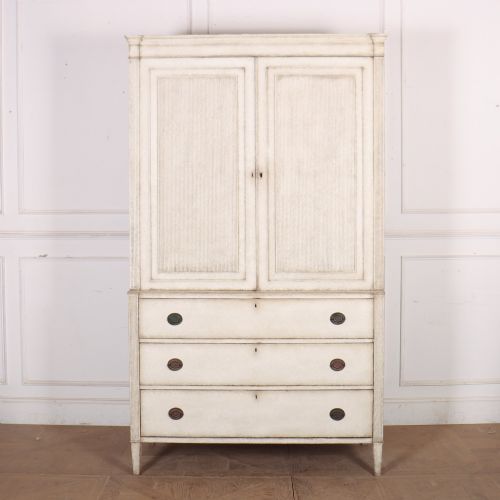
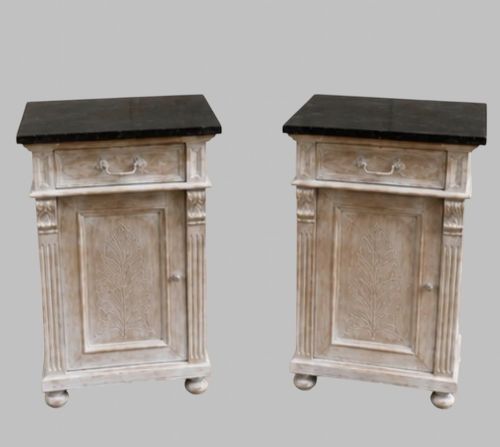
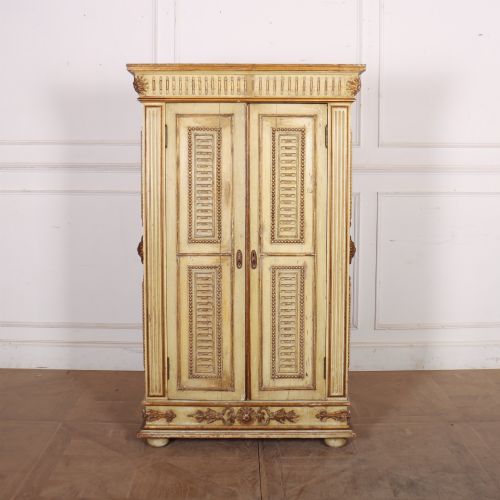
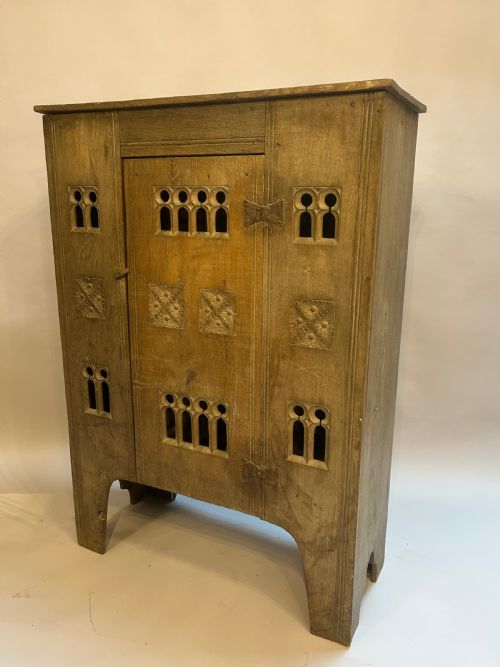
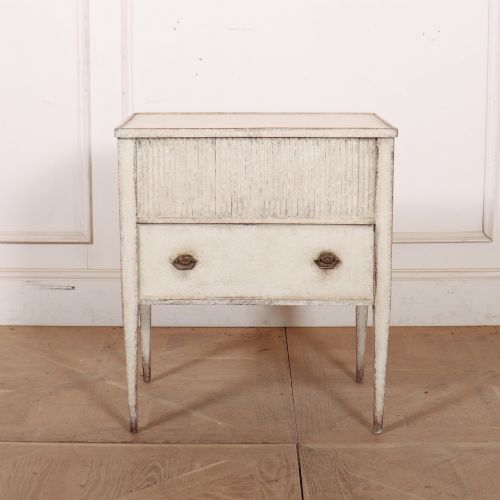
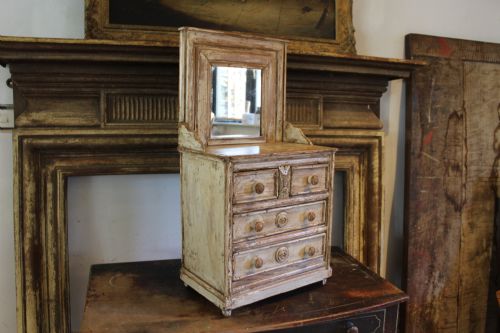
Distressed Wood Cupboard
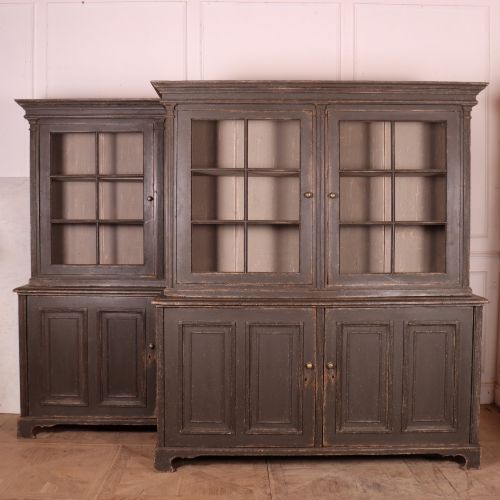
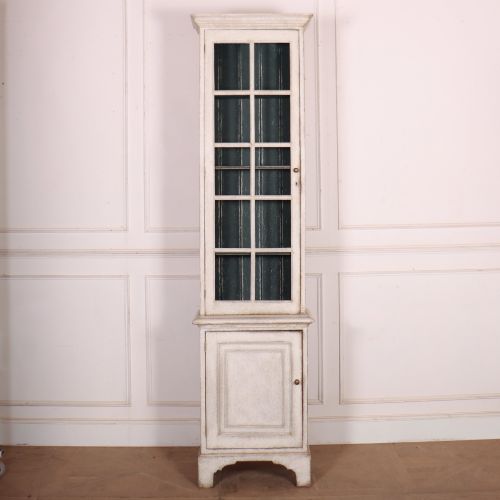
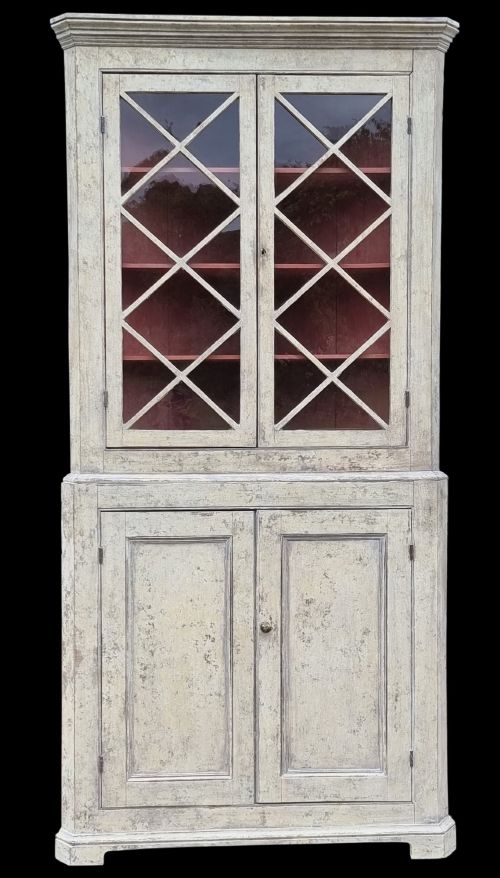
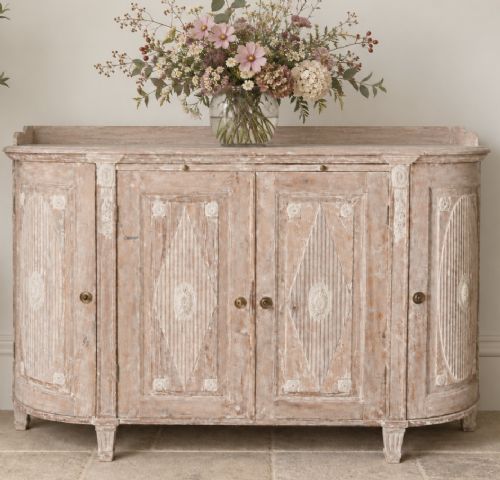
These distressed wood cupboards bring texture and time-worn character to a room through weathered paint and honest utility.
Distressed Wood Cupboard
A distressed wood cupboard provides practical storage while displaying the authentic marks of age through worn surfaces and aged paint. When searching for a distressed wood cupboard, buyers encounter regional forms ranging from French buffets and Swedish linen cupboards to Indian almirahs and Italian side cabinets.
The selection on this page spans several centuries, drawing heavily on nineteenth-century craftsmanship alongside eighteenth-century examples and twentieth-century vintage pieces. These items appear in various domestic formats, including bedside tables, wardrobes, display cabinets, and tall storage cupboards.
European country styles dominate the selection, particularly French Provincial, Scandinavian Country, and Gustavian pieces, alongside rustic and traditional Indian designs. Each piece reflects the functional traditions of its origin, adapted over generations of domestic use.
How they were made
Construction relies on solid timbers such as pine, teak, cedar, and general wood, assembled with traditional joinery suited to heavy daily use. Surfaces often retain original or early painted finishes that have worn down naturally over decades.
Hardware elements like iron and brass hinges, handles, and locks secure the heavy doors and drawers on these large storage items. Glass panels appear in display cabinets and bookcases, while marble tops feature on specific continental sideboards.
Distressed Wood Cupboard Retail Price Guide 2026
Typical asking prices for distressed wood cupboard among the pieces listed under this phrase on Sellingantiques today, from the lower quarter to the upper quarter. They describe what is for sale here now, not the wider market.
Listings feature pieces from the eighteenth, nineteenth, and twentieth centuries, incorporating materials such as pine, teak, brass, iron, and glass.
What varies in quality
Quality rests in the integrity of the original construction and the preservation of authentic surface patination. Pieces that retain their early painted finishes or natural timber weathering without excessive modern intervention hold greater interest.
The sophistication of regional carving, the weight of the timber used, and the survival of period hardware distinguish finer examples from simpler utilitarian storage. Structural stability combined with untouched surface character defines the upper tier of these items.
The Distressed Wood Cupboard Glossary
- Almirah
- A freestanding cupboard or wardrobe used for storage in traditional Indian homes. These pieces often feature painted finishes and substantial timber construction.
- Buffet de corps
- A large, two-section French dining room cupboard or sideboard designed for storing and serving food. They frequently date to the eighteenth century.
- Gustavian
- The Swedish interpretation of French neoclassical design, characterised by lighter proportions and pale painted finishes. This style emerged during the late eighteenth century.
- Polychrome
- Decorated in multiple colours, typically applied to wood surfaces in traditional European furniture. This technique creates a layered, decorative appearance.
- Armoire
- A large wardrobe or cupboard with doors, traditionally used for hanging garments. French examples often display decorative carving or painted surfaces.
Distressed Wood Cupboard: Frequently Asked Questions
How do I clean a painted wooden cupboard?
Dust the surface regularly with a soft, dry cloth to prevent dirt accumulation without disturbing fragile historic finishes. Avoid modern chemical solvents or abrasive cleaners that can strip away aged paint and original patination.
Test any mild cleaning solution on a hidden area first if moisture is strictly necessary. Preserving the dry, chalky surface texture is essential for maintaining the character of these antique items.
Are these cupboards suitable for modern clothing storage?
Many of these pieces function effectively as wardrobes or linen storage, provided the internal depth accommodates modern hangers. Shelved cupboards and drawer units adapt easily to folded garments and bedroom organisation.
Check the internal dimensions of each specific cabinet before purchase, as older furniture can feature shallower depths than contemporary equivalents. Freestanding cupboards offer flexible placement in bedrooms without fitted closets.
How can I tell an eighteenth-century cupboard from a later copy?
Examine the construction methods, tool marks, and timber shrinkage to determine the approximate age of the woodwork. Eighteenth-century pieces typically feature hand-cut joinery, forged iron nails, and timber that has settled naturally over generations.
The wear patterns on painted surfaces should align with natural handling and ageing rather than artificial distressing. Comparing hardware types and panel construction also helps verify the period.
What is the difference between an armoire and a linen cupboard?
An armoire is primarily designed as a wardrobe featuring hanging space or deep internal compartments for garments. Linen cupboards traditionally house multiple fixed or adjustable shelves specifically intended for stacking folded textiles.
Proportions often vary between the two forms, with linen cupboards appearing slightly shallower and wider in regional country styles. Both serve as substantial statement storage pieces within a room.