



Distressed Sideboard
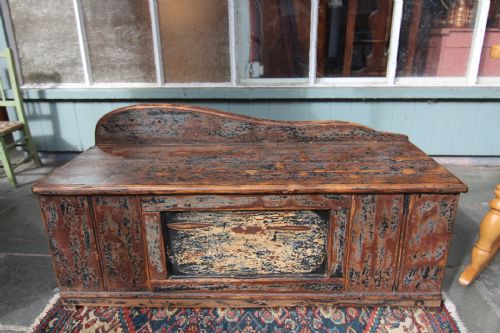
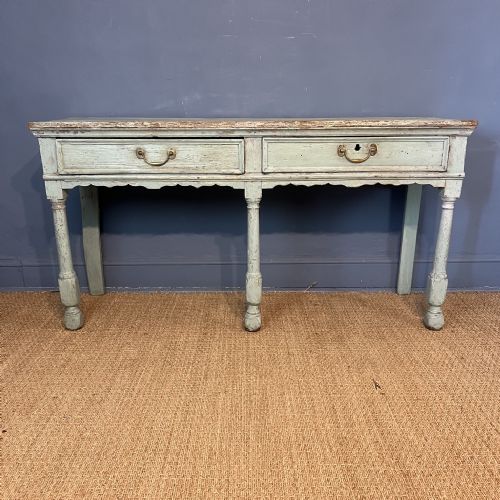
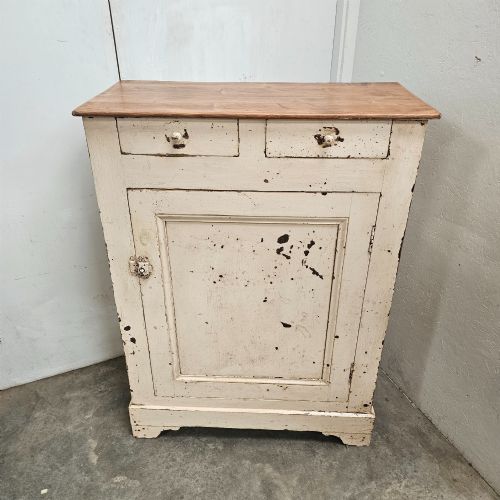
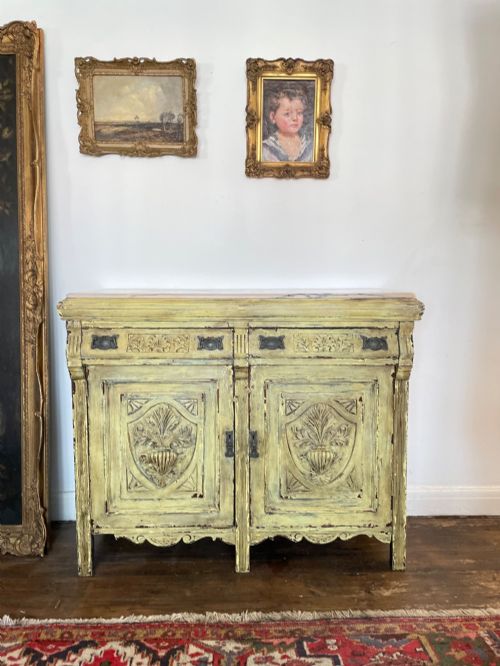
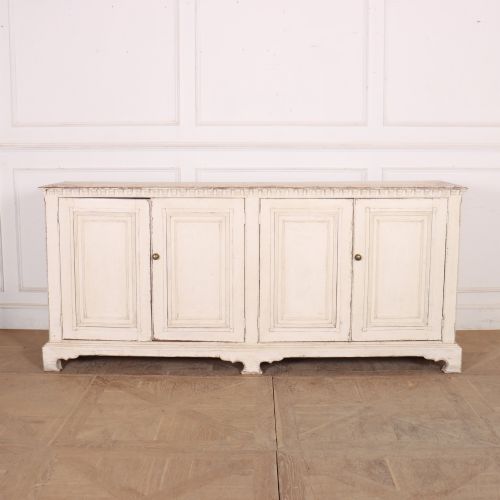
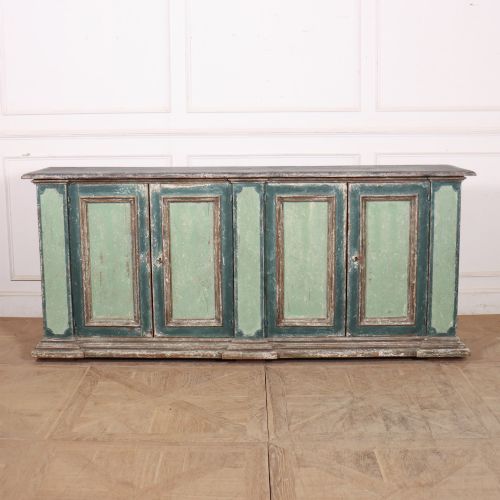
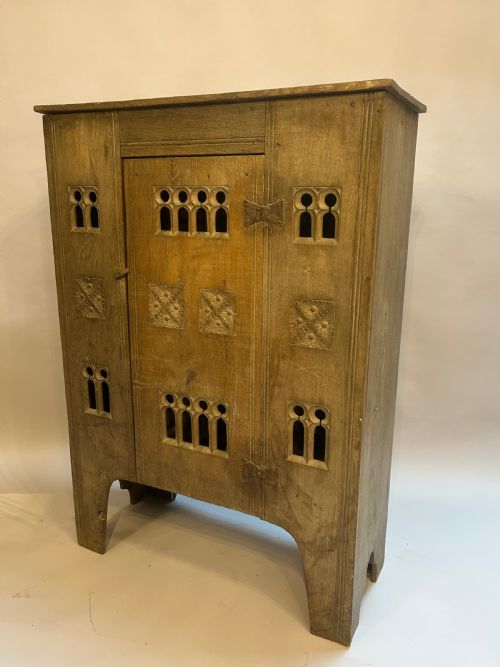
When you search for a distressed sideboard, you are looking for functional storage pieces defined by aged surfaces, historical paint, and timber character.
Distressed Sideboard
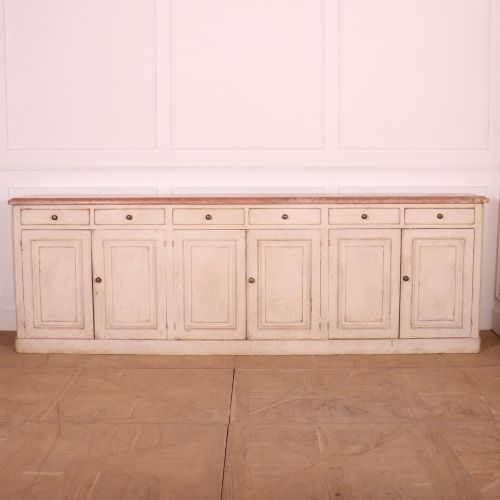
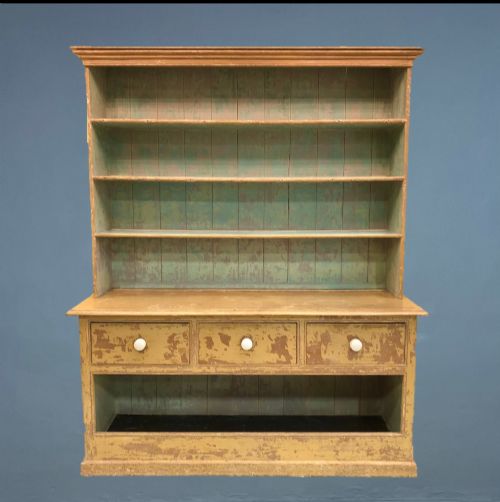
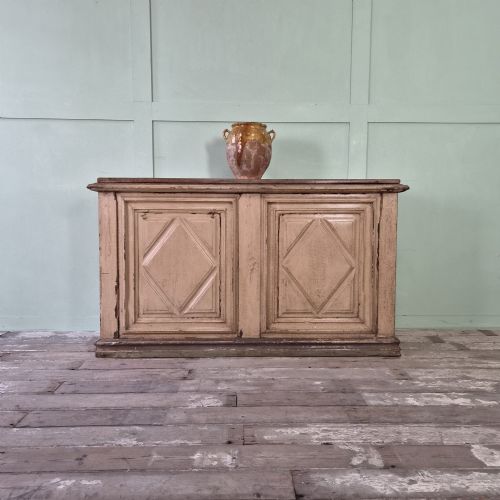
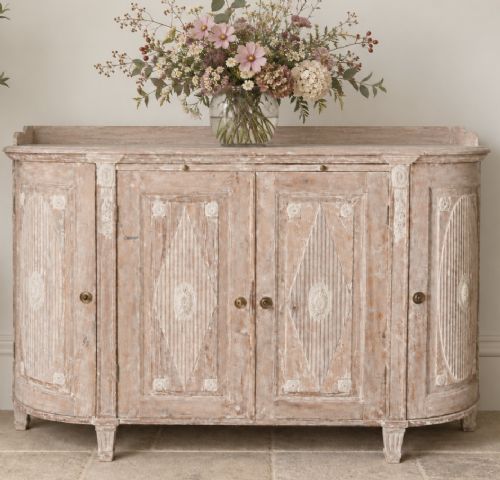
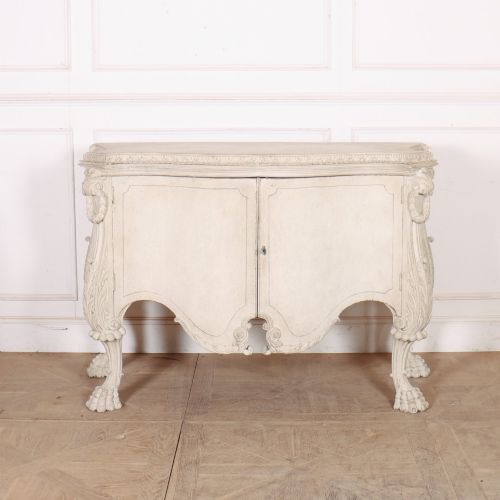
A distressed sideboard covers a broad group of utilitarian furniture designed for storage, encompassing kitchen dressers, servers, enfilades, and commodes. When searching for this phrase, buyers encounter examples ranging from 18th-century English country house bases to 19th-century French buffets and Scandinavian cupboards.
The objects on this page span several centuries, including 18th-century and 19th-century periods, alongside Victorian and specific dates such as 1880, 1890, 1860, and 1900. Styles lean heavily towards regional traditions like English Country, French Provincial, Gustavian, and Italian Neoclassical.
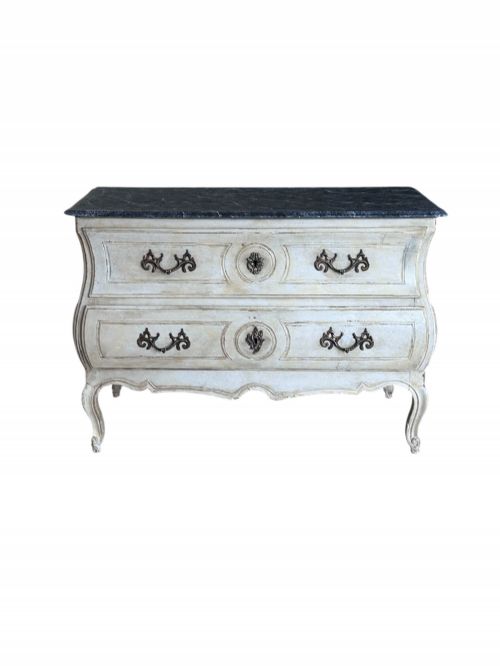
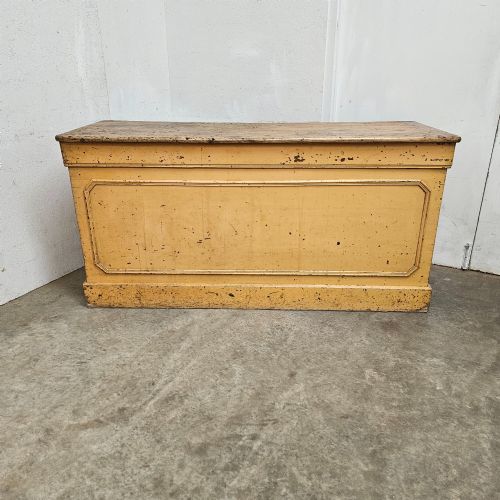
Forms vary from potboard dresser bases and side cabinets to serpentine front commodes and shop counters. The common thread uniting these pieces is their weathered exterior, often featuring original paint finishes developed over decades of domestic or commercial use.
How they were made
Construction relies primarily on timbers such as pine and oak, frequently paired with painted wood surfaces, brass handles, iron hardware, and occasionally pink marble tops. Carpenters and joiners built these items for daily utility in kitchens, dining rooms, and shops using traditional framing and panel techniques.
Surfaces often carry layers of original paint applied in regional palettes characteristic of English, French, Italian, and Scandinavian workshops. Hardware elements like brass hinges and iron pulls complete the structural assembly, showing the functional demands of each period.
Distressed Sideboard Retail Price Guide 2026
Typical asking prices for distressed sideboard among the pieces listed under this phrase on Sellingantiques today, from the lower quarter to the upper quarter. They describe what is for sale here now, not the wider market.
A pink marble top elevates one French provincial buffet from simple kitchen utility to grand country house dining.
What varies in quality
Quality rests in the integrity of the timber and the preservation of original paint finishes rather than uniform slickness. Pieces retaining their authentic regional character and uncompromised structural frames stand apart from later interpretations.
The depth of historical patination on pine and oak surfaces, combined with the presence of period brass or iron hardware, distinguishes superior examples. Proportion, regional styling, and the undisturbed nature of the painted finish determine the standing of each item within its period.
The Distressed Sideboard Glossary
- Dresser base
- A low storage unit with drawers or cupboards, historically used in kitchens for food preparation and serving.
- Enfilade
- A long sideboard or cabinet featuring a succession of doors along the front, common in continental European interiors.
- Commode
- A low chest of drawers or cabinet standing on legs, frequently found in French and Italian contexts.
- Potboard
- An open slatted lower shelf on a dresser base designed for storing heavy pots and pans.
- Serpentine
- A curved furniture front shaped in a gentle wave of convex and concave sections.
Distressed Sideboard: Frequently Asked Questions
What is a distressed sideboard?
A distressed sideboard is a storage item like a dresser base, commode, or buffet that displays aged, weathered wood and historical paint finishes.
These pieces originate from various regional traditions, including English country houses and French provincial settings.
How do I use a sideboard at home?
Sideboards provide practical storage for dining rooms, kitchens, and hallways while anchoring a room with historical character.
Use the surface for display and the internal cupboards or drawers for linens, tableware, or everyday items.
How can I tell the period of a piece?
Dating relies on construction methods, timber choices like pine or oak, and stylistic details associated with the 18th and 19th centuries.
Regional traits, such as Gustavian or French Provincial styling, offer further clues to a piece's origin and era.
What does original paint mean?
Original paint refers to the earliest decorative or protective coating applied to the timber, which has survived through generations of use.
This finish develops natural wear and patination that collectors value for its authenticity.