
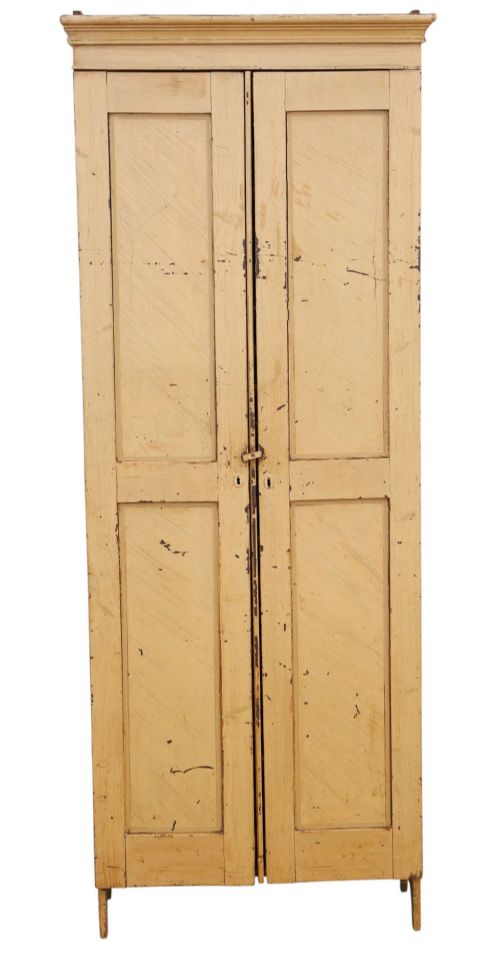
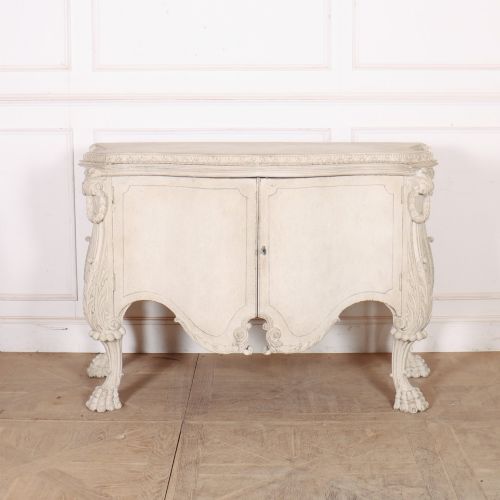
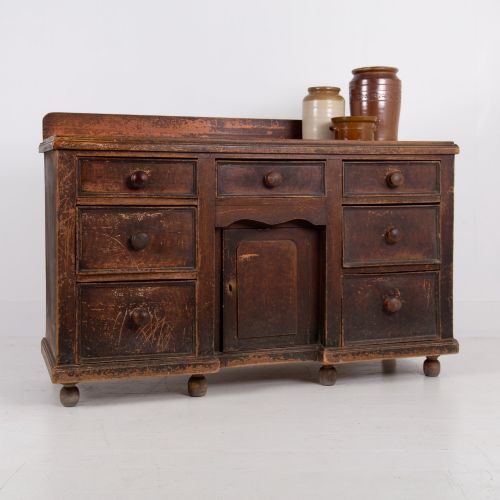
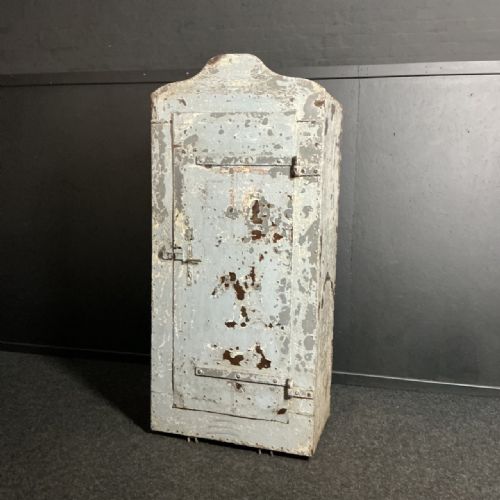
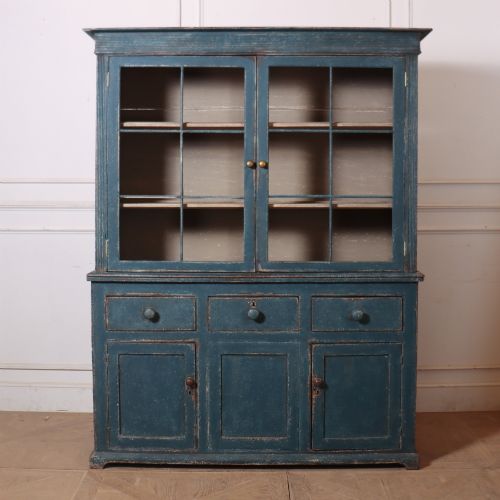
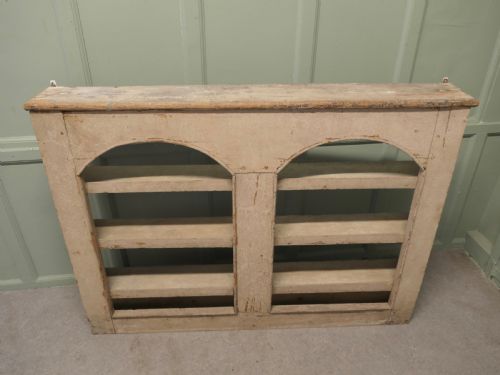
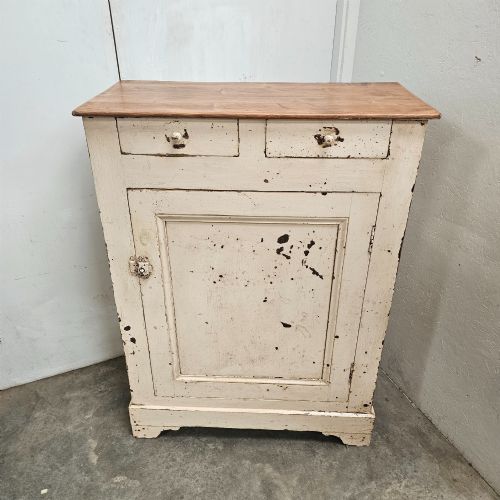
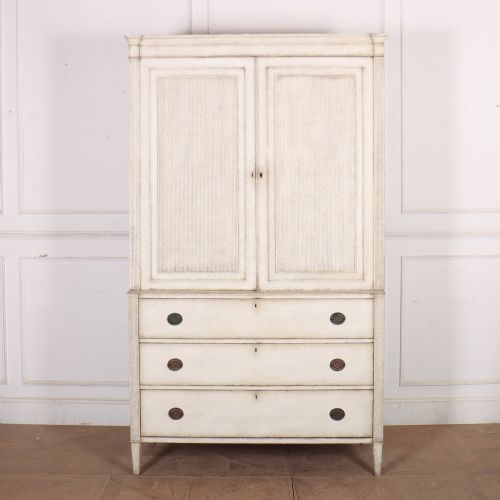
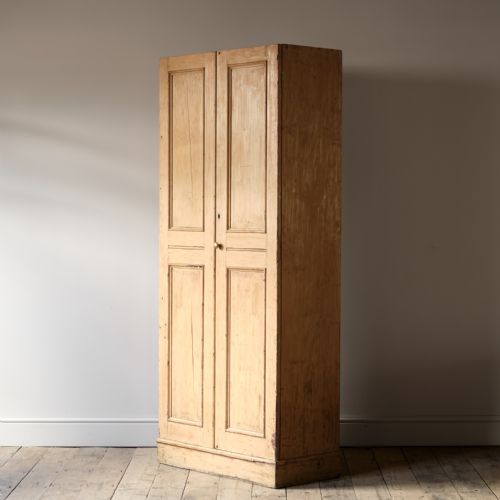
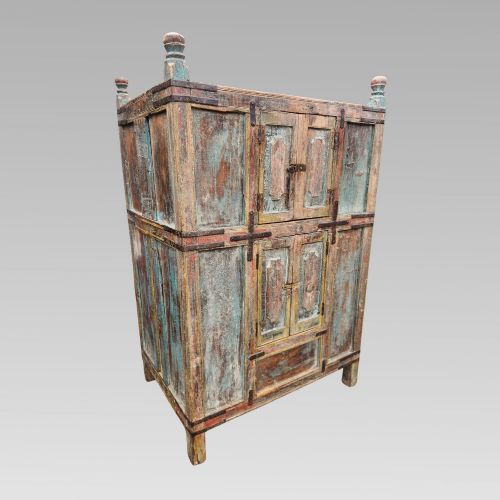
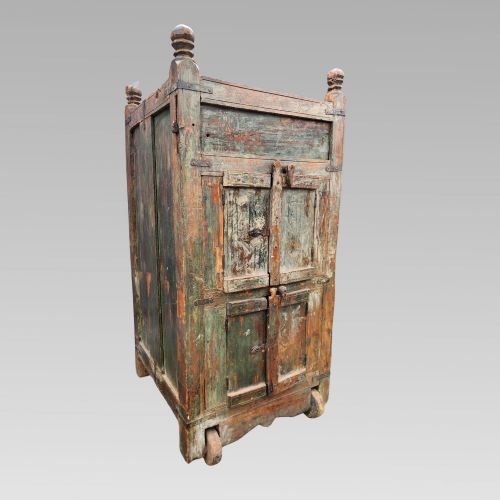
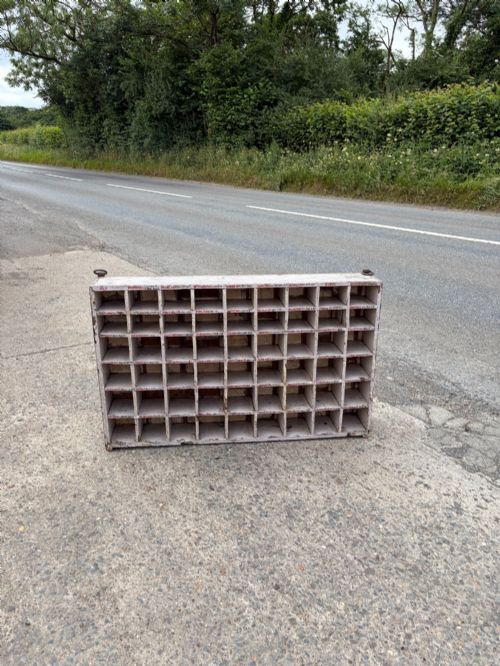
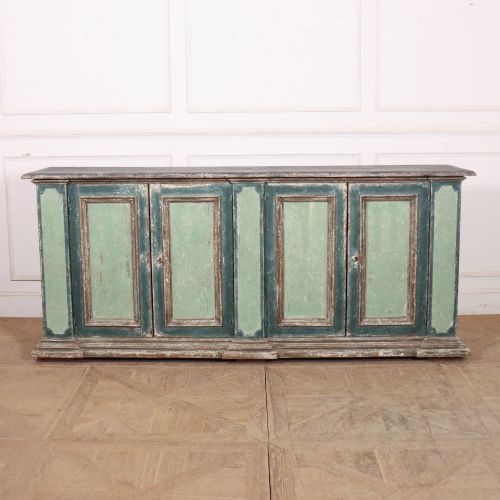
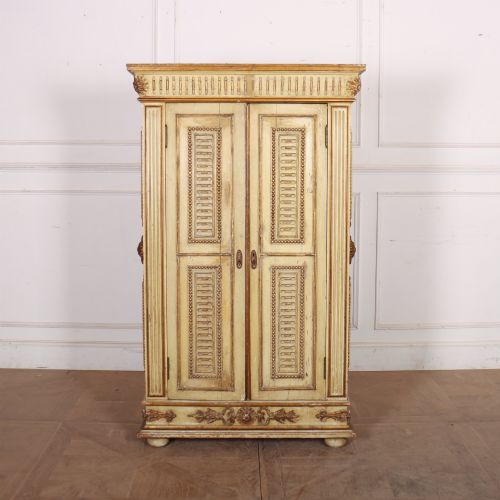
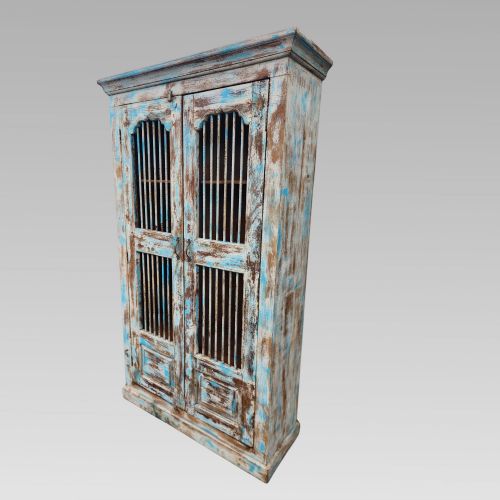
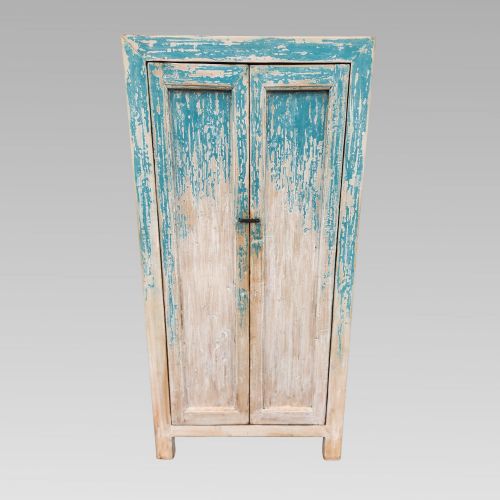
Distressed Painted Storage Cabinet
A distressed painted storage cabinet brings functional utility and character to a room through weathered surfaces and heritage timber forms.
Distressed Painted Storage Cabinet
A distressed painted storage cabinet encompasses regional utility pieces such as housekeeper cupboards, linen cupboards, side cabinets, and dressers. These items emerge from various traditions including Scandinavian, French, Italian, English, and Indian provincial workshops. The selection relies heavily on nineteenth-century and eighteenth-century examples alongside early twentieth-century interpretations.
Buyers most frequently encounter pine carcasses finished in historic or original paint, often configured with double doors, shelving, or internal drawers. Regional variations range from Swedish linen cupboards and French confituriers to rustic English dressers and Indian almirahs. Each regional type serves a distinct domestic purpose while displaying the distinct patination of time.
Materials and Construction
Makers construct these cabinets primarily using solid pine, teak, and cedar, reinforced with iron or brass hinges, latches, and handles. Carpenters assemble the bodies using traditional joinery methods suited to utilitarian furniture intended for everyday rural or domestic service.
Surfaces receive layered coats of paint, occasionally revealing polychrome decoration, polychrome pigments, or remnants of industrial finishes. Natural wear creates the characteristic distressed aesthetic, where generations of use soften the timber and age the painted skin.
Current listings feature nineteenth-century and eighteenth-century pine, teak, and cedar storage pieces spanning Scandinavian, French, Italian, and Indian provincial styles.
Evaluating the Pieces
Distinction across the range depends upon the integrity of the original paint surface and the survival of untouched structural timber. Pieces retaining their initial pigment layers carry greater documentary weight than those stripped or repeatedly painted in later eras.
Proportion, regional vernacular detail, and the retention of original hardware such as iron locks or brass pulls elevate certain examples. The balance between utilitarian function and decorative surface defines the character of superior specimens.
The Distressed Painted Storage Cabinet Glossary
- Almirah
- A freestanding cupboard or wardrobe originating from the Indian subcontinent, often constructed from teak or cedar with painted finishes. These substantial storage pieces frequently feature panelled doors and traditional hardware.
- Confiturier
- A small French jam cupboard designed to store preserved fruits and provisions. They typically present as single-door cabinets raised on short legs.
- Housekeeper Cupboard
- A large utility storage piece traditionally used in country houses for linens, dry goods, and household stores. They often combine upper shelving with lower cupboards or banks of drawers.
- Polychrome
- Decorated in multiple colours. This technique appears on decorative Italian, Scandinavian, and continental European cabinets.
- Serpentine
- A curved furniture front characterised by a convex centre flanked by concave ends. This contour appears on eighteenth-century commodes and side cabinets.
Distressed Painted Storage Cabinet: Frequently Asked Questions
What is a distressed painted storage cabinet?
A distressed painted storage cabinet is a utilitarian wooden furniture piece finished with weathered or aged paint layers. These items include cupboards, dressers, and armoires built for regional domestic storage.
They originate from various European and global traditions, offering practical shelving behind panelled doors while adding decorative historic character to modern interiors.
How were these cabinets used historically?
Historically, these cabinets served practical domestic functions such as storing household linens, kitchen provisions, clothing, and dry goods. Rural households relied on them to keep possessions organised and protected from dust.
Larger housekeeper cupboards managed pantry stores, while smaller side cabinets and confituriers held specific household items in dining or living spaces.
How do I style a painted cabinet at home?
Integrate a painted storage piece into contemporary or traditional interiors by allowing the weathered surface to act as a focal point. Use the internal shelving to store tableware, books, or linens while keeping the exterior unobstructed.
Pair the natural patination of the timber and paint with neutral surrounding walls to highlight the age and regional character of the piece.
How can I tell the period of a painted cabinet?
Dating relies upon examining construction methods, timber species, hardware types, and the composition of the paint layers. Eighteenth-century pieces often feature hand-planed boards and forged iron fixings, while nineteenth-century examples show more standardised regional joinery.
Original paint layers display natural craquelure, wear patterns, and pigment types consistent with historic periods rather than modern chemical distressing.