
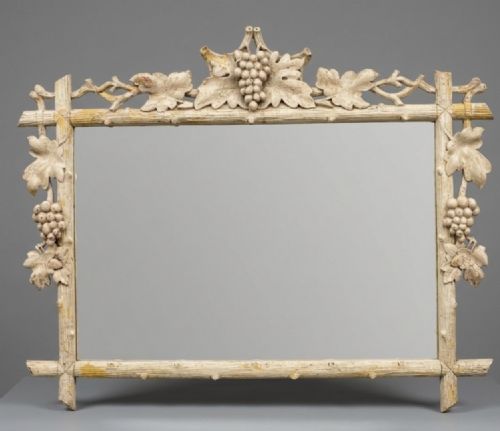


Distressed Painted Mirror Frame
When you search for a distressed painted mirror frame, you uncover centuries of decorative timber mounts shaped by hand and weathered by time.
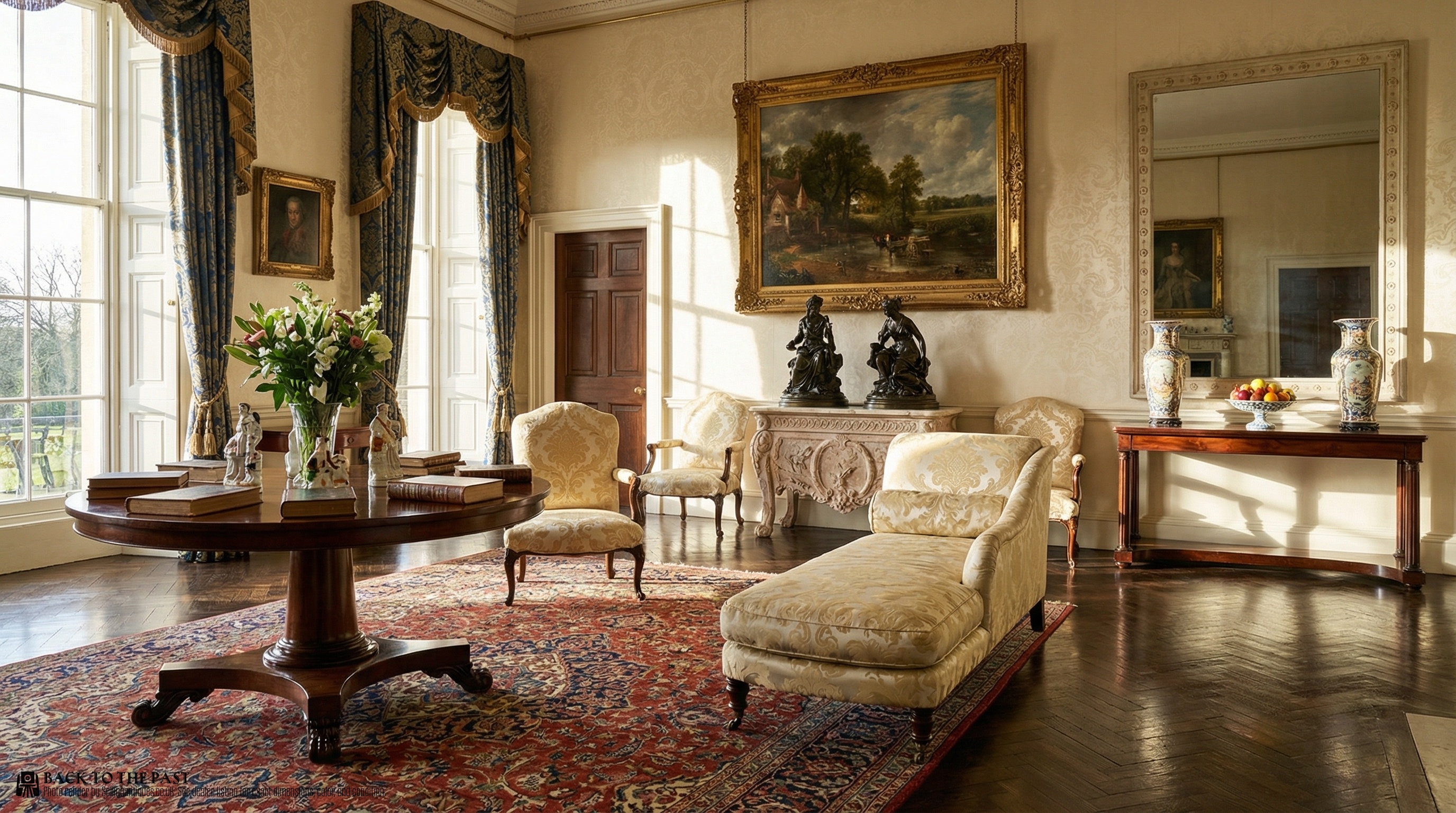
Distressed Painted Mirror Frame
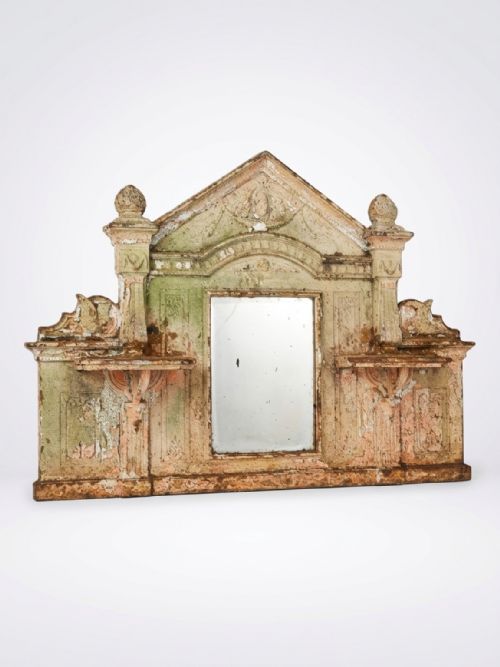
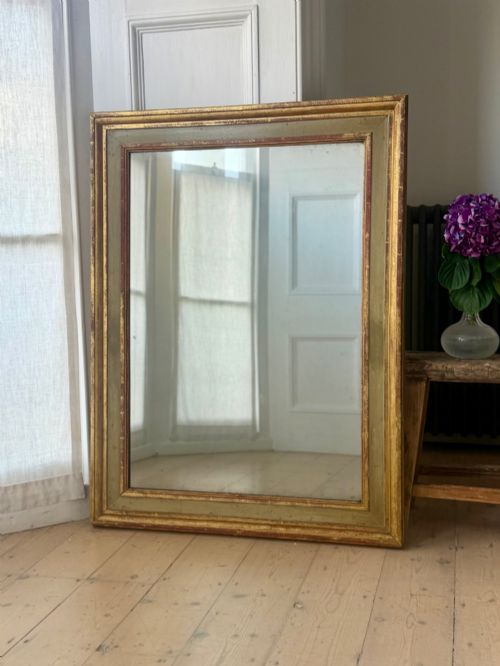
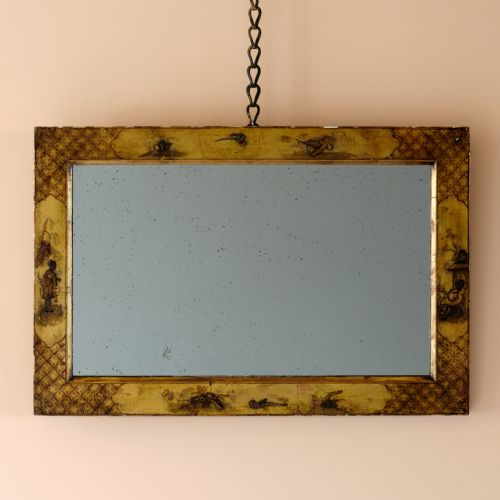
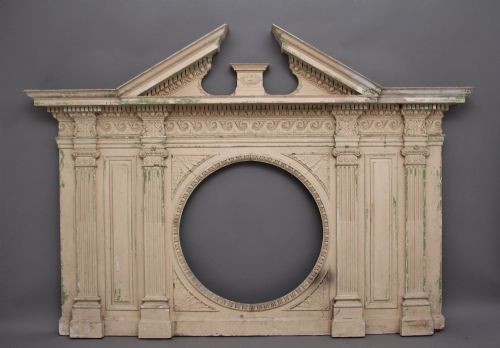
A distressed painted mirror frame brings together carved timber structures and aged decorative surfaces designed to hang on walls or sit above mantelpieces. These items span nineteenth century Victorian workshops and French provincial ateliers, displaying formats from simple wall rectangles to grand overmantels.
The most common examples encountered in these collections are nineteenth century English and French pieces featuring carved wood and gesso. Many incorporate arched tops, column framing, or cushion profiles that have acquired a natural patina through decades of use.
Materials and construction methods
Carved timber provides the primary structural foundation for these pieces, often shaped from pine or hardwoods before receiving layers of gesso to build up decorative moulding. Artisans applied liquid paint over the prepared wood, sometimes incorporating gold leaf or silvered accents to catch the light.
The glass panels fitted within these surrounds include traditional mercury glass and early mirror plates that show characteristic age spots and foxing. Joinery relies on traditional carpentry techniques appropriate to the period, securing heavy wooden frames designed to support substantial weight.
Carousel mirrors once spun bright reflections through bustling fairgrounds before finding quieter resting places inside nineteenth century homes.
Distinguishing quality factors
The depth and complexity of the carved woodwork separate standard utility pieces from exceptional decorative examples. Fine items display crisp hand-carved details in the wooden substrate and well-applied gesso mouldings that retain their structural integrity.
The authenticity of the surface finish plays a major role in evaluation, as genuine historic wear differs significantly from modern artificial distressing. Superior items retain original paint layers and period mirror glass that harmonize with the age of the wooden mount.
The Distressed Painted Mirror Frame Glossary
- Gesso
- A plaster-based mixture applied to carved wood to create a smooth surface for painting or gilding. This compound allows artisans to mould intricate decorative reliefs before finishing.
- Mercury glass
- A double-walled glass type silvered between the layers, commonly found in nineteenth century mirrors. It creates a cloudy, reflective depth distinct from modern aluminum backing.
- Trumeau
- A decorative wall mirror or panel designed to fit into the architectural woodwork above a fireplace or between windows. French examples frequently incorporate painted pastoral scenes or carved borders.
- Overmantel
- A large mirror specifically proportioned to hang above a fireplace mantel. These expansive pieces often feature architectural framing elements such as columns or arched tops.
- Pier glass
- A tall mirror designed to hang on the narrow wall space between windows. These vertical formats maximised light distribution in nineteenth century reception rooms.
Distressed Painted Mirror Frame: Frequently Asked Questions
How do I hang a heavy wooden mirror safely?
Substantial frames require robust wall fixings anchored directly into masonry or wooden studs to support the weight of the timber and glass safely. Professional picture hanging hardware distributed across multiple fixing points ensures the piece remains secure.
Positioning the frame at eye level or centring it above a mantelpiece balances the visual weight within the room. Ensure the hanging wire or brackets match the load capacity specified for antique wall hangings.
Can I clean the aged glass safely?
Historic glass plates require gentle cleaning methods to preserve the delicate silvering and prevent moisture from seeping behind the edges. Using a soft, dry microfibre cloth removes surface dust without disturbing the fragile backing.
Avoid spraying liquid cleaners directly onto the mirror plate, as moisture can penetrate degraded seals and accelerate foxing. Apply a small amount of neutral cleaner to the cloth rather than the glass if stubborn marks require removal.
What indicates a period French style?
French provincial and chateau styles often feature organic carved motifs such as rococo scrolls, ribbon twists, or subtle gilt highlights over muted painted finishes. The proportions tend toward graceful curves and architectural symmetry designed for formal reception rooms.
Construction details like pegged wooden joints and early mercury glass plates help confirm the continental origin of the piece. Regional variations range from rustic bistro mirrors to refined giltwood salon furnishings.
How should I care for painted wooden frames?
Painted wooden surfaces benefit from regular dusting with a soft, dry brush to prevent particulate buildup in the carved recesses and gesso mouldings. Keeping the frame away from direct heat sources and strong sunlight protects the aged paint layers from drying out.
Applying commercial polishes or modern chemical treatments can damage fragile historic finishes and alter the original patina. Gentle maintenance preserves the authentic character acquired over centuries of existence.