



Distressed Painted Column
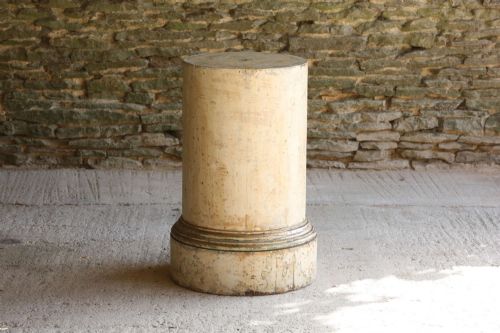
A distressed painted column brings architectural presence into a room, offering worn surfaces and classic proportions shaped by decades of age.
Distressed Painted Column
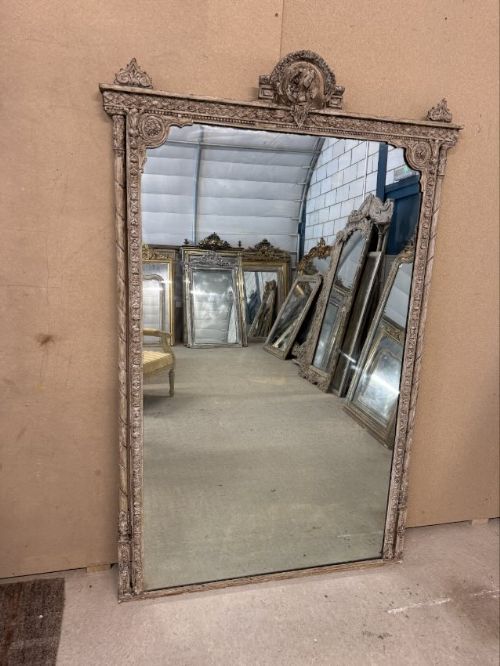
A distressed painted column encompasses architectural salvage, torchierres, pedestals, and mirrors framed by classical pillars, spanning from the eighteenth century to the early twentieth century. These items manifest in styles including Neoclassical, French Provincial, Gustavian, and English Country, reflecting European decorative traditions.
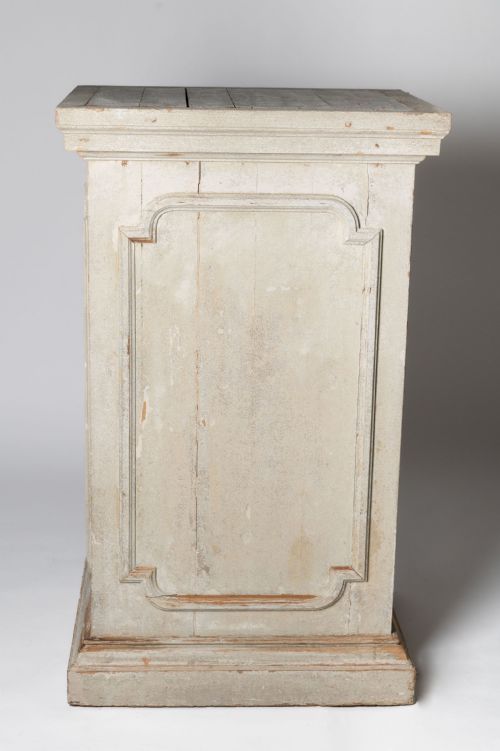
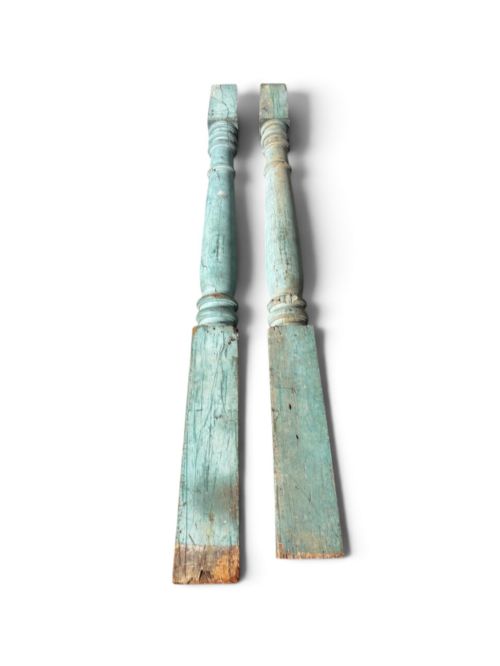
The most common forms encountered on this page are carved wood pedestals, plinths, and column-framed mirrors in distressed paint finishes. Pieces range from large nineteenth-century French and English mirrors with gesso decoration to simple pine pedestals and pairs of architectural pillars.
Origins stretch across English workshops and French provincial centres, alongside Swedish and broader continental pieces. Makers and artisans utilised native timbers and classical orders to create furniture and fittings intended for display.
How they were made
Carved wood forms the structural core for many pieces, frequently paired with gesso layers to build up crisp architectural mouldings on mirrors and pedestals. Pine, hardwood, and softwood provide the underlying body for subsequent painted decorative schemes.
Original paint surfaces, including green paint and layered decorative schemes, are applied over wood and gesso, often developing natural wear and patination over time. Brass and glass components occasionally supplement these timber constructions, particularly in lighting and mirror plates.
Distressed Painted Column Retail Price Guide 2026
Typical asking prices for distressed painted column among the pieces listed under this phrase on Sellingantiques today, from the lower quarter to the upper quarter. They describe what is for sale here now, not the wider market.
Listings feature nineteenth-century pine, hardwood, and softwood, spanning Neoclassical, Gustavian, and architectural salvage styles.
What varies in quality
The sophistication of the initial wood carving and the depth of the gesso mouldings separate refined architectural elements from simpler utilitarian pieces. Crisp detailing on capitals and fluting demonstrates superior workshop execution.
The character and survival of the painted surface dictate visual appeal, with original undisturbed paint finishes holding greater aesthetic weight than later overpainting. Proportional balance and the integrity of the underlying timber structure determine the overall success of each form.
The Distressed Painted Column Glossary
- Gesso
- A plaster-like mixture applied to wood to create a smooth surface for carving or gilding. It allows for intricate relief decoration on mirror frames and architectural columns.
- Torchiere
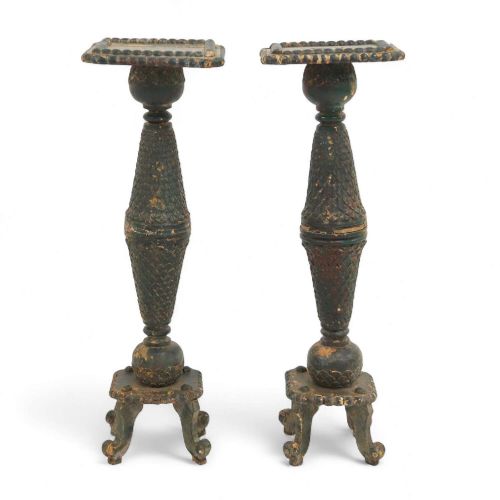
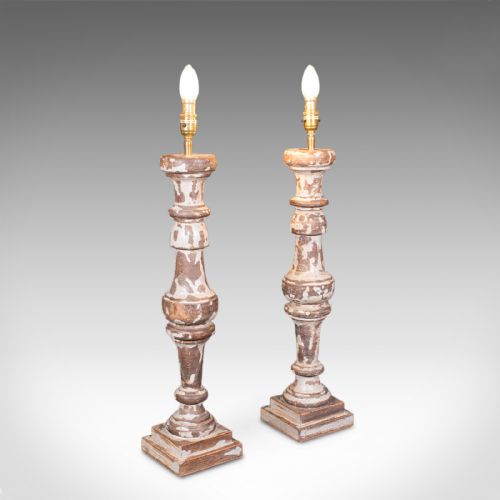
- A tall decorative stand or floor lamp designed to hold a light source. These pieces frequently take the form of slender columns or pillars.
- Gustavian
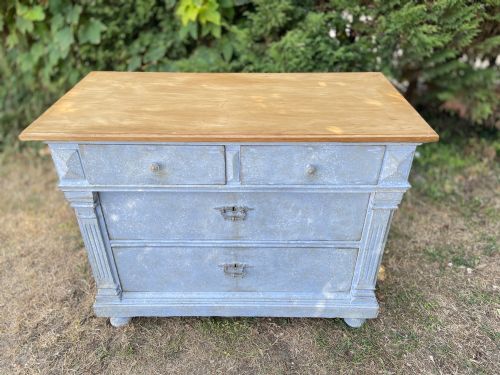
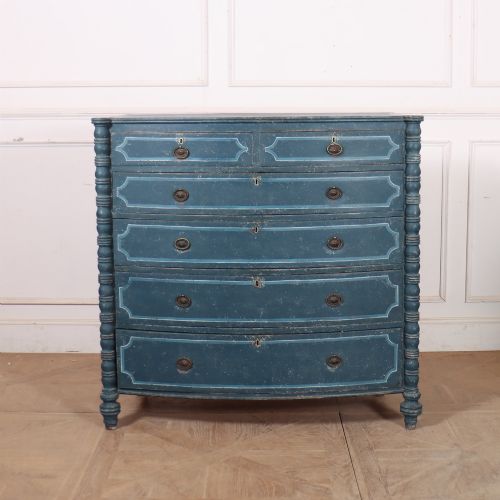
- The Swedish interpretation of French neoclassical design, characterised by restrained ornamentation and pale painted finishes. This style often appears on chests of drawers and pedestals.
- Plinth
- The heavy base supporting a column, statue, or pedestal. In furniture terms, it acts as the stable foundation for display stands.
- Neoclassical
- A style reviving classical antiquity forms and motifs, prominent in eighteenth and nineteenth-century architecture and decorative arts. It governs the proportions of many columns found here.
Distressed Painted Column: Frequently Asked Questions
How do I use a column pedestal at home?
A column pedestal serves as a display stand for sculptures, vases, or table lamps, elevating objects to draw the eye in an interior space.
Positioning one in a corner or hallway adds vertical architectural interest without occupying substantial floor area.
What is a torchiere?
A torchiere is a tall, slender stand historically used to hold a candle or torch, evolving later to support lighting or decorative items.
These pieces function as striking focal points when placed against plain walls or within transitional spaces.
How do I distinguish French and English columns?
French columns often display softer gesso detailing and lighter Gustavian or provincial paint palettes, reflecting continental neoclassical tastes.
English examples tend toward robust proportions in pine or hardwood, aligning with domestic country house aesthetics.
Can these columns support heavy items?
Most solid wood and architectural columns possess sturdy internal construction capable of bearing substantial display objects.
Checking the stability of the base and top platform ensures safe placement for heavy vases or bronze sculptures.