

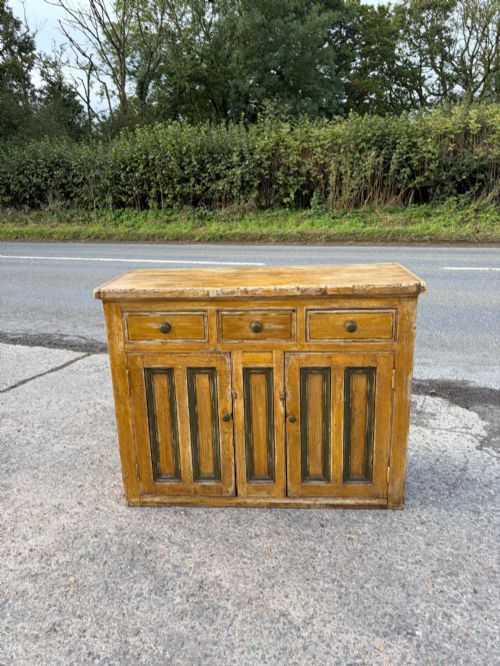
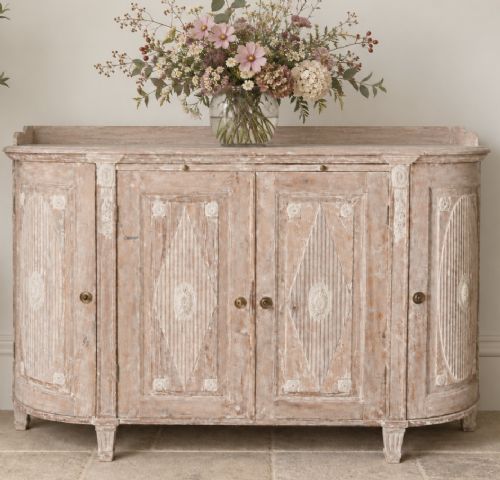
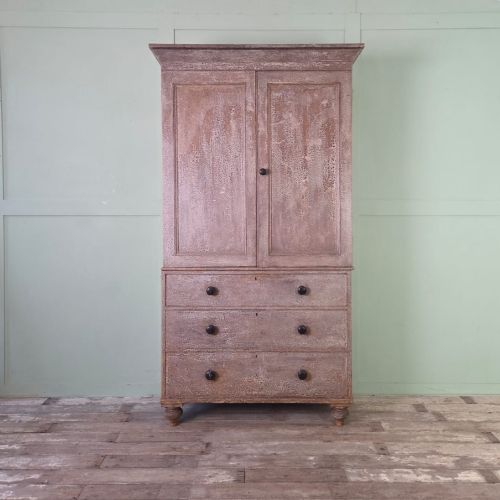
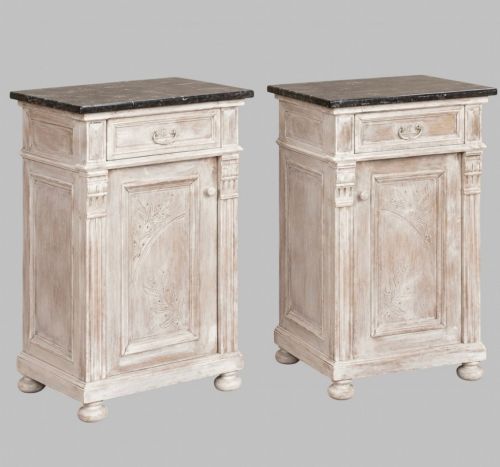
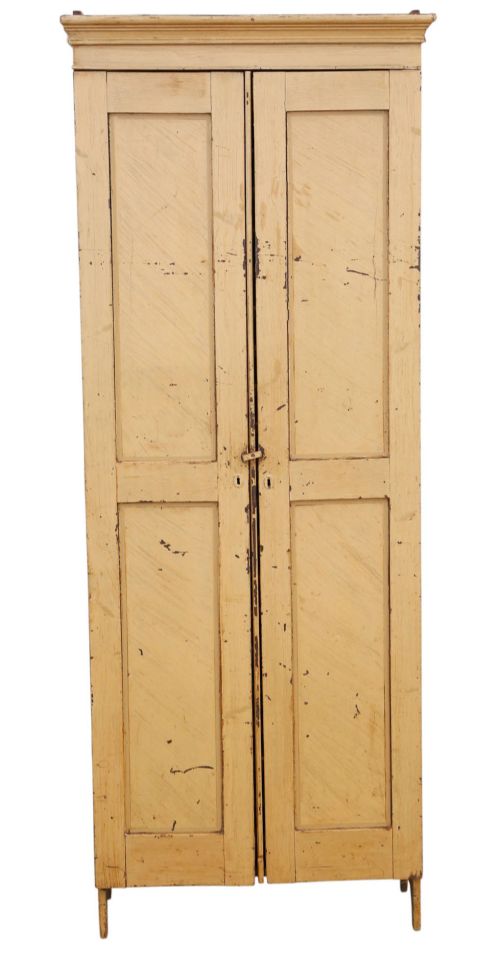
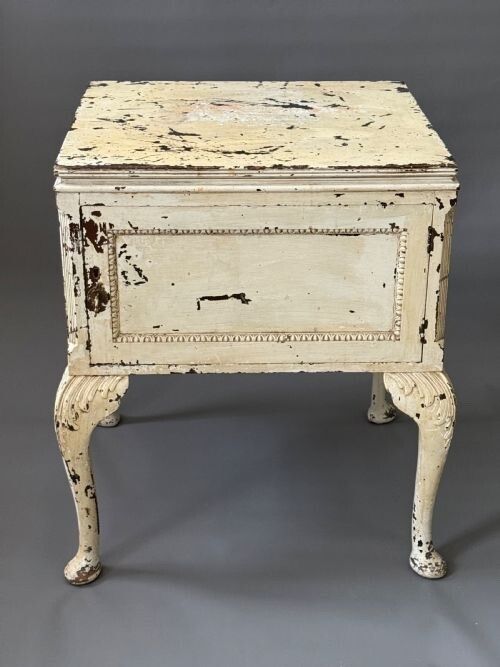
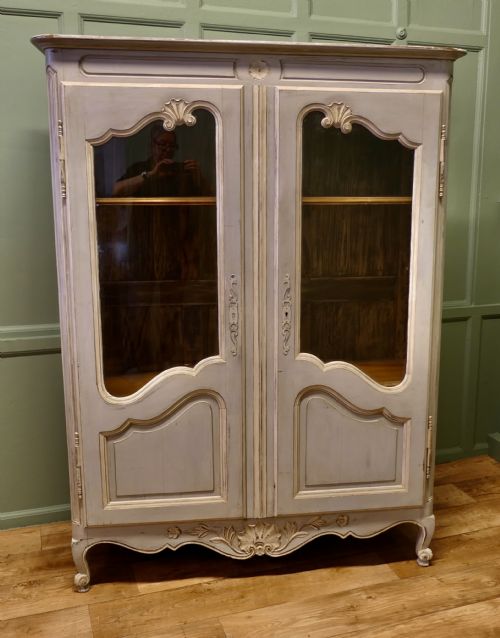
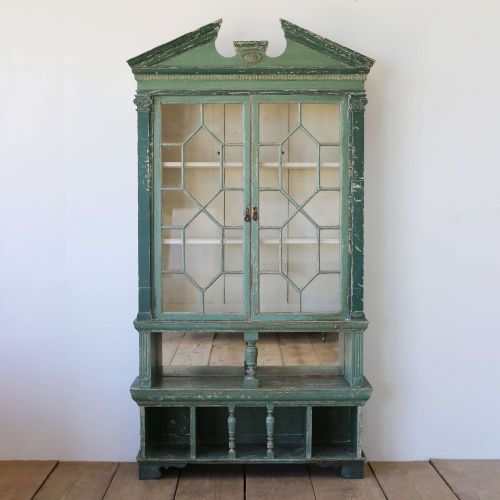
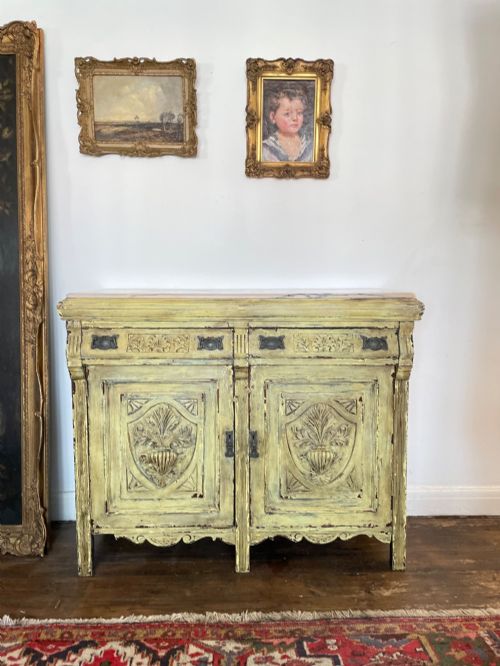
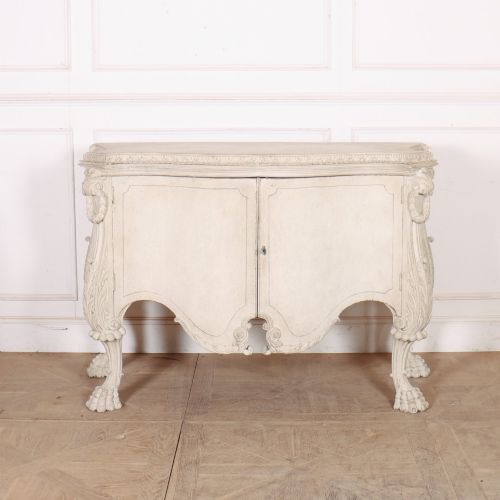
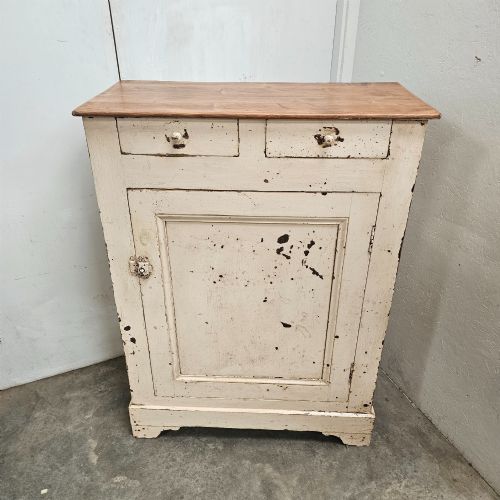
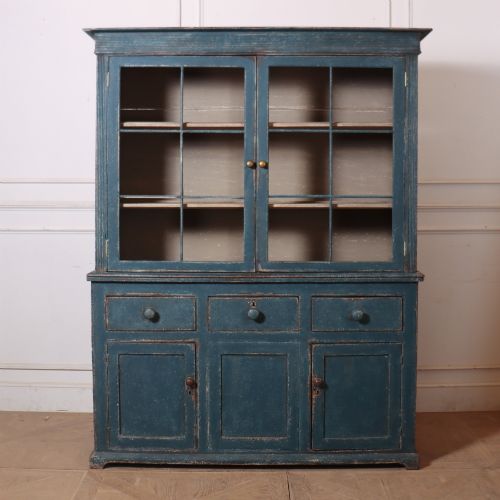
Distressed Paint Cupboard
Distressed paint cupboard storage pieces bring regional character and honest surfaces to modern interiors through centuries of layered pigment.
Distressed Paint Cupboard
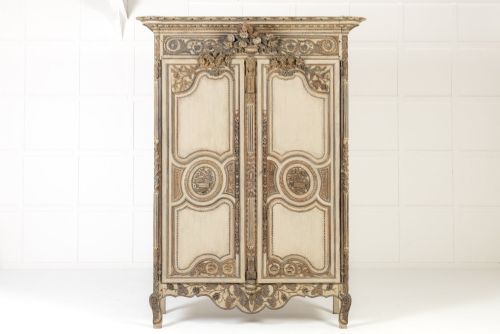
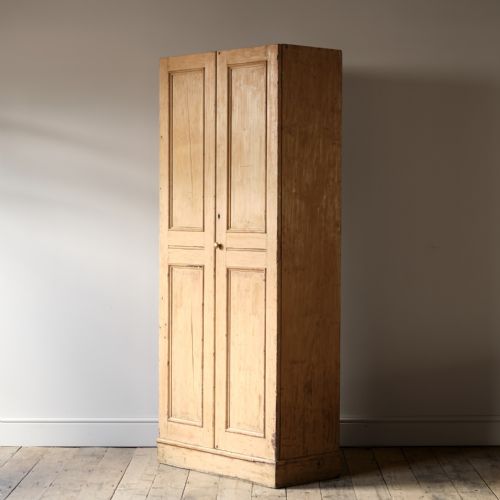
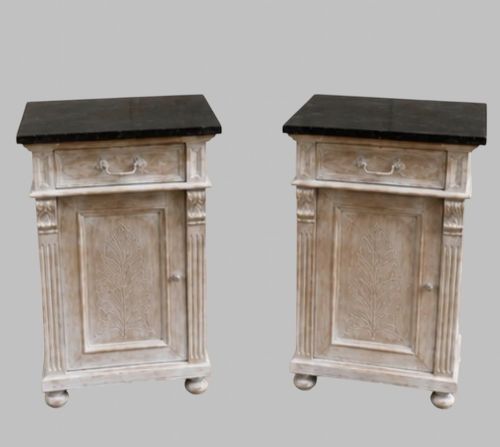
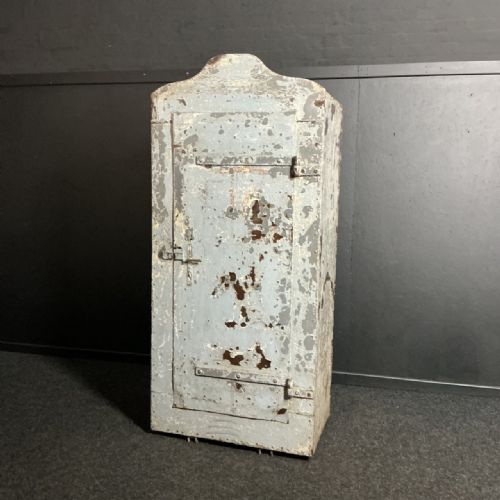
A distressed paint cupboard represents utility pieces from rural and provincial workshops designed for domestic storage across Europe and Asia. These items range from tall kitchen dressers and linen cupboards to bedside cabinets and wardrobes built to hold household goods.
Buyers meet nineteenth-century pine and hardwood examples most frequently on this page, often showing layers of cream, teal, pink, or black surface colour. Regional forms span Scandinavian country styles, French provincial cupboards, English country dressers, and Indian teak almirahs.
The category encompasses specialised domestic furniture such as confituriers, chapel cupboards, and corner units shaped by local carpentry traditions. Each piece serves as a functional storage anchor while displaying the visual depth of aged pigment.
How these pieces were constructed
Carpenters utilised native softwoods and hardwoods including pine, teak, cedar, and mahogany, joining boards with pegged mortise and tenon joints or dovetails. Carved details and moulded cornices appear on regional armoires, sideboards, and vitrines.
Surfaces received successive coats of lead or oil-based paint, often built up over decades of domestic use and maintenance. Iron and brass hinges, latches, and pulls secure doors and drawers across European and Indian examples.
Distressed Paint Cupboard Retail Price Guide 2026
Typical asking prices for distressed paint cupboard among the pieces listed under this phrase on Sellingantiques today, from the lower quarter to the upper quarter. They describe what is for sale here now, not the wider market.
Some nineteenth-century French bedside tables started life holding jam pots rather than night water.
What separates the tiers of quality
Quality rests in the integrity of the original timber construction and the authenticity of the surface finish. Pieces retaining their primary structural joinery without extensive timber replacement sit above heavily altered examples.
The character of the painted surface dictates visual hierarchy, distinguishing genuine historic wear and original pigment layers from later decorative distressing. Proportion, regional distinctiveness, and intact hardware further elevate specific cabinets and dressers.
The Distressed Paint Cupboard Glossary
- Almirah
- A freestanding cupboard or wardrobe used for storage in South Asian domestic architecture. These pieces often feature panelled doors and substantial timber frames.
- Confiturier
- A small French provincial cupboard originally built to store jars of confit or jam. They typically feature a single door above a small drawer or compartment.
- Enfilade
- A long sideboard or cabinet fitted with multiple doors and drawers, designed for formal dining rooms. Italian and French examples often display decorative painted finishes.
- Housekeeper's cupboard
- A large tall storage piece featuring upper shelving enclosed by doors and lower drawers or cupboards. They served administrative and storage functions in large country houses.
- Vitrine
- A glass-fronted display cabinet or bookcase intended for showing porcelain and books. Painted wooden frames surround the glazed sections.
Distressed Paint Cupboard: Frequently Asked Questions
What is a distressed paint cupboard?
A distressed paint cupboard is a historic storage unit finished in pigmented coatings that have worn down naturally over time. These functional items include kitchen dressers, linen cupboards, and bedside cabinets.
Craftsmen built them from regional timbers like pine and teak to serve domestic storage needs in farmhouses, chapels, and town houses.
How do I identify the age of a painted cupboard?
Age is determined by examining construction methods, timber types, and the composition of the paint layers. Hand-cut nails, pegged joints, and shrinkage patterns indicate historic manufacture.
Paint analysis reveals whether pigment layers date to the original period of construction or represent later decorative applications.
Where were these cupboards made?
These storage pieces originate from diverse European and Asian regions including Scandinavia, France, Italy, England, Hungary, and India. Local workshop traditions dictated the specific mouldings, proportions, and timber choices.
Provincial carpenters adapted regional forms to suit local domestic requirements for storing textiles, provisions, and tableware.
How do I care for an antique painted surface?
Historic painted surfaces require stable indoor humidity and protection from direct sunlight to prevent further flaking or fading. Dusting with a dry, soft cloth preserves the delicate patina.
Avoid commercial chemical cleaners or harsh solvents that can strip away original pigment and historic wax treatments.