


Distressed Mirror
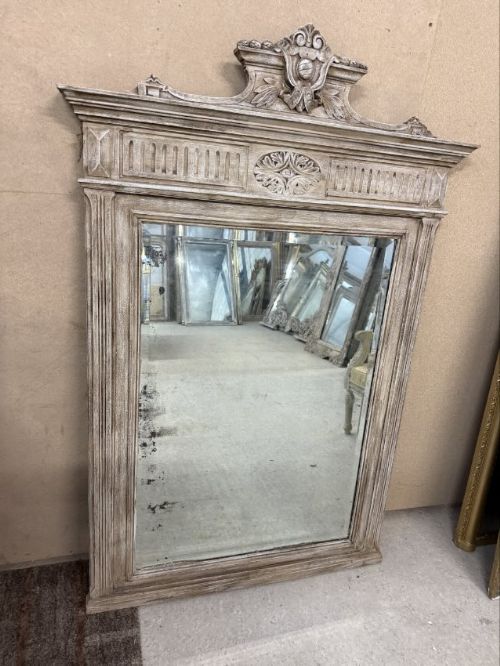
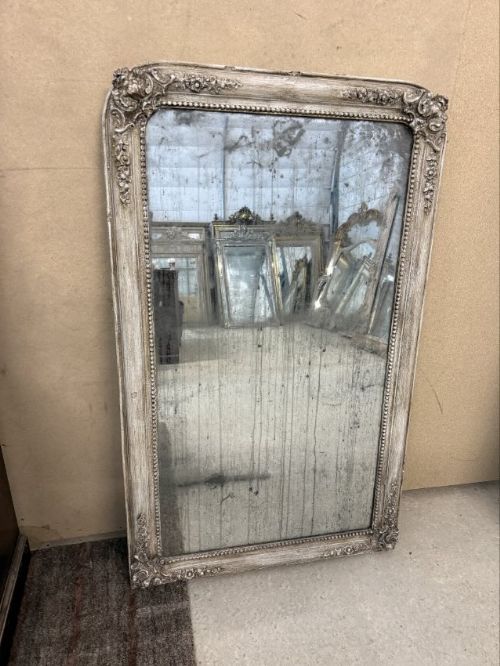
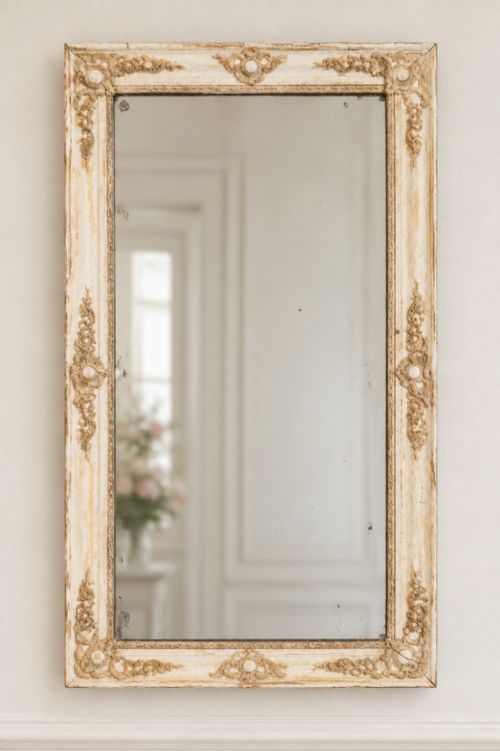
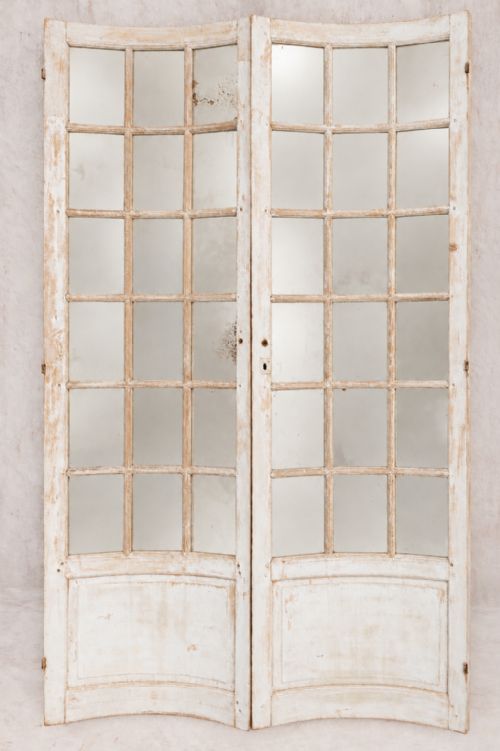
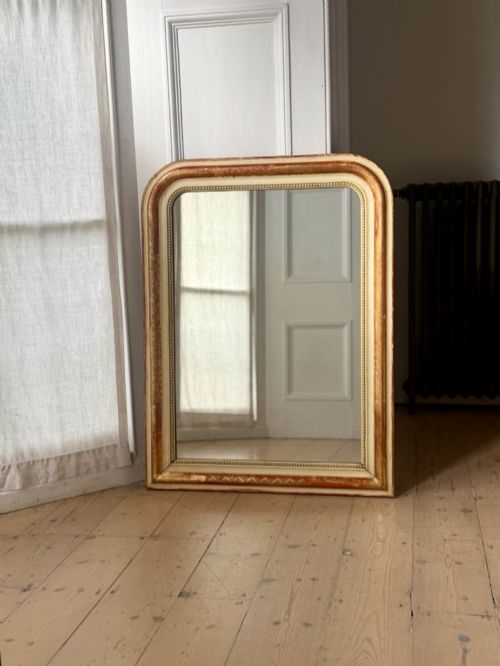
Distressed mirror describes these wall and overmantel looking glasses that bring age and character to a room through weathered plates and worn frames.
Distressed Mirror
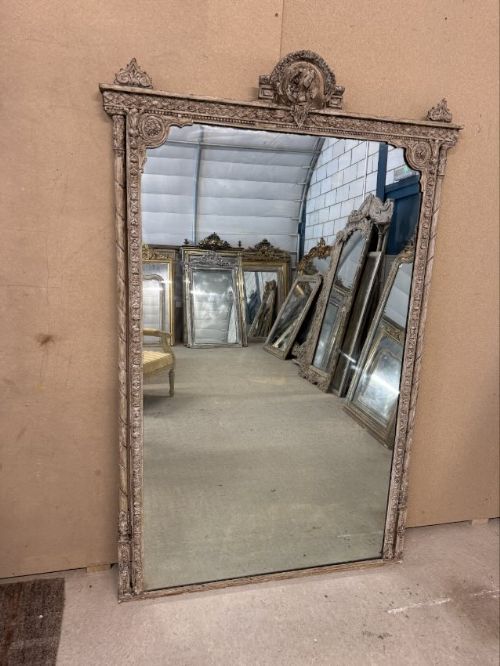
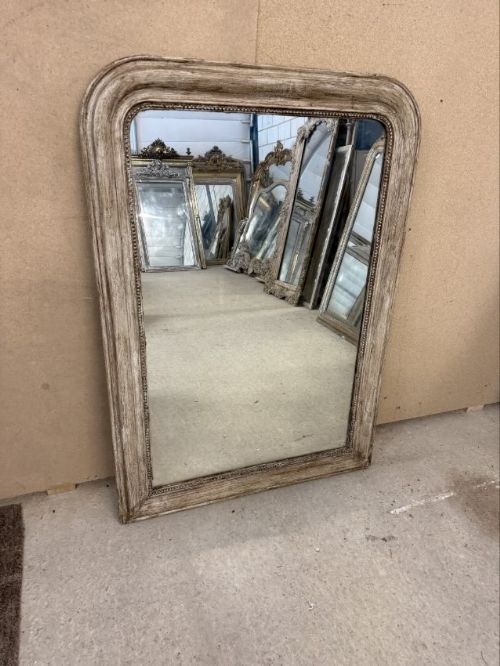
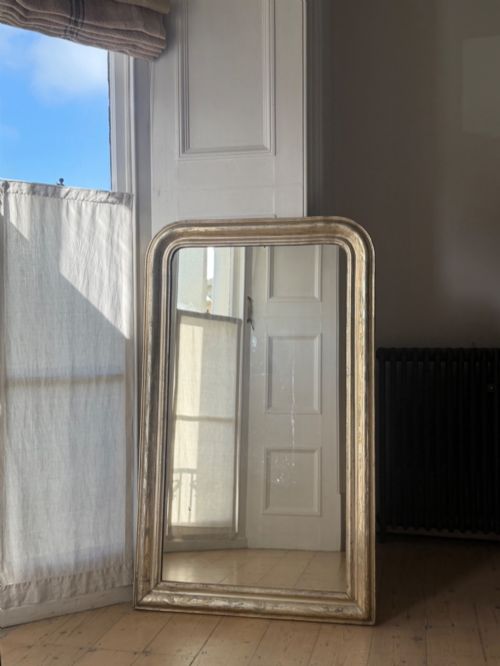
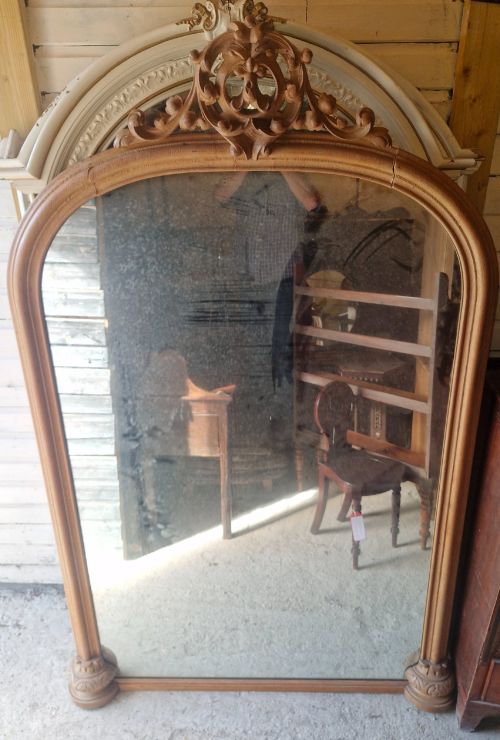
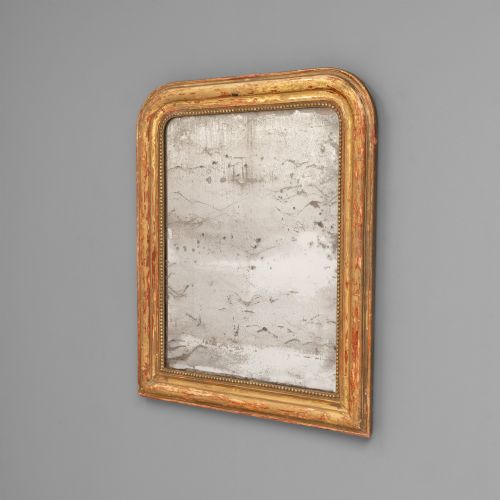
A distressed mirror search yields wall mirrors, overmantels, and pier glasses spanning the eighteenth, nineteenth, and early twentieth centuries. French examples dominate, particularly Louis Philippe and trumeau designs featuring arched tops and classical proportions alongside English country house and Italian styles.
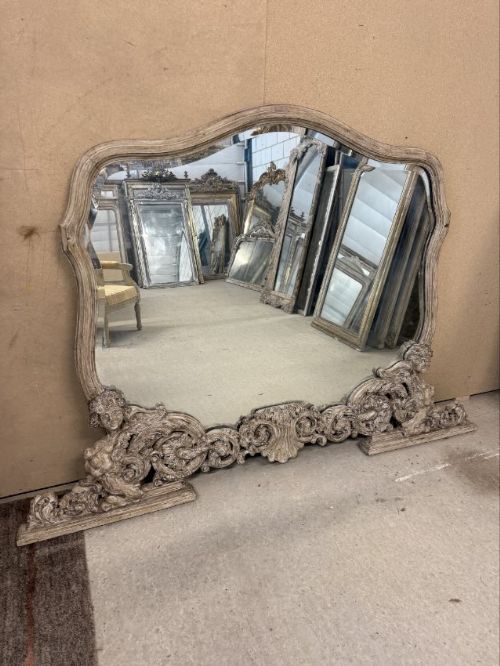
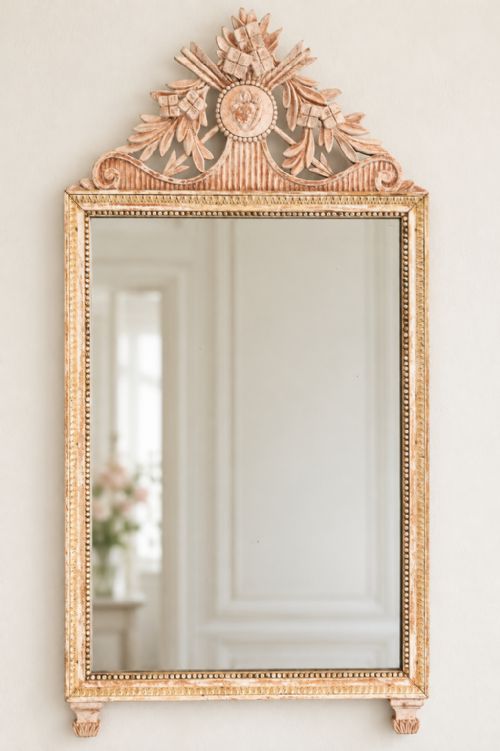
Makers and craftsmen constructed these pieces from wood, gesso, and oak, applying paint, gold leaf, and oil gilt finishes. Surviving forms range from large overmantels designed for mantelpieces down to smaller dressing mirrors and wall-hanging plates.
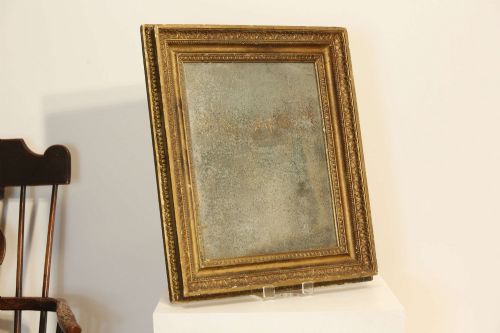
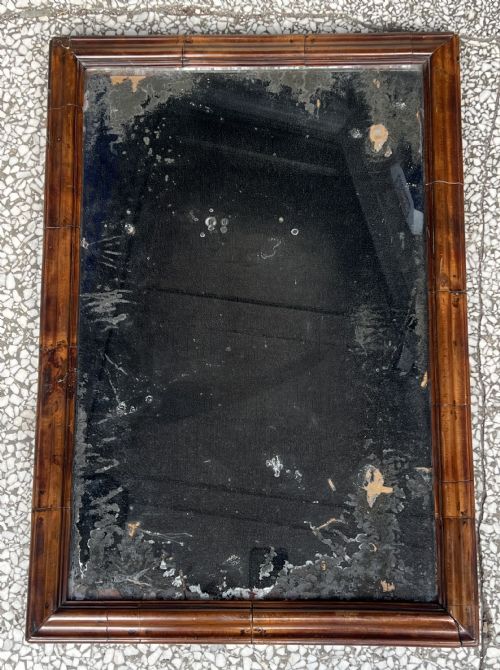
The defining characteristic across these objects is the aged appearance of the frame and the reflective plate. Foxed glass and bare gesso expose the passage of time through oxidation and surface wear.
Materials and construction
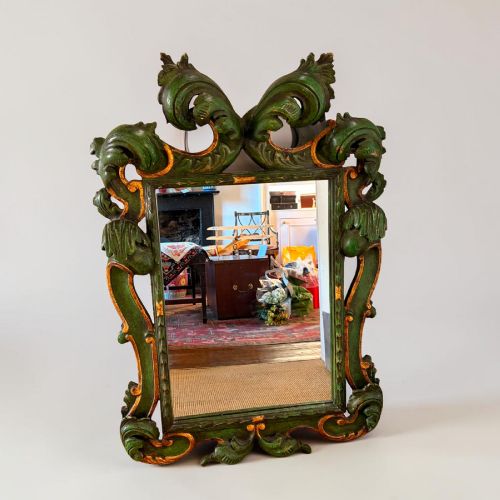
Makers carved wooden frames from oak, walnut, pine, and softwoods before applying layers of gesso to build up decorative moulding and detail. Artisans then gilded these surfaces with gold leaf or oil gilt, or finished them with hand-painted layers in palettes such as lilac, ink blue, and muted tones.
Reflecting plates on older examples consist of mercury glass, which produces a characteristic dark, mottled oxidation known as foxing. Craftsmen secured these heavy plates into the timber rebates using traditional fixings behind the frame.
Distressed Mirror Retail Price Guide 2026
Typical asking prices for distressed mirror among the pieces listed under this phrase on Sellingantiques today, from the lower quarter to the upper quarter. They describe what is for sale here now, not the wider market.
Several mirrors retain traces of historical ink blue and lilac paint palettes underneath layers of worn gold leaf.
Standards of craftsmanship
Quality rests in the integrity of the original carved woodwork and the depth of the surface finish. Hand-carved details in solid oak or giltwood demonstrate superior craftsmanship compared to simpler moulded compositions.
The character of the glass plate dictates visual appeal, where genuine period foxing and original mercury plates provide an authentic appearance that distinguishes finer antique examples from later reproductions.
The Distressed Mirror Glossary
- Foxing
- The brown spots and mottled patches that develop on older mirror plates through the chemical breakdown of the backing over time. This natural oxidation gives the glass its characteristic aged appearance.
- Mercury glass
- A type of silvered glass produced by pouring a liquid mercury amalgam between two layers of double-walled glass during the nineteenth century. It creates a deep, cloudy reflection distinct from modern silvering.
- Trumeau
- A decorative wall mirror combined with a painted panel or oil painting situated above the glass plate. These architectural pieces originated in eighteenth-century French interior design.
- Gesso
- A plaster mixture applied to wood frames as a base for gilding or painting. Worn gesso reveals the white or red ground beneath the surface finish.
- Overmantel
- A large mirror specifically proportioned to hang above a fireplace mantel. These horizontal forms often anchor the decorative scheme of a period room.
Distressed Mirror: Frequently Asked Questions
What is a distressed mirror?
A distressed mirror is an antique or vintage looking glass that displays natural wear on both the frame and the glass plate. These pieces show age through oxidized silvering, chipped paint, and worn gilding.
Such characteristics arise from decades or centuries of exposure to light and moisture. Rather than faults, these signs of age create the decorative appeal that defines the category.
How do I identify mercury glass?
Mercury glass presents a darker, three-dimensional reflection with irregular dark patches and cloudiness behind the surface. It lacks the uniform brightness of modern aluminium or silver-backed glass.
Close inspection reveals a heavier plate with subtle distortions in the reflection. True period examples often show concentrated foxing near the edges where air met the backing.
Where should I hang an overmantel mirror?
An overmantel mirror traditionally hangs directly above a fireplace mantel to reflect light and anchor the room's proportions. Its wide horizontal format complements the width of the hearth below.
Alternatively, these large pieces work well mounted low on a main wall as a leaner mirror. Ensure the wall fixings can support the considerable weight of a wooden and glass frame.
How do I care for antique glass?
Clean antique mirror plates gently with a dry microfiber cloth or a minimal amount of distilled water. Avoid commercial glass cleaners containing harsh ammonia that can seep behind the edges and damage the backing.
Protect the surrounding giltwood or painted frame from excessive moisture and direct sunlight. Handle the piece with care to preserve the fragile historical surface.