

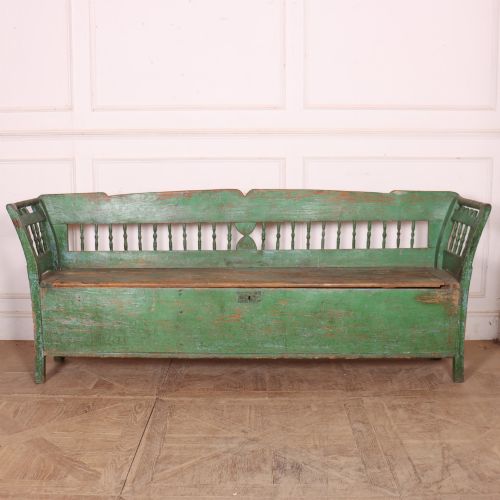
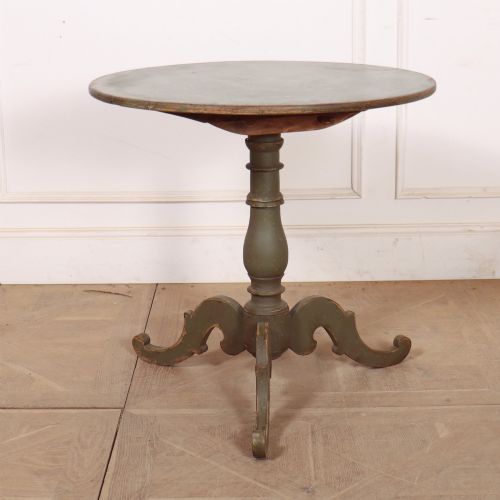
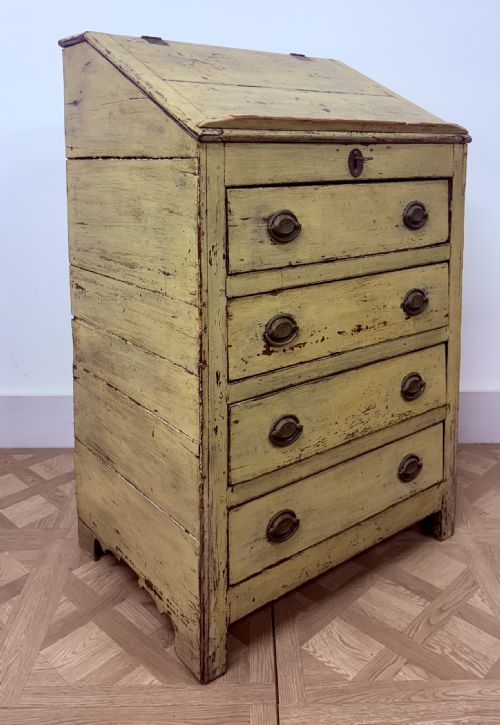
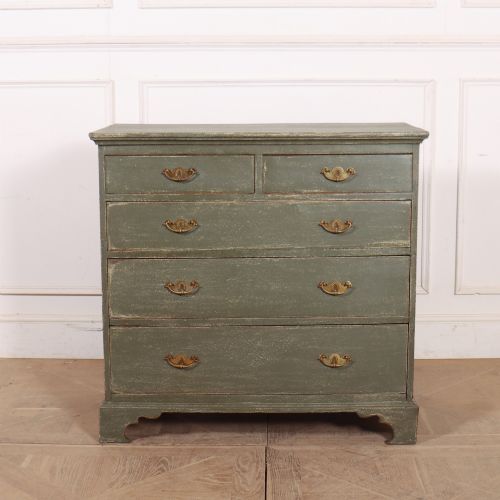
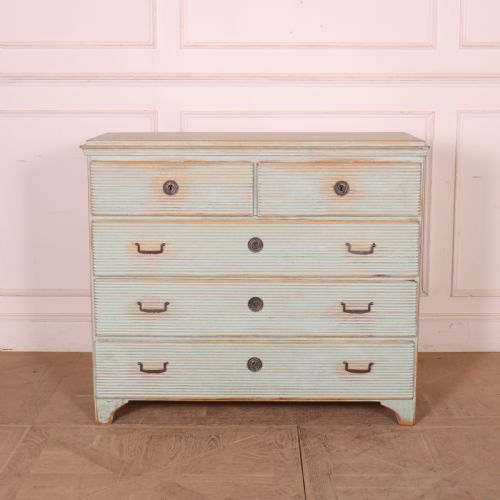


Distressed Green Furniture
Distressed green furniture brings weathered character and historic charm into a room through timeworn paint on pine, wood, and iron.
Distressed Green Furniture
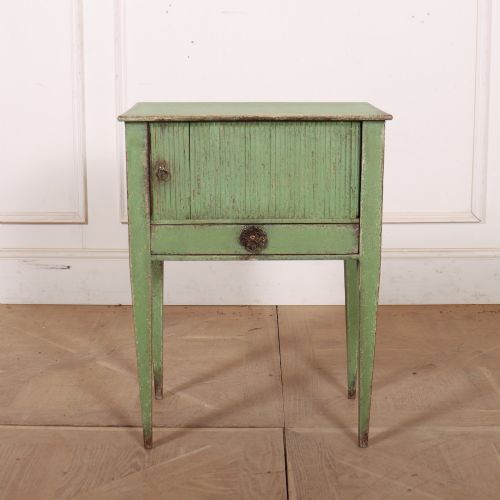
Distressed green furniture encompasses painted wooden and iron pieces spanning the eighteenth, nineteenth, and early twentieth centuries. These items originate from various regional traditions including English, Swedish, Austrian, and Italian country styles.
Buyers seeking distressed green furniture will frequently encounter country pine cupboards, painted chests of drawers, benches, and commodes. Many examples display original surface treatments that have aged naturally over decades of domestic or garden use.
How they were made
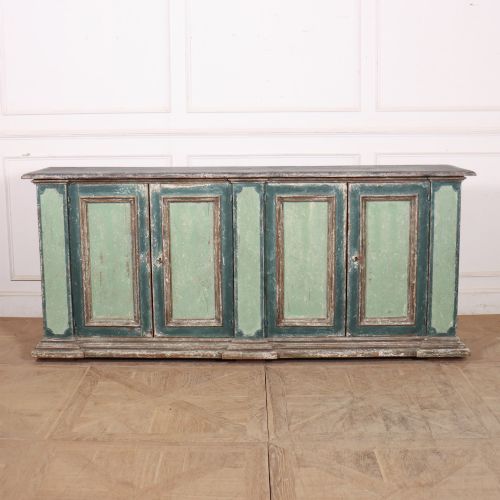
Makers utilised solid pine and mixed woods, frequently constructing functional domestic storage such as chests of drawers, commodes, and sideboards. Iron and cast iron were also employed for garden urns, tables, and engineer cabinets.
Surfaces were finished with traditional paint layers, often applied over pine or wood substrates, which patinate and wear over time to create the characteristic distressed appearance seen on provincial and country pieces.
Distressed Green Furniture Retail Price Guide 2026
Typical asking prices for distressed green furniture among the pieces listed under this phrase on Sellingantiques today, from the lower quarter to the upper quarter. They describe what is for sale here now, not the wider market.
Listings span the eighteenth century to 1940, featuring pine, painted wood, wrought iron, and marble across Scandinavian, English, Austrian, and Italian styles.
What varies in quality
The distinction between standard and superior pieces rests in the integrity of the original paint surface and the subtlety of regional construction details. Untouched historic paint layers holding genuine patination carry greater depth than later surface applications.
Proportion and regional joinery define the finer examples, from the serpentine fronts of commodes to the crisp carving of neo-classical console tables and country baking tables.
The Distressed Green Furniture Glossary
- Commode
- A low cabinet or chest of drawers, often featuring decorative painted surfaces or serpentine fronts in continental traditions.
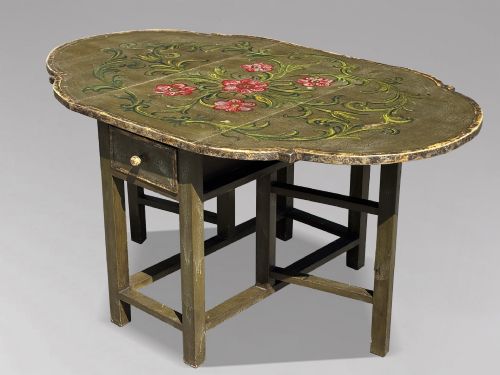
- Drop-leaf table
- A table with hinged flaps on either side that can be lowered or raised depending on space requirements.
- Pine
- A softwood commonly utilised for European country furniture, frequently serving as the base for painted finishes.
- Serpentine front
- A curved furniture front curving outward at the centre and inward at the sides.
- Wrought iron
- Tough, malleable iron beaten into shape by hand, used for garden furniture and industrial cabinets.
Distressed Green Furniture: Frequently Asked Questions
What is distressed green furniture?
Distressed green furniture comprises painted wooden and iron items from eighteenth, nineteenth, and early twentieth-century European traditions. These pieces display weathered green paint surfaces shaped by age and use.
Such items include country pine cupboards, chests of drawers, commodes, and benches originating from English, Scandinavian, and Mediterranean workshops.
How do I style distressed green pieces?
These pieces suit neutral interiors where their aged green paintwork provides a natural focal point. They function well as storage cabinets, side tables, or seating.
Pairing them with plain walls and simple textures allows the historic character of the painted pine or iron to stand out.
Are these pieces in original paint?
Many listings specify original paint surfaces or remnants, reflecting decades of natural wear and historic patination. Some items showcase multiple historic layers of green pigment.
Examining the surface reveals how the paint has weathered across pine, wood, or iron substrates over time.
Which periods are represented?
The selection includes items from the Georgian era, the nineteenth century, and early twentieth-century periods such as the 1920s. Each era brings distinct regional cabinet-making styles.
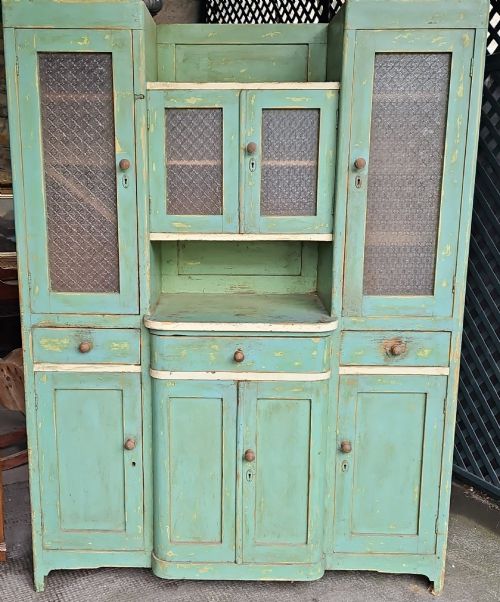
Examples range from eighteenth-century Italian console tables to nineteenth-century Swedish commodes and Edwardian kitchen cabinets.